
For individuals managing Type 2 Diabetes, the best breakfast focuses on a balanced plate rich in fiber, lean protein, and healthy fats, while keeping processed sugars and refined carbohydrates to a minimum. Prioritizing foods with a low glycemic index will help manage blood sugar levels throughout the morning, providing sustained energy and satiety. This guide will walk you through the essential components and practical ideas for starting your day right, helping you make delicious and supportive choices for your diabetes management journey.



Understanding the Ideal Diabetes-Friendly Breakfast

When you’re managing Type 2 Diabetes, your breakfast isn’t just about satisfying hunger; it’s a powerful tool for controlling blood sugar, managing weight, and boosting your overall well-being. Understanding a few core principles can transform your morning meal into a consistent ally.
* Focus on foods with a low glycemic index to prevent blood sugar spikes.
The Glycemic Index (GI) is a system that ranks carbohydrate-containing foods based on how quickly they raise blood sugar levels after eating. Foods with a low GI are digested and absorbed more slowly, leading to a gradual and steady rise in blood glucose. This is incredibly beneficial for Type 2 Diabetes management, as it helps prevent the sharp spikes and subsequent crashes that can leave you feeling tired and craving more sugar. Opting for low GI foods like whole grains, non-starchy vegetables, and most fruits ensures a smoother metabolic response, keeping you feeling more stable and energized throughout your morning.
* Prioritize high-fiber ingredients for improved digestion and satiety.
Fiber is truly a superstar nutrient for anyone with Type 2 Diabetes. It plays a crucial role in regulating blood sugar by slowing down the absorption of glucose into the bloodstream. Beyond blood sugar control, fiber promotes healthy digestion, helps maintain bowel regularity, and contributes significantly to satiety. When you include plenty of fiber in your breakfast, you’re more likely to feel fuller for longer, reducing the temptation to snack unnecessarily before your next meal. This makes fiber-rich foods like vegetables, whole grains, nuts, and seeds essential components of a diabetes-friendly morning.
* Aim for a balanced combination of complex carbohydrates, lean protein, and healthy fats.
The magic of a diabetes-friendly breakfast often lies in its balance. Instead of focusing on just one macronutrient, aim for a synergistic plate where complex carbohydrates, lean protein, and healthy fats work together. Complex carbohydrates, rich in fiber, provide sustained energy. Lean proteins contribute to satiety and help slow glucose absorption, while healthy fats further enhance fullness and aid in the absorption of fat-soluble vitamins without negatively impacting blood sugar. This balanced approach ensures you get a wide array of nutrients, feel satisfied, and maintain stable blood sugar levels from the moment you wake up.
High-Protein Power-Ups for Stability
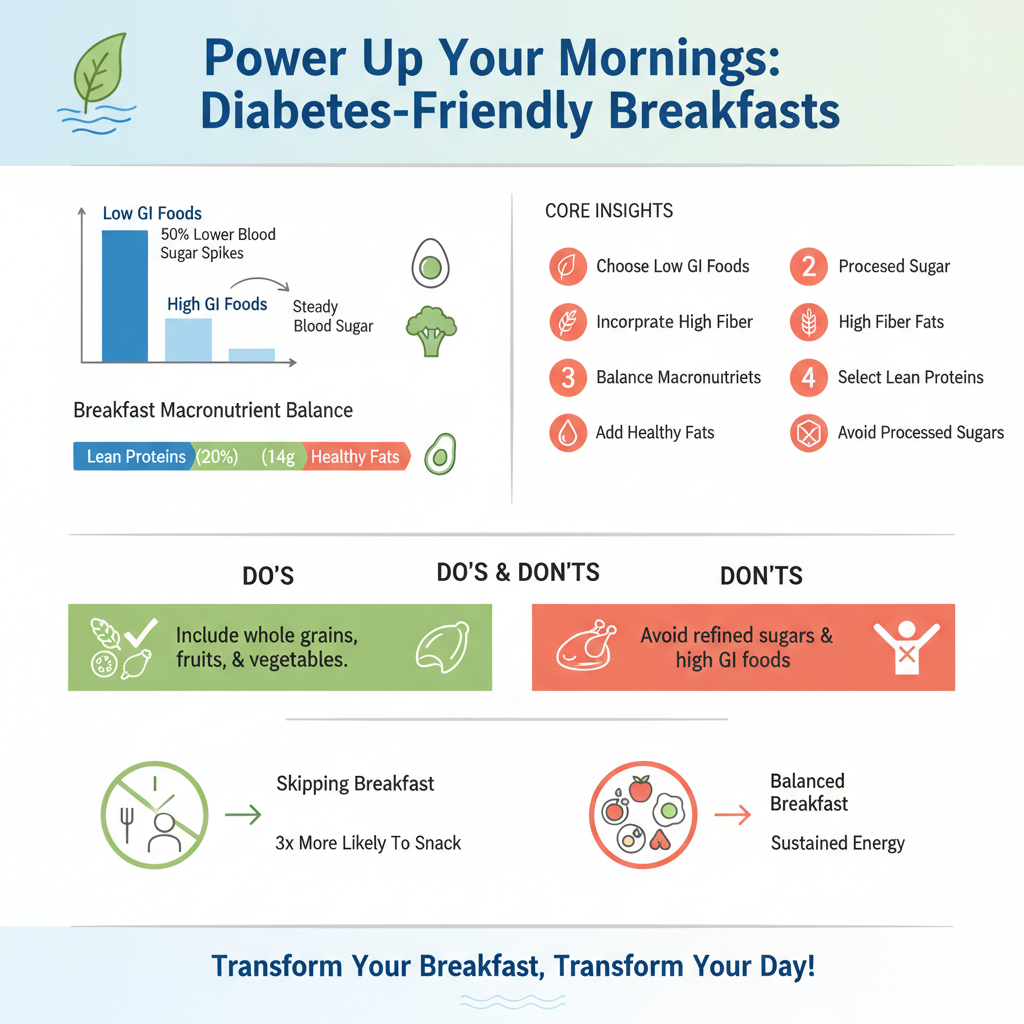

Protein is an invaluable component of a breakfast designed for Type 2 Diabetes management. It’s a key player in promoting satiety and ensuring your blood sugar remains stable long after your meal. Including ample protein can make a significant difference in how you feel and manage your condition.
* Include lean protein sources like eggs, Greek yogurt, or cottage cheese to promote fullness and blood sugar control.
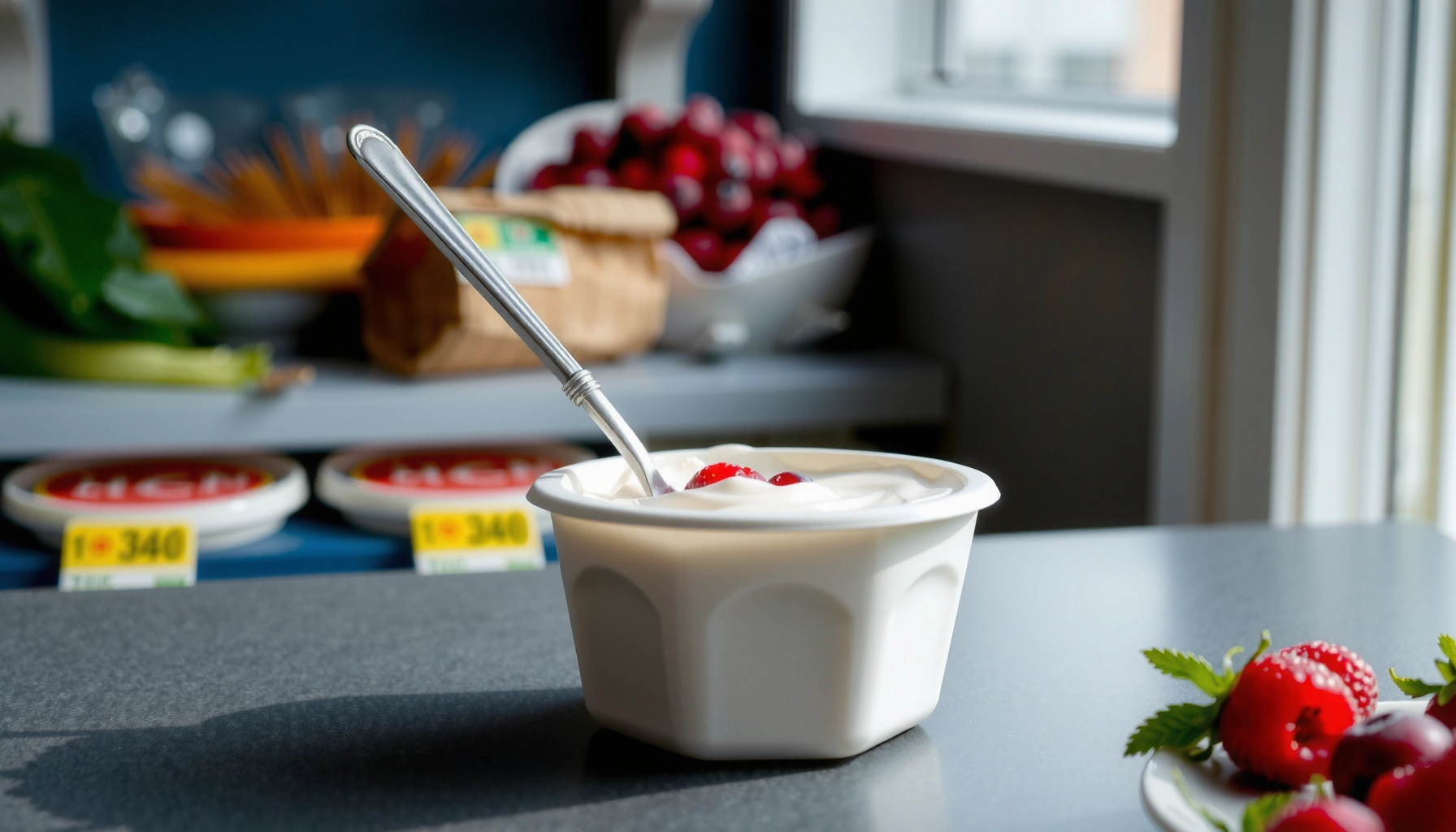
These go-to options are fantastic for kickstarting your day. Eggs are a versatile powerhouse, offering high-quality protein with very few carbohydrates, making them ideal for blood sugar stability. You can enjoy them scrambled, boiled, poached, or as an omelet. Plain Greek yogurt is another excellent choice, packed with more protein than regular yogurt and offering beneficial probiotics for gut health. Similarly, cottage cheese is a rich source of casein protein, which digests slowly, providing a sustained release of amino acids and helping you feel full for hours. These options actively help slow the rise of glucose in your bloodstream, preventing those unwanted spikes.
* Incorporate plant-based proteins such as tofu, tempeh, or a scoop of unsweetened protein powder.
If you’re looking to diversify your protein intake or prefer plant-based options, tofu and tempeh are wonderful additions to your breakfast routine. Tofu can be easily scrambled like eggs, absorbing flavors beautifully, while tempeh can be crumbled into breakfast hashes or made into savory patties. For a quick and convenient protein boost, consider adding a scoop of unsweetened protein powder (whey, soy, pea, or hemp) to a smoothie or your overnight oats. Just be sure to check the label for hidden sugars and artificial sweeteners, opting for pure, unsweetened varieties.
* Protein helps slow down the absorption of carbohydrates, leading to a steadier rise in blood glucose.
The mechanism behind protein’s power lies in its ability to slow down gastric emptying. When you consume protein alongside carbohydrates, it takes longer for the food to move from your stomach to your small intestine, where glucose is absorbed. This delayed digestion means that glucose enters your bloodstream more gradually, leading to a gentler, more sustained rise in blood sugar rather than a sharp peak. This steady release helps your body manage insulin production more effectively, making protein an indispensable partner for any carbohydrate-containing breakfast item.
Fiber-Rich Carbohydrates for Sustained Energy

Carbohydrates are an essential energy source, but for Type 2 Diabetes, the type of carbohydrate you choose makes all the difference. Focusing on fiber-rich options ensures you get sustained energy without the blood sugar roller coaster.
* Choose whole grains like steel-cut oats, whole-wheat bread, or quinoa over refined options.
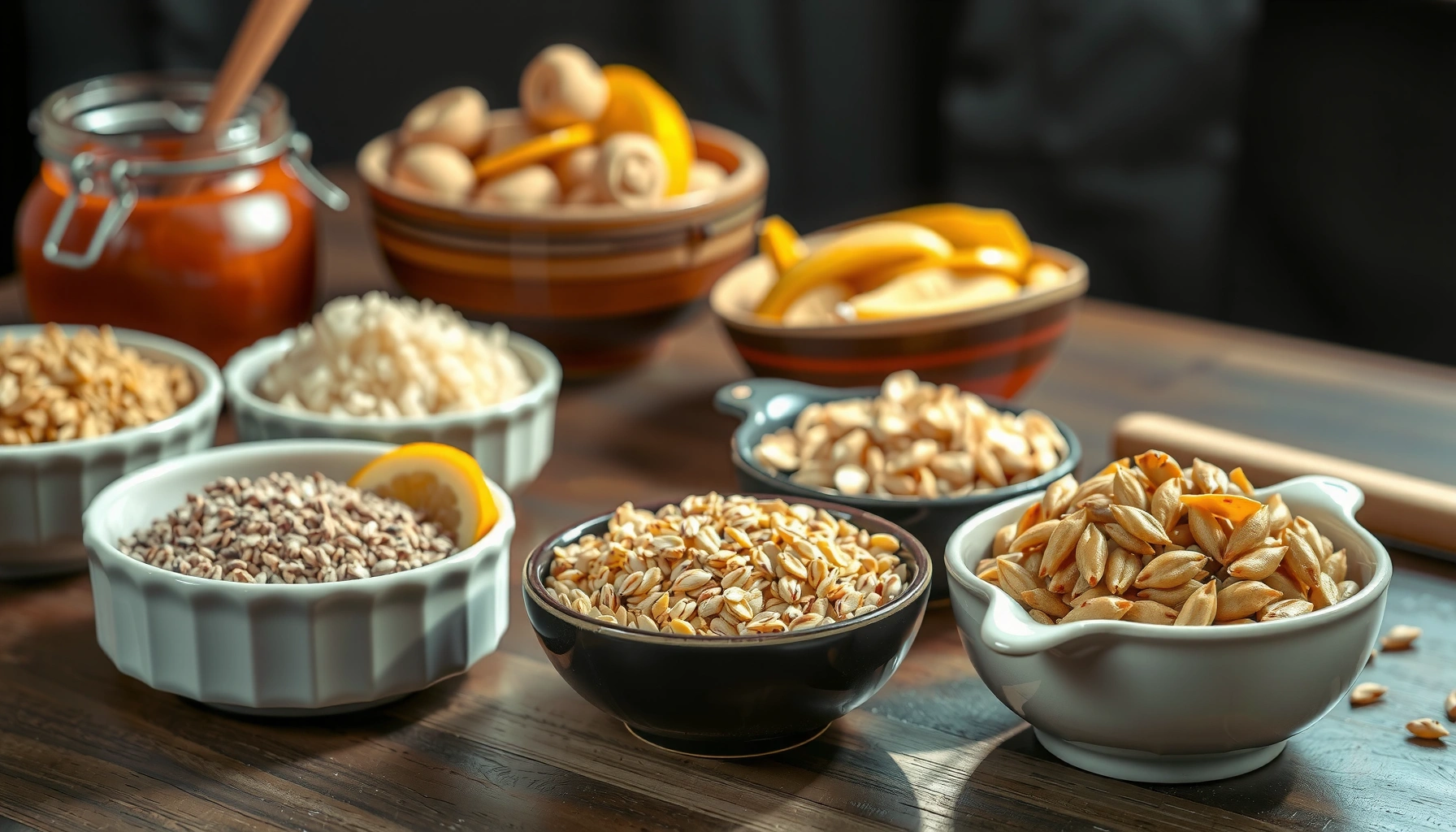
Unlike refined grains (think white bread, sugary cereals), whole grains retain all parts of the grain kernel – the bran, germ, and endosperm – which means they’re packed with fiber, vitamins, and minerals. Steel-cut oats, in particular, have a lower glycemic index than instant or rolled oats because they are less processed and take longer to digest. When selecting bread, always opt for 100% whole-wheat or whole-grain varieties and check the ingredient list to ensure they aren’t merely “brown bread” with added coloring. Quinoa, technically a seed, acts like a whole grain and makes a fantastic savory breakfast bowl base, offering complete protein alongside its fiber content.
* Load up on non-starchy vegetables such as spinach, kale, or tomatoes in your breakfast.
Non-starchy vegetables are low in calories and carbohydrates but incredibly rich in fiber, vitamins, and antioxidants. They are excellent for filling up your plate without significantly impacting blood sugar levels. Integrating them into your breakfast is easier than you might think! Sauté a handful of spinach or kale into your egg scramble, add sliced tomatoes to your whole-wheat toast, or blend a serving of greens into a protein smoothie. These vibrant additions boost your nutrient intake and contribute to the overall fiber content of your meal, helping with satiety and blood sugar management.
* Opt for berries (strawberries, blueberries) in moderation, which are lower in sugar and high in fiber.
While it’s wise to be mindful of fruit intake with diabetes, berries are an exception to embrace. Strawberries, blueberries, raspberries, and blackberries are naturally lower in sugar compared to many other fruits and are loaded with dietary fiber and powerful antioxidants. The fiber in berries helps to slow down the absorption of their natural sugars, mitigating their impact on blood glucose. Enjoy them in moderation – a small handful mixed into your Greek yogurt, oatmeal, or a smoothie provides sweetness, flavor, and a beneficial fiber boost without causing significant blood sugar spikes.
Healthy Fats for Satiety and Nutrient Absorption
Often misunderstood, healthy fats are crucial for a diabetes-friendly breakfast. They don’t raise blood sugar, contribute significantly to satiety, and play vital roles in nutrient absorption and overall health.
* Incorporate sources of monounsaturated and polyunsaturated fats like avocado, nuts, or seeds.
These “good fats” are essential for heart health, which is particularly important for individuals managing Type 2 Diabetes. Monounsaturated fats, found abundantly in avocados and olive oil, help lower bad cholesterol (LDL) and raise good cholesterol (HDL). Polyunsaturated fats, present in nuts (like almonds, walnuts), seeds (chia, flax, hemp), and fatty fish, also contribute to heart health and provide omega-3 and omega-6 fatty acids, which have anti-inflammatory properties. Adding a slice of avocado to your toast, sprinkling nuts into your yogurt, or blending seeds into your smoothie will help you feel fuller and more satisfied for longer.
* Drizzle a small amount of olive oil when cooking eggs or vegetables.
Extra virgin olive oil is a fantastic choice for cooking at breakfast. Its rich monounsaturated fat content makes it a heart-healthy alternative to butter or other less beneficial oils. When preparing your morning eggs or sautéing breakfast vegetables, a small drizzle of olive oil not only adds a lovely flavor but also contributes to the healthy fat content of your meal. Remember that even healthy fats are calorie-dense, so conscious portion control is key to enjoying their benefits without overdoing it.
* Healthy fats contribute to satiety, helping you feel fuller for longer and reducing cravings.
One of the most immediate benefits of including healthy fats in your breakfast is their impact on satiety. Fats slow down the digestive process, extending the time it takes for food to move through your stomach. This prolonged digestion keeps you feeling full and satisfied for longer periods, reducing the likelihood of mid-morning hunger pangs or unhealthy snacking. By promoting sustained fullness, healthy fats help you manage your overall calorie intake and can be a powerful ally in weight management, which is a critical aspect of Type 2 Diabetes control.
Easy & Delicious Breakfast Meal Ideas
Crafting a diabetes-friendly breakfast doesn’t have to be complicated or boring. Here are some simple yet delicious ideas that incorporate all the principles we’ve discussed:
* Classic Egg Scramble: Whisk two eggs with a splash of unsweetened almond milk and scramble them with a generous handful of fresh spinach, sliced mushrooms, and diced bell peppers. Serve with a slice of 100% whole-wheat toast (check the label for added sugars!) and a quarter of an avocado for healthy fats. Season with salt, pepper, and a pinch of your favorite herbs. This meal offers lean protein, fiber-rich vegetables, and complex carbohydrates.
* Overnight Oats: Combine ½ cup of steel-cut oats (or old-fashioned rolled oats), 1 tablespoon of chia seeds, ¾ cup of unsweetened almond milk, and a dash of cinnamon in a jar. Stir well and refrigerate overnight. In the morning, top with a ½ cup of plain Greek yogurt for extra protein and a small handful (¼ cup) of mixed berries like blueberries and raspberries. This convenient option is packed with fiber, protein, and antioxidants.
* Nut Butter Toast: Choose a slice of high-fiber, 100% whole-grain bread and toast it to your liking. Spread generously with 1-2 tablespoons of natural almond butter or peanut butter (ensure no added sugars or hydrogenated oils). Sprinkle with a dash of cinnamon for flavor and a few hemp seeds for extra omega-3s and protein. This simple meal provides healthy fats, protein, and complex carbs.
* Greek Yogurt Bowl: Start with a cup of plain, unsweetened Greek yogurt (full-fat or 2% is often more satisfying). Mix in a small handful (about 1 ounce) of walnuts or pecans for healthy fats and crunch. Add a few berries – perhaps some sliced strawberries or a small handful of blueberries – and a tablespoon of ground flaxseeds for extra fiber and omega-3s. This bowl is a protein powerhouse, rich in probiotics, fiber, and healthy fats.
What to Limit or Avoid
Just as important as knowing what to include in your diabetes-friendly breakfast is understanding what to limit or steer clear of. Making smart substitutions for these common breakfast culprits can dramatically improve your blood sugar management.
* Steer clear of sugary cereals, pastries, muffins, and sweetened yogurts.
These items are notorious for being high in refined carbohydrates and added sugars, which can cause rapid and significant spikes in blood sugar levels. Sugary cereals offer little fiber or protein to counteract their sugar load, leading to a quick energy boost followed by a crash. Pastries and muffins, often made with white flour and loaded with sugar and unhealthy fats, offer minimal nutritional value. Similarly, many flavored yogurts contain as much sugar as a dessert. Always check nutrition labels carefully and opt for plain, unsweetened versions, adding your own natural sweetness with berries or a tiny drizzle of pure maple syrup if needed.
* Limit fruit juices, sweetened coffee drinks, and other beverages high in added sugars.
While fruit is healthy, fruit juice, even 100% juice, removes much of the beneficial fiber, leaving concentrated fruit sugars that can quickly elevate blood glucose. Sweetened coffee drinks from cafes often contain multiple pumps of sugary syrups and whipped cream, transforming them into high-calorie, high-sugar bombs. Other beverages like sweetened teas and sodas are also major sources of empty calories and added sugars. Instead, make water your primary beverage. Unsweetened coffee or tea (hot or iced) with a splash of unsweetened almond milk is a much better choice, allowing you to stay hydrated without the sugar surge.
* Reduce intake of processed breakfast meats high in sodium and unhealthy fats.
Breakfast items like bacon, sausage patties, and some deli meats are often highly processed, packed with sodium, and contain unhealthy saturated and trans fats. High sodium intake can contribute to high blood pressure, a common comorbidity with Type 2 Diabetes, while excessive saturated fats can negatively impact heart health. While an occasional treat might be acceptable, making these a daily habit is not recommended. If you enjoy breakfast meats, look for leaner options like turkey bacon or chicken sausage, and consume them in moderation. Prioritize protein from eggs, plant-based sources, or dairy instead for a healthier start.
Crafting the ideal breakfast for Type 2 Diabetes doesn’t have to be complicated. By focusing on whole, unprocessed foods rich in fiber, protein, and healthy fats, you can stabilize blood sugar, manage weight, and feel energized. Remember to listen to your body and consult with a healthcare professional or registered dietitian to tailor these suggestions to your individual needs and dietary preferences, ensuring your breakfast choices support your overall health goals.
Frequently Asked Questions
What are the key components of a blood sugar-friendly breakfast for type 2 diabetes?
A balanced breakfast for type 2 diabetes primarily focuses on stable blood sugar levels. It should typically include lean protein, healthy fats, and complex carbohydrates with high fiber content. This combination helps slow down glucose absorption, promoting satiety and sustained energy throughout the morning.
How can I make my breakfast more filling and satisfying while managing diabetes?
To make your diabetic breakfast more satisfying, prioritize protein and fiber. Adding a source like eggs, Greek yogurt, or nuts, along with high-fiber options such as berries, chia seeds, or whole-grain oats, can significantly increase satiety. These components help you feel fuller for longer, reducing the likelihood of mid-morning cravings and subsequent blood sugar spikes.
Why is protein important in a diabetic breakfast?
Protein is crucial in a diabetic breakfast because it has a minimal impact on blood glucose levels compared to carbohydrates. It helps slow down digestion and the absorption of glucose, which prevents sharp blood sugar spikes after eating. Furthermore, protein promotes satiety, helping to manage appetite and support weight management, which is beneficial for type 2 diabetes.
Which common breakfast foods should I limit or avoid with type 2 diabetes?
For individuals with type 2 diabetes, it’s best to limit or avoid highly processed breakfast foods rich in refined carbohydrates and added sugars. This includes sugary cereals, pastries, muffins, sweetened yogurts, fruit juices, and white bread, as these can cause rapid blood sugar spikes. Opting for whole, unprocessed foods is always the healthier choice.
What are some quick and easy breakfast ideas for busy mornings that won’t spike my blood sugar?
For busy mornings, try quick and easy options like a hard-boiled egg with a slice of whole-grain toast and avocado, or a small bowl of plain Greek yogurt with a few berries and a sprinkle of nuts. Another excellent choice is a chia seed pudding made with unsweetened almond milk and a touch of cinnamon, prepared the night before. These choices are designed to be convenient, delicious, and blood sugar-friendly for managing type 2 diabetes.
References
- https://diabetes.org/healthy-living/recipes-nutrition/meal-planning/diabetes-meal-plans
- https://www.cdc.gov/diabetes/managing/eat-well.html
- Healthy Living with Diabetes – NIDDK
- Diabetes diet: Create your healthy-eating plan – Mayo Clinic
- https://www.health.harvard.edu/diseases-and-conditions/type-2-diabetes-diet-food-list
- https://www.nhs.uk/conditions/type-2-diabetes/eating-well/
- https://health.clevelandclinic.org/what-to-eat-when-you-have-type-2-diabetes/
- https://www.uchealth.org/en/conditions/diabetes/diabetes-friendly-recipes/
- Page Not Found | Utah State University