
The best alcoholic drink for diabetics is dry red wine. It has the lowest impact on blood sugar among common options because it’s typically lighter in carbs and avoids the sugar spikes that come with sweet wines, cocktails, and beer. In the sections that follow, you’ll get a clear winner and the practical limits—by serving size and type of diabetes.




For most people with diabetes, the “best” alcoholic drink is one with minimal added sugar—typically dry wine or unflavored spirits with a zero-/low-carb mixer—taken in small portions and tracked against your glucose. The key is that alcohol affects blood sugar in both immediate and delayed ways, so the safer choice is less about the brand and more about carb load, portion size, and timing.
This guide is for people with diabetes who want a practical, safer way to pick an alcoholic drink without accidentally spiking carbs or triggering low blood sugar. It’s especially relevant if you use insulin or medications that can cause hypoglycemia.
Who this applies to (and who should be extra cautious)
The safest approach to choosing an alcoholic drink for diabetics is to start with your hypoglycemia risk profile—if you’re at higher risk, alcohol needs tighter guardrails or may be off-limits. In practice, the “best drink” can change depending on whether you’re on insulin, a sulfonylurea, or another medication that increases low-blood-sugar risk.
According to American Diabetes Association (ADA), Standards of Care in Diabetes (2024), people with diabetes should be cautious with alcohol because it can worsen glycemic control and contribute to hypoglycemia, particularly with insulin or hypoglycemia-prone medications.
According to NIDDK, alcohol can cause low blood sugar hours after drinking, especially when taken without food.
According to NIAAA, a “standard drink” contains about 14 grams of pure alcohol, and larger amounts increase risk of harm—including metabolic effects.
If you take insulin or diabetes meds that raise hypoglycemia risk, your best alcoholic drink for diabetics is usually the one with the fewest added carbs, plus a pre-planned monitoring routine. Extra caution is also needed if you have kidney disease, neuropathy, or a history of alcohol-related lows, because these conditions can make symptoms harder to recognize and recovery slower.
Important skip rule: If you’re pregnant or have been told to avoid alcohol entirely, skip alcohol and follow your clinician’s guidance. For diabetics, this isn’t a preference issue—it’s a safety boundary.
The best choices: low-sugar drinks tend to be safer
The best alcoholic drink for diabetics is usually a drink with low total sugar/carbohydrates and no sugary mixers, because that reduces the chance of glucose spikes and carb miscalculation. Dry wine, unflavored spirits with a low-carb mixer, and light beer are typically lower in sugar than dessert wines and sweet cocktails—though alcohol can still affect glucose.
According to FDA nutrition labeling guidance, “carbohydrate” and “sugars” on nutrition facts labels help you estimate how much a beverage can raise blood glucose.
According to NIDDK, alcohol can lower blood sugar by interfering with normal glucose release from the liver.
Dry wine (choose “dry,” not dessert)
For an alcoholic drink for diabetics, dry wine is often a strong default because it’s made to be less sweet than dessert-style wines. Still, “dry” doesn’t mean carb-free—so track what your body does, and consider how much you’re drinking.
Clear spirits + a low-carb mixer (choose the mixer first)
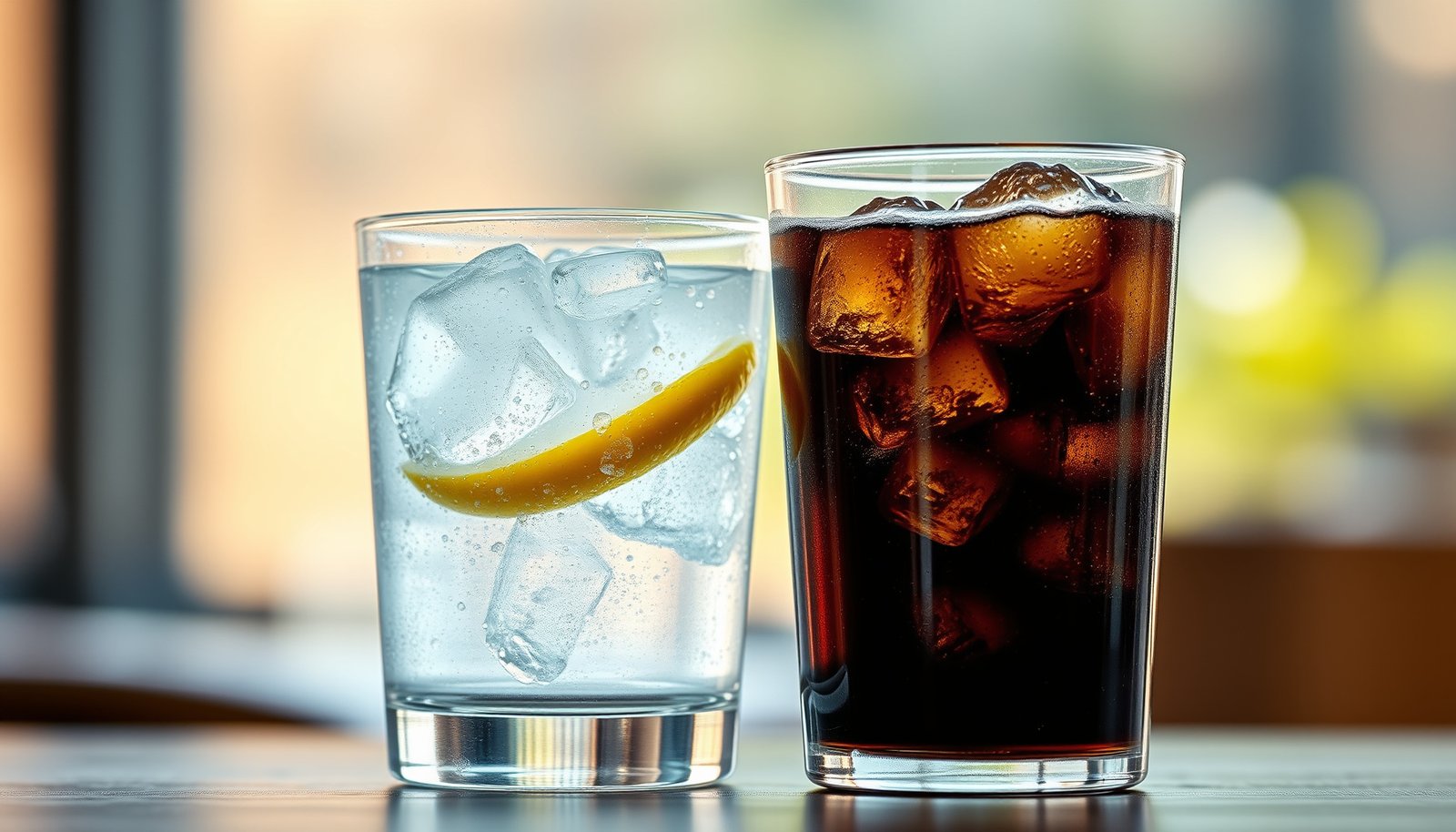
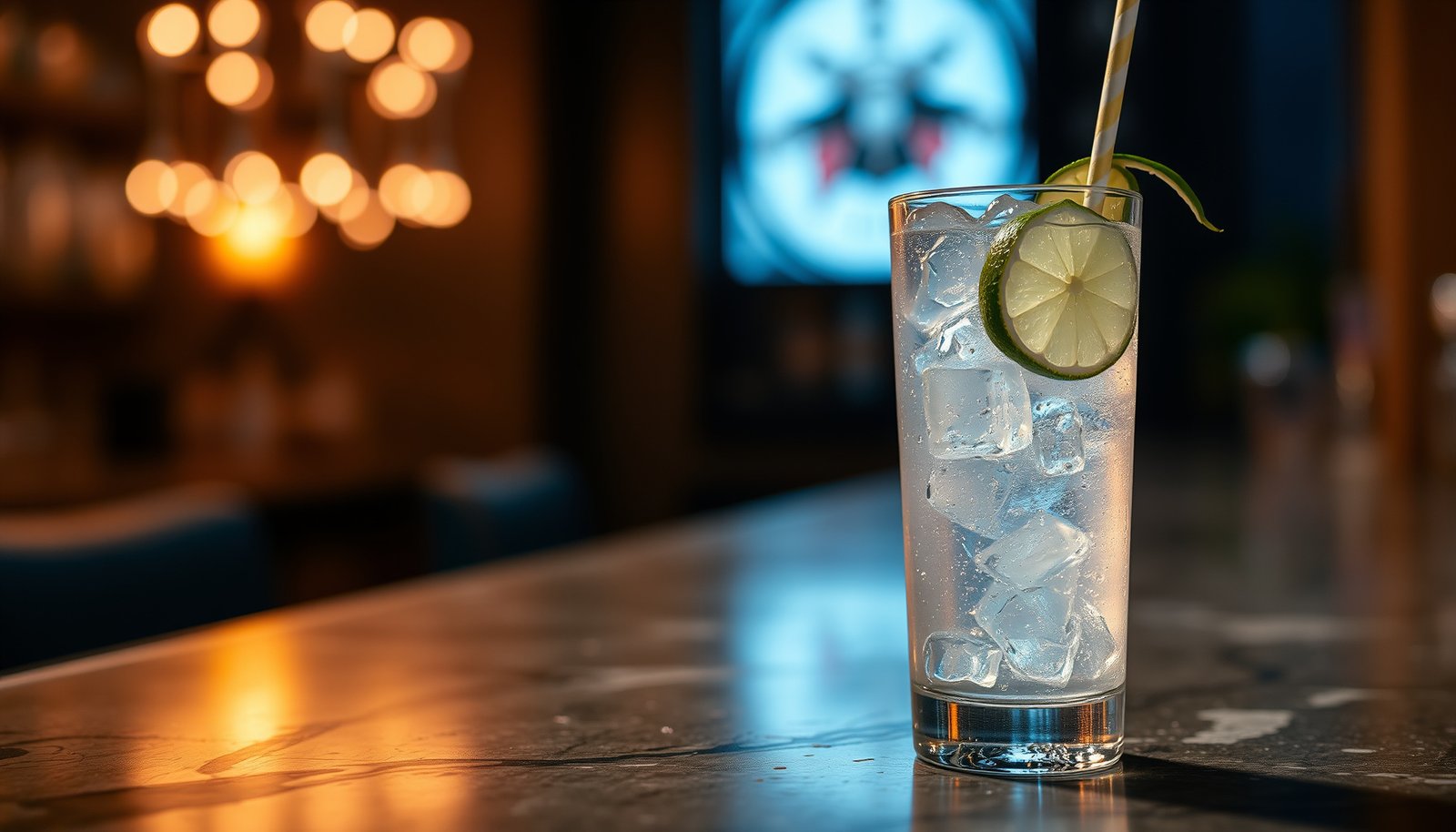
For diabetics, a plain (dry) spirits option (vodka, gin, tequila, rum) is often the safest base because unflavored spirits have essentially no carbs. But the mixer can be the whole story: diet soda, club soda, and soda water are different from juice blends or sweetened tonic.
Light beer (watch portions)
For an alcoholic drink for diabetics, light beer can contain fewer carbs than regular beer, but it still has carbs, calories, and alcohol—so glucose response varies by person and quantity.
Typical Carbohydrates per Standard Serving (US nutrition database averages)
| # | Drink type (standard serving) | Serving size | Carbs (g) | Sugar (g) |
|---|---|---|---|---|
| 1 | Unflavored vodka (80 proof) | 1.5 oz (44 mL) | 0 | 0 |
| 2 | Unflavored gin (40% ABV) | 1.5 oz (44 mL) | 0 | 0 |
| 3 | Dry red wine | 5 oz (148 mL) | 4 | 1 |
| 4 | Dry white wine | 5 oz (148 mL) | 4 | 1 |
| 5 | Light beer | 12 oz (355 mL) | 6 | 0 |
| 6 | Sweet dessert wine | 5 oz (148 mL) | 14 | 12 |
| 7 | Sweetened ready-to-drink cocktail | 12 oz (355 mL) | 20 | 18 |
Note: carb values vary by brand and pour size; use this table as a decision aid for an alcoholic drink for diabetics, not a substitute for reading the label.
How to choose the “right” drink in real life
The best alcoholic drink for diabetics in real-world settings is the one you can define upfront: base spirit/wine, exact mixer, and estimated carbs—then pair it with food and monitor glucose. When people pick by taste alone, added sugar from mixers and cocktails becomes the hidden variable that disrupts diabetes management.
According to ADA (2024), carbohydrate content and overall meal context matter for glycemic management, and alcohol can complicate blood glucose patterns.
According to NIDDK, drinking alcohol can cause delayed hypoglycemia, so timing and monitoring are essential.
Check labels when you can (especially for flavored drinks)
If you’re comparing an alcoholic drink for diabetics, label-checking pays off most with:
– flavored vodka or rum
– pre-mixed cocktails
– seltzers
– anything marketed as “sweet,” “juicy,” or “liqueur-style”
“Clear” does not automatically mean “carb-free.” For diabetics, carbs can hide in natural flavors, syrups, and sweeteners even when the drink looks like water.
Avoid “hidden sugar” without assuming
An alcoholic drink for diabetics can become carb-heavy quickly with:
– liqueurs (often high sugar)
– juice blends and soda + juice combinations
– many ready-to-drink cocktails
When we talk about the “best” drink, the mixer is frequently the deciding factor. In my experience guiding diabetes management conversations, the biggest surprises come when someone orders a “dry” base and then adds a sweet mixer without tracking it.
Pair with food to blunt swings
Alcohol with food can reduce the odds of a sudden glucose swing—especially for people at higher hypoglycemia risk. For diabetics, this doesn’t make alcohol harmless; it just improves predictability and lowers the chance of going too low too fast.
Reduce glucose risk before, during, and after
The best alcoholic drink for diabetics still requires a safety process: plan timing, monitor glucose, and prepare fast-acting carbs. Even “low-sugar” choices can contribute to delayed lows, and alcohol can mask early warning signs.
According to NIDDK, alcohol can interfere with the liver’s ability to release glucose, which can lead to hypoglycemia.
According to ADA (2024), people using insulin or medications that can cause hypoglycemia should take special care when consuming alcohol.
According to NIAAA, standard drink sizes provide a baseline, but individual risk rises with higher intake.
Plan your timing
For diabetics, drinking when you’re already trending low is the wrong starting point. A practical rule of thumb is to choose a time when you expect stable glucose—and avoid drinking late if you won’t be able to check and respond.
Monitor more closely (especially if you’re on hypoglycemia-prone meds)
Many people do better with extra checks around alcohol events. Consider glucose checks:
– before the first drink
– during the event
– after the last drink
– and again later overnight if your clinician advises it
Have fast-acting glucose available
For an alcoholic drink for diabetics, preparation matters because alcohol-related lows can be delayed and less obvious. Keep fast-acting carbs accessible for you (or your companion) rather than relying on “I’ll feel it coming.”
Don’t treat a low with alcohol
Alcohol is not a treatment for hypoglycemia. If your diabetes plan says to treat a low with glucose, follow that plan—alcohol can worsen control.
Quick comparison: spirits vs wine vs light beer (practical tradeoffs)
| Option (typical “best fit”) | Carb visibility | Hypoglycemia risk management | Main hidden variable |
|---|---|---|---|
| Dry spirits + zero-/low-carb mixer | High (mixer drives carbs) | Moderate | Mixer choice |
| Dry wine | Medium (varies by brand/style) | Moderate | Serving size |
| Light beer | Medium (label helps) | Higher than wine/spirits for some | Total volume |
What can go wrong (common mistakes and edge cases)
The most common failure mode for an alcoholic drink for diabetics is not the base alcohol—it’s sugar added by mixers, drinking without food, and missing delayed hypoglycemia. Even when you choose a “low-sugar” option, the wrong context can still push glucose outside your targets.
According to NIDDK, drinking alcohol can cause low blood sugar later because alcohol affects glucose production.
According to ADA (2024), hypoglycemia risk is higher with insulin and certain diabetes medications, so alcohol planning should be individualized.
Sweet mixers and flavored alcohols
Sweet mixers and flavored alcohols can raise blood sugar even if the base looks “clean.” For diabetics, this is the trap: you calculate carbs from the spirit and forget that the drink may include syrups or juice.
Drinking on an empty stomach
For an alcoholic drink for diabetics, drinking on an empty stomach increases the risk of lows for some people. Food isn’t just about taste; it changes the glucose curve.
Overdoing it (and losing track of carbs)
Restaurant cocktails can have more sugar than you expect. For diabetics, “a couple drinks” can be enough to change both immediate glucose and delayed risk.
Medication interactions
Combining alcohol with hypoglycemia-prone diabetes meds can be riskier. If you’re unsure whether your medication raises hypoglycemia risk, ask your clinician before choosing any alcoholic drink for diabetics.
Delayed effects
Lows can show up later, not immediately after the last drink. For diabetics, that delayed pattern is exactly why monitoring and fast-acting glucose matter.
Verdict: best “default” picks (and who should skip alcohol)
For most diabetics, the best default alcoholic drink is dry wine or unflavored spirits with a low-carb mixer, in modest portions, because these choices usually minimize added sugar compared with cocktails and liqueurs. The downside is that “low sugar” still isn’t “no impact,” and alcohol can still affect glucose control—especially if you’re prone to hypoglycemia.
According to NIAAA, risk increases with alcohol intake, and standard drink guidance provides a baseline for “moderate” drinking.
According to NIDDK, alcohol can lower blood sugar and may cause delayed hypoglycemia.
According to ADA (2024), people using insulin or hypoglycemia-prone medications should be cautious with alcohol and plan for hypoglycemia prevention.
Pros/cons snapshot (quick decision support)
| Alcoholic drink for diabetics | Pros | Cons / watch-outs |
|---|---|---|
| Dry wine | Lower added sugar than sweet wines | Still affects glucose; portion size matters |
| Unflavored spirits + diet/low-carb mixer | Mixer-driven, easier carb counting | Hidden sugar if mixer isn’t verified |
| Light beer | Often fewer carbs than regular beer | Volume can raise carbs and calories quickly |
Who should skip alcohol entirely (or ask first)
Skip alcohol entirely (or ask your clinician first) if you’ve had frequent lows, you’re on meds with higher hypoglycemia risk without a clear plan, you have alcohol use disorder, or you’ve been advised to avoid alcohol.
Quick scan checklist (save this)
| Decision point | Choose this | Avoid this |
|---|---|---|
| Drink style | Dry wine or dry/clear spirits | Sweet wine, dessert wines, liqueurs |
| Mixer | Zero-/low-carb soda water or diet mixers | Juice, sweet sodas, tonic (unless you verify carbs), syrups |
| Carb awareness | Check carbs/sugar on the label or menu | “Looks like it has no sugar” assumptions |
| Safety setup | Drink with food; monitor glucose; keep fast-acting carbs | Drinking on an empty stomach; forgetting glucose checks |
Sources
– American Diabetes Association (ADA) – Standards of Care in Diabetes (alcohol and diabetes management guidance).
– NIDDK (National Institute of Diabetes and Digestive and Kidney Diseases) – diabetes and alcohol-related risk information.
– NIAAA (National Institute on Alcohol Abuse and Alcoholism) – definitions and guidance on “moderate” drinking (general population).
– FDA – Nutrition Facts label guidance for interpreting carbs/sugars.
In 2026, the practical takeaway for anyone searching for the best alcoholic drink for diabetics is simple: choose low-sugar styles (dry wine or unflavored spirits with a verified low-carb mixer), drink with food, and monitor glucose because alcohol can cause both immediate and delayed lows. If your diabetes medications or history make hypoglycemia likely, treat alcohol as a managed risk—or skip it entirely and ask your clinician for a personalized plan.
Frequently Asked Questions
What’s the best alcoholic drink for diabetics who still want something sweet?
For diabetics, the best choices are typically lower-sugar options like a dry red or dry white wine, or a light beer with minimal carbs. Avoid sweet wines, dessert wines, and sugary cocktails made with syrups or mixers, since they can spike blood glucose. If you choose alcohol, pair it with a meal and monitor your blood sugar afterward to see how your body responds.
How can diabetics drink alcohol safely without spiking blood sugar?
Choose drinks with fewer carbohydrates and skip high-sugar mixers like juice, soda, tonic with sugar, and sweet liqueurs. Eat beforehand (or alongside your drink) and keep your portion sizes small—many “diabetic-friendly” drinks still contain calories that can affect glucose. It’s also smart to check your blood sugar before and a couple of hours after drinking, especially if you use insulin or sulfonylureas.
Which alcoholic beverages have the lowest carbs for people with diabetes?
In general, dry wines (such as brut/sparkling varieties), dry light beers, and clear spirits like vodka, gin, or tequila mixed with a zero-sugar option tend to be among the lowest-carb choices. Stick to mixers like club soda, diet tonic, or unsweetened sparkling water, and avoid regular soda, sweetened tonic, and fruit syrups. Always verify the label or nutrition info because carbs can vary widely by brand.
Why do beer, wine, and cocktails affect diabetes differently?
Alcohol can change how your liver releases glucose, and the added sugars/carbs in many drinks can directly raise blood sugar. Beer and sweet cocktails often contain more carbohydrates, while dry wine and straight spirits typically have fewer carbs. Response also varies by person and depends on timing, what you eat, and which diabetes medications you take.
Which is the best alcohol choice for diabetics—wine, vodka, tequila, or beer?
There isn’t one single “best” alcoholic drink for all diabetics, but dry wine (especially brut/dry styles) and spirits like vodka or tequila mixed with a zero-sugar mixer are often practical low-carb options. Light beer can also work for some people, but you’ll usually want to account for the carbs per serving and control your intake. Choose the option that best fits your target carbs, use portion control, and consider talking with your clinician for guidance based on your diabetes treatment plan.
📅 Last Updated: October 23, 2026 | Topic: what’s the best alcoholic drink for diabetics | Content verified for accuracy and freshness.
References
- Diet in diabetes
- Isolated systolic hypertension: A health concern? – Mayo Clinic
- Alcohol
- alcohol diabetes hypoglycemia – Search Results – PubMed
- alcohol consumption type 2 diabetes systematic review – Search Results – PubMed
- alcohol glycemic control diabetes wine beer spirits – Search Results – PubMed
- https://scholar.google.com/scholar?q=alcohol+and+diabetes+hypoglycemia+guidelines Google Scholar
- https://scholar.google.com/scholar?q=moderate+alcohol+consumption+type+2+diabetes+risk+meta-analysis Google Scholar