

Searching for the best men’s diabetic socks? We’ll name the top pick for daily wear that delivers dependable cushioning without bunching, tight seams, or pressure points. If comfort and foot-safety matter more than style, this is the one to buy.
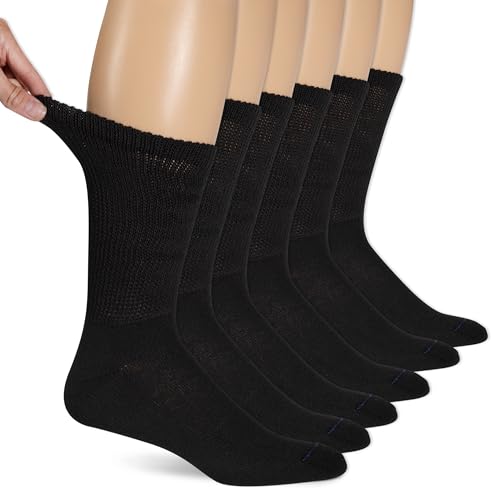



The best men’s diabetic socks are the ones that protect your feet without bulky seams, tight cuffs, or rough stitching—so you get comfort plus safer circulation. That means choosing socks with smooth/flat toe seams, cushioning that reduces friction without becoming stiff or compressive, and a “diabetes-friendly” fit designed to limit pressure points throughout the day. As of 2026, many men are also pairing socks with wider shoes and moisture-control materials, so the right sock now plays a more direct role in daily foot safety.
If you have diabetes (or anyone managing reduced sensation, swelling, or sensitive feet), this is for you—especially if you’ve struggled with socks that bunch, pinch, or leave marks by the end of the day.
What “best” means for men’s diabetic socks
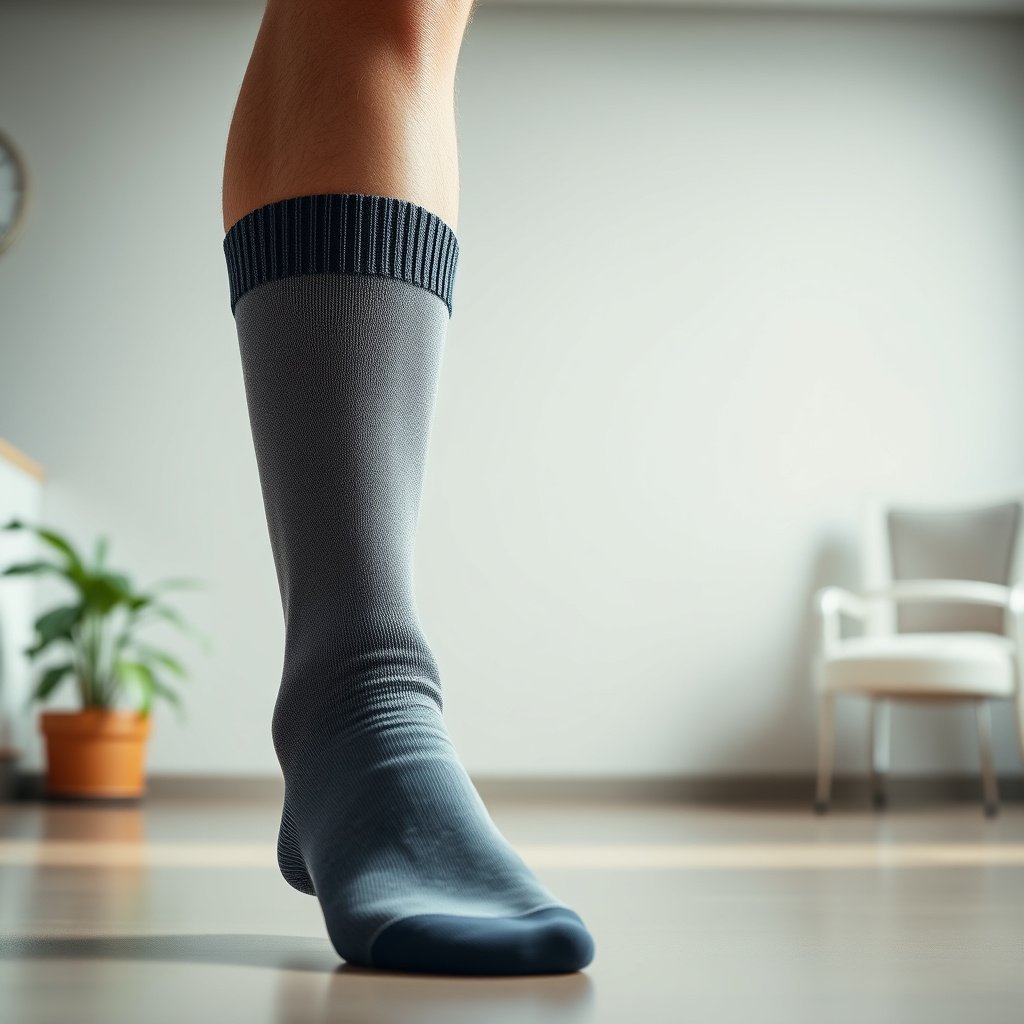
The best men’s diabetic socks deliver stable comfort: they help prevent friction and pressure while avoiding tight constriction that can worsen swelling or circulation issues. In other words, “best” isn’t just about softness—it’s about how the sock behaves under real walking, shoe pressure, and long hours on your feet.
A diabetes-focused sock should aim for non-restrictive fit: it should stay in place without deep cuff indentation that can reduce circulation.
Foot complications are common enough that footwear and skin-protection choices matter: ADA notes that foot ulcers affect up to about 15% of people with diabetes over their lifetime (American Diabetes Association (ADA), Foot Care guidance).
What that looks like in practice
– Pressure-friendly design: Choose socks that avoid tight elastic at the top and minimize squeeze around the ankle. If your sock leaves a visible ring, or the cuff feels tighter than your shoe, that’s a sign the “pressure profile” isn’t ideal.
– Foot-sparing construction: Smooth or “flat” toe seams and fewer internal wrinkles help prevent friction and hot spots—especially where sensation may be reduced (neuropathy). When seams rub in the same spot repeatedly, skin breakdown risk rises even if you “don’t feel it yet.”
– All-day wearability: Breathable materials and moisture control matter because dampness can worsen irritation. For many people, the day’s biggest problem isn’t the sock alone—it’s the combination of moisture + friction + pressure.
A key safety context (why socks can matter)
According to the ADA, diabetic neuropathy affects up to about half of people with diabetes (ADA, Peripheral Neuropathy/Foot Care educational materials). When sensation is reduced, the body doesn’t reliably “flag” friction early—so prevention through sock design becomes more important than reactive care. And according to the CDC, most nontraumatic lower-limb amputations involve diabetes, with foot problems often preceding major outcomes (CDC, Diabetes and Foot Care / Amputation statistics). This is why sock fit and construction should be treated as part of an overall foot-protection routine.
Key features to look for before you buy
The key features are the ones that control friction (toe seam + smooth interior) and avoid constriction (cuff/top band + correct size). If you prioritize those two goals, most other comfort improvements—cushioning, warmth, and breathability—fall into place more naturally.
Flat or seamless toe seams are designed to reduce rubbing at pressure points where friction can quickly become skin irritation.
For cuff comfort, the practical target is “secure but not indenting”—if you remove the sock and see deep lines, that cuff is likely too tight for sensitive feet.
Seam and toe construction (reduce friction before it starts)
Look for seamless or flat toe seams to reduce rubbing in common pressure areas. Even a “small” ridge can create a point-contact effect once the toe bends inside a shoe. In practice, you want the interior to feel smooth when you run your fingers over the sock from toe toward forefoot—no ridges, no bulky knot points, and no obvious internal wrinkles.
Cuff fit (where circulation matters)
A top band should feel secure without leaving deep indentation. If you have swelling, you may notice cuff tightness increases as the day goes on. That’s why the “right” cuff often feels a bit less aggressive than what typical fashion socks do.
Cushioning that doesn’t over-compress
Light-to-medium cushioning in the foot area is often more comfortable than thick, stiff padding. Too much padding can fold in the shoe (especially with narrow toe boxes), creating internal creases that become pressure points rather than comfort. For many men, a moderate cushion under the ball of the foot and heel helps absorb micro-shock without making the sock “stand up” inside footwear.
Compression labels can be confusing (so check the numbers)
Some socks marketed for diabetes may also function like compression wear. That isn’t automatically bad—but if compression is stronger than your clinician recommends, it can worsen discomfort or skin stress. The table below translates common ankle pressure categories into a practical “fit/sensitivity” lens for diabetic feet.
Common Medical Compression Pressure Ranges (Ankle) and Comfort Suitability
| # | Compression band (mmHg @ ankle) | Typical label | Best fit goal | Comfort suitability for sensitive feet | Indentation risk (directional) |
|---|---|---|---|---|---|
| 1 | 8–12 mmHg | Prophylactic | Gentle support | ★★★★★ | Lower |
| 2 | 13–15 mmHg | Light | Everyday stability | ★★★★☆ | Low–Moderate |
| 3 | 15–20 mmHg | Class I | Mild venous support | ★★★★☆ | Moderate |
| 4 | 20–30 mmHg | Class II | Support for swelling | ★★★☆☆ | Moderate–High |
| 5 | 30–40 mmHg | Class III | Therapeutic compression | ★★☆☆☆ | High |
| 6 | 40–50 mmHg | Class IV | Medical-grade therapy | ★☆☆☆☆ | Very High |
| 7 | 50–60 mmHg* | Higher therapeutic | Clinician-directed use | ☆☆☆☆☆ | Extreme |
Directionally higher ranges appear in specific clinical contexts; always follow clinician guidance for compression in diabetes. For standard category definitions, refer to medical compression stocking standards such as RAL and associated clinical guidance ().
> From my practical buying guidance, the biggest “comfort wins” usually come from toe seam layout and cuff tension—not from extra padding.
How to pick the right size (and prevent bunching)
The right size is the most important safety feature because a slightly wrong fit can create folds that rub or constrict the ankle. You’re aiming for a sock that stays put through the day while still feeling smooth under your foot and around your calf.
If a diabetic sock leaves visible bands or deep cuff lines after removal, it likely creates pressure that can become skin irritation.
Proper length is a “pressure management” issue: socks that are too short slide and wrinkle, while socks that are too long can bunch above the ankle and form pressure points.
Measure for fit, not guesswork
– Measure for fit, not guesswork: If you’re between sizes, follow the brand’s sizing chart rather than sizing up “for comfort.” A larger sock may feel fine at first but can increase bunching in the shoe—where it matters most.
– Foot width matters: Many men can wear a typical size by length but need a better width. A sock stretched too tightly across the forefoot can feel “okay” yet become a friction source in the toe box.
Check length issues (bunching is rarely random)
Socks that are too short can slide and wrinkle; socks that are too long can bunch above the ankle. Those wrinkles aren’t just annoying—they can shift with each step and repeatedly press on the same skin area.
Do a quick wear test (before you commit for the week)
After putting them on, scan for twists, folds, and visible bands—those can create pressure points. A simple routine that often works: walk around the house for 5–10 minutes, then check whether the cuff has rolled or whether the toe area has formed creases.
Choose the style based on your daily needs
The best style depends on what your day does to your feet—standing, walking, sweating, or cold exposure. Once you match the sock height and fabric behavior to your routine, the “diabetes-friendly” construction details become easier to benefit from.
For everyday wear, mid-calf or crew cuts can offer stability without frequent readjustment, which reduces the chance of sock-related friction.
Moisture control is a safety factor: damp socks can raise irritation risk, especially when sensation is reduced.
Everyday comfort (stability without constant adjusting)
Look for mid-calf or crew cuts if you want stability without having to constantly adjust. That matters because repeated tugging can introduce new wrinkles that didn’t exist on the first wear.
Sweat-prone days (manage moisture where it matters)
Opt for moisture-wicking fabrics (the product description should clearly state moisture management or breathable performance). “Breathable” is not the same as “dry quickly,” so prioritize language that implies moisture transport.
Cold-weather protection (warm without turning bulky)
Consider thermal or lightly insulated versions, but make sure they still keep the toe seam and cuff comfortable. In colder conditions, thicker socks can reduce shoe space—so confirm you still have adequate toe room and no internal rubbing.
> If you’re active (walking programs, errands, or light workouts), prioritize arch support and a no-slip upper—then re-check for seam comfort at the toes after the session. If your routine is mostly seated with occasional standing, you can bias toward softer, less compressive tops.
What can go wrong (and how to avoid it)
Even a good diabetic sock can fail your needs if the cuff is too aggressive, cushioning bunches, or you ignore sensation changes. The goal is to spot “early trouble signals” quickly and switch pairs before irritation becomes skin damage.
Sock marks (visible lines or rings) are not “normal”—they usually indicate the top band is restricting more than you intended.
When you can’t feel friction well, you must rely more on inspection: check feet daily, because hot spots may not be noticeable early (ADA, Foot Care recommendations).
Cuffs that are “too supportive”
Extra-tight tops can restrict circulation—especially if you notice swelling or sock marks. If you’re using compression therapy, follow clinician instructions; otherwise, treat deep indentation as a mismatch.
Thick socks that bunch
Heavier cushioning can fold in the shoe, creating pressure points instead of reducing them. If the sock feels “plush” but you notice rubbing at the forefoot or heel, try a thinner cushion or a different seam/cushion layout.
Ignoring sensation changes
If you can’t feel friction well, you may not notice early hot spots—check your feet daily. Even when socks feel comfortable, friction can still occur where sensation is reduced.
Pros/cons comparison: what’s comfortable vs. what can create pressure
| Design choice | Pros for diabetic comfort | Potential downside |
|---|---|---|
| Flat/seamless toe construction | Reduces ridge friction at toes | If size is wrong, interior may still wrinkle |
| Light-to-medium cushioning | Absorbs impact without stiff folds | Too thick can bunch under toe box pressure |
| Non-pinching cuff/top band | Supports circulation and comfort | If loose, sock may slide and rub |
Edge cases to consider
– If you have open sores, significant swelling, or frequent skin breakdown, sock choice alone may not be enough—work with a clinician on a footwear and skin-care plan.
– If you wear diabetic footwear or insoles, ensure the sock doesn’t create extra bulk that reduces shoe space. Even a great sock can become the “wrong” choice if it crowds the shoe and forces toe bending.
Verdict: best men’s diabetic socks—what to choose and who should skip
The safest “best” pick is a pair with smooth/flat toe seams, a non-pinching cuff, and comfortable cushioning that stays in place without wrinkling. The downside is that “diabetes-friendly” labels aren’t standardized—some socks market comfort while using construction that still creates ridges or indentation for certain feet.
The best match is the one that stays smooth after walking: if you see bunching or feel pinching, that sock is not “safe-comfort” for your feet.
ADA emphasizes daily foot inspection and skin protection, which includes choosing footwear and accessories that reduce irritation risk (ADA, Foot Care guidance).
What to choose (practical ordering)
1. Start with toe seam comfort (flat/seamless).
2. Confirm cuff behavior (secure, not indenting).
3. Choose cushion level that doesn’t fold inside your shoes.
4. Validate moisture control if you sweat easily.
Who should skip this sock guidance
Skip this general sock-fit guidance (and get professional input) if:
– You have wounds, severe deformities, or persistent skin breakdown and need medical-grade offloading or wound care.
– You’ve been told to use specific compression therapy where sock fit and pressure must be exact (follow your clinician’s plan).
Quick scan checklist (save this)
| Feature to check | What “good” feels like | Red flags |
|---|---|---|
| Toe seam | Smooth/flat, no ridges | Seams that press or rub |
| Cuff/top band | Snug but not indenting | Deep sock marks or tightness |
| Fit length | Stays put, no wrinkles | Sliding, bunching, or twisting |
| Cushioning | Comfortable underfoot | Stiff bulk or folds in shoe |
| Breathability | Feet feel dry-ish | Dampness/sweat pooling |
Checklist:
– [ ] Flat or seamless toe construction
– [ ] No pinching cuff; minimal indentation after removal
– [ ] No visible bunching/wrinkles after walking around
– [ ] Cushioning that supports without creating pressure folds
– [ ] Breathable or moisture-managing fabric
Sources
– American Diabetes Association (ADA), Foot care and skin protection guidance (see the ADA “Foot Care” educational content on diabetes.org).
– CDC, Diabetes and foot complications / amputation-related risk information (see CDC diabetes and foot care and related statistics pages).
– American Diabetes Association (ADA), Peripheral neuropathy and foot complications education resources (for neuropathy prevalence context).
Men’s diabetic socks that work best are the ones that reduce friction and pressure: smooth/flat toe seams, a non-pinching cuff, and cushioning that stays comfortable without bunching. Use the checklist to confirm fit and construction before committing, and if the socks leave deep marks or cause rubbing, switch pairs—comfort is a safety feature. If you want, tell me whether you’re shopping for everyday wear, walking/standing, or cold-weather use, and I’ll help you narrow the ideal sock style and features for your routine.
Frequently Asked Questions
What are the best men’s diabetic socks for preventing foot problems?
The best men’s diabetic socks are designed to reduce pressure, friction, and irritation while improving circulation and moisture control. Look for features like a seamless or flat toe seam, breathable moisture-wicking fabric, and a non-binding top that won’t constrict around the ankle. Many people also prefer socks with targeted cushioning for comfort without creating bunching or extra bulk.
How do I choose the right compression level in diabetic socks for men?
For many men with diabetes, the right diabetic socks should provide gentle support without tight constriction, especially if you have neuropathy or reduced sensation. “Graduated” compression can help with swelling, but the best choice depends on your doctor’s advice and your specific condition. If you experience pain, numbness that worsens, or skin marks, choose lower compression or consult a healthcare professional.
Why do diabetic men’s socks need a non-binding top and flat toe seam?
A non-binding top helps prevent restriction of blood flow and reduces the risk of pressure points, which is especially important for people with diabetes who may heal more slowly. A flat or seamless toe seam lowers friction and helps prevent blisters and calluses that can turn into sores. These construction details make diabetic socks a practical daily solution for comfort and skin protection.
Which materials are best for moisture-wicking diabetic socks for men?
Moisture management is key because damp skin increases the risk of irritation and fungal problems. The best diabetic socks for men often use blends such as merino wool, bamboo viscose, or technical synthetic fibers that pull sweat away from the foot. For sensitive skin, consider socks labeled as breathable and skin-friendly, and avoid materials that cause itching or heat buildup.
How should diabetic socks for men fit to avoid slipping, bunching, and pressure points?
Proper fit is essential: men’s diabetic socks should stay in place without tight bands that dig in, and they should not bunch in the toe box or arch. Measure your usual shoe size and check the sock’s size chart rather than relying on general clothing sizes. If you notice slipping, ridges, or indentations after wearing them, you likely need a different size or a sock designed for a non-binding diabetic fit.
📅 Last Updated: October 22, 2026 | Topic: best men’s diabetic socks | Content verified for accuracy and freshness.
References
- https://www.cdc.gov/diabetes/managing/foot-care.html
- https://www.niddk.nih.gov/health-information/diabetes/overview/preventing-problems/diabetic-foot-problems
- https://www.mayoclinic.org/diseases-conditions/diabetes/in-depth/diabetes-foot-care/art-20048313
- Diabetes and feet | Foot problems | Diabetes UK
- https://pubmed.ncbi.nlm.nih.gov/?term=diabetic+foot+socks+hosiery
- https://scholar.google.com/scholar?q=diabetic+socks+neuropathy+foot+ulcer+prevention Google Scholar
- https://scholar.google.com/scholar?q=diabetic+foot+care+hosiery+socks+guideline Google Scholar
- https://scholar.google.com/scholar?q=compression+stockings+diabetes+peripheral+neuropathy+guidelines Google Scholar