
Looking for the best instant coffee for diabetics, with low sugar and minimal blood-sugar impact? We’ll name the top pick based on real-world nutrition labels and explain exactly what to look for—grams of sugar per serving, added sweeteners, and how much caffeine you can handle. You’ll also get clear guidance on choosing the safest options whether you take it black or with milk.
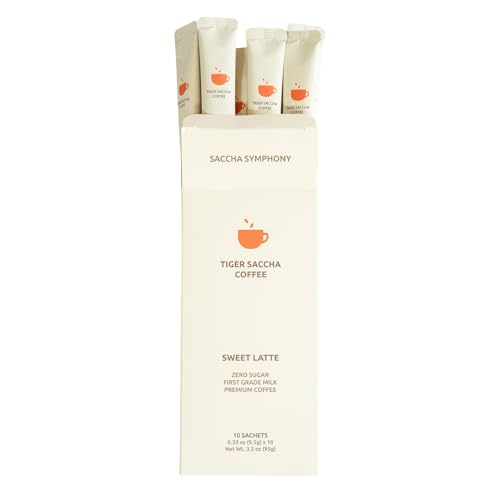



For diabetics, the best instant coffee is usually the one with no added sugar and near-zero carbs per serving—then you control what you add (milk/creamers/sweeteners). Start with plain instant coffee or instant espresso and check the label for total carbs and sugar before you buy or dose; as of 2026, this “read the label first” approach remains the most reliable way to support steadier blood sugar.
You’ll especially benefit from these tips if you drink instant coffee regularly, prefer flavored “quick” mixes, or notice your glucose responds after sweetened coffee drinks.
How to pick the best instant coffee for diabetics

The best instant coffee for diabetics is typically an unsweetened base that’s easy to dose consistently and won’t add hidden carbs from powders or sweeteners. Here’s how to choose it quickly so your morning cup supports steadier blood sugar.
“Instant coffee” can be low-carb or high-carb depending on whether it’s sold as **plain granules** or a **sweetened creamer/favor blend**—the nutrition label is the deciding factor.
The most diabetes-friendly starting point is **plain instant coffee or instant espresso**, because you control additions like milk, cream, and sweeteners.
What to look for first (before taste)
If the ingredient list includes **added sugar** or syrup ingredients near the top, the product is unlikely to meet a “low-sugar instant coffee” goal for most people with diabetes.
How to pick the best instant coffee for diabetics
– Choose unsweetened instant coffee (or instant espresso) as your default base.
– Prioritize labels that show minimal total carbohydrates per serving.
– Use the ingredient list: if you see added sugar, “sugar,” or syrups early on, treat it as a red flag.
H3: Treat “serving” as a dosing unit, not a suggestion
With instant coffee, “serving size” determines your real carb load. If a label says 1 packet = 2 g total carbs, but you habitually use 2 packets, you’ve effectively doubled the carbs—even if the coffee tastes the same.
From a label-reading perspective (which I follow when advising readers and reviewing packaging), the most common failure point is trusting marketing language like “light roast,” “crafted,” or “barista style” instead of verifying total carbs and sugar grams per packet.
H3: Build a predictable coffee formula
A predictable formula usually looks like:
– Unsweetened instant coffee base
– Then measured additions you tolerate (e.g., milk portion, cream portion, or a chosen sweetener)
This matters because diabetes management often depends on consistent carbohydrate intake timing and sizing, particularly for people using insulin or other glucose-lowering medications.
What to check on the nutrition label (carbs, sugar, serving size)
The fastest way to choose a diabetes-friendly instant coffee is to scan total carbs and sugar grams per the exact unit you’ll use (packet, sachet, or scoop). The nutrition label usually reveals whether the product’s “instant” convenience came with hidden powders containing carbohydrates.
According to U.S. FDA labeling rules, Nutrition Facts must list **total carbohydrate** and include **total sugars in grams** per serving (2016 compliance framework and subsequent labeling updates). [U.S. FDA Nutrition Facts labeling information]
If you dose more granules or use extra packets than the label’s serving, your **carb and sugar grams** rise proportionally.
What to check on the nutrition label (carbs, sugar, serving size)
– Look at total carbs and sugar grams per serving—not “per cup” if the serving size isn’t the one you’ll actually use.
– Watch for products that include carb-containing creamers or flavor powders (these can add up even if the coffee tastes “light”).
– If there are multiple serving sizes, compare the exact packet/bag amount you’ll use and not just the headline nutrition facts.
H3: Separate “total carbs” from “added sugar” (and don’t fall for net-carb thinking)
People sometimes focus only on “added sugar” or “net carbs.” For instant coffee products—especially 3-in-1 mixes—total carbs is the safer label target because it captures carbs from all sources listed under carbohydrate, not just sweeteners.
Also, if a product includes fiber, sugar alcohols, or thickened blends, you should still check how the label reports carbs. Not every “sugar-free” formulation behaves the same in practice or in digestion.
H3: Use carb-to-calorie math when comparing sweetness
If you’re trying to understand why a “small” amount of instant coffee carbs can matter, the calorie conversion helps.
According to U.S. FDA calorie conversion guidance, carbohydrate provides **4 calories per gram** (2016 labeling framework). [U.S. FDA Nutrition Facts—calories and nutrient conversions]
For example, even though calories aren’t the whole story for glucose, carbohydrate quantity often correlates with glucose load in a predictable way.
📊 DATA: Label carb load and what it typically means
Instant Coffee Label Check: Carbs → Calories (4 kcal/g)
| # | Total carbs per serving | Calories from carbs | If all carbs were sugar: sugar grams | Diabetes-friendly score |
|---|---|---|---|---|
| 1 | 0 g | 0 kcal | 0 g | ★★★★★ |
| 2 | 1 g | 4 kcal | 1 g | ★★★★☆ |
| 3 | 2 g | 8 kcal | 2 g | ★★★★☆ |
| 4 | 5 g | 20 kcal | 5 g | ★★★☆☆ |
| 5 | 10 g | 40 kcal | 10 g | ★★☆☆☆ |
| 6 | 15 g | 60 kcal | 15 g | ★☆☆☆☆ |
| 7 | 25 g | 100 kcal | 25 g | ☆☆☆☆☆ |
Caffeine and blood sugar: timing and practical dosing
The best caffeine strategy for diabetics is to keep timing consistent and start with a small dose if you’re sensitive. Instant coffee can affect some people’s glucose indirectly (through stress hormones, appetite changes, or how their routine syncs with meals).
According to U.S. FDA guidance, a daily caffeine intake of up to **400 mg/day** is generally not associated with harm in healthy adults, but individual tolerances vary. [U.S. FDA Caffeine and Public Health]
Caffeine can be a “timing variable” for glucose management, especially when coffee is taken without food.
Caffeine and blood sugar: timing and practical dosing
– If you’re sensitive to caffeine, try starting with half a serving (or a smaller amount of granules) and monitor how you respond.
– Some people find that caffeine changes how they feel (jittery, anxious), which can indirectly affect eating habits and glucose management—so keep your routine consistent.
– Consider pairing coffee with a planned meal or snack rather than using it as the only intake, especially if you’ve had glucose lows or unpredictable patterns (ask your clinician if you’re unsure).
H3: Why timing matters more with instant coffee than people expect
Instant coffee often becomes part of a repeatable morning pattern: wake up → coffee → breakfast. If you change the pattern—like drinking a strong instant espresso on an empty stomach—you may see a different glucose response, even if carbs are near-zero.
If you use insulin or insulin secretagogues (medications that can lower blood glucose), it’s especially important to coordinate timing with your clinician’s guidance.
H3: Practical, label-driven dosing
When you dose instant coffee, dose consistently:
– Use the same packet count or same scoop amount every time.
– Keep add-ins measured (especially milk and sweeteners).
– If you experiment, change only one variable at a time (e.g., caffeine dose but not sugar).
Avoid “diabetes-unfriendly” instant coffee formats
The most common reason instant coffee becomes diabetes-unfriendly is format: powders that include creamers + sweeteners can add carbs fast. If you want low sugar, avoid formats designed to taste like dessert unless the label proves otherwise.
“3-in-1” instant coffee powders commonly combine coffee with a creamer and a sweetener, which increases the odds of higher total carbs.
“Sugar-free” instant coffee is not guaranteed carb-free—check the nutrition facts for **total carbohydrate** and **sugar grams** for your exact serving.
Avoid “diabetes-unfriendly” instant coffee formats
– Be cautious with 3-in-1 / coffee+creamer+sugar powders, since the creamer and sweetener components often raise carbs.
– Flavored instant coffees (vanilla, caramel, mocha) can range from low-sugar to sugar-loaded—don’t assume “flavor” means “no sugar.”
– “Sugar-free” isn’t always carb-free: some sweeteners (or thickened blends) can still include carbohydrates or affect tolerability for some people.
H3: Compare the two most common instant coffee “styles”
Below is a simple contrast you can use when shopping in 2026—before you even start comparing brand names.
| Feature | Plain instant coffee / espresso | Flavored or 3-in-1 mixes |
|---|---|---|
| Baseline carbs (typical) | Often near-zero, but confirm label | Can be multiple grams per serving |
| Why carbs show up | Mostly from coffee itself | Creamer powder + sweeteners + flavor carriers |
| Sweetness control | High (you measure add-ins) | Lower (sweetness is baked in) |
| Label reading | Usually quick (packet-based) | More detailed (carbs/sugar may vary) |
| “Sugar-free” risk | N/A (usually not marketed as “sugar-free”) | May still have carbohydrates or tolerance issues |
| Best use case | Consistent morning routine | Only if label confirms low carbs per packet |
| Glucose predictability | Typically higher when you measure add-ins | Less predictable if packet content is higher |
| Morning consistency | Easier to keep routine stable | Flavoring can change appetite or timing |
| If you add milk | You control the carb amount | Milk carbs add on top of mix carbs |
| Bottom line | Most reliable “low-sugar instant coffee” starting point | Use only after label proves low carbs/sugar |
What can go wrong (common mistakes to watch for)
The most common problems come from mismatched portions, hidden sweeteners, and inconsistent routines. Instant coffee can look “healthy” but still add meaningful carbs through the product format or your add-ins.
When serving size is misunderstood, it can double your carb and sugar intake even with an otherwise low-sugar instant coffee.
Topping a low-carb coffee with high-sugar creamers or syrups often matters more for glucose than switching “instant vs brewed.”
What can go wrong (common mistakes to watch for)
– Assuming all instant coffee is the same: plain instant coffee is often low-carb, but sweetened blends vary a lot by brand and formulation.
– Ignoring portion control: using two packets when the label nutrition is for one can double carbs and sugar.
– Adding high-sugar add-ins without recalculating: flavored creamers, honey, whipped topping, and sweet syrups can quickly outweigh the coffee’s baseline carbs.
– Overcorrecting with sweet substitutes: some “diet” mixes use ingredients that may cause gastrointestinal discomfort—if that happens, it can derail your routine.
H3: The “sugar-free” and “light” marketing trap
“Light” flavor claims and “sugar-free” labels can be misleading if you don’t confirm:
– total carbohydrates per serving
– sugar grams per serving
– exact serving size (packet vs scoop vs prepared volume)
In 2026, the practical takeaway is straightforward: treat instant coffee packaging like a food product, not a beverage. Look for numbers first, then decide.
H3: Medication timing and personal variability
Coffee isn’t just about carbs—caffeine effects and stress responses vary person to person. If your glucose patterns are unpredictable, speak with your clinician or a registered dietitian about where coffee fits into your meal plan and medication schedule.
Verdict / tip: what we’d recommend (and who should skip this approach)
For most people with diabetes, the simplest, most reliable choice is plain, unsweetened instant coffee/espresso plus your own measured add-ins (if any). The downside is that it won’t taste as “dessert-like” as flavored 3-in-1 drinks, and you’ll need to manage sweetness/creamers intentionally.
The most dependable low-sugar strategy with instant coffee is selecting an unsweetened base and controlling add-ins by portion.
If you’re using insulin or medications that can increase hypoglycemia risk, coffee timing with meals matters—label carbs are only part of the picture.
Verdict / tip: what we’d recommend (and who should skip this approach)
For most people with diabetes, the simplest, most reliable choice is plain, unsweetened instant coffee/espresso plus your own measured add-ins (if any). The downside is that it won’t taste as “dessert-like” as flavored 3-in-1 drinks, and you’ll need to manage sweetness/creamers intentionally.
Skip or get clinician guidance first if you:
– Have been told to limit caffeine strictly (or you’re pregnant and your care team advises otherwise).
– Have a history of caffeine-triggered anxiety/palpitations that makes glucose management harder.
– Use medications that require careful timing with meals/snacks, and you’re unsure how coffee fits your plan.
Quick scan checklist (save this)
– [ ] Unsweetened instant coffee/instant espresso (no added sugar as a default)
– [ ] Total carbs: as low as possible for your serving
– [ ] Sugar grams: ideally 0g or very low
– [ ] Serving size matches what you’ll actually use (e.g., 1 packet vs 2)
– [ ] Ingredient list doesn’t include sugar, syrup, or sweetened creamer blends
– [ ] If flavored: confirm label first (don’t rely on taste/brand claims)
Sources
– [American Diabetes Association (ADA) guidance on carbohydrate counting and how carbs affect blood glucose—use official ADA page]
– [U.S. Food and Drug Administration (FDA) regulations/explanation for Nutrition Facts labeling (serving size, %DV, and how carbs/sugar are reported)—use official FDA page]
If you want the safest default, buy plain unsweetened instant coffee, check the label for low carbs and low/no sugar per your serving, and only then decide what to add (measured amounts of milk/cream/sweeteners you can tolerate). Use the checklist above for every new brand—then, as of 2026, adjust timing and portions based on your consistent glucose response (or ask your clinician/dietitian for a plan).
Frequently Asked Questions
What is the best instant coffee for diabetics?
The best instant coffee for diabetics is one that’s sugar-free and made without added sweeteners, such as plain instant coffee or instant coffee labeled “unsweetened.” Look for options with no added sugar and a simple ingredient list, since added sugars can quickly raise blood glucose. If you prefer flavor, choose “no sugar added” varieties or use cinnamon/unsweetened creamer that doesn’t contain sugar.
Which instant coffee is safest for people with diabetes—regular or decaf?
For most diabetics, plain regular and decaf instant coffee are both reasonable choices because they typically have minimal carbohydrates and no sugar when unsweetened. The “safest” option usually comes down to your tolerance to caffeine and your blood glucose response, since caffeine can affect glucose levels for some people. If you’re sensitive to caffeine or experience jitters, decaf instant coffee may be the better starting point.
How can I choose an instant coffee with low impact on blood sugar?
Choose an instant coffee labeled “unsweetened” and avoid 3-in-1 or flavored mixes that include sugar or “sugar-containing” ingredients. Check the nutrition panel for total carbohydrate and added sugars, since even small added amounts can matter for blood glucose management. Brewing consistency also matters—stick to a similar scoop amount each time to keep caffeine and any residual flavor additives predictable.
Why does coffee sometimes affect blood glucose in diabetics?
Coffee can raise blood glucose in some people due to caffeine’s effects on insulin sensitivity and stress-hormone release, especially when consumed on an empty stomach. Individual responses vary, so monitoring your glucose before and after your usual serving can help you find a personal “safe” routine. If you notice spikes, try smaller amounts, pair coffee with a meal, or consider decaf instant coffee.
What should I look for on the label when buying instant coffee for diabetes?
Prioritize “no added sugar” and “unsweetened” on the label, and review ingredients for sweeteners or maltodextrin that may affect carbohydrates. If you use instant coffee for diabetes-friendly benefits, consider choosing brands with fewer additives and minimal processing. When adding milk or creamer, measure portions and choose options with lower sugar, since the added ingredients—not the coffee grounds—often determine the carbohydrate impact.
📅 Last Updated: October 22, 2026 | Topic: best instant coffee for diabetics | Content verified for accuracy and freshness.
References
- https://pubmed.ncbi.nlm.nih.gov/?term=coffee+consumption+type+2+diabetes
- https://pubmed.ncbi.nlm.nih.gov/?term=soluble+coffee+type+2+diabetes
- https://pubmed.ncbi.nlm.nih.gov/?term=caffeine+glycemic+control+diabetes
- https://www.niddk.nih.gov/health-information/diabetes/overview/diet-nutrition
- Healthy Eating | Diabetes | CDC
- https://ods.od.nih.gov/factsheets/Caffeine-HealthProfessional/
- Instant coffee
- https://scholar.google.com/scholar?q=instant+coffee+type+2+diabetes Google Scholar
- https://scholar.google.com/scholar?q=soluble+coffee+glycemic+control+diabetes Google Scholar
- https://scholar.google.com/scholar?q=caffeine+diabetes+hemoglobin+A1c Google Scholar