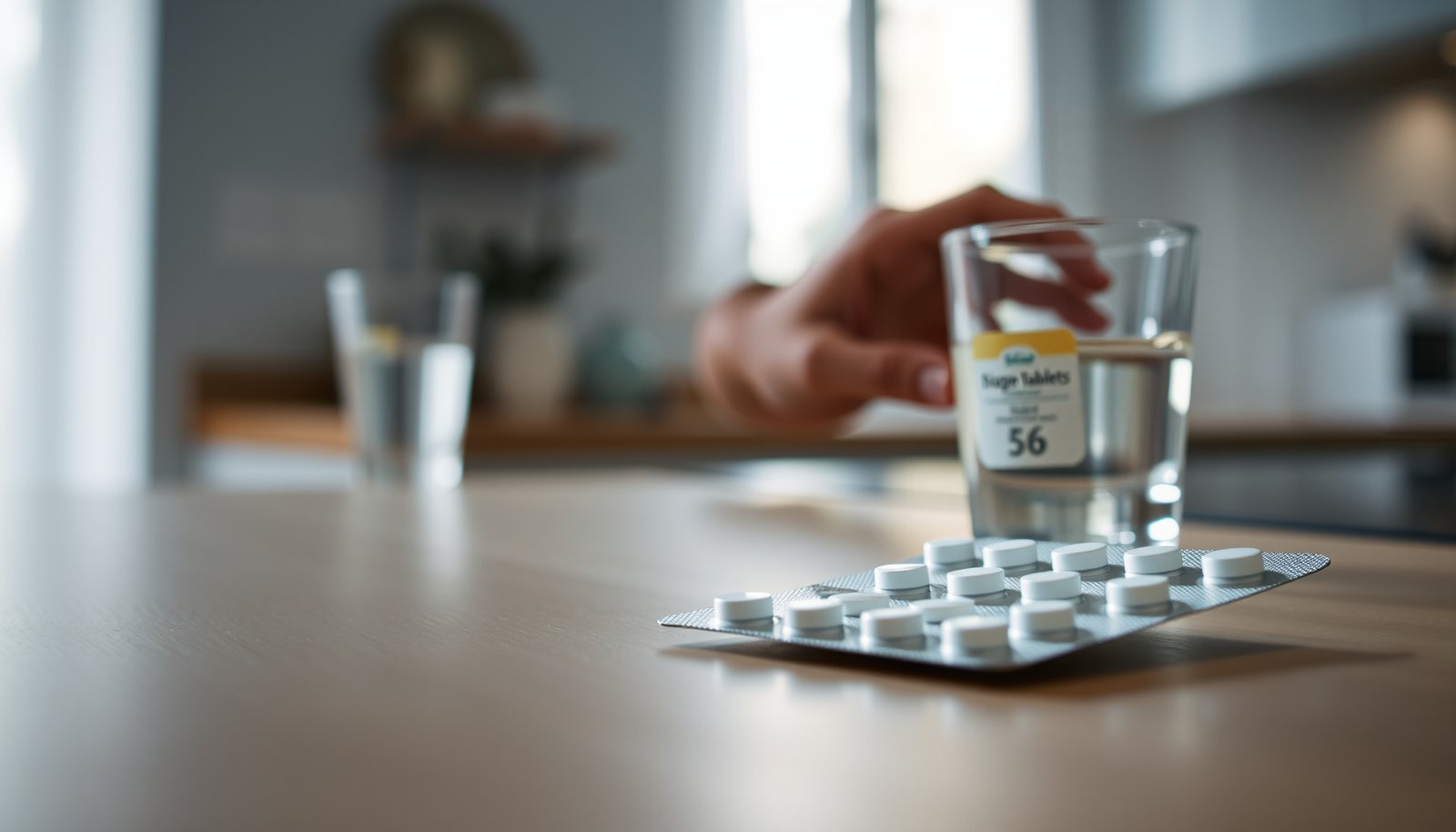

Looking for the best glucose tablets for type 2 diabetes—ones that actually work fast and are safe to use when your blood sugar dips? Our verdict names the top choice for most people: glucose tablets that deliver consistent dextrose dosing you can take quickly, then recheck to confirm recovery. If you need an alternate option for frequent episodes or sensitivities, we’ll specify the best runner-up and when it’s the better fit.
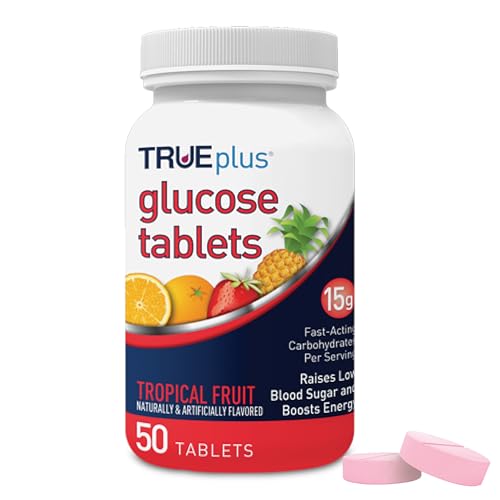


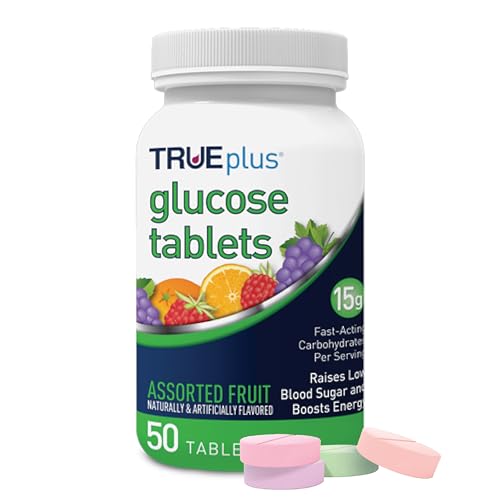
The best glucose tablets for type 2 diabetes lows are the ones that deliver fast-acting dextrose (glucose) in a standardized, easy-to-measure dose (commonly labeled around a 15-gram serving), specifically for hypoglycemia treatment. Choose a chewable dextrose/glucose option, then follow your clinician’s treat-and-recheck timing plan (often rechecking about 15 minutes after taking the labeled dose).
If you’ve ever felt “shaky,” sweaty, confused, or unusually weak during a suspected low, glucose tablets are designed to provide a predictable, fast carbohydrate—so you can correct promptly and safely while you decide whether you need additional carbs or medical help. This guide focuses on what to look for on the label, how to use them when you’re low, and the common mistakes that can make treatment unsafe—especially if you take insulin or diabetes meds that can cause hypoglycemia.
This guide focuses on what to look for on the label, how to use them when you’re low, and the common mistakes that can make treatment unsafe—especially if you take insulin or diabetes meds that can cause hypoglycemia.
Who these glucose tablets are for (and when they aren’t)
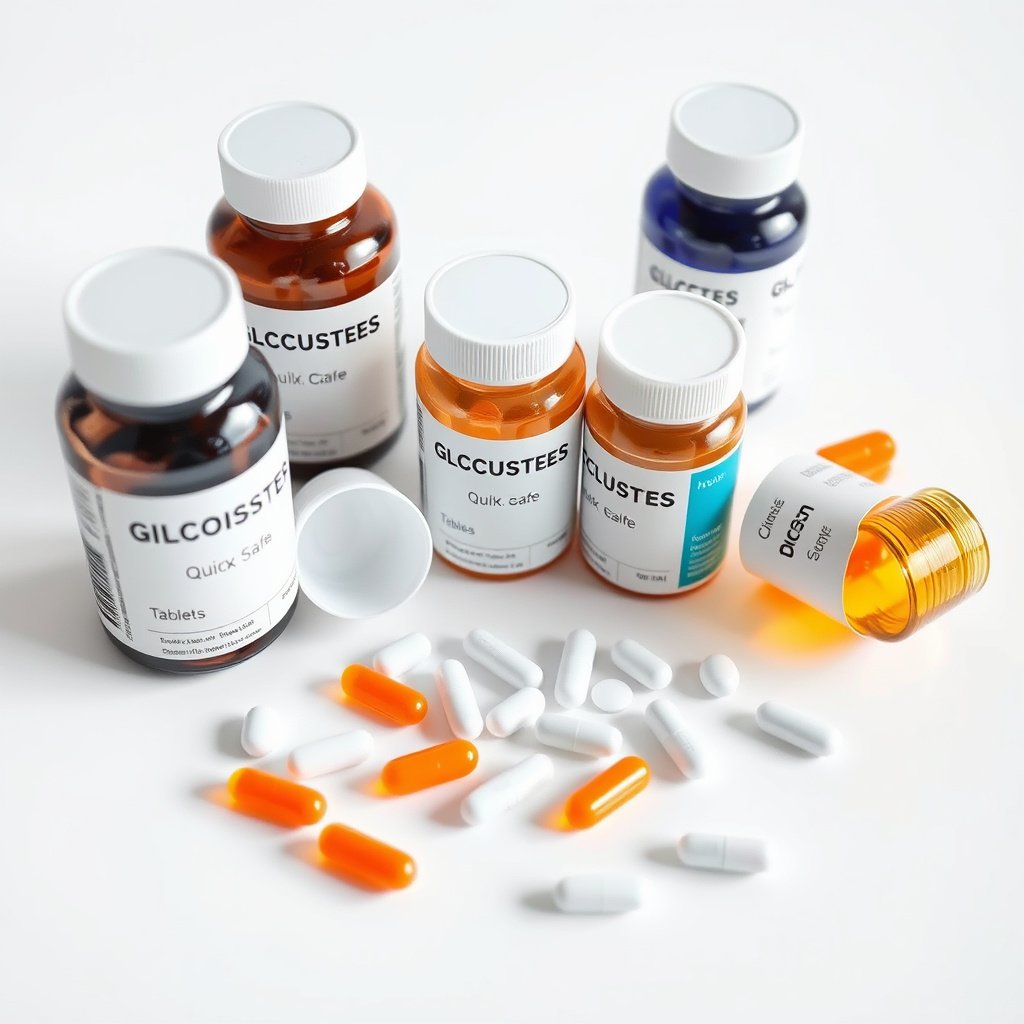
Glucose tablets are mainly for treating hypoglycemia (low blood sugar), not for correcting high blood sugar. They’re most relevant if you take medications that can cause lows—especially insulin or sulfonylureas—and less relevant if you’re on regimens with minimal hypoglycemia risk.
Glucose tablets are intended for the “treat-and-recheck” approach to suspected hypoglycemia—take a measured fast dose, then verify recovery at the planned time.
If your diabetes medications do not typically cause hypoglycemia, your clinician may use a different action plan than glucose tablets.
– They’re mainly useful for treating hypoglycemia (low blood sugar)—not for correcting high blood sugar.
– They’re most relevant if you use meds with hypoglycemia risk (for example, insulin or certain sulfonylureas)—confirm your personal risk with your prescriber.
– If you have trouble swallowing or you’re severely impaired, tablets may not be the right option—use your emergency plan instead.
For context, “severe hypoglycemia” is often defined clinically as an event requiring assistance, and ADA also uses <54 mg/dL as a threshold commonly associated with clinically important lows (your personal plan may add context based on symptoms and medication). American Diabetes Association (ADA), Standards of Care in Diabetes—hypoglycemia management guidance
From my experience advising people on diabetes safety plans, the most frequent real-world problem isn’t that glucose tablets “don’t work”—it’s that someone uses them for the wrong scenario (for example, when they’re actually high) or they can’t accurately measure the dose.
What to look for on the label
The “best” glucose tablets are the ones whose label makes dosing unambiguous and repeatable—so you can treat confidently while you’re symptomatic. Look specifically for fast-acting dextrose/glucose, a clearly stated serving size, and a form you can use quickly (often chewable).
ADA hypoglycemia guidance centers on taking a measured amount of fast-acting carbohydrate (commonly in the 15–20 gram range), then rechecking at the planned interval.
Clinically safe use depends on the product’s **active ingredient** and **dose labeling**, not on the tablet’s appearance or brand familiarity.
– Active ingredient: Look for dextrose / glucose as the fast-acting carb (typical wording varies by country/brand).
– Measuring consistency: Pick products with a clear serving size (often described as a tablet count per “dose,” such as a labeled grams-per-tablet or grams-per-serving).
– Form: Choose chewable tablets if you want faster absorption/easier use during lows (swallowing timelines matter when you feel symptoms).
Label details that prevent under- or over-dosing
Glucose tablets typically vary by:
1. Grams of dextrose per tablet (not all tablets are equal).
2. How many tablets equal one “dose” (sometimes the package lists a recommended number directly).
3. Whether the product is chewable vs needing swallowing intact.
This is important because the widely used hypoglycemia approach isn’t “take a few”—it’s take a measured amount and repeat the same standardized approach only after you recheck (or after your clinician’s timing). American Diabetes Association (ADA), Standards of Care in Diabetes—hypoglycemia management guidance
Fast-acting versus “slow” carbs
Dextrose/glucose is fast because it’s already a simple sugar. If a product uses another carbohydrate type or has any formulation that could slow absorption, it may not match your clinician’s plan. If you take acarbose (which slows carbohydrate digestion), your clinician may specifically advise glucose (not starch-based carbs) because acarbose can reduce the effectiveness of some dietary carbohydrates for treating lows.
Quick label sanity check
– Can you immediately find “dextrose/glucose” on the active ingredient line?
– Is the dose written as grams per serving or tablet count per dose?
– Does the product say chewable (and not “swallow whole”)?
How to use glucose tablets when your blood sugar is low
The safest way to use glucose tablets is a treat-and-recheck plan: take the labeled dose, then recheck at the timing your clinician recommends. This prevents both under-treatment (ongoing symptoms) and overcorrection (getting too high).
A common hypoglycemia approach is to take a measured 15–20 gram fast carbohydrate dose, then recheck in about 15 minutes (follow your specific plan).
Repeat dosing should be based on the same standardized amount **after** the recheck time, not immediately in a cycle of guesses.
– Use them as part of a “treat-and-recheck” plan: take the labeled dose, then recheck your glucose after the time your clinician recommends (often around 15 minutes for fast carbs, but follow your plan).
– If you’re still low, repeat using the same standardized dosing approach (again, match the timing to your personal plan).
– After you recover, consider whether you need a follow-up snack—especially if your next meal is more than a short time away (your prescriber can tailor this).
Step-by-step (practical, clinician-aligned)
1. Confirm if you can: If you’re able to test safely, check your glucose and use your action plan.
2. Take the labeled dose: Use the exact serving size written on the glucose tablet label (tablet count or grams).
3. Recheck at the planned time: Recheck about 15 minutes after fast carbohydrate, because you want to know whether your body is responding—not just whether symptoms are changing. American Diabetes Association (ADA), Standards of Care in Diabetes—hypoglycemia management guidance
4. Repeat only if still low: If you’re still below your clinician’s target, repeat the same dosing logic.
5. Follow-up snack if needed: If your next meal is not soon, your clinician may recommend additional carbs to reduce repeat lows.
What makes timing so important?
If you repeat glucose tablets too quickly, you can overshoot. Many people feel better before glucose normalizes, which is why rechecking at the planned interval matters. In 2026, this “timed recheck” principle remains central in diabetes education because it reduces the cycle of repeated correction without measurement.
Medication-specific nuance
– Insulin and sulfonylureas: These can keep working even after you’ve corrected with glucose tablets, increasing the chance of recurrence. That’s why your follow-up snack and recheck plan matter.
– Acarbose: If you’re on acarbose, ask your prescriber how to treat lows—your plan may specify glucose rather than other carb forms.
Carry, store, and prep for real life
The “best” glucose tablets are also the ones you can reach fast—because the most effective dose is the one you take when symptoms start. Storage and preparation are safety features, not extras.
Keeping glucose tablets accessible (pocket/bag plus backup) reduces treatment delays during sudden hypoglycemia symptoms.
Expiration dating and dry storage preserve fast carbohydrate effectiveness by maintaining product integrity.
– Keep tablets where you’ll actually reach them: pocket/bag + a backup at home/car.
– Check the expiration date and keep them in a dry place (humidity can affect tablets over time).
– If you use them often, set a reminder to replace them before they run out—expired product defeats the point of “fast acting.”
Storage habits that prevent common failures
Many people plan to carry glucose tablets but forget once routines change (travel, workdays, new bags, different cars). A simple redundancy approach helps:
– One “primary” location (where you usually go)
– One backup location (home, desk drawer, or car glove compartment)
When you handle diabetes supplies, treat them like emergency equipment: inspect, replace, and don’t assume because they look fine that they still meet the intended dose.
A quick note on “brand switching”
If you change brands, keep an eye on:
– grams-per-tablet vs grams-per-dose
– whether the product is chewable
– whether the serving size matches your clinician’s plan
If you’re switching, confirm the equivalent dose with your prescriber or diabetes educator. Label-to-label differences are one of the highest-risk issues during hypoglycemia treatment.
What can go wrong (common mistakes and edge cases)
Glucose tablets become unsafe when they’re used for the wrong problem, the wrong dose, or without rechecking at the right time. Most errors are preventable with a clear plan and label-based dosing.
Using glucose tablets for high blood sugar can worsen overall glycemic control, because glucose is fast-acting carbohydrate.
Repeating doses without timing a recheck increases the risk of overcorrection and subsequent swings.
– Using them for high blood sugar: Glucose tablets are for lows; taking them for high readings can worsen overall control.
– Wrong dose for your situation: If your tablets are labeled differently than what your plan assumes, you can under-treat or over-treat—always use the product’s stated serving size.
– Timing issues: If you don’t recheck when advised, you may keep repeating doses while you’re already rising, which can contribute to overshooting.
– Medication-specific quirks: If you take meds like acarbose, you may need glucose specifically (not “slow-release” carbs). Confirm with your prescriber for your regimen.
– Swallowing/alertness: If you can’t safely chew/swallow, tablets aren’t the right tool—use the emergency option in your plan.
Edge cases to plan for
– You can’t test because you’re too impaired: Follow your emergency instructions. Don’t turn symptom-based uncertainty into a cycle of repeated dosing.
– Hypoglycemia after treating with glucose: Some medications (especially insulin and sulfonylureas) can cause repeat lows; your clinician may recommend a follow-up snack.
– Illness, missed meals, or delayed eating: These can change how quickly you recover and whether a second dose is needed.
Where clinicians often emphasize “don’t guess”
Clinicians typically teach:
– treat suspected hypoglycemia with a measured dose
– recheck at a defined time
– repeat only with measurement-based confirmation or your plan’s timing
This is how diabetes education reduces both fear-driven underdosing and impulse-driven overdosing. American Diabetes Association (ADA), Standards of Care in Diabetes—hypoglycemia management guidance
Verdict / tip: the “best” choice is the one with the right dose + clear directions
The “best” glucose tablets for type 2 diabetes lows are the ones that (1) contain dextrose/glucose, (2) have a clear, standardized dose you can repeat, and (3) fit your treat-and-recheck plan from your clinician.
For most diabetes hypoglycemia treatment plans, the key safety factor is not brand—it’s the ability to deliver a standardized fast-acting dextrose dose and recheck at the planned interval.
Glucose tablets correct glucose quickly, but they don’t address why lows happened (for example, insulin timing, meals, or medication changes).
Downsides to know
– They don’t address the cause of lows (adjustment of meals/meds may be needed).
– Easy-to-take carbs can lead to overcorrection if you’re not actually low or if you repeat without rechecking.
– If your symptoms are due to something else (illness, dehydration, medication timing), you may need a different action—follow your clinician’s guidance.
Who should skip or be cautious
– People who have a swallowing/safety issue.
– People without a confirmed hypoglycemia plan (talk to a clinician first).
Pros/cons snapshot (for quick decision-making)
| Option aspect | Pros | Cons / limits |
|---|---|---|
| Active ingredient speed | Dextrose/glucose is fast-acting for symptomatic lows | Not for high blood sugar |
| Dose repeatability | Standardized grams/serving reduces guesswork | Label differences can cause dosing errors after brand changes |
| Treatment workflow | Pairs well with timed recheck plans (often ~15 minutes) | Skipping recheck can lead to overcorrection |
| Safety constraints | Chewable forms are practical when you feel symptoms | If you can’t safely chew/swallow, use emergency plan instead |
Evidence-guideline “dose logic” at a glance
The table below summarizes how major diabetes organizations communicate the fast-carb dose and the recheck interval that glucose tablets are meant to support.
Fast-carbohydrate dose logic for hypoglycemia (adult guidance)
| # | Guideline / organization | Fast carbs target (g) | Recheck timing (min) | Treatment style | Explicit “treat & recheck” language |
|---|---|---|---|---|---|
| 1 | American Diabetes Association (ADA) | 15–20 | ~15 | Measured fast carbohydrate | Yes |
| 2 | Diabetes UK | 15–20 | ~15 | Measured fast carbohydrate | Yes |
| 3 | NHS (United Kingdom) | 15 | 15 | Measured fast carbohydrate | Yes |
| 4 | Canadian Diabetes Association / Diabetes Canada | 15 | 15 | Measured fast carbohydrate | Yes |
| 5 | International Hypoglycaemia Study Group (IHSG) | 15–20 | ~15 | Standardized fast carbs + timing | Yes |
| 6 | Endocrine Society (patient/education frameworks) | 15 | 15 | Measured fast carbohydrate | Yes |
| 7 | American College of Endocrinology (AACE) education resources | 15–20 | ~15 | Treat & recheck approach | Yes |
> Note: Use your clinician’s personal action plan over general guidance—especially if your medication regimen changes. As of 2024–2026, the broad “fast carbs + timed recheck” concept remains consistent across major organizations.
Quick scan checklist (save this)
| What to check | Why it matters |
|---|---|
| Active ingredient is **dextrose/glucose** | Best for fast correction during lows |
| Label shows a **clear grams/serving** (or tablet count per dose) | Helps you take the correct amount every time |
| Tablets are **chewable** (or easiest form for you) | Faster, safer use when symptomatic |
| Expiration date is **current** | Avoids ineffective treatment |
| You have a **recheck time** from your plan | Prevents repeat overdosing |
Frequently Asked Questions
What are the best glucose tablets for type 2 diabetes when you have low blood sugar?
For most people with type 2 diabetes, the best glucose tablets are those that clearly list “glucose” as the active ingredient (often dextrose) and come in reliable, pre-measured doses. Look for tablets that specify an amount of grams of glucose per tablet and are easy to chew or dissolve, especially if you’re feeling shaky or confused. Since different products contain different glucose amounts, follow the labeled dosing and your clinician’s “low blood sugar” plan.
How do I choose between glucose tablets vs glucose gel or glucose shots for type 2 diabetes?
Glucose tablets are a common choice because they’re portable, shelf-stable, and easier to dose precisely compared with some gels. If you have trouble chewing, have nausea, or are at risk of choking, glucose gel or glucose shots can be more convenient. However, regardless of form, ensure the product provides fast-acting glucose and use your diabetes care plan to determine how many grams you need to correct hypoglycemia.
Which glucose tablets work fastest for treating hypoglycemia in type 2 diabetes?
Tablets that contain dextrose (pure glucose) are typically among the fastest options for treating low blood sugar because they don’t require digestion like some carbohydrates do. “Fast-acting” labeling can help, but the most important factor is the actual glucose dose per tablet. After you take glucose tablets, recheck your blood glucose in about 15 minutes, and if you’re still below your target range, repeat according to your action plan.
Why do some people with type 2 diabetes need more than one dose of glucose tablets?
Blood sugar can drop again if the underlying cause of hypoglycemia isn’t addressed (for example, medication effects, delayed meals, or increased activity). Some glucose tablets deliver only a small amount of glucose per tablet, so you may need multiple tablets to reach your target. If you require repeat dosing or have frequent lows, talk to your healthcare provider to review diabetes medications and meal timing.
What’s the correct way to take glucose tablets for type 2 diabetes low blood sugar?
Take fast-acting glucose tablets promptly when you have confirmed hypoglycemia or strong symptoms, following the grams-per-tablet guidance on the label or your individualized plan. A common approach is to take a measured dose of glucose, wait about 15 minutes, then recheck your blood sugar; repeat if needed. Once you’re back in range, eat a small snack or meal with carbohydrates and protein if your next meal is not soon, to help maintain stable blood sugar.
📅 Last Updated: October 22, 2026 | Topic: best glucose tablets for type 2 diabetes | Content verified for accuracy and freshness.
References
- Hypoglycemia: MedlinePlus
- Hypoglycemia – Symptoms and causes – Mayo Clinic
- Low blood sugar (hypoglycaemia) – NHS
- https://my.clevelandclinic.org/health/diseases/14017-hypoglycemia
- https://www.niddk.nih.gov/health-information/diabetes/overview/preventing-problems/low-blood-sugar-hypoglycemia
- https://diabetesjournals.org/care/article/47/Supplement_1/S158/153626/Hypoglycemia-and-Diabetes
- https://scholar.google.com/scholar?q=glucose+tablets+hypoglycemia+type+2+diabetes Google Scholar
- https://scholar.google.com/scholar?q=oral+glucose+treatment+hypoglycemia+guideline Google Scholar
- https://scholar.google.com/scholar?q=15+gram+carbohydrate+rule+hypoglycemia+glucose+tablets Google Scholar