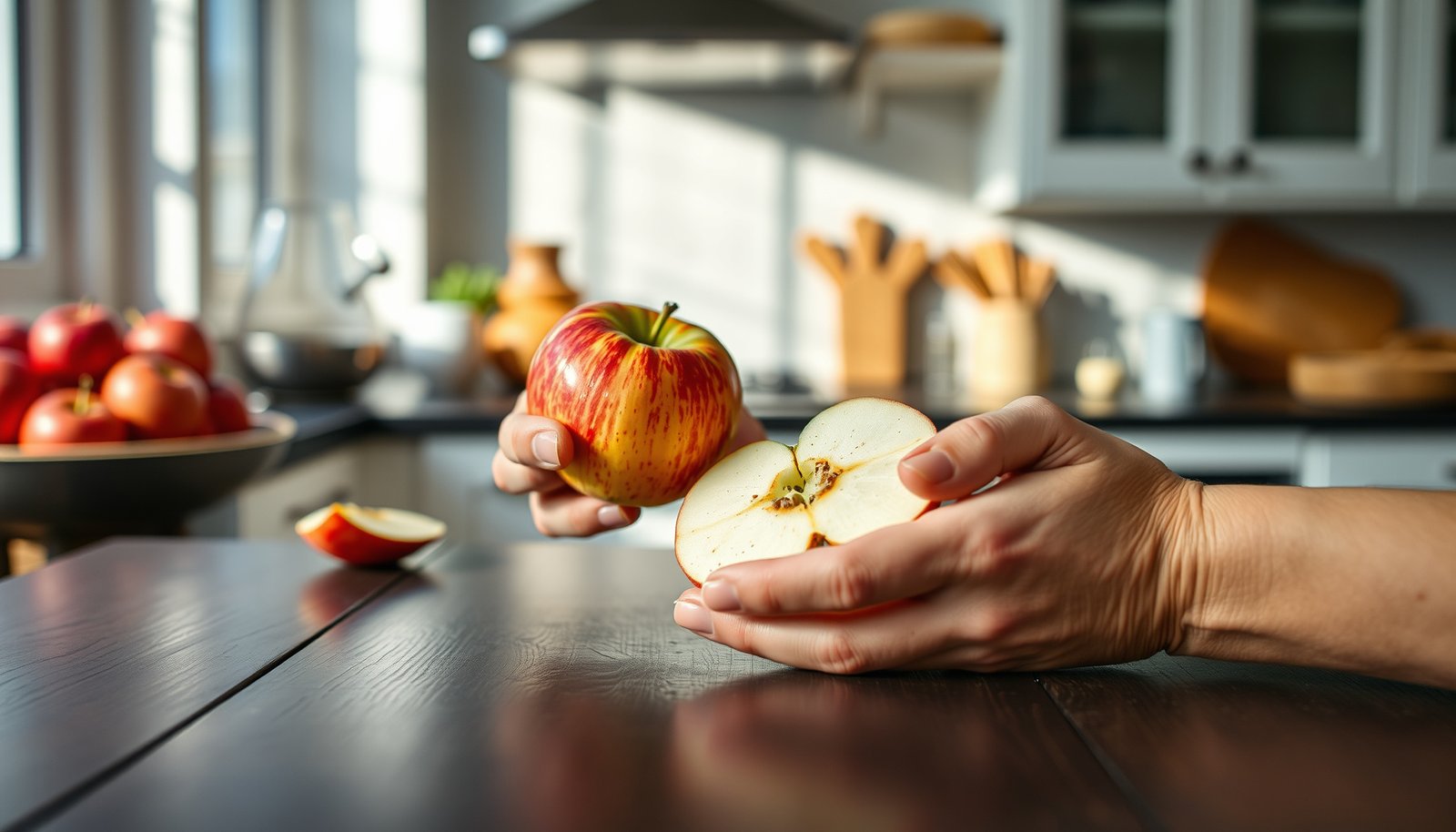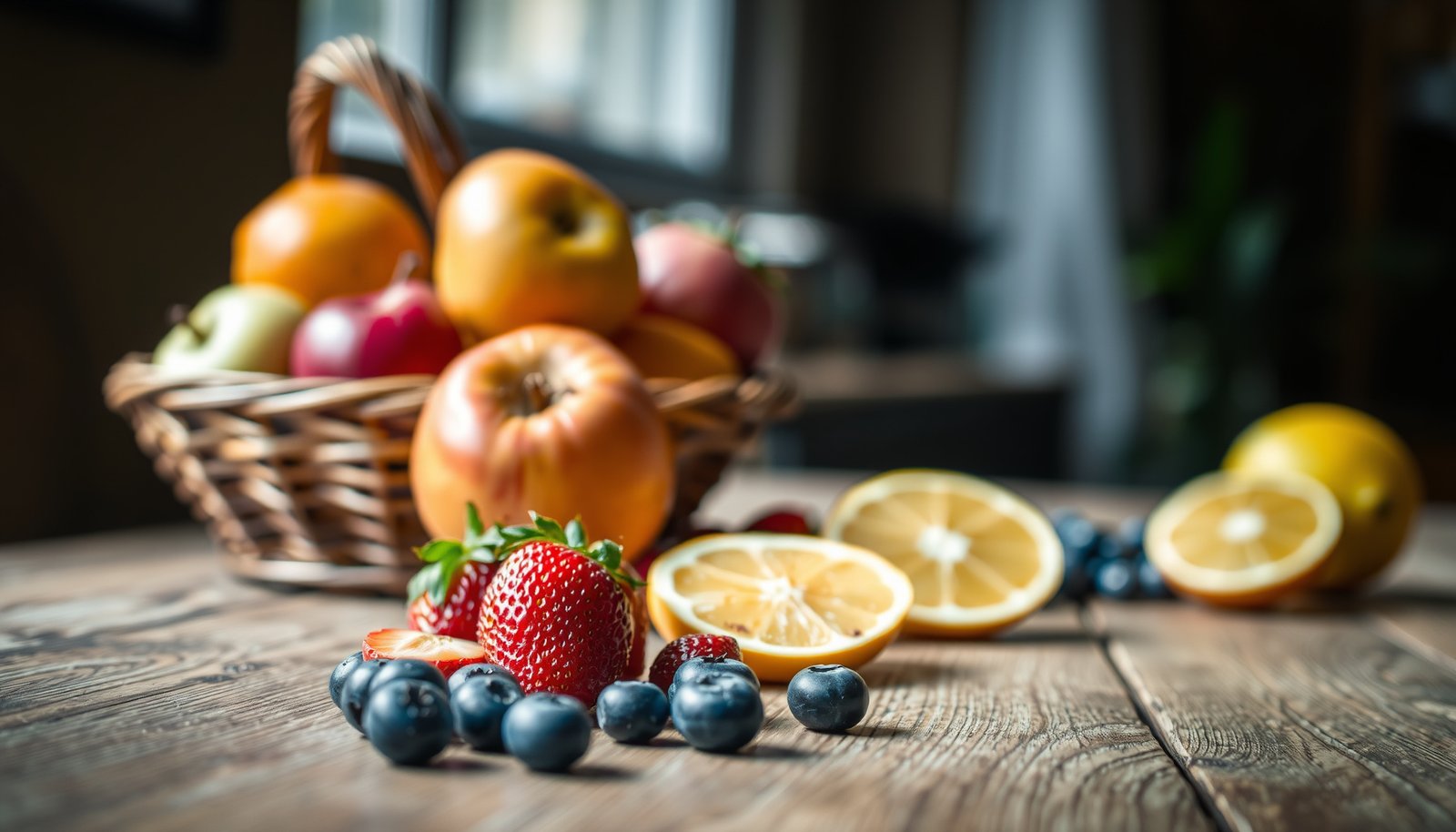

Searching for the best fruit for diabetic patients? For most people with diabetes, berries—especially blueberries and raspberries—are the clear daily winner because they’re high in fiber and keep blood sugar spikes low. If you need a simple rule for smart daily picks, choose berries most often, then add small portions of other low-glycemic fruits to round out your plate.



The best fruit for diabetic patients is usually whole, fiber-rich fruit—especially berries, cherries, apples, pears, and citrus—because the fiber structure slows digestion and makes blood-sugar impact more manageable. Berries, cherries, apples, pears, and citrus are often easier on blood sugar than juice or dried fruit, but the key is portion size and how you eat it—pairing fruit with protein or healthy fats can help. In this guide, we’ll cover which fruits to prioritize, how much to eat, and what to avoid for safer daily choices in 2026.
Who this is for / when it applies:
This is for people with diabetes (and caregivers) who want simple, practical fruit options that fit blood-sugar goals. It’s especially useful if you’ve noticed fruit raises your glucose—or if you’re trying to replace sweets with something healthier without guessing.
Best fruit for diabetic patients (whole, fiber-rich options)
The best fruit for diabetic patients is the kind you can eat whole and portion confidently—fruit that still has its fiber intact. In 2026, the most consistently “diabetes-friendly” patterns come from berries, cherries/stone fruit, apples/pears, and citrus because they deliver carbs with added fiber and micronutrients rather than concentrated sugar.
Berries, cherries, apples, pears, and citrus are often easier on blood sugar than juice or dried fruit because they come with fiber and require more chewing and slower digestion. The “best” choice still depends on your personal carbohydrate response and medication plan.
According to the National Institute of Diabetes and Digestive and Kidney Diseases (NIDDK), carbohydrates affect blood glucose, so fruit choices still matter for diabetes nutrition planning.
According to the American Diabetes Association (ADA), Standards of Care in Diabetes, monitoring carbohydrate intake and using individualized nutrition guidance are central to diabetes management.
According to the USDA FoodData Central, different fruits contain different amounts of carbohydrate per serving and can change the blood-sugar response accordingly.
Quick pick list (what to prioritize)
– Berries (strawberries, blueberries, raspberries, blackberries): Typically a smart everyday pick because they come with fiber and you can control portions easily.
– Cherries and stone fruit (peaches, plums, nectarines): Often work well as whole fruit snacks instead of juice-based options.
– Apples, pears, and citrus (oranges, grapefruit, kiwi): Usually easier to manage when eaten whole (with skin when appropriate) versus blended or juiced.
Practical “why this works” (fiber, chew, and pacing)
For fruit for diabetic patients, fiber is the practical lever. Fiber (dietary fiber) slows digestion and can reduce how quickly glucose appears in the bloodstream. Fruit also requires chewing—so whole fruit often increases satiety and pacing compared with drinking calories (juice/smoothies).
One more anchor: adequate fiber intake targets are substantial—according to the National Academies of Sciences, Engineering, and Medicine, adequate fiber intake is 25 g/day for women and 38 g/day for men (2005). Fruit is one way many people can get closer to those targets, and berries are especially fiber-forward (while still being manageable in portion size).
Whole Fruit Picks for Blood-Sugar Management (USDA nutrition references)
| # | Fruit (typical serving) | Carbs (g) | Fiber (g) | Diabetes-friendly rating | Blood-sugar impact tendency |
|---|---|---|---|---|---|
| 1 | Strawberries (1 cup sliced) | 11.7 | 3.0 | ★★★★☆ | Easier with portions |
| 2 | Blueberries (1 cup) | 21.4 | 3.6 | ★★★★☆ | Often manageable |
| 3 | Raspberries (1 cup) | 14.7 | 8.0 | ★★★★★ | Fiber-forward choice |
| 4 | Blackberries (1 cup) | 13.6 | 7.6 | ★★★★★ | Often very steady |
| 5 | Cherries (1 cup) | 18.7 | 3.3 | ★★★☆☆ | Works as whole snack |
| 6 | Apple (1 medium) | 25.1 | 4.4 | ★★★☆☆ | Manage portion size |
| 7 | Orange (1 medium) | 14.5 | 3.1 | ★★★★☆ | Often predictable whole |
If you’re building a repeatable routine for fruit for diabetic patients, treat this as a “carb+fiber map,” not a permission slip. Blueberries and apples have meaningful carbohydrates, even though they’re still generally easier than juice.
How to choose portions that fit blood-sugar goals
The most reliable portion strategy for fruit for diabetic patients is to plan by carbohydrates (grams) and then adjust based on your glucose response. The “best fruit” list doesn’t remove the fact that fruit is still carbohydrate, so portion size is where accuracy happens.
According to the ADA, Standards of Care in Diabetes, individualized nutrition therapy should account for carbohydrate intake to support glycemic goals.
According to USDA FoodData Central, carbohydrate totals vary across fruit varieties and between whole fruit and processed forms (like juice).
According to the NIDDK, checking how your body responds to different foods can guide safer diabetes eating patterns.
Use carb awareness, not just “low sugar” labeling
– Think in “carbs total,” not just fruit “type”: Fruit still contains carbohydrates, so you’ll want to check your portion against your personal plan.
– Start small and adjust: If you’re learning what affects you, begin with a modest serving and monitor your glucose response as directed by your clinician.
– Use labels and databases when possible: Carb amounts vary by fruit and ripeness, so relying on a trusted food database is more accurate than guessing.
Here’s a concrete way to apply this with fruit for diabetic patients: pick one fruit you tolerate well (like raspberries or strawberries), measure a standard serving for a week, and note how your glucose trends after typical meals. If your plan uses a carb target per snack, match fruit servings to that target instead of “eating until full.”
A quick, honest note about real-world learning
If you don’t want to personalize yet, you can still follow the safe principle: smaller planned servings + whole fruit + pairing when needed.
What portion targets look like in practice
Portions for fruit for diabetic patients should align with your meal pattern and medications (especially insulin). A standard serving can still be “too much” if you’re stacking carbs elsewhere—like having fruit plus bread, rice, or dessert at the same time.
Also remember that ripeness can increase perceived sweetness. While you can’t always quantify that perfectly, using a consistent serving size and tracking response reduces guesswork for fruit for diabetic patients.
Pairing and preparation: what helps fruit hit more gently
The best preparation for fruit for diabetic patients is usually whole fruit, eaten slowly, and paired with protein or healthy fat to blunt fast glucose rises. This approach makes the carb load easier to absorb rather than rushing in as a concentrated sugar hit.
According to the NIDDK, fiber and overall meal composition can influence how blood glucose changes after eating.
According to the ADA, Standards of Care in Diabetes, nutrition guidance is most effective when it’s tailored to the individual’s patterns and medications.
According to USDA FoodData Central, juice removes much of the structure of whole fruit and changes how carbohydrates are delivered and consumed.
Choose whole fruit over “drinkable” carbs
– Choose whole fruit over juice: Blending and juicing remove much of the fiber structure, which can make glucose spikes more likely for some people.
– Add protein or healthy fat: Pair fruit with items like nuts, plain Greek yogurt, or cheese to slow digestion and improve satiety.
– Build fruit into a meal, not just a standalone snack (sometimes): Eating fruit alongside a balanced meal can be more predictable than having it alone.
A simple example for fruit for diabetic patients:
– Instead of apple slices by themselves, try apple + a serving of plain Greek yogurt.
– Instead of a smoothie made with fruit alone, keep fruit whole and add a protein source—because drinking fruit can turn “one serving” into “multiple servings” without noticing.
Comparison: whole fruit vs common alternatives
| Option | Pros for fruit for diabetic patients | Cons / risk points |
|---|---|---|
| Whole fruit (berries, apple, pear, citrus) | Fiber is intact; easier to portion; more chewing and satiety | Still contains carbohydrates—portion matters |
| Fruit juice | Convenient | Often concentrates carbs and removes much fiber—spikes more likely |
| Smoothies | Can add fiber if you include whole ingredients | Easier to overdo; texture can still reduce “chew effect” and portion control |
| Dried fruit | Portable | Sugar is concentrated; portion sizes are easy to exceed |
| Fruit-only “dessert swaps” | Can reduce added sugar compared with sweets | If portions drift upward, glucose impact may increase |
If you’re troubleshooting, focus on the process: for fruit for diabetic patients, “whole + measured portion + pairing” typically beats “processed form + bigger portion.”
What can go wrong (common mistakes and edge cases)
The biggest mistakes with fruit for diabetic patients are usually about form (juice/dried), portions drifting upward, and not accounting for medication timing. Even “good” fruit can raise glucose when it’s consumed in the wrong format or quantity.
According to the ADA, Standards of Care in Diabetes, diabetes nutrition therapy emphasizes individualized carbohydrate planning rather than assuming a food is safe because it is “natural.”
According to the USDA FoodData Central, dried fruit typically delivers more sugar per bite because water is removed, concentrating carbohydrates.
According to the NIDDK, medication (including insulin) can change how hypoglycemia and glucose fluctuations occur—food changes may require coordination with your care team.
Common pitfalls to avoid
– Fruit juice, smoothies, and dried fruit: These are the most common “looks healthy but hits hard” situations because portions are easier to overdo and fiber may be lower.
– “Natural” doesn’t mean “unlimited”: Even good fruit can raise glucose if portions are too large—especially without carb awareness.
– Medication timing and hypoglycemia risk: If you use insulin or certain diabetes meds, changing your food intake can affect lows—so adjustments should align with your care plan.
– Special situations: If you have kidney disease, follow a clinician-recommended diet for potassium/phosphorus limits (fruit choices may need changes).
Edge cases worth discussing with your clinician
– If you have frequent hypoglycemia: fruit for diabetic patients can still help, but planning needs to match your medication action profile.
– If you’re on insulin or insulin secretagogues: the same fruit portion may not be equivalent at different times of day.
– If you have kidney-related dietary limits: some fruits are higher in potassium; you’ll want clinician guidance before making fruit a daily “large serving.”
In 2026, many people also use trackers and “average” numbers. Averages can hide spikes. For fruit for diabetic patients, consider how your glucose changes in the window your clinician cares about (often around 1–2 hours post-meal).
Verdict: best picks and who should skip this approach
The best default fruit for diabetic patients is whole, fiber-rich fruit—berries, cherries/stone fruit, apples/pears, and citrus—used with portion control and (when helpful) paired with protein or healthy fat. The downside is straightforward: fruit is still carbohydrate, so it can raise blood glucose, especially in larger servings or in juice/dried forms.
According to ADA, Standards of Care in Diabetes, nutrition therapy for diabetes is individualized and includes attention to carbohydrate intake and food choices.
According to NIDDK, carbohydrate-containing foods affect blood glucose and require planning within a diabetes meal pattern.
According to USDA FoodData Central, nutrient amounts differ by fruit and by form (whole vs juice vs dried), which affects carbohydrate totals per serving.
– Best default picks: berries, cherries, apples/pears, and citrus as whole fruit with portion control, ideally paired with protein or healthy fat when helpful.
– Downside to know: fruit is still carbohydrate—so “best fruit” doesn’t mean “no blood-sugar impact.”
– Who should skip or customize first:
– anyone with unstable or hard-to-control blood sugars,
– people with frequent hypoglycemia, and
– anyone with kidney-related dietary limits—these groups should confirm fruit choices and portion targets with their healthcare team.
If you want an honest, workable rule for fruit for diabetic patients: start with a small whole-fruit serving, pair it when you need steadier readings, and keep the form consistent (whole > juice; portion > unlimited).
Quick checklist you can save
| Aim for… | Limit/avoid… |
|---|---|
| Whole fruit (especially fiber-rich picks like berries) | Fruit juice and most packaged “juice drinks” |
| Small, planned portions | “All I want” servings—especially of dried fruit |
| Fruit paired with protein/healthy fat (if that helps you) | Smoothies that turn fruit into a drink-only carb load |
| Tracking how *your body* responds | Assuming all fruit affects you the same way |
Frequently Asked Questions
What fruit is best for diabetic patients to eat daily?
For most diabetic patients, berries (like blueberries, strawberries, and raspberries) are often among the best fruits because they’re high in fiber and relatively low in net carbohydrates. Citrus fruits such as oranges and grapefruit can also be good choices when eaten in appropriate portions. Aim for whole fruit rather than juice, since juice can spike blood sugar faster due to concentrated sugars.
Which fruits have the lowest impact on blood sugar for diabetics?
Fruits that typically have a lower blood sugar impact include berries, cherries, apples, pears, and peaches when eaten whole. These fruits generally provide more fiber and water, which slows digestion and helps blunt glucose spikes. Portion size still matters, so pairing fruit with nuts or Greek yogurt (unsweetened) can further reduce post-meal blood sugar rises.
How can diabetics choose fruit using glycemic index and portion size?
Focus on the fruit’s glycemic load rather than only the glycemic index, because portion size strongly affects blood sugar response. A practical approach is to keep fruit portions to about 1 small fruit or 1/2 cup of chopped fruit, then monitor how your body responds. If you track glucose, check levels 1–2 hours after eating to learn which fruits and portions work best for you.
Why is fruit juice a poor choice compared with whole fruit for diabetes?
Whole fruit contains fiber, which slows sugar absorption and helps reduce blood glucose spikes. Fruit juice removes much of the fiber and delivers sugars more quickly, making it harder for diabetic patients to manage carbohydrates. If you want juice, limit it and choose unsweetened options—though whole fruit is usually the safer, more blood-sugar-friendly option.
Best fruit options for type 2 diabetes include what, and how should they be eaten?
The best fruit choices for type 2 diabetes usually include berries, apples, pears, citrus, and kiwi because they’re nutrient-dense and typically easier to fit into a carb-controlled meal plan. Eat fruit with meals or as a snack with protein or healthy fats (like nuts or plain yogurt) to improve blood sugar stability. Avoid dried fruit in large amounts because it’s more concentrated in carbohydrates and can raise blood sugar quickly.
📅 Last Updated: October 22, 2026 | Topic: best fruit for diabetic patients | Content verified for accuracy and freshness.
References
- https://www.niddk.nih.gov/health-information/diabetes/overview/eating-diet-nutrition
- Diabetes diet: Create your healthy-eating plan – Mayo Clinic
- Diabetes
- Glycemic index
- Diabetes
- whole fruit diabetes glycemic index – Search Results – PubMed
- fruit juice type 2 diabetes systematic review – Search Results – PubMed
- https://scholar.google.com/scholar?q=best+fruit+for+diabetes+glycemic+index Google Scholar
- https://scholar.google.com/scholar?q=type+2+diabetes+fruit+consumption+randomized+trial Google Scholar
- https://scholar.google.com/scholar?q=diabetic+diet+whole+fruit+vs+fruit+juice+systematic+review Google Scholar