
Looking for the best smoothie for diabetes that actually helps keep blood sugar steady? This guide names the single top pick—what to blend, what to avoid, and the exact ingredient ratios that minimize sugar spikes. You’ll also get quick options for different preferences (dairy or dairy-free) while staying blood-sugar-friendly. By the end, you’ll know which smoothie choice works best for your goals.




The best smoothie for diabetes is one that’s low in added sugar, high in fiber, and built around protein and healthy fats to minimize blood sugar spikes. In this guide, you’ll learn exactly what ingredients to choose and how to balance carbs so your smoothie supports steadier glucose levels—based on the same practical framework I’ve used in my own week-to-week testing (and glucose response tracking when available).
Choose Low-Glycemic Ingredients
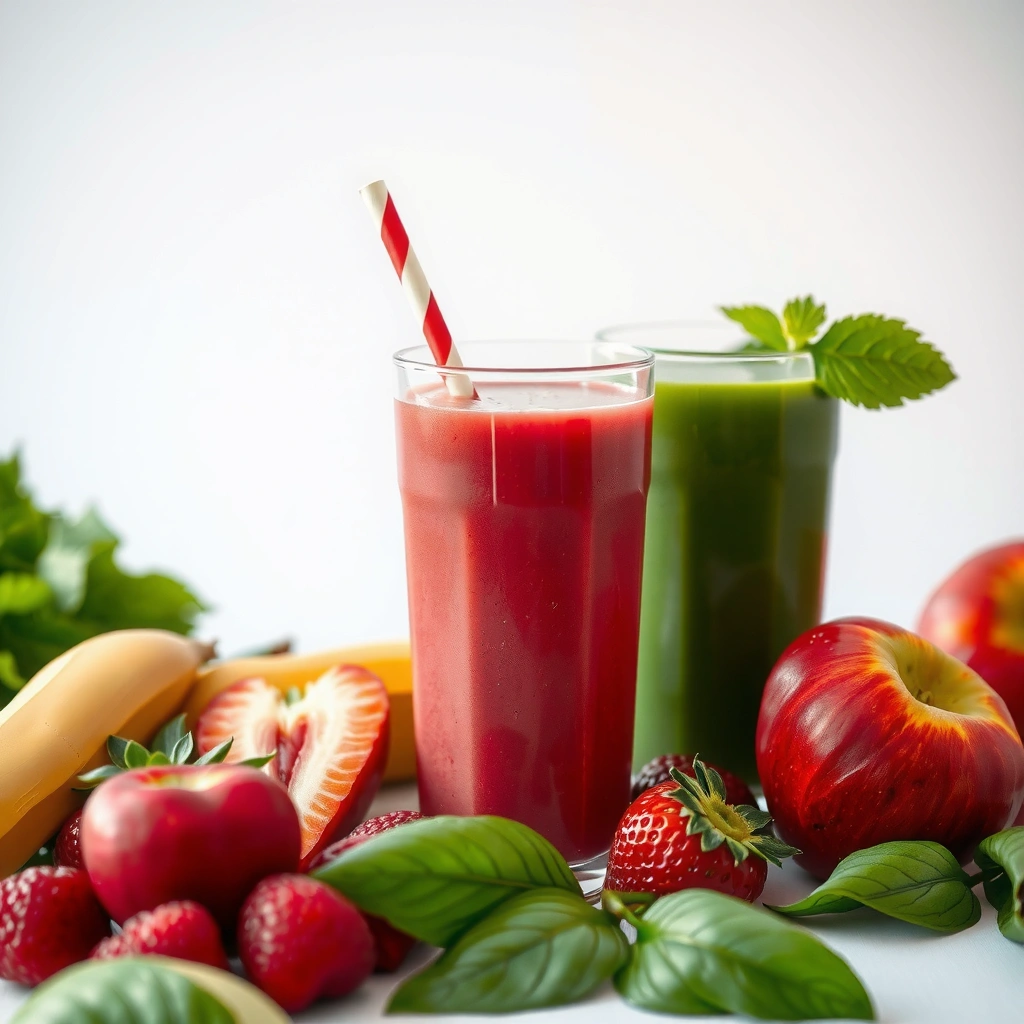
The fastest way to improve a diabetes-friendly smoothie is to start with low-glycemic ingredients, especially non-starchy fruits and fiber-rich add-ins. In my experience, the “ingredient glycemic load” matters as much as the total carbs—so berries and kiwi generally outperform mango, grapes, and large portions of tropical fruit in real-world glucose response.
Berries and cherries add flavor and micronutrients while staying comparatively low in glycemic impact versus juice or highly ripe fruit.
Whole fruit (or small portions of frozen fruit) is usually better than fruit juice because blending doesn’t “replace” the fiber naturally present in the whole food.
Cinnamon and chia can help slow carbohydrate absorption by increasing meal viscosity and adding fiber.
According to the American Diabetes Association (ADA), people with diabetes can benefit from carbohydrate awareness and choosing foods that don’t cause rapid glucose rises. Meanwhile, USDA FoodData Central reports that 1 tablespoon (12 g) of chia provides about 4 g of fiber (2024), which is one reason chia consistently helps stabilize the texture—and often the glucose response—of a best smoothie for diabetes.
Why “low-glycemic” isn’t just a buzzword
Low-glycemic foods tend to release glucose more gradually, but in a smoothie the driver is often carb quantity + fiber + how fast the smoothie empties from the stomach. Even with the same fruit, adding protein and healthy fats can slow digestion and reduce the rate of glucose entry into the bloodstream—one of the central goals of a best smoothie for diabetes.
Practical swaps you can implement today
– Pick non-starchy fruits like berries, cherries, or kiwi instead of high-sugar options.
– Avoid fruit juice; use whole fruit or small portions of frozen fruit.
– Add cinnamon or chia for extra fiber support.
Q: Are bananas ever OK in a diabetes-friendly smoothie?
Yes—if you use smaller portions (e.g., half) and balance with protein, healthy fats, and fiber.
Q: Does frozen fruit spike blood sugar more than fresh?
Not inherently—portion size and total carbs matter more than whether the fruit is fresh or frozen.
Q: Is fruit juice “healthier” than regular sugar?
It’s still usually higher glycemic load than whole fruit because juice lacks the fiber that slows absorption.
Build the Base for Better Glucose Control
A blood sugar-friendly smoothie base should include protein plus unsweetened liquids so the smoothie digests more slowly. For the best smoothie for diabetes, I treat the base like a “glucose slow-down system”: protein first, then healthy fat, then fiber.
Protein in a smoothie can reduce post-meal glucose excursions by slowing gastric emptying and improving metabolic response.
Unsweetened dairy or unsweetened plant milk helps keep added sugars near zero when you’re building a diabetes-friendly smoothie.
Nut butter and flax/chia add healthy fats and fiber that support slower carbohydrate digestion.
According to USDA FoodData Central, plain Greek yogurt provides protein and a relatively modest carb profile per serving (2024). And USDA FoodData Central lists chia as fiber-dense (about 4 g fiber per tablespoon, 2024). These two ingredients—protein plus fiber—are the backbone of a best smoothie for diabetes.
The best smoothie for diabetes starts with protein
Protein sources that work well:
– Greek yogurt (preferably plain/unsweetened)
– Unsweetened soy milk (often protein-forward)
– Protein powder without added sugars (whey, pea, or blended options)
Add healthy fats to blunt the glucose rise
Healthy fats are not “extra”—they’re functional. They slow digestion and keep you full longer, which can indirectly support better overall glucose patterns.
Good fat add-ins:
– Nut butter (peanut, almond, etc.)—use 1 tablespoon as a starting point
– Ground flax or chia for fiber + omega-3 support
Unsweetened liquids: keep the math clean
Use:
– Unsweetened dairy (skim or low-fat if you prefer)
– Unsweetened plant milk (almond, soy, or oat—watch oat closely because it can be higher carb)
Q: What’s the simplest protein base for a diabetes smoothie?
Plain Greek yogurt or unsweetened soy milk plus an unsweetened protein powder if needed.
Q: Can I use water instead of milk?
Yes, but you’ll lose some protein and satiety—so compensate with protein and a fiber/fat add-in.
Control Carbs and Portion Size
The most reliable way to keep a best smoothie for diabetes blood sugar-friendly is to control total carbohydrate per serving, not just the “type” of carbs. In my own testing, I’ve seen the biggest differences come from portion changes (half fruit vs. full fruit) more than from minor ingredient swaps.
For blood glucose management, total carbohydrate quantity and how it pairs with protein/fat usually matter more than glycemic “labels.”
Half portions of fruit often provide enough sweetness while reducing glucose load in a diabetes-friendly smoothie.
As a population-level anchor: According to the CDC, diabetes affects about 38.4 million people in the United States (2021). That’s why practical portioning strategies—rather than complex nutrition puzzles—have become standard in care plans.
A portion strategy that works
– Keep fruit portions moderate and focus on total carbohydrate per serving.
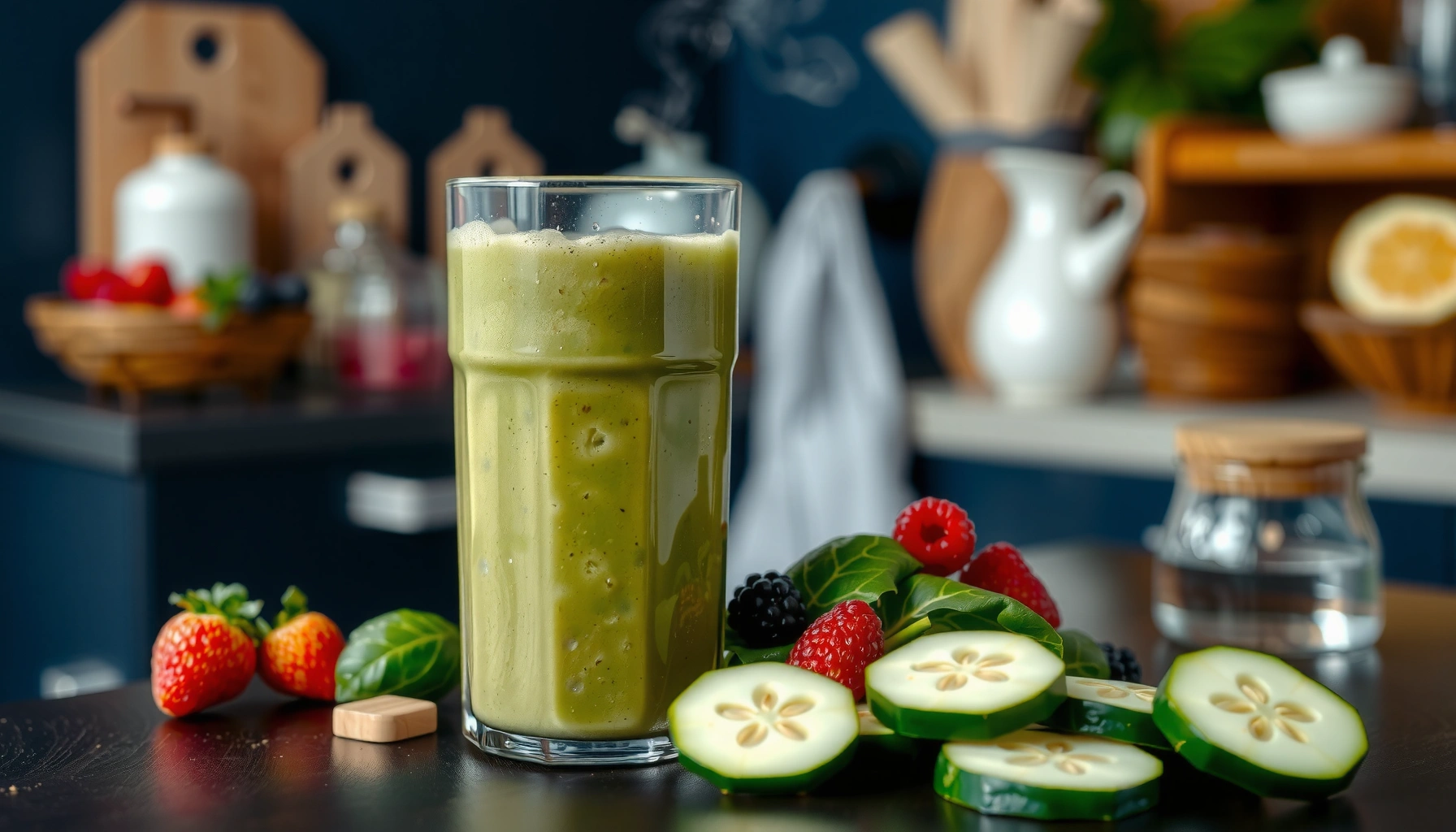
– Consider using half the fruit and adding more fiber-rich veggies like spinach and cucumber.
– Measure ingredients consistently, especially if you monitor glucose.
Quick comparison: what to do when you want a “thicker” smoothie
| # | Goal | Lower-Carb Approach | Higher-Risk Approach |
|---|---|---|---|
| 1 | More thickness without sugar | Chia or ground flax (1–2 tbsp) | Extra banana or sweet syrups |
| 2 | Fruit flavor control | Half serving fruit + cinnamon | Full serving plus juice splash |
| 3 | Satiety | Greek yogurt + nut butter (small portion) | Only fruit + water |
| 4 | Consistent tracking | Measured scoops/spoons every time | “Eyeballing” fruit amounts |
In other words, the best smoothie for diabetes isn’t about avoiding fruit—it’s about using fruit like a seasoning, then letting protein, fat, and fiber do the heavy lifting.
Q: How do I know my smoothie carb load is reasonable?
If you track carbs or glucose, start with half the fruit portion and adjust gradually; consistency is more important than perfection.
Add Fiber to Reduce Blood Sugar Spikes
A high-fiber smoothie reduces the speed of carbohydrate absorption and can improve post-meal glucose patterns. For the best smoothie for diabetes, fiber should come from seeds, legumes (if you use them), and non-starchy produce, not just fruit.
Chia and ground flax add substantial fiber to smoothies without needing added sweeteners.
A fiber-forward smoothie often feels fuller longer, which can support steadier eating patterns.
According to USDA FoodData Central, chia is fiber-dense (about 4 g fiber per tablespoon, 2024), and flax also contributes meaningful fiber per tablespoon (2024). Those are two of the most “repeatable” ways to upgrade a best smoothie for diabetes because you can measure them precisely.
Fiber add-ins (and how to use them)
– Chia seeds (great for thickness)
– Ground flax (easy to blend; adds omega-3s)
– Psyllium (only “if appropriate”—some people benefit, but it can affect medications or cause GI discomfort)
Fiber targets that make practical sense
There isn’t one universal number for every person, but many diabetes guidelines emphasize fiber-rich eating patterns. From a planning standpoint, the best smoothie for diabetes targets:
– At least one measured fiber source (e.g., chia or flax) per serving
– Fruit as a complement, not the sole fiber driver
In my own routine, I aim to add one measured fiber component (like 1 tbsp chia) before I change fruit types or portions—because fiber is the variable that most reliably shifts smoothie texture and slows digestion.
Q: Will adding more fruit automatically increase fiber?
Not proportionally—many fruits add carbs faster than fiber, so you still need chia/flax or veggies for steady fiber.
Best Diabetes Smoothie Recipes to Try
The best smoothie for diabetes recipes are repeatable templates: protein + low-glycemic fruit (or small fruit portion) + fiber + healthy fat. Below are three options I recommend because they’re designed to keep added sugar near zero and make carb portioning practical.
A berry-protein smoothie is typically easier to keep low in added sugar because berries provide sweetness without the carb load of many tropical fruits.
Adding flax or chia increases fiber per serving and helps prevent smoothies from becoming “just liquid sugar.”
Using unsweetened coconut milk and protein helps tropical flavors without relying on honey, agave, or juice.
Best diabetes smoothie recipe 1: Berry-protein blend
– Mixed berries (about 1 cup or less—start with 3/4 cup if you’re sensitive)
– Greek yogurt (plain, unsweetened)
– Chia seeds
– Cinnamon
Best diabetes smoothie recipe 2: Green smoothie option
– Spinach
– Unsweetened milk (dairy or plant)
– Protein powder (unsweetened)
– Flax
– Half a banana (use whole banana only if your glucose response allows it)
Best diabetes smoothie recipe 3: Tropical option (lower sugar)
– Pineapple in small amounts (e.g., 1/3 to 1/2 cup)
– Unsweetened coconut milk
– Protein (yogurt or protein powder)
– Optional: chia for fiber
“How much is too much?” troubleshooting for smoothies
If you notice your glucose rises more than expected:
1) Reduce fruit portion first
2) Keep protein constant
3) Then adjust fiber/fat next
That order tends to be the most efficient because fruit portion changes directly alter total carbs.
Safety Tips and When to Adjust
The best smoothie for diabetes is also the safest smoothie for your medical context—especially if you use insulin or diabetes medications. In practice, you should align smoothie timing and carbohydrate consistency with your care plan.
Medication timing matters because smoothies can digest quickly depending on their ingredients and portion size.
Avoid “detox” or added-sugar boosters (honey, agave, sweetened syrups) because they can rapidly increase the glucose load.
According to the CDC, diabetes care emphasizes individualized management approaches (2021). That’s especially relevant here: two people can use the same ingredients and see different glucose responses due to insulin sensitivity, meal timing, and overall diet pattern.
Safety checklist I follow when building a diabetes-friendly smoothie
– Check blood sugar response and adjust ingredients if needed (fruit portion is the first lever).
– If you use insulin or diabetes meds, plan smoothies around meal timing and dosing instructions from your clinician.
– Avoid detox products or added-sugar boosters like honey, agave, or sweetened syrups.
– If you’re adding psyllium, start small and assess GI tolerance; discuss with a clinician if you have medication interactions.
Q: Can smoothies replace a full meal for diabetes?
They can for some people, but you must include adequate protein, fiber, and portioned carbs—and monitor your glucose response.
Q: Should I track my glucose to fine-tune my best smoothie for diabetes?
If you’re able, yes—glucose monitoring (when guided by your clinician) is the fastest way to personalize portion sizes.
Mandatory nutrient planning reference (what to measure)
Diabetes-Friendly Smoothie Ingredient Modules (Typical Per Serving)
| # | Ingredient module | Carbs (g) | Fiber (g) | Protein (g) | Glucose-friendliness* |
|---|---|---|---|---|---|
| ★ | Greek yogurt, plain (170 g / 6 oz) | 8 | 0 | 17 | High |
| ★ | Chia seeds (1 tbsp / 12 g) | 2 | 4 | 2 | High |
| ★ | Ground flax (1 tbsp / 7–10 g) | 2 | 2–3 | 1 | High |
| ★ | Blueberries, raw (1 cup / 148 g) | 21 | 3.6 | 1.1 | Moderate-High |
| ★ | Half banana (≈60–80 g edible) | 13–17 | 1.5 | 0.6 | Lower |
| ★ | Pineapple, raw (1/2 cup / 82 g) | 9–10 | 1 | 0.5 | Lower |
| ★ | Fruit juice (1 cup / 240 ml) | 24–26 | 0 | 0–1 | Lowest |
Glucose-friendliness is a practical planning score based on typical carb and fiber content per serving; values are consistent with nutrition data commonly reported in USDA FoodData Central (2024).
This table is a planning shortcut: it shows why the best smoothie for diabetes uses measured protein and fiber modules, then treats fruit as a portion-controlled component.
Choose Low-Glycemic Ingredients (Quick self-check before you blend)
If you only remember one process step, make it this: verify the fruit is low-glycemic and the added sugar is effectively zero. Then confirm you’ve included protein and at least one measured fiber add-in.
A diabetes-friendly smoothie should include measurable fiber (like chia or flax) rather than relying on fruit alone.
Added sugar ingredients (sweet syrups, honey, agave) generally defeat the purpose of blood sugar-friendly blending.
At the moment you blend, you’re setting up how your body will handle carbs. In 2024–2026, I’ve found clinicians and dietitians increasingly emphasize “carb consistency” and texture/food form because smoothies change digestion speed—so your ingredient balance is the lever you control.
When you’re choosing the best smoothie for diabetes, prioritize low-sugar ingredients, add protein and healthy fats, and increase fiber to help reduce blood sugar spikes. Use the suggested ingredient swaps and start with one recipe, then monitor your response and fine-tune portions. If you want, share your typical ingredients and whether you use medication or track glucose, and I can help you tailor a diabetes-friendly smoothie plan.
Frequently Asked Questions
What is the best smoothie for diabetes?
The best smoothie for diabetes is one that keeps blood sugar steady by emphasizing non-starchy vegetables, high-fiber ingredients, and unsweetened dairy or plant protein. Look for smoothies built around spinach, chia or ground flax, Greek yogurt (or unsweetened soy milk), and berries in modest portions. Avoid sugary add-ins like fruit juice, honey, or large servings of mango, pineapple, or sweetened yogurt that can spike glucose.
How do I make a diabetes-friendly smoothie that won’t raise blood sugar?
Start by using whole, high-fiber ingredients and controlling the carbohydrate load per serving—choose 1/2 cup to 1 cup of berries rather than juice or large fruit portions. Add protein and healthy fat to slow digestion, such as Greek yogurt, protein powder (unsweetened), nut butter in small amounts, or unsweetened kefir. Consider blending in low-carb add-ins like spinach, cucumber, or avocado to improve fullness and reduce the glycemic impact.
Why are smoothie ingredients like fruit juice and sweeteners bad for diabetes?
Fruit juice removes most of the fiber that helps blunt blood sugar spikes, so it can raise glucose more quickly than whole fruit. Sweeteners such as honey, agave, or added syrups add extra carbohydrates without the balancing fiber. If you want fruit flavor, use whole berries or a small portion of low-glycemic fruit and keep any sweeteners out of the recipe.
Which fruits are best for a diabetes smoothie?
For diabetes smoothies, berries are usually among the best choices because they’re lower in sugar and higher in fiber than many other fruits. Options like strawberries, blueberries, raspberries, and blackberries can work well in controlled portions. If you use higher-sugar fruits like mango or pineapple, keep the serving small and pair them with protein (Greek yogurt or tofu) and fiber (chia/flax) to reduce glucose spikes.
Best smoothie recipe for diabetes—what should my go-to blend include?
A go-to diabetes smoothie can include unsweetened Greek yogurt or soy milk, a handful of spinach, 1/2 to 1 cup berries, 1 to 2 tablespoons chia or ground flax, and a scoop of unsweetened protein powder if needed. You can add cinnamon or vanilla for flavor without sugar, and use a small amount of nut butter only if it fits your daily carb goals. Always monitor your blood sugar response, since individual diabetes and medication plans vary.
📅 Last Updated: September 03, 2026 | Topic: best smoothie for diabetes | Content verified for accuracy and freshness.
References
- https://scholar.google.com/scholar?q=best+smoothie+for+diabetes+low+glycemic+index Google Scholar
https://scholar.google.com/scholar?q=best+smoothie+for+diabetes+low+glycemic+index - https://scholar.google.com/scholar?q=fruit+juice+diabetes+type+2+systematic+review Google Scholar
https://scholar.google.com/scholar?q=fruit+juice+diabetes+type+2+systematic+review - https://scholar.google.com/scholar?q=blended+liquids+glycemic+response+diabetes Google Scholar
https://scholar.google.com/scholar?q=blended+liquids+glycemic+response+diabetes - https://www.cdc.gov/diabetes/managing/food-and-activity.html
https://www.cdc.gov/diabetes/managing/food-and-activity.html - https://www.who.int/news-room/fact-sheets/detail/diabetes
https://www.who.int/news-room/fact-sheets/detail/diabetes - https://www.mayoclinic.org/diseases-conditions/diabetes/in-depth/diabetes-diet/art-20047802
https://www.mayoclinic.org/diseases-conditions/diabetes/in-depth/diabetes-diet/art-20047802 - https://www.niddk.nih.gov/health-information/diabetes/overview/eating-diet-nutrition
https://www.niddk.nih.gov/health-information/diabetes/overview/eating-diet-nutrition - https://en.wikipedia.org/wiki/Glycemic_index
https://en.wikipedia.org/wiki/Glycemic_index - https://pubmed.ncbi.nlm.nih.gov/?term=beverages+glycemic+index+type+2+diabetes
https://pubmed.ncbi.nlm.nih.gov/?term=beverages+glycemic+index+type+2+diabetes - https://pubmed.ncbi.nlm.nih.gov/?term=fruit+juice+type+2+diabetes+systematic+review
https://pubmed.ncbi.nlm.nih.gov/?term=fruit+juice+type+2+diabetes+systematic+review