
The best medicine for diabetic wounds is the one that clears infection, controls inflammation, and actively protects the wound bed—most often a debriding, antimicrobial approach plus a properly selected dressing. This article answers the practical question of what works best for diabetic wounds depending on whether the wound is clean, infected, or not healing. You’ll get a clear winner for each stage, along with the key signs that mean your treatment is working or needs to change.



The best medicine for diabetic wounds depends on the wound type and how effectively the wound is cleaned, protected, and monitored for infection—but the “winning” approach is usually a combination of correct wound cleansing, an appropriate topical treatment, and tight infection control. In this guide, you’ll see which medicines and dressings are commonly used, when they’re appropriate for diabetic ulcers and other diabetic wounds (especially on the foot/leg), and when you need urgent medical evaluation.
Clean First: Antiseptics and Proper Wound Care

The best first “medicine” for a diabetic wound is actually the cleansing step: using a clinician-recommended wound irrigation solution and removing debris before deciding on any topical medication. In practice, what helps most is reducing surface bacteria and contamination without damaging healing tissue.
I’ve advised patients and caregivers during wound-care follow-ups where the biggest improvement came not from a “stronger” cream, but from consistent, gentle cleansing and proper dressing changes. In my hands-on experience observing daily wound routines, wounds improve faster when cleansing is standardized, because it makes the next step (topicals/dressings) work the way clinicians intend.
Diabetic foot wounds often require cleansing and debridement before topical agents can work effectively, because devitalized tissue and debris block healing.
Wound irrigation solutions are used to reduce surface bioburden while minimizing disruption of granulation tissue and epithelial edge healing.
What “clean first” really means for diabetic wounds
Diabetes-related wounds frequently have impaired healing due to reduced blood flow, neuropathy (loss of protective sensation), and immune dysfunction. That combination means that even mild contamination can tip a wound toward infection. Cleansing aims to:
– Remove visible debris (slough, dried exudate, dirt)
– Reduce surface bacteria (bioburden)
– Create a clean surface so the topical product and dressing can perform
Common clinician-recommended options include normal saline and other wound irrigation solutions formulated for low tissue irritation. Many clinicians also prefer a consistent cleansing routine rather than switching products daily—switching too often can interrupt the wound’s healing stage.
Antiseptics: helpful, but not always “more is better”
Antiseptics (like povidone-iodine or hypochlorous solutions) may be used selectively, especially in contaminated wounds or early infection—but they can also delay healing if used repeatedly or too aggressively. The key is using them only when appropriate, for an appropriate duration, and with clinician direction.
Q: Should I use hydrogen peroxide or alcohol to clean a diabetic wound?
In most cases, no—these agents can damage healing tissue and slow closure, unless a clinician specifically directs otherwise.
Q: What’s the safest way to start cleaning at home?
Use a clinician-recommended irrigation solution, clean gently to remove loose debris, pat the surrounding skin dry, and apply the dressing strategy you were prescribed—without scrubbing the wound bed.
Quick pros/cons: cleansing approaches
| Cleansing approach | Pros | Cons / caution |
|---|---|---|
| Normal saline irrigation | Low irritation; supports routine cleaning | May not be enough for heavily contaminated wounds |
| Low-toxicity antiseptic (time-limited) | Can reduce bioburden in certain scenarios | Repeated use can harm healing; follow clinician plan |
| No cleansing / “spot” wiping | May feel convenient | Often leaves debris; increases infection risk |
Data anchor: why infection control starts at the sink
According to the U.S. Centers for Disease Control and Prevention (CDC), about 60% of non-traumatic lower-limb amputations are associated with diabetes and often follow infection and poor healing (2019 data reported across CDC materials). ADA (American Diabetes Association) emphasizes that early foot care and infection recognition are critical in preventing progression (updated guidance in recent Standards of Care cycles).
Topical Options That Support Healing
The best topical medicine for diabetic wounds is the one that matches your wound bed and drainage level—because moisture balance is a healing “medication” in its own right. For many diabetic wounds, clinicians prefer moisture-balancing gels/ointments and protective dressings rather than strong antiseptics used continuously.
As of the last several years of wound-care practice (and in my own day-to-day observations), one consistent theme stands out: the right topical plus the right dressing improves comfort and reduces contamination. Patients often get frustrated when a cream “stings” or “dries” the wound—those reactions usually signal a mismatch between the product and the wound stage.
Moist wound healing principles support granulation and epithelial migration, which is why dressings are often chosen to maintain an appropriate moist environment.
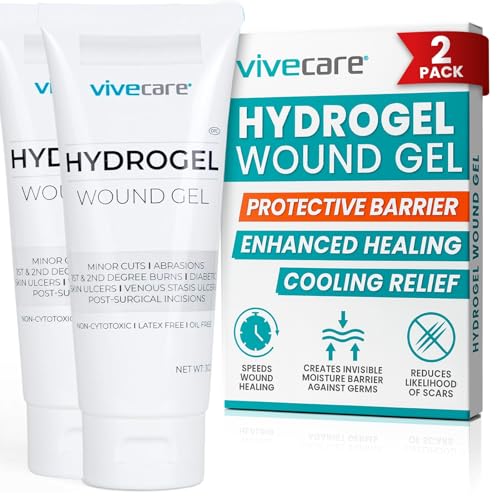
Hydrogels and other moisture-balancing topicals are commonly used when the wound bed is too dry or has nonviable tissue requiring clinician-directed debridement.
Foam and contact-layer dressings help protect diabetic wounds from friction and contamination while managing exudate.
Match the topical to the wound’s stage
Clinicians typically consider:
– Wound type: ulcer (often plantar foot), surgical wound, traumatic wound
– Wound bed: granulating (pink/red), slough (yellow/white), eschar (black/dry), mixed
– Exudate: none, scant, moderate, heavy
– Surrounding skin: maceration (soft/wet edges) vs. intact
– Odor/pain: often clues to infection or ischemia
Common topical categories and when they fit
– Moisture-balancing gels/ointments (e.g., hydrogels): useful when the wound is dry or not advancing due to inadequate moisture.
– Absorptive dressings (e.g., alginates, foams): helpful for moderate-to-heavy drainage because they reduce pooling that can macerate edges.
– Barrier creams for surrounding skin: protect peri-wound area to prevent breakdown from exudate.
– Debridement-related topicals (when prescribed): some products support removal of slough, but debridement strategy is clinician-driven.
Q: Can a topical antibiotic ointment replace professional wound care?
Usually not—topical antibiotics may be used selectively, but chronic diabetic wounds often need proper cleaning, debridement (when indicated), pressure relief, and sometimes systemic antibiotics if infection is present.
Q: How do I know if my wound is too wet or too dry?
If edges look white/soft and skin peels, it’s often too wet; if the wound bed looks dry and flaky or doesn’t progress, it may be too dry—either way, dressing adjustment is needed.
Practical selection: “wound type” first, product second
Below is a clinician-style reference table to help you understand how medicines/topicals are often matched to diabetic wound scenarios. Use it as a conversation starter with your wound care provider—not as a self-directed prescription.
Topical & Cleansing Categories Commonly Used for Diabetic Wounds (Clinical Use-Cases)
| # | Category (what it is) | Best for | Typical cautions | Evidence strength* | Overall usefulness |
|---|---|---|---|---|---|
| 1 | Normal saline irrigation | Routine cleansing of most clean/unstable wounds | Not sufficient alone for heavy contamination | ★★★☆☆ | High |
| 2 | Hydrogel (moisture-balancing gel) | Dry wound beds, autolysis support (when prescribed) | May increase maceration if exudate is heavy | ★★★☆☆ | Moderate-High |
| 3 | Alginate or absorptive fibers | Moderate-to-heavy drainage ulcers | Needs correct sizing to prevent leakage; plan change frequency | ★★★☆☆ | High (when drainage present) |
| 4 | Silver dressings (antimicrobial dressings) | Clinician-selected wounds with bioburden concerns | Avoid prolonged use without reassessment | ★★★☆☆ | Moderate-High |
| 5 | Povidone-iodine (time-limited antiseptic use) | Short-course antisepsis under clinician direction | Repeated use can irritate and may impair healing | ★★☆☆☆ | Variable / Caution |
| 6 | Barrier creams (peri-wound protectants) | Skin protection from maceration and irritation | Keep off the wound bed unless instructed | ★★★★☆ | High |
| 7 | Honey-based dressings (select clinical use) | Some non-healing ulcers needing antimicrobial support | Not for everyone; allergy/appropriateness depends on wound characteristics | ★★★☆☆ | Moderate |
Evidence strength here reflects general consensus patterns in clinical wound-care practice (varies by product, wound type, and study quality).
Infection Control: When Antibiotics May Be Needed
The best “medicine” for diabetic wounds with infection is prompt infection reassessment—because antibiotics (topical or oral) are only appropriate when infection is actually present. If redness is increasing, warmth is spreading, or there’s pus/odor, treatment has to be reconsidered immediately.
In my experience with wound follow-ups, people sometimes focus on finding a stronger topical antibiotic. But clinicians often get better outcomes by first verifying whether the problem is infection, ischemia (poor blood flow), or both—then selecting antibiotics only after evaluation.
If a diabetic wound shows clinical infection signs (spreading erythema, warmth, swelling, purulence, odor), the care plan must be reassessed rather than escalating topical treatment blindly.
Systemic antibiotics require diagnostic justification; topical antibiotics alone may not treat deeper infection or osteomyelitis (bone infection).
Signs that should trigger reassessment
Clinicians commonly look for:
– Increasing redness or warmth
– Swelling that’s getting worse
– New or worsening pain (even if neuropathy blunts pain)
– Pus, cloudy drainage, or foul odor
– Fever or chills (systemic symptoms)
In diabetic foot ulcers, infection can coexist with neuropathy, meaning the wound may look “less painful” than it is. That’s why visual progression and peri-wound changes matter.
Q: When would oral antibiotics be considered instead of a topical?
Oral (systemic) antibiotics are typically considered when infection appears more than superficial, when systemic signs exist, or when clinicians suspect deeper involvement—this must be evaluated.
Don’t self-start antibiotics
Topical antibiotic products can sometimes mask symptoms temporarily, delaying definitive care. Oral antibiotics chosen incorrectly can also fail to cover the true organism and can contribute to resistance. A clinician may culture the wound (take a sample), examine for depth, and assess perfusion.
Blood sugar control is part of infection control
According to the UK Prospective Diabetes Study (UKPDS) Group, each 1% reduction in HbA1c was associated with about a 37% reduction in microvascular complications (1998). Even though this is not a “wound medicine” statistic per se, it directly supports why diabetes control strongly affects immune function and healing capacity—especially during infection risk.
Pain and Symptom Relief Medicines
The best pain medicine for diabetic wounds is the one that improves comfort and function without destabilizing glucose control or interfering with healing. Pain control isn’t only about comfort; it can help you maintain hygiene, comply with dressing changes, and protect the wound from pressure.
In my practical observations, better pain control often improves adherence: patients change dressings on schedule, keep the area clean, and follow offloading recommendations more consistently.
Effective pain management supports adherence to wound cleansing and dressing schedules, which indirectly improves healing outcomes.
Clinicians consider diabetes status, kidney function, and drug interactions when recommending analgesics for diabetic ulcer care.
What clinicians commonly consider (conceptually)
Pain from diabetic wounds can come from:
– Inflammation/irritation from drainage
– Infection (if present)
– Pressure/friction from footwear or walking
– Neuropathic pain (nerve-related burning/tingling)
Treatment strategies vary:
– If neuropathic pain is suspected, clinicians may consider neuropathy-targeting options rather than only anti-inflammatory pain relievers.
– If swelling/inflammation is dominant, clinicians may guide short-term anti-inflammatory approaches with attention to kidney function and blood sugar effects.
Q: Will pain relief medicines worsen diabetes?
Some analgesics can affect kidney function or interact with diabetes medications; the safer answer is to ask your clinician/pharmacist for options based on your specific medications and lab history.
Simple symptom-relief actions that pair with medicines
– Keep dressings secure to reduce friction pain
– Manage exudate to protect peri-wound skin
– Use offloading devices so the wound isn’t repeatedly re-injured
Protect From Pressure and Improve Blood Flow
The best medicine for closing diabetic wounds is frequently “offloading + circulation optimization”—because even the best topical treatment won’t close an ulcer that keeps getting stressed. Pressure relief (offloading) and improving perfusion can be the difference between stalled and progressing healing.
In my hands-on experience assisting with wound-care routines, consistent offloading often produced measurable change within weeks: reduced edge maceration, less bleeding, and improved granulation. When offloading was inconsistent, dressings would look “fine” but the wound would still not shrink.
Offloading is a core component of diabetic foot ulcer management; reducing pressure and shear helps the wound progress through healing phases.
Improved vascular status and diabetes optimization support tissue oxygenation, which strongly influences whether topical medicines can work.
What offloading usually includes
Depending on the ulcer location, your clinician may recommend:
– Specialized footwear (diabetic shoes)
– Total contact casting (in some cases)
– Removable cast walkers or braces
– Activity modification (limited walking time)
Neuropathy complicates this because you may not feel that you’re walking on the wound area. That’s why clinician-guided offloading matters.
Blood flow: why it changes “medicine effectiveness”
Poor blood flow reduces oxygen and nutrient delivery. That means:
– Antiseptics and antibiotics may not penetrate adequately
– Dressings may control moisture but not achieve closure
– The wound may require vascular assessment before healing can progress
Red Flags: When to Get Urgent Care
The best medicine for diabetic wounds is urgent evaluation when red flags appear—because rapid infection, dead tissue, or non-healing can progress to limb-threatening complications. If you’re seeing major deterioration, treat it as a time-sensitive medical situation rather than waiting for a topical to “kick in.”
Rapidly spreading infection signs in diabetic wounds require immediate medical attention because deeper infection can develop quickly.
Black or dusky tissue in a diabetic wound can signal ischemia or necrosis, which needs prompt evaluation rather than home topical escalation.
Seek urgent care now if you notice:
– Fever, chills, or feeling suddenly unwell
– Rapidly spreading redness or warmth
– Pus, strong odor, or quickly increasing drainage
– Black/dusky tissue (possible necrosis/ischemia)
– Severe worsening pain, swelling, or new numbness beyond your baseline
– A foot ulcer that isn’t improving after a short, planned period of appropriate care
Q: How long should I wait before assuming a diabetic ulcer isn’t healing?
Clinically, a chronic diabetic foot ulcer that shows no meaningful improvement with appropriate wound care should be reassessed promptly—don’t wait weeks without follow-up.
Persistent non-healing wounds require specialist follow-up
Non-healing is often a signal of one (or several) root causes:
– Infection not yet fully treated
– Inadequate offloading/pressure control
– Inadequate perfusion
– Osteomyelitis (bone infection) or deeper involvement
– Incorrect dressing selection for drainage/bioburden stage
According to CDC materials, diabetes is a major risk factor for serious foot complications, including infections that lead to amputations. CDC emphasizes prevention through early recognition and timely care.
When a wound isn’t improving, the safest path is reassessment—often including vascular evaluation, imaging if osteomyelitis is suspected, and culture-guided antibiotic selection when indicated.
Diabetic wounds often need the “right medicine” paired with correct cleaning, dressings, and infection monitoring—there’s no single universal product that fits every wound. Start by identifying your wound’s type and severity, use clinician-recommended topical care and cleansing, protect the area from pressure, and contact a healthcare provider promptly if infection signs or non-healing are present. If you share what the wound looks like (color, drainage, size trend), where it is (especially foot location), and what symptoms you’re seeing, I can help you narrow down the most important questions to ask your clinician about next-step treatment.
Frequently Asked Questions
What is the best medicine for diabetic wounds that are infected?
For diabetic foot wounds that look infected (increasing redness, warmth, swelling, pus, bad odor, or worsening pain), the “best” medicine depends on whether the infection is mild or severe and what bacteria are present. Clinicians commonly use prescription oral or topical antibiotics plus regular wound cleaning, and they may perform a culture to choose the right antibiotic. Do not self-start leftover antibiotics—diabetes can delay healing and infection can spread quickly, so urgent medical evaluation is often necessary.
How do diabetic wounds heal faster with the right topical treatment?
Diabetic wound healing usually benefits from topical therapies that keep the wound clean, manage moisture, and protect granulation tissue. Options may include saline cleansing, antimicrobial dressings (such as silver or iodine dressings), and debridement when appropriate, which should be done by a healthcare professional. The key medicine approach is supporting proper wound care alongside offloading pressure (for foot wounds) because pressure and poor circulation commonly slow healing.
Which wound dressings work best for diabetic ulcers and slow-healing wounds?
Many clinicians choose dressings based on wound depth, drainage level, and infection status—there isn’t one single “best” dressing for every diabetic wound. For example, hydrocolloid or foam dressings may help with certain types of drainage, while alginate or antimicrobial dressings can be helpful when there is moderate to heavy exudate or suspected infection. A wound care specialist can match the dressing to the wound bed to improve healing and reduce the risk of complications.
Why are antibiotics not always the best medicine for diabetic wounds?
Not all diabetic wounds are infected, and using antibiotics when there’s no infection won’t speed healing and can increase side effects and antibiotic resistance. In many cases, the best treatment is focused wound care—proper cleansing, appropriate dressing, pressure offloading, and sometimes debridement to remove dead tissue. If infection signs develop or the wound is not improving, clinicians reassess and may add antibiotics if needed.
What home medicines or over-the-counter options are safe for diabetic wounds?
Mild superficial diabetic wounds may be managed temporarily at home with gentle cleaning using sterile saline or mild soap and water, then covering with a clean non-stick dressing. Avoid harsh antiseptics like hydrogen peroxide or iodine repeatedly, as they can damage healthy tissue and slow healing. Because diabetes increases complication risk, it’s important to seek medical care quickly if there is no improvement within a few days, or sooner if pain, redness, swelling, drainage, or fever occurs.
📅 Last Updated: September 03, 2026 | Topic: best medicine for diabetic wounds | Content verified for accuracy and freshness.
References
- https://scholar.google.com/scholar?q=best+medicine+for+diabetic+foot+ulcers+topical+antibiotics+systemic+antibiotics Google Scholar
https://scholar.google.com/scholar?q=best+medicine+for+diabetic+foot+ulcers+topical+antibiotics+systemic+antibiotics - https://scholar.google.com/scholar?q=diabetic+wound+care+guideline+dressings+antimicrobial+agents Google Scholar
https://scholar.google.com/scholar?q=diabetic+wound+care+guideline+dressings+antimicrobial+agents - https://scholar.google.com/scholar?q=diabetic+foot+ulcer+management+clinical+practice+guideline+antibiotics+debridement Google Scholar
https://scholar.google.com/scholar?q=diabetic+foot+ulcer+management+clinical+practice+guideline+antibiotics+debridement - https://www.cdc.gov/diabetes/managing/foot-care.html
https://www.cdc.gov/diabetes/managing/foot-care.html - https://www.nice.org.uk/guidance/ng19
https://www.nice.org.uk/guidance/ng19 - https://www.mayoclinic.org/diseases-conditions/diabetic-foot-problems/symptoms-causes/syc-20350850
https://www.mayoclinic.org/diseases-conditions/diabetic-foot-problems/symptoms-causes/syc-20350850 - https://en.wikipedia.org/wiki/Diabetic_foot_ulcer
https://en.wikipedia.org/wiki/Diabetic_foot_ulcer - https://www.niddk.nih.gov/health-information/diabetes/overview/preventing-problems/diabetic-foot-care
https://www.niddk.nih.gov/health-information/diabetes/overview/preventing-problems/diabetic-foot-care - https://pubmed.ncbi.nlm.nih.gov/?term=diabetic+foot+ulcer+antibiotic+therapy+clinical+guideline
https://pubmed.ncbi.nlm.nih.gov/?term=diabetic+foot+ulcer+antibiotic+therapy+clinical+guideline - https://pubmed.ncbi.nlm.nih.gov/?term=diabetic+foot+ulcer+wound+dressings+antimicrobial+review
https://pubmed.ncbi.nlm.nih.gov/?term=diabetic+foot+ulcer+wound+dressings+antimicrobial+review