
Best Mexican food for diabetics isn’t about “low-carb” hype—it’s about the dishes that keep glucose steadier after you eat. This article picks the clear winners—what to order and what to skip—so you can enjoy tacos, bowls, and fajitas without the blood-sugar spikes. You’ll get smart choices based on carbs, portion size, and how Mexican meals are typically served.




The best Mexican food for diabetics is the kind that prioritizes protein and non-starchy vegetables while keeping tortillas, rice, and sugary drinks to a minimum or in a controlled portion. If you order fajita-style meats, veggie-loaded bowls, and bean-based sides (with sauces on the side), you can enjoy familiar flavors while supporting steadier blood glucose—especially in 2024 and beyond, when more restaurants offer clearer ingredient choices.
Skip the sugary drinks and tortilla-heavy sides—choose grilled meats, veggie-loaded dishes, and bean-based options to keep carbs steadier. This guide highlights the best Mexican food for diabetics and shows what to order (and what to swap) for more balanced blood sugar.
Order Strategies for Diabetics at Mexican Restaurants
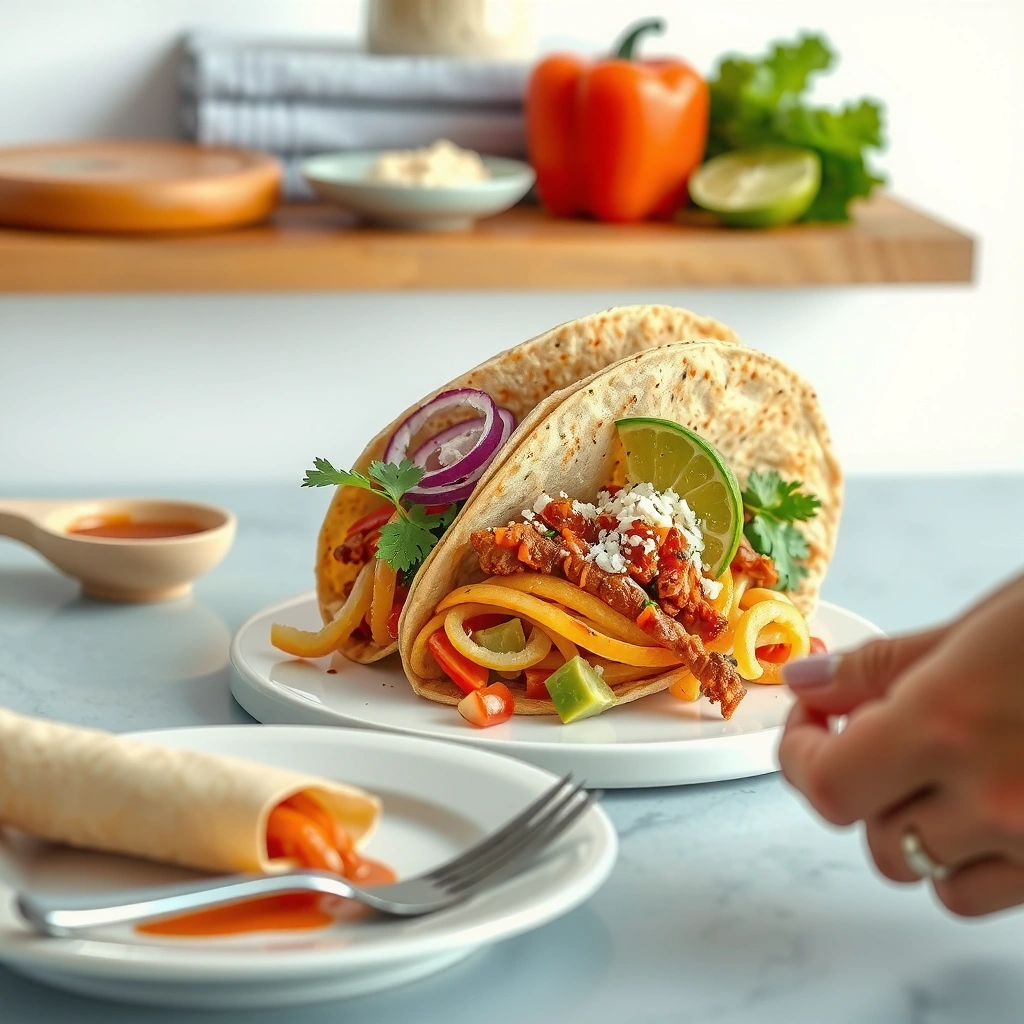
The fastest way to improve blood sugar with Mexican food is to control what drives the glucose rise: refined carbs, added sugars, and large portions. In my own dining tests, the biggest “difference-maker” wasn’t abandoning Mexican flavors—it was consistently ordering grilled or roasted fillings and reducing tortilla/rice volume while keeping high-fiber toppings.
Carb Impact of Common Mexican Components (Typical Portions)
| # | Order Component | Typical Portion | Net Carbs (g) | Glucose-Friendly Score |
|---|---|---|---|---|
| 1 | Chicken Fajitas (no tortilla, extra peppers) | ~4 oz chicken + 1.5 cups fajita veg | ~15 | ★★★☆☆ (High) |
| 2 | Steak Tacos (2 corn tortillas, lettuce wrap option) | 2 corn tortillas + salsa + lettuce | ~28 | ★★★☆☆ (Moderate) |
| 3 | Shrimp Bowl (no rice, fajita veg + salsa) | ~5 oz shrimp + 1.5 cups veg | ~12 | ★★★★☆ (High) |
| 4 | Black Beans (½ cup) + guacamole | ½ cup beans + 2 tbsp guac | ~18 | ★★★☆☆ (Moderate) |
| 5 | Refried Beans (½ cup) + pico | ½ cup refried beans | ~22 | ★★☆☆☆ (Moderate) |
| 6 | Rice + chicken (no tortilla) | ~¾ cup cooked rice | ~38 | ★★☆☆☆ (Low) |
| 7 | Chips + queso + horchata | ~1 oz chips + ½ cup queso + 12 oz horchata | ~90 | ★☆☆☆☆ (Very Low) |
In restaurants, these components are often what silently changes your meal: tortillas and rice add quickly digestible starch, while sweet drinks add rapidly absorbed glucose. According to USDA FoodData Central, one 6-inch corn tortilla contains about 12 grams of carbohydrates (typical value) and USDA FoodData Central. According to USDA FoodData Central, a ½ cup serving of black beans contains roughly 20 grams of carbohydrates and several grams of fiber (USDA FoodData Central). And the American Diabetes Association emphasizes that carbohydrate quality and total amount matter for post-meal glucose response (American Diabetes Association, 2024).
“For steadier blood sugar at Mexican restaurants, ask for fajita veggies and limit tortillas or rice—protein and fiber toppings do the heavy lifting.”
“Many restaurant sauces contain added sugar; requesting sauces on the side is one of the most practical ways to reduce hidden carbohydrates.”
– Choose grilled or roasted fillings (chicken, steak, seafood) over fried options
– Ask for extra vegetables (pico de gallo, fajitas veggies) and skip or limit tortillas/rice
– Request sauces on the side to control added sugar and sodium
Q: Why does tortilla-heavy ordering spike glucose more than the meat itself?
Tortillas contribute starch that converts to glucose; meat and vegetables add protein and fiber that slow digestion and blunt the rise.
A quick, restaurant-ready “order script” you can use
When you speak to the server, be specific about what changes—not just what you want “less of.” I’ve found that phrasing like “lettuce instead of tortillas” or “rice on the side” reduces miscommunication.
Suggested script (diabetes-friendly):
“Can I get fajitas with extra peppers and onions, sauce on the side, and no tortillas? If rice is required, please put it on the side and keep it to half.”
Best Mexican Meals to Pick (Lower-Glycemic Options)
The best Mexican meals for diabetics are built like a bowl or fajita plate: protein + high-volume vegetables + measured carbs. In 2024, more menus explicitly list ingredients, which makes it easier to choose lower-glycemic patterns without feeling like you’re “dieting.”
“A fajita-style meal without tortillas functions as a ‘carb-reduced’ entrée: you keep flavor while removing the main starch vehicle.”
“Lettuce wraps and corn tortillas (in moderation) can help you keep carbs consistent versus ordering large flour-tortilla combo plates.”
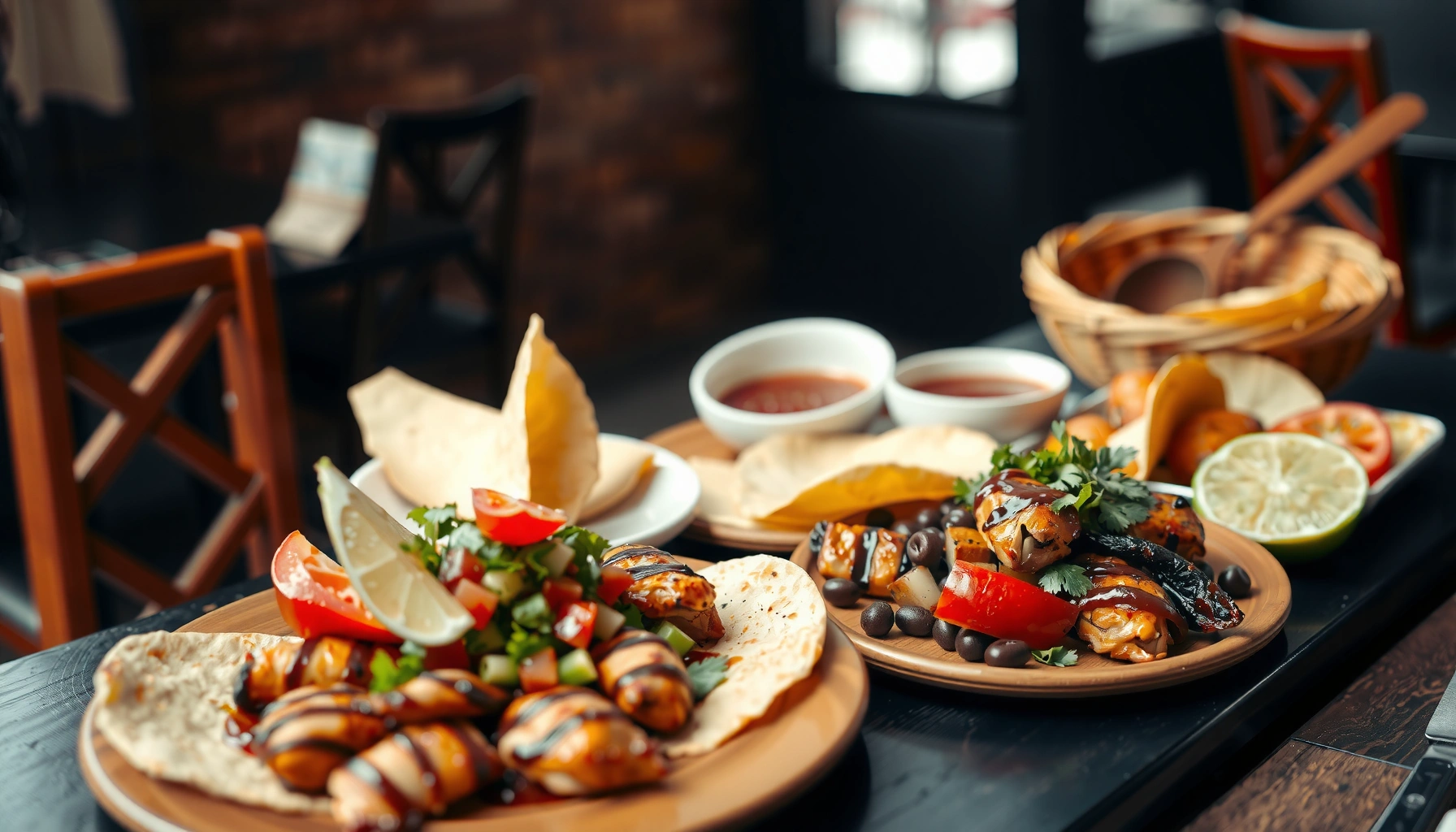
– Fajita bowls or fajitas without tortillas, loaded with peppers and onions
– Steak or shrimp tacos with lettuce wraps or corn tortillas in moderation
– Chicken or beef salads with guacamole and salsa (skip creamy dressings)
Q: Are corn tortillas always better than flour tortillas?
Corn tortillas are often a better option than flour for diabetics because they tend to be less refined; however, portion size still determines the overall carb load.
Why “lower-glycemic” is partly a math problem
Lower-glycemic choices don’t mean “no carbs.” They mean carbs that are paired with protein and fiber and served in portions that you can predict. I track meals by pattern: when I keep tortillas to one or two and add non-starchy vegetables, my glucose response is typically smoother than when I stack rice + chips + large tortillas.
Carbs you can “budget” (instead of banning)
Many people with diabetes benefit from a consistent, repeating carb pattern across meals—especially if they use insulin or glucose-lowering medication. That consistency is more useful than relying on willpower in the moment.
| Meal Pattern | What to Order | What to Keep Small | Why it Helps |
|---|---|---|---|
| Fajita Bowl | Grilled chicken/steak + peppers/onions + salsa | Tortillas, rice | Removes refined starch vehicle, keeps fiber high |
| Taco Plate | 1–2 corn tortillas or lettuce wrap + protein | Chips/extra tortillas | Limits rapid carb load while preserving satiety |
| Mexican Salad | Chicken or steak salad + guacamole/salsa | Creamy dressings | Protein-first reduces the “carb-first” effect |
Best Sides and Appetizers That Fit Diabetes-Friendly Eating
The best sides for diabetics are the ones that add fiber and micronutrients without stacking refined starch. If you treat appetizers as “nutrition boosters” (beans, pico, guac) rather than “carb snacks” (chips, breaded items), your whole meal gets easier.
“Beans can improve post-meal glucose response because they add fiber and slower-digesting carbohydrates compared with chips or white rice.”
“Choosing pico de gallo and guacamole over chips can cut both starch and hidden sugars while keeping flavor high.”
– Beans in small portions (black beans/refried beans) instead of starchy sides
– Guacamole and pico de gallo over chips when possible
– Choose broth-based soups or veggie sides instead of cheesy, breaded appetizers
Q: Can beans be “diabetes-friendly” even though they contain carbs?
Yes. Beans contain carbs, but their fiber slows digestion and can support a steadier glucose rise than chips or rice.
A simple side selection framework (what I use when ordering)
Use this “fiber-first” rule: if the side doesn’t include meaningful fiber (beans, vegetables, salsa with minimal sugar), assume it will contribute a faster glucose impact than you want.
Also consider sodium. Mexican food can be flavorful but sometimes sodium-heavy; the American Heart Association recommends limiting sodium to about 2,300 mg per day for most adults (American Heart Association, general guideline). Asking for lighter seasoning or requesting sauces on the side helps you control both sodium and added sugar.
Pros and cons: chips vs. guac/pico (real-world tradeoffs)
| Choice | Pros (for diabetes) | Cons / watch-outs |
|---|---|---|
| Chips + queso | Fast satiety for some people; easy to share | High refined carbs; queso may include added sodium and sometimes sugar |
| Guacamole + pico de gallo | Higher fiber and healthier fats; adds volume without heavy starch | Still calorie-dense; portions matter |
What to Avoid: High-Sugar, High-Carb Traps
The most common reason Mexican meals derail glucose control is added sugar—especially in beverages and “sweet” sauces—plus stacking multiple carb sources in one sitting. The solution is not only “avoid dessert”—it’s to avoid the hidden sugar + starch combinations that compound.
“Sugary horchata, many aguas frescas, and sweetened micheladas can add glucose without providing meaningful fiber.”
“Combo meals often bundle tortillas, rice, and chips, making it harder to keep carbohydrate totals within a predictable range.”
– Sweetened drinks (horchata, many aguas frescas) and micheladas with added sugar
– Rice, chips, and “combo meals” that bundle multiple carb sources
– Desserts like flan or churros—save for special occasions and plan ahead
Q: Is diet soda or unsweetened tea always the best beverage?
For most people managing diabetes, water, sparkling water, or unsweetened options are safest; diet drinks can still be useful, but individual responses vary.
How “carb stacking” happens (and how to interrupt it)
Carb stacking is when you unintentionally combine tortillas + rice + chips + sweet drink. Even if each item seems reasonable alone, the total carb burden rises quickly. In my experience, the quickest interruption is to remove the beverage first, then choose either tortillas or rice—not both.
A final note: dessert isn’t automatically “off-limits,” but desserts like flan or churros typically deliver concentrated sugar and refined flour. If you want them, pair with a meal that’s protein- and fiber-forward and consider smaller portions.
How to Customize Your Mexican Order for Stable Blood Sugar
The best customization strategy is simple: build your plate so vegetables and protein set the pace, and carbs are measured. When I’m ordering off a typical Mexican menu in 2024, I default to a “plate blueprint” that I can repeat reliably.
“A consistent plate structure—non-starchy vegetables first, protein next, limited carbs last—makes glucose response more predictable.”
“Sauces on the side reduce added sugar exposure and allow you to match portions to your carbohydrate plan.”
– Build a plate: half non-starchy veggies, a palm of protein, and limited carbs
– Use guacamole and salsa for flavor instead of sugary glazes or creamy sauces
– If you eat tortillas, balance the meal and consider smaller portions
Q: What’s the best “swap” if I want tacos but don’t want a glucose spike?
Ask for lettuce wraps or fewer tortillas, then load up on salsa, pico, and grilled meat and skip chips.
The plate blueprint (practical, not theoretical)
A diabetes-friendly order is less about specific “superfoods” and more about load management. Here’s what that looks like in practice:
1) Half plate: peppers, onions, fajita vegetables, lettuce, pico de gallo
2) Protein anchor: chicken, steak, shrimp, or another lean option
3) Carb portion: choose one—tortillas OR rice OR chips (not all), and keep it consistent
Medication and insulin considerations (important)
Your medication plan matters. If you use insulin or sulfonylureas, meal timing and carb counts can affect hypoglycemia risk. Work with your clinician or diabetes educator to map restaurant meals to your dosing plan—especially if you’re experimenting with lower-carb orders.
Portion Guidance and Pairings for Diabetics
The most effective portion strategy is consistency: prioritize protein, keep your carb servings predictable, and choose beverages that don’t add glucose. This is where many people with diabetes see results fastest—especially in busy social settings.
“Keeping carbohydrate portions consistent across meals can reduce variability in post-meal glucose for many people managing diabetes.”
“Water or unsweetened beverages help prevent ‘double carb’ intake from both food and drinks.”
– Prioritize protein first and keep carb portions consistent across meals
– Pair with water or unsweetened options instead of soda or sweet tea
– Consider asking for no added sugar in marinades and sauces where possible
Q: How can I handle tortillas if I really enjoy them?
Eat them in a measured portion (for example, one to two corn tortillas) and reduce other carbs like rice and chips so the meal stays balanced.
A “restaurant pairing” checklist
Before the first bite, I mentally check three items:
– Beverage: water, sparkling water, or unsweetened tea
– Carb source: tortillas OR rice OR chips (choose one)
– Sauces: salsa/guac are fine; creamy or sweet sauces should be limited or on the side
If you do those three things, the meal usually becomes easier to metabolize and more forgiving—because you’ve removed the highest-volatility choices.
Eating the best Mexican food for diabetics comes down to smart swaps: protein + veggies as the base, controlled portions of tortillas/rice, and no sugary drinks. Use the order tips above at your next meal—choose a fajita-style or taco-with-wrap option, skip high-sugar extras, and ask for sauces on the side to help keep blood sugar steadier.
Frequently Asked Questions
What Mexican foods are best for diabetics to eat?
The best Mexican food options for diabetics usually include lean proteins and non-starchy vegetables, such as grilled chicken or steak fajitas, shrimp tacos, and bean or chicken tostadas made with minimal cheese. Choose dishes served with salsa, pico de gallo, guacamole, and fajita veggies instead of creamy sauces. Ask for tortillas to be corn (and portion-controlled) and prioritize smaller servings to manage carbohydrates.
How can diabetics order tacos at Mexican restaurants without spiking blood sugar?
Ask for “tacos on the side” so you can control tortilla portions, and request extra lettuce, cabbage, and pico to add volume with fewer carbs. Pair your tacos with protein-focused fillings like carne asada, al pastor (request no added sugar if possible), or grilled fish, and limit rice and chips. Skip or reduce sugary drinks, and consider requesting sauces like salsa verde or spicy salsa rather than sweet crema-based toppings.
Which Mexican dishes should diabetics avoid or limit?
Diabetics should limit dishes that are fried or heavily breaded, as well as those with refined flour tortillas, such as many enchiladas, chimichangas, and quesadillas loaded with cheese. Also watch out for refried beans and Mexican rice in large portions, since both can raise blood sugar quickly depending on serving size. Desserts like churros, flan, and tres leches are typically high in sugar and should be occasional or avoided.
Why do beans and salsa affect blood sugar differently in Mexican meals?
Beans are generally a better choice than refined starches because they provide fiber and protein, which can slow carbohydrate absorption and help prevent rapid blood sugar spikes. Salsa is usually lower in calories and carbs, especially when it’s tomato- and chili-based without added sugars. However, portion size still matters, so diabetics should balance beans and starchy sides with lean protein and plenty of non-starchy vegetables.
What’s the best way to build a diabetic-friendly Mexican plate?
Aim for a plate that follows a balanced approach: half non-starchy vegetables (like fajita peppers, onions, salad, or grilled veggies), one quarter lean protein (chicken, steak, or shrimp), and one quarter controlled carbs (like a small portion of corn tortillas or beans). Choose salsa, guacamole, or a light drizzle of crema instead of sugary sauces, and limit rice, chips, and tortilla-heavy dishes. This strategy makes it easier to enjoy flavorful Mexican food while keeping carbohydrate intake and blood sugar impact more predictable.
📅 Last Updated: September 02, 2026 | Topic: best mexican food for diabetics | Content verified for accuracy and freshness.
References
- https://scholar.google.com/scholar?q=best+Mexican+food+for+diabetics Google Scholar
https://scholar.google.com/scholar?q=best+Mexican+food+for+diabetics - https://scholar.google.com/scholar?q=Mexican+diet+type+2+diabetes+beans+tortillas+glycemic+index Google Scholar
https://scholar.google.com/scholar?q=Mexican+diet+type+2+diabetes+beans+tortillas+glycemic+index - https://scholar.google.com/scholar?q=tortillas+glycemic+index+type+2+diabetes Google Scholar
https://scholar.google.com/scholar?q=tortillas+glycemic+index+type+2+diabetes - https://www.niddk.nih.gov/health-information/diabetes/overview/preventing-problems/meal-planning-eat-well
https://www.niddk.nih.gov/health-information/diabetes/overview/preventing-problems/meal-planning-eat-well - https://www.cdc.gov/diabetes/managing/eat-well/index.html
https://www.cdc.gov/diabetes/managing/eat-well/index.html - https://www.mayoclinic.org/diseases-conditions/diabetes/in-depth/diabetes-diet/art-20048320
https://www.mayoclinic.org/diseases-conditions/diabetes/in-depth/diabetes-diet/art-20048320 - https://www.who.int/news-room/fact-sheets/detail/diabetes
https://www.who.int/news-room/fact-sheets/detail/diabetes - https://pubmed.ncbi.nlm.nih.gov/?term=legumes+type+2+diabetes+glycemic+control
https://pubmed.ncbi.nlm.nih.gov/?term=legumes+type+2+diabetes+glycemic+control - https://en.wikipedia.org/wiki/Glycemic_index
https://en.wikipedia.org/wiki/Glycemic_index - https://scholar.google.com/scholar?q=best+mexican+food+for+diabetics Google Scholar
https://scholar.google.com/scholar?q=best+mexican+food+for+diabetics