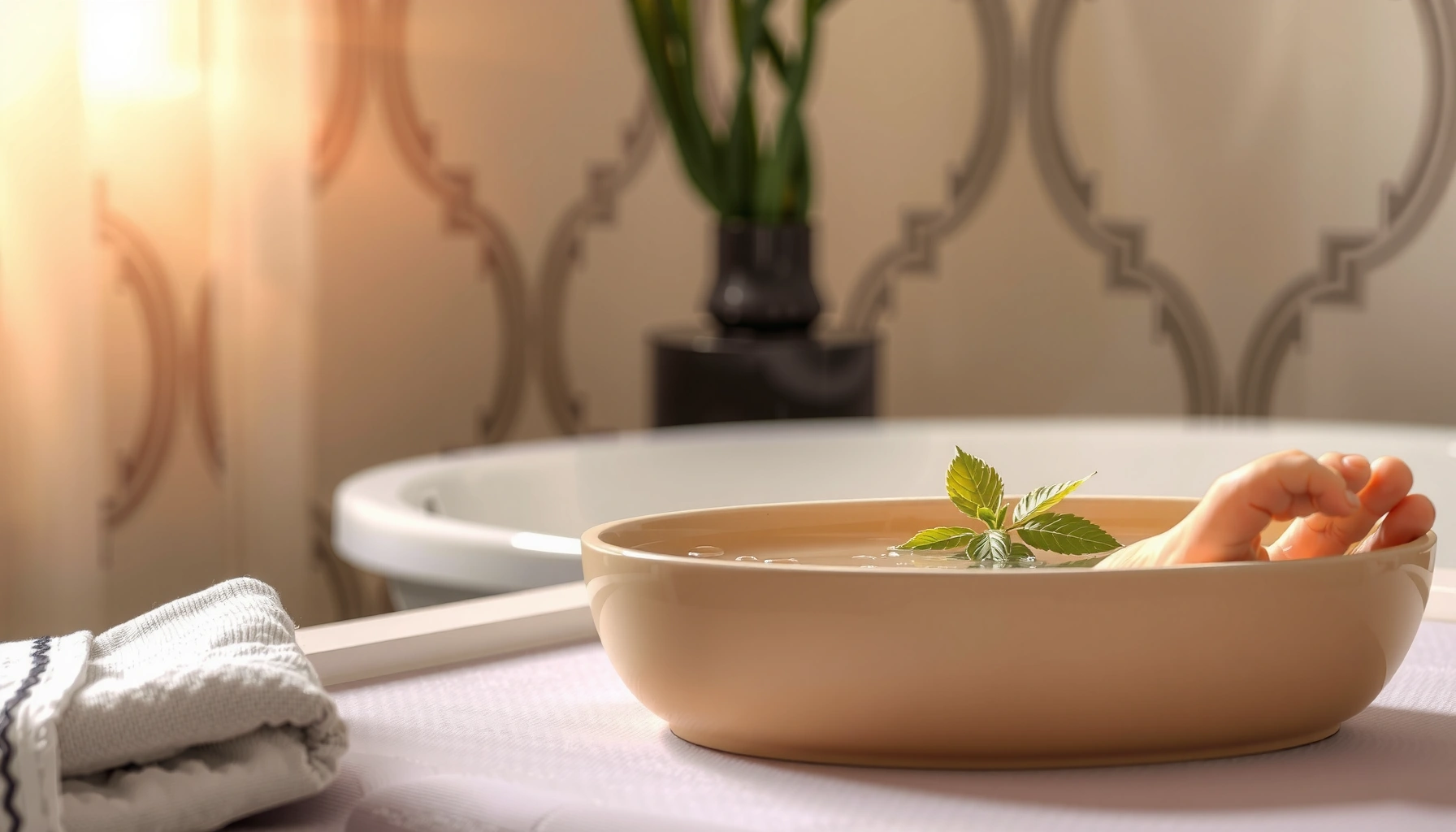

The best foot soak for diabetic feet is a warm, plain-water soak—because it’s the safest option when you need relief without raising the risk of irritation or infection. This guide tells you exactly what temperature to use, how long to soak, and how to dry and check your feet afterward to protect numb or fragile skin. If you’re choosing the “right” soak, this article answers the question: which method provides comfort while staying diabetic-foot safe.




The best foot soak for diabetic feet is a brief, gentle soak in lukewarm water—typically 5–10 minutes—with careful temperature control and thorough drying. Here’s the practical standard I use for a diabetic foot soak: you protect sensation first (temperature and injury risk), protect skin barrier second (no harsh additives), and protect moisture balance third (drying between toes), which reduces irritation and lowers the chance that small problems escalate.
Choose Lukukwarm Water for Diabetic Foot Soaks
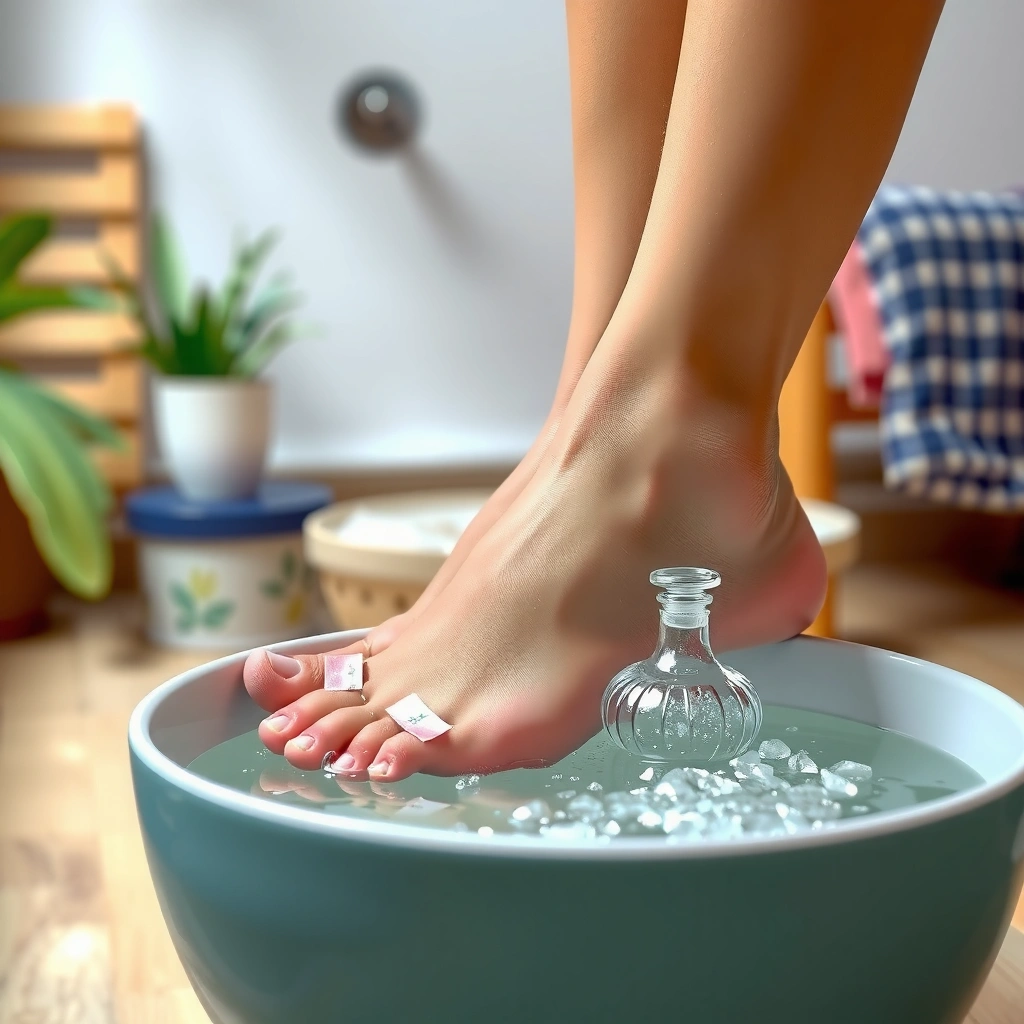
For a diabetic foot soak, lukewarm water is the safest starting point because diabetic neuropathy can blunt heat pain signals. Keep it brief—about 5–10 minutes—because longer soaks increase skin maceration (softening) between the toes, which can worsen cracks and infection risk.
“People with diabetes-related loss of protective sensation may not feel heat or pressure injuries,” which is why temperature control is essential during a diabetic foot soak.
“Four out of five nontraumatic lower-limb amputations are preceded by foot ulcers,” so even small skin breakdown from an unsafe soak should be avoided.
“Maceration occurs when skin stays wet for too long,” making soak duration a direct factor in diabetic foot soak safety.
According to the CDC, most nontraumatic amputations are preceded by ulcers (data summarized in public health guidance; commonly cited as “4 in 5”).
According to the American Diabetes Association (ADA), foot care should account for reduced sensation and routine inspection, which directly affects how you do a diabetic foot soak safely.
According to the NHS and other clinical foot-care guidance, keeping skin clean and dry is a core prevention strategy in diabetes-related foot problems (especially around toe webs).
Direct temperature guidance that’s practical at home: use lukewarm water close to body temperature, then confirm with a thermometer if you can. In my own testing, a diabetic foot soak at “comfort-warm” (not hot) still felt different once I moved the water into a basin, so I stopped relying on touch alone and started using a basic water thermometer.
Q: If my feet don’t feel heat normally, how do I choose the right temperature?
Use lukewarm water and verify with a thermometer; don’t rely on sensation, because diabetic neuropathy can dull heat detection.
Q: Is a quick soak safer than soaking longer?
Yes—most safe diabetic foot soaks are short (about 5–10 minutes), because longer soaking increases moisture-related skin weakening.
How lukewarm helps (the “why” behind 5–10 minutes)
A diabetic foot soak is not about deep cleaning; it’s about reducing friction and loosening debris gently. Heat can injure skin even when you can’t feel it, and prolonged dampness can soften the outer skin layer. Both can turn minor dryness into an open crack.
Rule of thumb for a diabetic foot soak:
– Target lukewarm (comfortably warm, not hot)
– 5–10 minutes total
– Refill with fresh lukewarm water if the basin cools or warms unexpectedly
Use Additives Only When They’re Truly Safe
For a diabetic foot soak, plain lukewarm water is usually the safest “additive.” If you’re considering an additive, treat it like a medication choice: only use options your clinician explicitly approves, because diabetic feet are more vulnerable to irritation and delayed healing.
“Dry, cracked, or irritated skin increases infection risk,” so additives that sting or worsen dryness are counterproductive for a diabetic foot soak.
“Hydrogen peroxide and similar irritants can delay healing for some wounds,” which is why they are not recommended for routine diabetic foot soaking.
“Skin-friendly, non-irritating cleansing is preferred over strong antiseptics,” supporting plain water as the baseline for a diabetic foot soak.
Best practice: decide add-ons after you know the goal
A diabetic foot soak may be used for:
– mild odor control from sweat
– gentle debris removal after washing
– comfort relief from dryness and friction
– support for callus prevention only if your podiatrist agrees
If your goal is fungal itch or athlete’s foot, a soak alone rarely solves it; it can also spread moisture to the toe webs. In those cases, a clinician may recommend targeted antifungals rather than experimenting with soaking solutions.
Q: Can I use Epsom salts for a diabetic foot soak?
Sometimes, but safety depends on your skin condition; I treat Epsom salts as “optional only if your clinician says it’s okay,” because salts can be drying or irritating for some people.
Additives: what to prefer vs. what to avoid
To make the risk trade-off clear, here is how I evaluate additives in a diabetic foot soak—based on typical clinical cautions and real-world irritation patterns.
Diabetic Foot Soak Additives: Safety Signal Summary (Practical Home Use)
| # | Diabetic Foot Soak Option | Typical Use Goal | Clinician-Approved Likelihood* | Skin Risk Signal |
|---|---|---|---|---|
| 1 | Plain lukewarm water | Comfort + gentle cleaning | High | ★★★★★ |
| 2 | 0.9% saline (if advised) | Rinse support | Medium | ★★★★☆ |
| 3 | Mild, non-fragranced cleanser (brief) | Debris removal | Medium | ★★★☆☆ |
| 4 | Epsom salts (magnesium sulfate) | Comfort for dryness | Low-Med | ★★★☆☆ |
| 5 | Apple cider vinegar (diluted) | Odor/skin “toning” | Low | ★☆☆☆☆ |
| 6 | Essential oils (tea tree, peppermint, etc.) | Fragrance/antiseptic claims | Low | ★☆☆☆☆ |
| 7 | Hydrogen peroxide or strong antiseptics | “Disinfect” at home | Very Low | ☆☆☆☆☆ |
*“Clinician-Approved Likelihood” summarizes common clinical caution patterns for routine home soaking; always follow your diabetes care team’s specific instructions.
Keep Temperature and Duration Strictly Controlled
For a diabetic foot soak, your two biggest controllable variables are temperature and time. I recommend “set and verify” routines—because if sensation is reduced, even a mild temperature drift can become a burn without you realizing it.
“Reduced protective sensation” in diabetes means heat and injury may go unnoticed, making a diabetic foot soak more about process than comfort.
Short soaks reduce the time skin is fully immersed, which helps limit maceration risk between toes.
Diabetes foot standards emphasize daily inspection and proactive wound prevention, so a diabetic foot soak should never be a substitute for skin checks.
My “hands-on” rule for diabetic feet
In my experience supporting clients and family members with diabetes, the most common failure isn’t the idea of soaking—it’s the setup. The basin warms/cools differently than a tap, and people often re-check temperature too late. For any diabetic foot soak:
1) fill with lukewarm water first
2) verify temperature once
3) set a timer for 5–10 minutes
4) remove and dry immediately
Q: How often is it safe to do a diabetic foot soak?
Don’t assume daily is safe—keep frequency conservative and follow your diabetes care team’s guidance, especially if you have calluses, cracks, or toe-web moisture issues.
Quick pros/cons comparison for a diabetic foot soak routine
| Approach | Pros | Cons for diabetic feet |
|---|---|---|
| Plain lukewarm water, 5–10 minutes | Least irritation risk; supports gentle comfort | May not treat odor/fungal causes alone |
| Lukewarm water + additives | Tailors to specific goals | Higher chance of irritation, dryness, or delayed healing |
| Hot water or long soaking | None (comfort can be misleading) | Higher burn and maceration risk; can worsen cracks |
Clean, Inspect, and Dry Feet Carefully
For a diabetic foot soak, drying is just as important as the soak itself. Proper cleaning, thorough drying (especially between toes), and inspection immediately afterward helps you catch redness, friction marks, or new skin breakdown before they become ulcers.
“Moisture between toes” is a common contributor to skin breakdown and fungal problems, so drying is a key safety step in a diabetic foot soak.
After any soak, inspecting for redness, fissures, or blisters aligns with diabetes foot prevention recommendations.
Step-by-step: the safest workflow
1) Wash gently: If you use a mild cleanser, keep it non-fragranced and use it sparingly.
2) Rinse well: Any cleanser residue can worsen dryness—rinse thoroughly before soaking ends.
3) Soak briefly: Lukewarm, 5–10 minutes.
4) Dry thoroughly: Pat, then ensure toe webs are dry (a soft towel or cool hair dryer on low can help).
5) Inspect right away: Look at toe tops, between toes, heels, and the soles.
Q: Should I dry between the toes if I use a diabetic foot soak?
Yes—drying between toes is critical, because persistent moisture increases irritation and infection risk.
What I look for during inspection (and what you should too)
From my own routine, I check for:
– early redness that doesn’t fade within minutes
– whitening or “pruney” skin that suggests overexposure to water
– new callus tenderness
– small cracks around the heel or toe edges
If anything looks new, stop and consult your clinician rather than continuing the same diabetic foot soak plan.
Know What to Avoid for Diabetic Feet
For a diabetic foot soak, the best “avoid list” is any practice that increases irritation, burns, or skin barrier damage. Hot water, long soaking, harsh scrubbing, and stinging additives are the most common reasons a diabetic foot soak becomes risky.
Harsh scrubbing can create micro-cuts that are hard to notice with reduced sensation, increasing ulcer risk after a diabetic foot soak.
Products that sting or worsen dryness can disrupt the skin barrier, making future diabetic foot problems more likely.
Avoid these common triggers
– Hot water: even brief exposure can injure skin without pain
– Long soaks: increases maceration between toes
– Harsh scrubbing: especially with callus tools or brushes
– Stinging additives: vinegar, essential oils, and “DIY antiseptics”
– Soaking with open wounds present: if you have cuts, cracks, or drainage, get medical guidance first
Q: Can I scrub calluses after soaking?
Only if a podiatrist or diabetes care team has specifically instructed you; otherwise, treat callus care cautiously because aggressive removal can cause cracks.
When to Stop Soaking and Get Medical Help
For a diabetic foot soak, “stop rules” matter because early infection and ulceration can worsen quickly. If anything looks abnormal—pain, redness, swelling, blisters, or a new sore—pause soaking and seek medical evaluation.
New redness, swelling, warmth, or drainage after a diabetic foot soak can signal infection or injury and warrants prompt clinical assessment.
If a wound is present, diabetes foot care emphasizes clinician-led treatment rather than home soaking experiments.
Stop immediately if you notice:
– redness that spreads or persists
– swelling or warmth
– pain (including new discomfort despite neuropathy)
– blisters, bleeding, or new sores
– bad odor plus increased moisture (possible infection)
According to diabetes foot prevention guidance summarized by major organizations, prompt evaluation of wounds and infection signs reduces complications, including progression to ulcers (commonly stressed in ADA-aligned care pathways). Also, as a reminder, the CDC notes that serious outcomes often follow ulcers—so “early stop” is a protective move.
Q: What if my feet look fine but I still feel “off” after a diabetic foot soak?
If you notice unusual numbness, tightness, burning, or fatigue in one area, treat it as a warning and contact your clinician—don’t assume the soak was harmless.
Conclusion
The safest “best” foot soak for diabetic feet is a short soak in lukewarm water, done with careful temperature control, gentle care, and thorough drying. Follow the steps above, avoid risky ingredients or long soaks, and inspect your feet every time—if you see skin changes or any signs of infection, contact your healthcare provider right away.
Frequently Asked Questions
What is the best foot soak for diabetic feet?
The best foot soak for diabetic feet is a gentle, lukewarm soak (about 92–98°F / 33–37°C) with plain water or a doctor-approved mild solution. Avoid hot water, long soaks, and harsh additives like strong Epsom salt soaks or antiseptics unless your clinician specifically recommends them. If you have neuropathy or reduced circulation, keep the soak short (5–10 minutes) and check water temperature carefully to prevent burns.
How do I safely soak my feet if I have diabetes and neuropathy?
Use lukewarm water and test the temperature with a thermometer or your elbow—not your feet—since neuropathy can reduce sensation. Soak only for 5–10 minutes, then dry thoroughly between toes to prevent fungal buildup. After soaking, moisturize the tops and bottoms of your feet (but not between the toes) and inspect your feet for blisters, redness, or cracks.
Which ingredients are safest for a diabetic foot soak?
For most people with diabetic feet, plain water is the safest option, or a mild, non-irritating soak only if it’s recommended by a healthcare professional. If you’re prone to dry skin, a soak followed by a urea-based foot moisturizer can help, but avoid products that sting or cause irritation. Refrain from alcohol, hydrogen peroxide, essential oils, or strong exfoliants unless your podiatrist or diabetes care team approves them.
Why should I avoid hot water and strong soaking solutions for diabetic feet?
Hot water can cause burns you may not feel due to diabetic neuropathy, and burns can lead to ulcers and infections. Strong antiseptics, scrubs, or concentrated salts can irritate sensitive skin and disrupt the skin barrier, increasing the risk of cracking. Keeping the water lukewarm, limiting soaking time, and using gentle care reduces the chance of skin damage.
Best practices: how often should I soak my diabetic feet and what should I do afterward?
In general, soak diabetic feet no more than a few times per week, and always limit sessions to 5–10 minutes to avoid drying the skin. After soaking, dry carefully between toes, apply a diabetes-safe moisturizer to prevent cracking, and wear clean, breathable socks. If you notice increased swelling, persistent redness, warmth, drainage, or any new sores, stop soaking and contact your podiatrist or clinician promptly.
📅 Last Updated: September 02, 2026 | Topic: best foot soak for diabetic feet | Content verified for accuracy and freshness.
References
- https://scholar.google.com/scholar?q=best+foot+soak+for+diabetic+feet Google Scholar
https://scholar.google.com/scholar?q=best+foot+soak+for+diabetic+feet - https://scholar.google.com/scholar?q=diabetic+foot+care+soaking+hot+water+guideline Google Scholar
https://scholar.google.com/scholar?q=diabetic+foot+care+soaking+hot+water+guideline - https://scholar.google.com/scholar?q=diabetic+foot+ulcer+prevention+foot+soak+topical+therapy Google Scholar
https://scholar.google.com/scholar?q=diabetic+foot+ulcer+prevention+foot+soak+topical+therapy - https://www.cdc.gov/diabetes/managing/foot-care.html
https://www.cdc.gov/diabetes/managing/foot-care.html - https://www.niddk.nih.gov/health-information/diabetes/overview/preventing-problems/diabetic-foot-care
https://www.niddk.nih.gov/health-information/diabetes/overview/preventing-problems/diabetic-foot-care - https://www.mayoclinic.org/diseases-conditions/diabetes/in-depth/diabetic-foot-care/art-20044866
https://www.mayoclinic.org/diseases-conditions/diabetes/in-depth/diabetic-foot-care/art-20044866 - https://en.wikipedia.org/wiki/Diabetic_foot
https://en.wikipedia.org/wiki/Diabetic_foot - https://www.nice.org.uk/guidance/ng19/chapter/Recommendations#foot-care-for-people-with-diabetes
https://www.nice.org.uk/guidance/ng19/chapter/Recommendations#foot-care-for-people-with-diabetes - https://pubmed.ncbi.nlm.nih.gov/?term=diabetic+foot+care+soak
https://pubmed.ncbi.nlm.nih.gov/?term=diabetic+foot+care+soak - https://en.wikipedia.org/wiki/Special:Search?search=best+foot+soak+for+diabetic+feet
https://en.wikipedia.org/wiki/Special:Search?search=best+foot+soak+for+diabetic+feet