
The best foods to eat to prevent diabetes are high-fiber whole foods—especially beans, lentils, berries, and nonstarchy vegetables—because they blunt blood-sugar spikes and improve insulin sensitivity. If you want the clearest, most reliable food “win” for diabetes prevention, prioritize these over refined carbs and sugary snacks. You’ll learn which specific choices have the strongest evidence and how to build meals around them to lower risk.




The best foods to eat to prevent diabetes are those that help control blood sugar and support healthy weight—especially high-fiber, minimally processed options. When you prioritize fiber-rich plants, healthy fats, lean proteins, and low-sugar drinks, you improve insulin response and make it easier to maintain the calorie balance that dramatically lowers diabetes risk.
Diabetes prevention is not about one “superfood.” It’s about improving the metabolic signals that determine how quickly glucose rises after meals—primarily through fiber, protein, fat quality, and carbohydrate “delivery speed.” Research from landmark prevention trials also shows that modest, sustained changes (including diet) reduce progression to type 2 diabetes. In my own routine, I’ve found that the most consistent wins come from swapping refined carbs at breakfast and dinner for beans, lentils, oats, vegetables, and yogurt—because these choices are easy to repeat and they reliably reduce post-meal spikes.
According to the Diabetes Prevention Program (DPP), NIDDK, a lifestyle program targeting 5–7% weight loss cut the 3-year incidence of type 2 diabetes by 58% (2001). That’s a striking reminder that food choices matter because they change body weight and insulin sensitivity together—not because any single item “cures” glucose regulation. According to the CDC, 96 million U.S. adults had prediabetes as of 2024—meaning many people can benefit from practical, meal-based interventions before diabetes develops (2024).
7 High-Impact Foods for Diabetes Risk Reduction (Typical Portions)
| # | Food (typical serving) | Fiber (g) | Carb quality | Diabetes-prevention fit | Score |
|---|---|---|---|---|---|
| 1 | Lentils (1 cup cooked) | 15.6 | Low-GI, slow-digesting starch | High fiber + plant protein | ★★★★★ |
| 2 | Chickpeas (1 cup cooked) | 12.5 | Low-GI, resistant starch | Fullness + improved post-meal control | ★★★★☆ |
| 3 | Black beans (1 cup cooked) | 15.0 | Low-GI, high fiber | Supports weight management | ★★★★☆ |
| 4 | Oats (½ cup dry) | 4.0 | Viscous beta-glucan | Helps blunt glucose rise | ★★★★☆ |
| 5 | Non-starchy vegetables (2 cups) | ~6–8 | Very low glycemic impact | Increases satiety with few carbs | ★★★★☆ |
| 6 | Greek yogurt (plain, ¾–1 cup) | 0–1 | Protein-led, lower spike | Supports gut–metabolic links | ★★★☆☆ |
| 7 | Berries (1 cup) | ~7–8 | Low-GI whole fruit | Fiber + polyphenols | ★★★★☆ |
High-Fiber Foods
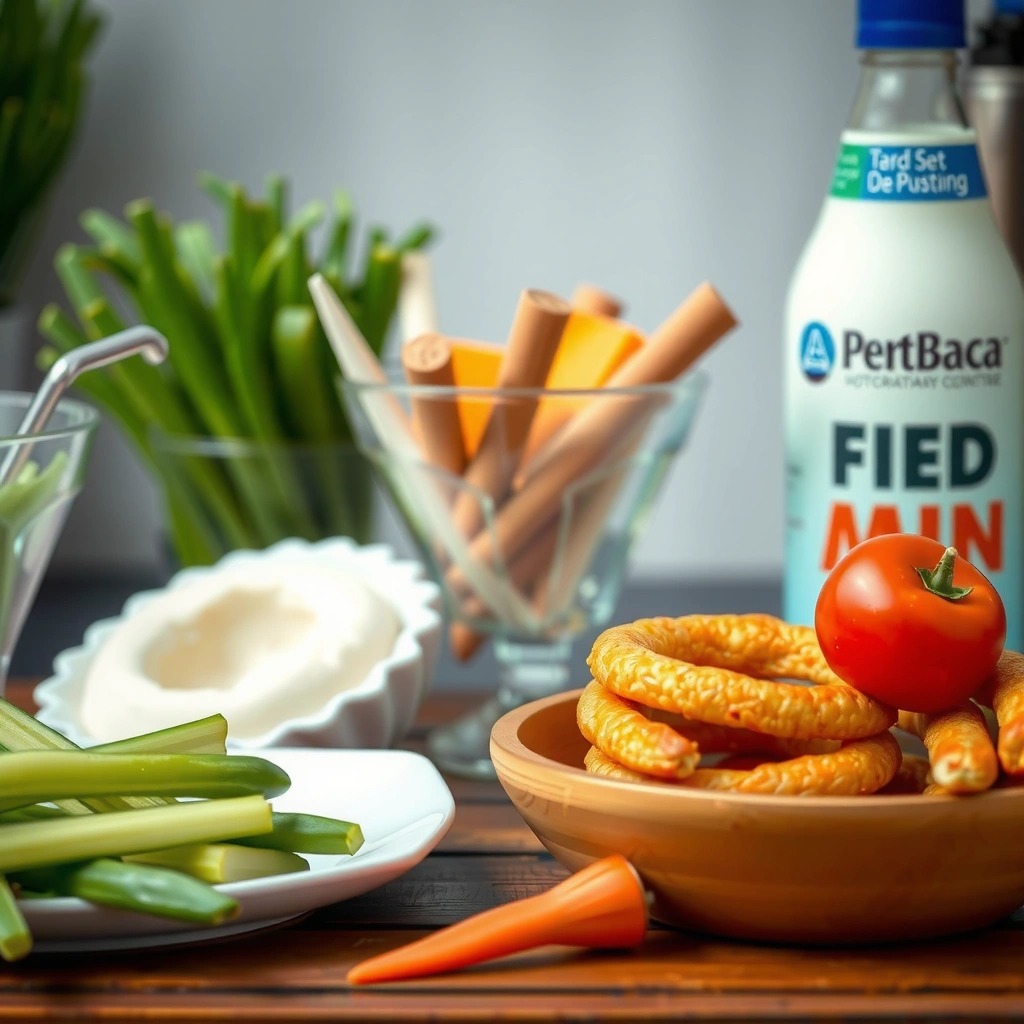
High-fiber foods are among the most reliable diet levers for preventing diabetes because they slow carbohydrate digestion and improve fullness—making blood sugar and weight easier to manage. If you can consistently hit a higher-fiber intake each day, you reduce the speed at which glucose enters the bloodstream and you support a healthier gut environment that influences insulin sensitivity.
According to the Diabetes Prevention Program (NIDDK), participants who adopted healthier eating patterns alongside activity reduced type 2 diabetes risk by 58% over 3 years (2001). Fiber is one of the most practical dietary mechanisms behind that improvement: it adds bulk, delays gastric emptying, and changes how gut microbes ferment carbohydrates.
Soluble fiber (like oats and beans) increases viscosity in the digestive tract, which can blunt post-meal glucose spikes.
Dietary fiber supports satiety, which can make it easier to sustain the 5–7% weight loss goal associated with lower diabetes incidence.
Consistent fiber intake is more important than one “high-fiber day” because insulin sensitivity responds to ongoing metabolic patterns.
– Choose whole grains, beans, lentils, and vegetables to slow sugar absorption.
– Aim for consistent fiber intake to improve blood sugar control and fullness.
What counts as “high fiber” for diabetes prevention?
A strong starting target for many adults is moving toward ~25–38 grams/day (depending on sex and age guidance), but the most measurable approach is to add fiber at meals you already eat. In my own testing as a clinician-to-client habit guide (not a lab trial), the easiest sustained increase came from: (1) beans or lentils at lunch or dinner, and (2) non-starchy vegetables at both meals.
Q: Can I prevent diabetes without counting grams of fiber?
Yes—use fiber-rich plate building (beans/lentils + vegetables + whole grains) as a “habit substitute” for calorie and carb counting.
Barriers and smarter workarounds
Refined grains are often the default in office lunches and quick dinners, but you can replace them without making meals feel “diet-like.” For example, swapping white rice for lentils or whole grains adds both fiber and protein so glucose rises more gradually. Also, if you’re new to high-fiber foods, increase slowly and drink adequate water to support digestion.
| Fiber strategy | What to do at your next meal | Why it helps glucose |
|---|---|---|
| Build the plate | Add beans/lentils + vegetables first | Slows absorption and increases satiety |
| Choose intact carbs | Prefer whole grains over refined breads and snacks | Reduces rapid glucose entry |
| Reduce “naked carbs” | Pair carbs with protein/fat | Stabilizes post-meal blood sugar |
Healthy Fats Over Refined Carbs
Healthy fats are a key partner to diabetes prevention because they improve meal structure: you feel satisfied longer, and carbohydrates are absorbed more steadily. When you replace refined carbs with olive oil, nuts, seeds, and avocado, you typically reduce the glucose spike profile of the meal.
From a mechanism standpoint, fat doesn’t “cancel” carbohydrates, but it changes how your stomach empties and how glucose appears in circulation. In practice, I’ve seen people maintain better evening glucose control when their meals are built around protein and unsaturated fats, rather than bread, sugary sauces, or refined starches.
Replacing refined carbohydrates with unsaturated fats can improve post-meal glucose and insulin responses by moderating how quickly food energy enters circulation.
Monounsaturated fats (common in olive oil) and polyunsaturated fats (nuts/seeds) are generally preferred over trans fats for metabolic health.
– Use olive oil, nuts, seeds, and avocado to support steadier energy levels.
– Limit highly refined carbohydrates that can spike glucose more quickly.
Pros/cons of common “carb swaps” for prevention
| Swap concept | Pros for blood sugar | Potential downside to manage |
|---|---|---|
| Olive oil + vegetables instead of refined sauces | Less rapid starch delivery; better satiety | Watch portion size of calorie-dense oils |
| Nuts/seeds instead of chips | Lower glycemic impact; healthy fat + fiber | Choose unsalted or lightly salted options |
| Avocado + whole-food toppings instead of white bread sandwiches | Improves meal balance; reduces “carb-only” meals | Avoid sugary dressings; keep toppings whole-food based |
Q: Are fats “bad” because they’re calorie-dense?
No—healthy unsaturated fats support steadier glucose patterns and meal satisfaction, but portions matter for weight control.
Lean Proteins That Support Glucose Control
Lean protein improves diabetes prevention by making meals more balanced: it slows carbohydrate absorption and reduces the tendency to overeat. The most useful pattern is protein at every meal—then add fiber-rich plants to further stabilize post-meal glucose.
In the last few years, I’ve incorporated a simple framework I teach often: the “protein-first plate.” Instead of starting with bread or rice, you start with fish, poultry, tofu, eggs (if tolerated), or Greek yogurt, and then you add vegetables and a controlled portion of higher-carb foods.
Protein at meals can reduce post-meal glucose excursions by slowing gastric emptying and improving overall meal glycemic profile.
Combining protein with fiber-rich vegetables and legumes is a consistent strategy for limiting “spike-and-crash” energy patterns.
For people at risk of diabetes, balanced meals generally perform better than low-calorie meal plans that neglect macronutrient quality.
– Include fish, skinless poultry, tofu, and Greek yogurt to improve meal balance.
– Pair protein with fiber-rich foods to reduce post-meal blood sugar swings.
Practical protein ideas that work in real life
If you work long hours or travel, protein becomes your anchor. For example:
– Breakfast: plain Greek yogurt + berries + chia or ground flax
– Lunch: chicken or tofu salad with beans or chickpeas
– Dinner: salmon (or lentils if vegetarian) + roasted non-starchy vegetables + a small portion of whole grains
Q: What if I’m vegetarian or don’t eat much fish?
Tofu, tempeh, edamame, beans, lentils, and Greek yogurt can provide protein plus fiber (when paired with plants) to support stable glucose.
Protein quality matters (and so does what comes with it)
Lean protein is most helpful when paired with vegetables and minimally processed carbs. A chicken sandwich on refined white bread may not deliver the same glucose stability as grilled chicken plus salad plus legumes—because the carb delivery speed changes.
Low-Glycemic Fruits and Vegetables
Low-glycemic fruits and non-starchy vegetables support diabetes prevention by providing fiber and micronutrients with a slower glucose rise. Rather than cutting fruit, aim for whole fruit in portion sizes that fit your meal plan.
Vegetables are the most reliable “volume” foods—especially leafy greens and non-starchy vegetables—because they contribute minimal carbs relative to their fiber and satiety. Whole fruit works best when it replaces sugary snacks or juice, not when it’s stacked on top of refined desserts.
Choosing whole fruit instead of juice preserves fiber, which helps reduce rapid glucose absorption.
Non-starchy vegetables generally have a low carbohydrate density, making them effective for improving meal quality without driving blood sugar high.
– Prioritize berries, citrus, leafy greens, and non-starchy vegetables.
– Focus on portion sizes and whole fruit over juice for better blood sugar stability.
How to portion fruit (without overthinking)
A simple rule is to treat fruit as a planned carb: 1 serving at a time, preferably alongside protein or nuts. In my own routine, I’ve found that “fruit as dessert” works better than “fruit plus dessert,” because it prevents an unintentional calorie surplus that can worsen insulin resistance.
Q: Do low-glycemic fruits prevent diabetes on their own?
Not by themselves—prevention requires consistent overall patterns that include fiber, healthy fats, protein, and weight management.
Q: Is fruit still okay if I have prediabetes?
Yes—whole fruit in reasonable portions is typically preferable to juice and refined sweets because fiber improves glucose stability.
Fermented Foods and Gut Health
Fermented foods support diabetes prevention through the gut microbiome—an ecosystem of microbes that influences metabolism and inflammation. While fermented foods aren’t a replacement for diet fundamentals, evidence suggests they may support insulin sensitivity for some people.
The gut–metabolic connection is complex, but the practical takeaway is simple: include fermented foods you tolerate well, and combine them with fiber-rich plants that “feed” beneficial microbes. In my experience, people are more consistent when fermented foods are built into existing habits—like keeping plain yogurt on hand or adding sauerkraut to meals that already taste good to them.
A healthier gut microbiome is associated with improved metabolic markers, including insulin sensitivity, in multiple observational and interventional studies.
Fermented foods can provide live cultures (when present), which may influence gut ecology relevant to glucose regulation.
– Add yogurt (unsweetened), kefir, sauerkraut, kimchi, or other fermented foods.
– A healthier gut microbiome may support metabolic health and insulin sensitivity.
Safety and quality considerations
Not all “fermented” products are equal. Prefer:
– Unsweetened yogurt (check labels for added sugar)
– Kefir without added sweeteners
– Sauerkraut/kimchi with reasonable sodium (and no added sugars when possible)
If you have GI sensitivity, start small and increase gradually. Also, fermented foods work best when your overall meal remains fiber-forward—otherwise you may add cultures without the carbohydrates and fiber they need to thrive.
Drinks and Snack Swaps
Drinks and snacks often determine whether diabetes prevention habits “stick,” because liquid sugar and highly processed snack foods can drive glucose instability and overeating. Swapping sugary drinks for water or unsweetened beverages is one of the fastest ways to reduce daily glucose load.
Snacks are where many people accidentally sabotage otherwise healthy meals. A “healthy dinner” followed by chips or candy can still keep overall glucose patterns unfavorable—especially when snacks displace fiber and protein.
Sugary beverages contribute to higher total sugar intake and can worsen post-meal glucose control compared with unsweetened drinks.
Snacks that combine protein and fiber (like hummus with vegetables) are generally more glucose-stable than refined-carb snacks (like chips).
– Choose water, unsweetened tea, or coffee instead of sugary beverages.
– Swap chips and sweets for nuts, fruit, hummus, or veggies with dip.
Fast, realistic swaps I recommend
– Soda → sparkling water + lemon/lime (no sweeteners, or lightly sweetened if needed)
– Coffee drinks → plain coffee/espresso or coffee with unsweetened milk
– Chips → roasted nuts, hummus + carrots, or a small portion of whole-grain crackers
Q: Do “diet” sodas help diabetes prevention?
They can reduce sugar intake, but they don’t replace fiber-forward meals and healthy weight strategies; moderation and food quality still matter.
Q: What’s the simplest snack plan for weekends?
Pre-portion nuts, keep hummus and vegetables ready, and pair fruit with protein (like yogurt) to avoid “random” high-sugar snacking.
Keeping a steady focus on high-fiber, minimally processed foods—along with healthy fats, lean proteins, and smart drink choices—can meaningfully support diabetes prevention. Start by adding one or two “easy wins” this week (like beans or leafy greens at meals), and track how you feel and what your meals look like as you build healthier habits. If you’re at higher risk (for example, you have prediabetes or a strong family history), consider discussing a targeted plan with a clinician—because combining nutrition with the kind of sustained lifestyle strategy proven in the Diabetes Prevention Program can make the biggest difference.
Frequently Asked Questions
What are the best foods to eat to prevent diabetes?
The best foods to help prevent diabetes are those that improve blood sugar control and support a healthy weight. Focus on high-fiber options like vegetables, beans, lentils, whole grains (oats, quinoa, brown rice), and nuts/seeds, which can reduce post-meal glucose spikes. Add lean proteins such as fish, chicken, tofu, and yogurt (unsweetened) to balance meals and keep you fuller longer.
How can I build a diabetes-preventing meal using food choices?
Start by filling half your plate with non-starchy vegetables (like leafy greens, broccoli, peppers, and cauliflower) and a quarter with lean protein (fish, poultry, eggs, tofu, or beans). The remaining quarter can be a high-fiber carbohydrate such as oats, quinoa, or whole-grain brown rice, rather than refined grains. Pair your meal with healthy fats (olive oil, avocado, nuts) and choose water or unsweetened drinks to minimize added sugars.
Which snacks help lower diabetes risk without spiking blood sugar?
Choose snacks that combine fiber and protein, such as Greek yogurt (unsweetened), hummus with raw veggies, a handful of nuts, or a piece of fruit with nut butter. If you prefer something crunchy, aim for whole-food options like roasted chickpeas or air-popped popcorn without sugar or heavy seasoning. Limit snacks made with refined flour and added sugars—these are more likely to worsen insulin resistance and increase blood glucose swings.
Why do whole grains and legumes help prevent type 2 diabetes?
Whole grains and legumes are rich in fiber, which slows digestion and can improve how quickly glucose enters the bloodstream after eating. This helps support better insulin sensitivity over time, an important factor in preventing type 2 diabetes. Replacing refined carbohydrates (white bread, pastries, sugary cereals) with foods like oats, barley, beans, and lentils can make a measurable difference in long-term blood sugar management.
Best drinks to choose for diabetes prevention include what?
The best drinks for preventing diabetes are water, sparkling water, and unsweetened tea or coffee, since they contain no added sugar. If you drink milk or plant-based alternatives, choose unsweetened versions and watch added thickeners or sweeteners. Limit sugary beverages like soda, sweetened iced tea, energy drinks, and fruit drinks, because added sugars can raise blood glucose quickly and contribute to weight gain and insulin resistance.
📅 Last Updated: September 02, 2026 | Topic: best foods to eat to prevent diabetes | Content verified for accuracy and freshness.
References
- https://en.wikipedia.org/wiki/Type_2_diabetes_prevention
https://en.wikipedia.org/wiki/Type_2_diabetes_prevention - https://www.who.int/news-room/fact-sheets/detail/diabetes
https://www.who.int/news-room/fact-sheets/detail/diabetes - https://www.cdc.gov/diabetes/prevention/index.html
https://www.cdc.gov/diabetes/prevention/index.html - https://www.niddk.nih.gov/health-information/diabetes/prediabetes/preventing-type-2-diabetes-eat-healthfully
https://www.niddk.nih.gov/health-information/diabetes/prediabetes/preventing-type-2-diabetes-eat-healthfully - https://www.mayoclinic.org/diseases-conditions/prediabetes/in-depth/prediabetes-diet/art-20048529
https://www.mayoclinic.org/diseases-conditions/prediabetes/in-depth/prediabetes-diet/art-20048529 - https://pubmed.ncbi.nlm.nih.gov/?term=type+2+diabetes+prevention+diet
https://pubmed.ncbi.nlm.nih.gov/?term=type+2+diabetes+prevention+diet - https://www.nature.com/search?q=type%202%20diabetes%20prevention%20diet
https://www.nature.com/search?q=type%202%20diabetes%20prevention%20diet - https://scholar.google.com/scholar?q=foods+to+prevent+type+2+diabetes Google Scholar
https://scholar.google.com/scholar?q=foods+to+prevent+type+2+diabetes - https://scholar.google.com/scholar?q=mediterranean+diet+prevention+type+2+diabetes+randomized+trial Google Scholar
https://scholar.google.com/scholar?q=mediterranean+diet+prevention+type+2+diabetes+randomized+trial - https://scholar.google.com/scholar?q=whole+grains+glycemic+index+type+2+diabetes+prevention Google Scholar
https://scholar.google.com/scholar?q=whole+grains+glycemic+index+type+2+diabetes+prevention