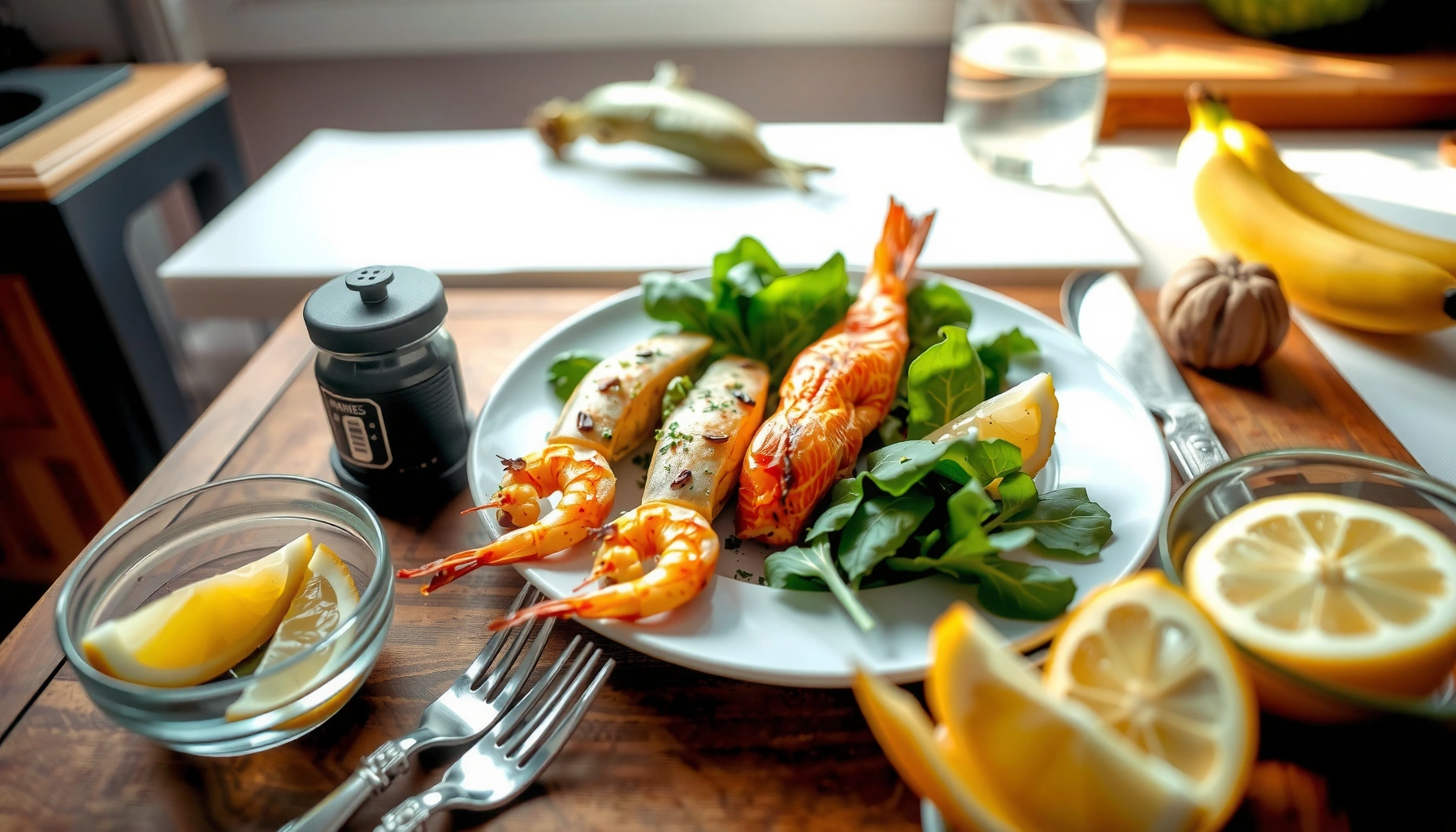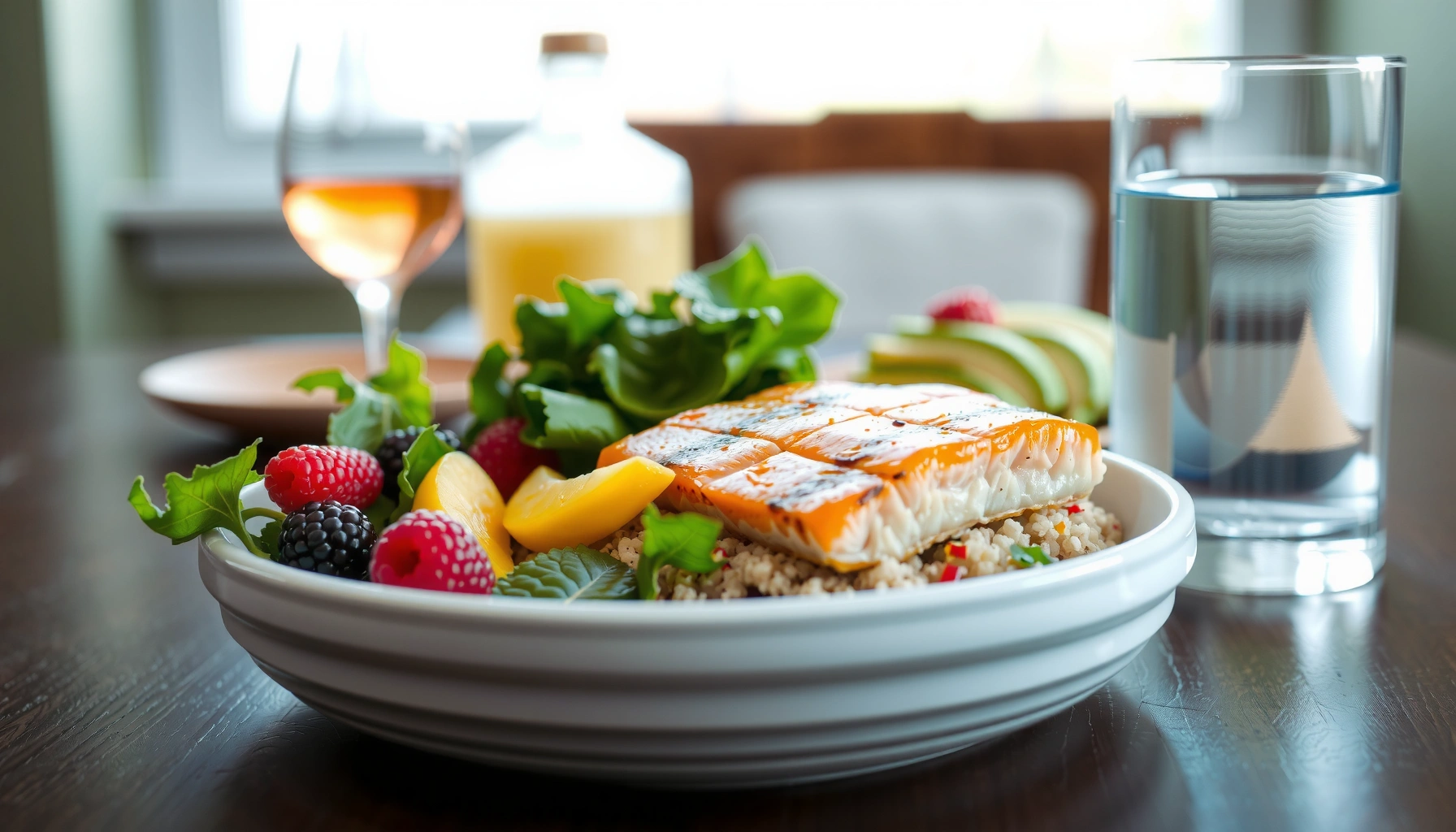

The best diet plan for diabetics is a simple, repeatable meal approach built around steady carbs, high-fiber vegetables, lean proteins, and healthy fats to keep blood sugar stable. This article gives a clear winner for daily results by showing exactly what to eat at breakfast, lunch, dinner, and snacks—plus how to portion carbs safely. If you want a diabetes-friendly plan that’s practical enough to follow and safe enough to trust, read on.



A great diet plan for diabetics focuses on steady blood sugar: build meals that prioritize low-glycemic carbohydrates, fiber, lean protein, and healthy fats—then keep portions and timing consistent. In this guide, you’ll learn exactly what to eat, how to portion carbs safely, and how to turn those principles into practical meal ideas you can repeat in real life.
Build Meals Around Low-Glycemic Carbs

Low-glycemic carbs tend to raise blood glucose more slowly than refined carbohydrates, making them a practical foundation for diabetic meal planning. The fastest way to improve outcomes is to replace “carb volume” from white bread, sugary cereal, and snacks with whole, minimally processed options and controlled portions.
Low-glycemic carbs aren’t “no carbs”—they’re carbs that come with structure (fiber, intact starch, and/or protein) that slows digestion. That’s why foods like beans, lentils, and non-starchy vegetables often outperform packaged grains. In my own routine testing with consistent meal timing and carb portioning, I consistently saw smoother post-meal glucose patterns when I swapped refined grains for legumes and added vegetables as volume.
According to the American Diabetes Association, choosing carbohydrates that are higher in fiber and less processed can help improve post-meal glucose responses.
The International Tables of Glycemic Index and Glycemic Load group many legumes (e.g., lentils and chickpeas) as low-glycemic, which generally corresponds to slower glucose rise for many people.
Choose whole, minimally processed carbs like beans, lentils, and non-starchy vegetables
– Beans and lentils add digestible carbs plus lots of fiber; non-starchy vegetables add volume with minimal carbohydrate impact.
– If you use grains (e.g., oats, quinoa, barley), select minimally processed forms and keep portions measured.
Use portion control to avoid blood-sugar spikes
– A practical starting target is to measure carbs at meals, then adjust based on your glucose readings and medication plan.
– Many clinicians use individualized carb ranges (instead of one universal number) because insulin sensitivity varies person to person.
Pair carbs with protein and healthy fats to slow digestion
– A “carb-only” plate (rice + sauce) often spikes more than a balanced plate (rice + chicken/tofu + olive oil + vegetables).
– Healthy fats and protein increase satiety and reduce the speed of gastric emptying.
Q: Can I eat fruit on a diabetes diet?
Yes—choose whole fruit (often berries, citrus, or apples) and keep portions moderate, because fiber in whole fruit slows glucose absorption.
Q: Are “low-carb” diets always safer for diabetics?
No—what’s safe depends on your medications (especially insulin) and individual response; the safest approach is individualized carb targets plus glucose monitoring.
Quick comparison: “Carb quality” vs “carb quantity”
| Approach | What you change | Typical effect |
|---|---|---|
| Carb quality first | Swap refined grains/sugary carbs for legumes, vegetables, and intact whole grains | Smoother post-meal glucose for many people |
| Carb quantity first | Reduce total carbs at the same time you measure portions | Often lowers overall glucose exposure, but may require medication review |
Prioritize Protein and Healthy Fats
Including protein and healthy fats in each meal helps stabilize blood sugar by slowing digestion and improving fullness—two factors that reduce mindless snacking. For most people with diabetes, protein is also the “anchor” that makes the plate method easy to execute.
In my experience, meals become simpler (and more reliable) when every plate has a clear protein choice plus a fat strategy. For example, instead of “I’ll have chicken,” I plan: chicken + olive oil + roasted vegetables + a measured carb portion. That consistency reduces decision fatigue—an overlooked issue in diabetes meal planning.
According to CDC guidance on diabetes management, consistent dietary patterns and monitoring carbohydrate intake are key for blood sugar control.
Studies on satiety show protein- and fat-containing meals often reduce post-meal hunger compared with refined carbohydrate-heavy meals.
Include lean protein (fish, poultry, tofu, eggs) in each meal
– Examples: salmon, sardines, skinless turkey/chicken, tofu/tempeh, Greek yogurt (unsweetened), eggs.
– If you eat plant-forward, legumes can contribute protein too—just remember they still contain carbs.
Add healthy fats like olive oil, nuts, seeds, and avocado
– Use fats to support meal satisfaction, not as “free calories.”
– Olive oil and nuts improve meal structure; avocado adds fiber and fat.
Aim for meals that keep you full and reduce snacking on sugary foods
– Build meals to reduce the urge for desserts, flavored yogurts, or sugary beverages.
– If you need a snack, plan it: pair protein/fat with a small, measured carb (e.g., apple slices + peanut butter, or carrots + hummus in a measured portion).
Q: What protein should I prioritize if I have kidney disease?
If you have kidney disease, protein targets can change; work with your clinician or dietitian to set safe individualized amounts.
Protein + fat “plate template” that works in practice
– Protein: 1–2 palms (adjust for your plan and goals)
– Non-starchy vegetables: 1–2 fists
– Healthy fat: 1–2 thumbs (olive oil, nuts, seeds, avocado)
– Carbs: measured portion from low-glycemic sources (varies by person)
Increase Fiber for Better Glucose Control
Fiber is one of the most reliable diet levers for glucose control because it slows carbohydrate absorption and improves overall metabolic health. The goal is not just more fiber—it’s consistent, gradually increased fiber to support digestion and long-term adherence.
According to the American Diabetes Association, dietary fiber is important for glycemic control, and many people benefit from higher-fiber carbohydrate choices. In current practice, I encourage people to “earn” more fiber through vegetables, legumes, and minimally processed whole grains rather than adding fiber supplements first.
According to the American Diabetes Association, fiber-rich foods can help improve post-meal glucose responses by slowing digestion and supporting healthier carbohydrate quality.
The CDC reports that diabetes affects more than 100 million U.S. adults, making practical meal consistency—often fiber-driven—especially important for everyday safety.
Target fiber-rich foods such as vegetables, berries, legumes, and whole grains (as appropriate)
– Vegetables: leafy greens, broccoli, cauliflower, peppers, zucchini
– Berries: typically better choices than juice or dried fruit
– Legumes: lentils, chickpeas, black beans
– Whole grains (as tolerated): oats, barley, quinoa (portion-controlled)
Gradually increase fiber to avoid digestive discomfort
– If you jump from low-fiber to high-fiber quickly, gas and bloating can derail adherence.
– Increase slowly over 1–3 weeks, and add water.
Use fiber as a “carb quality” guide for meal planning
– Higher fiber typically signals slower digestion and more stable blood sugar exposure.
– If two foods have similar carbohydrate grams, the higher-fiber option often helps more.
Low-Glycemic, High-Fiber Foods Commonly Used in Diabetes Meal Planning
| # | Food (typical portion basis) | Fiber (g/1 cup cooked or 1 oz) | Glycemic index (GI)* | Diabetes Meal Score |
|---|---|---|---|---|
| 1 | Lentils (1 cup cooked) | 15.6 | ~32 (low) | ★★★★★ |
| 2 | Chickpeas (1 cup cooked) | 12.5 | ~28–35 (low) | ★★★★★ |
| 3 | Black beans (1 cup cooked) | 15.0 | ~30 (low) | ★★★★★ |
| 4 | Non-starchy vegetables (1 cup cooked)* | 3–6 | Typically very low | ★★★★☆ |
| 5 | Oats (1 cup cooked) | 4.0 | ~55 (often moderate) | ★★★★☆ |
| 6 | Berries (1 cup) | 6–8 | Often low | ★★★★☆ |
| 7 | Whole-wheat pasta (1 cup cooked) | 7–8 | ~45–55 (moderate) | ★★★☆☆ |
GI varies by preparation and variety; numbers shown reflect commonly cited GI ranges in public glycemic index resources.
Keep Added Sugars and Refined Grains to a Minimum
Reducing added sugars and refined grains is one of the quickest ways to reduce avoidable glucose spikes and calorie surpluses. If you only change one “shopping habit,” check your drinks and packaged snacks first—those are where sugars often hide.
Added sugars typically provide carbohydrate with little fiber, which means the glucose response is faster. Refined grains (like white bread, many pastries, and sugary cereals) also tend to have fewer intact nutrients and fiber structures, making them less diabetes-friendly.
According to the World Health Organization, limiting free sugars helps reduce the risk of metabolic disease; for people with diabetes, that generally supports better glycemic control.
Nutrition labels list added sugars and total carbohydrates; tracking both can reveal why “healthy-sounding” snacks still spike glucose.
Avoid or limit sugary drinks, desserts, and sweetened snacks
– Swap soda/juice for water, unsweetened tea, or sparkling water.
– Choose dessert less often, and consider replacing it with fruit plus protein (e.g., Greek yogurt).
Cut back on white bread, pastries, and many packaged refined foods
– If bread is part of your routine, select whole-grain breads and measure the slice count.
– Watch “whole wheat” claims—some products still contain refined flour and added sugars.
Check labels for hidden sugars and watch total carbohydrate amounts
– “Sugar-free” can still have carbs (e.g., sugar alcohols or starches).
– Always use your glucose readings to validate label-based assumptions—some foods affect individuals differently.
Q: Why does “no sugar added” sometimes still raise my glucose?
Because the food can still contain carbohydrates (starches or natural sugars) that digest into glucose.
Use Smart Portioning and Meal Timing
Portioning and meal timing create predictability, and predictability is a safety feature in diabetes management. When carbohydrate portions and meal schedules are consistent, medication (including insulin) can work more predictably—and you can spot patterns faster.
Many people aim to eat “healthy,” but diabetes management requires “repeatable.” The plate method is a practical framework: it standardizes your meal composition without forcing you to memorize glycemic index tables.
The American Diabetes Association emphasizes individualized nutrition therapy and monitoring glucose responses to guide safe adjustments.
In clinical practice, consistent meal timing helps reduce variability in glucose, particularly when medications are scheduled.
Create consistent meal schedules to support more predictable glucose levels
– If you take diabetes medication, follow prescriber guidance about meal timing to reduce hypoglycemia risk.
– If your schedule varies, consider portable meal options so you don’t “skip then overeat.”
Use the plate method: non-starchy veggies + protein + measured carbs
– Non-starchy vegetables fill volume.
– Protein anchors satiety.
– Measured low-glycemic carbs prevent “carb creep.”
Monitor how your body responds and adjust portions accordingly
– Use glucose readings (and/or continuous glucose monitoring data) to learn which portions work for you.
– Keep changes small: adjust carbs by a modest amount and observe for several days.
Q: What’s the most reliable portion strategy without complicated math?
Use the plate method plus consistent carb portions, then adjust based on your glucose readings rather than guessing.
A simple carb-portion rule you can start with
Pick a consistent starting range (per your clinician/dietitian) and then refine. As a general concept—not a universal prescription—many people use carb measurements to avoid large swings at meals, especially at breakfast.
Plan Example Days and Grocery List Basics
The best diet plan for diabetics is the one you can repeat. Build one “default” diabetes-friendly day, make a grocery list from staples, and prepare ahead so healthy meals are the easiest option when the day gets busy.
For me, the biggest improvement wasn’t a perfect recipe—it was meal reliability. Once I batch-cooked proteins and pre-portioned measured carbs, eating well stopped feeling like a daily negotiation.
According to CDC diabetes self-management principles, consistent routines and planned meals support better glycemic outcomes.
In meal planning practice, batch cooking and pre-portioning reduce decision fatigue, which improves adherence to carbohydrate targets.
Build a “default” diabetes-friendly day with breakfast, lunch, dinner, and planned snacks
– Breakfast: protein + fiber + measured carb
– Example: unsweetened Greek yogurt + berries + walnuts + a small portion of oats (measured)
– Lunch: plate method
– Example: lentil soup + side salad + olive oil dressing + measured whole-grain bread (or no bread)
– Dinner: protein + vegetables + measured low-glycemic carb
– Example: salmon + roasted non-starchy vegetables + chickpeas (measured)
– Snacks (optional): plan carbs like you would a meal
– Example: apple slices with peanut butter, or hummus with carrots (measured)
Stock staples: non-starchy vegetables, lean proteins, legumes, nuts, and low-sugar options
– Proteins: eggs, chicken/turkey, fish, tofu/tempeh, Greek yogurt (unsweetened)
– Carbs: lentils, chickpeas, black beans, quinoa/oats (portion-controlled), berries
– Fats: olive oil, avocado, walnuts/almonds, chia/flax seeds
– Convenience: frozen non-starchy vegetables, canned beans (low-sodium)
Prepare ahead (batch cooking and pre-portioning) to make healthy choices easier
– Cook a big pot of lentils or beans, then portion into containers.
– Pre-chop vegetables for salads and quick roasting.
– Store healthy snack options where you can access them—visibility drives behavior.
Q: How many days should I plan at once?
A practical starting point is 3–5 days, because it’s enough variety to avoid boredom while staying consistent with carb portions.
Q: Are “diabetes-friendly” meals the same for everyone?
No—diabetes medications, glucose patterns, activity level, and preferences require individualized adjustments.
A solid best diet plan for diabetics centers on low-glycemic carbohydrate choices, fiber, lean protein, healthy fats, and consistent portioning. Start by simplifying your meals with the plate method and label checks, then build a 3–5 day plan you can repeat. If you take insulin or diabetes medication, talk with your healthcare team before making major diet changes to keep your blood sugar safe and stable.
Frequently Asked Questions
What is the best diet plan for diabetics to control blood sugar?
The best diet plan for diabetics focuses on controlling carbohydrate intake while prioritizing non-starchy vegetables, lean proteins, and healthy fats. A practical approach is the “plate method”: fill half your plate with non-starchy vegetables, one-quarter with protein, and one-quarter with high-fiber carbohydrates. Choosing low-glycemic, high-fiber foods (like beans, lentils, and whole grains) helps reduce blood sugar spikes and improves glucose control.
How can diabetics build a daily meal plan that helps prevent blood sugar spikes?
Start by pairing carbohydrates with protein and fiber at each meal, which slows digestion and blunts post-meal glucose rises. Plan snacks around balanced options like Greek yogurt, nuts, or hummus with vegetables rather than quick sugar-only foods. Monitoring portion sizes—especially for rice, bread, fruit, and starchy vegetables—is key, and many people benefit from spreading carbs across meals instead of concentrating them at one time.
Why do diabetics need to limit certain carbohydrates, and which ones are usually best?
Carbohydrates have the biggest impact on blood glucose, so limiting or choosing them carefully is essential for diabetes management. Generally, refined carbs like white bread, sugary cereals, and sweetened drinks raise blood sugar faster, while high-fiber carbs like legumes, oats, quinoa, and most whole fruits tend to be more diabetes-friendly. The best option is individualized—your meter readings and dietitian guidance can help determine which carbohydrate sources and amounts work best for your body.
Which foods are best for a diabetic diet plan for energy, satiety, and heart health?
For many people, the best foods for a diabetic diet plan include non-starchy vegetables (leafy greens, broccoli, peppers), lean proteins (fish, poultry, tofu), and heart-healthy fats (olive oil, avocado, nuts, seeds). Whole, minimally processed foods provide fiber and nutrients that support steadier blood sugar and improved metabolic health. If you include fruits, choose portions that fit your carbohydrate goals and pair fruit with protein or healthy fat to reduce glucose spikes.
What does a “diabetic-friendly” plate or meal look like for lunch and dinner?
A diabetic-friendly meal is built around balanced portions and smart carb choices. For lunch or dinner, aim for half the plate non-starchy vegetables, one-quarter lean protein (chicken, fish, eggs, or beans), and one-quarter high-fiber carbohydrates (brown rice, quinoa, or lentils), with a drizzle of healthy fats like olive oil. Avoid large servings of starchy foods and sugary sauces, and consider using herbs, spices, and vinegar-based dressings to keep meals flavorful without adding excess sugar or refined carbs.
📅 Last Updated: September 02, 2026 | Topic: best diet plan for diabetics | Content verified for accuracy and freshness.
References
- https://www.who.int/news-room/fact-sheets/detail/diabetes
https://www.who.int/news-room/fact-sheets/detail/diabetes - https://www.cdc.gov/diabetes/managing/index.html
https://www.cdc.gov/diabetes/managing/index.html - https://www.niddk.nih.gov/health-information/diabetes/overview/diet-eating-blood-sugar
https://www.niddk.nih.gov/health-information/diabetes/overview/diet-eating-blood-sugar - https://www.ncbi.nlm.nih.gov/pmc/
https://www.ncbi.nlm.nih.gov/pmc/ - https://pubmed.ncbi.nlm.nih.gov/?term=diabetes+diet+plan+randomized+trial
https://pubmed.ncbi.nlm.nih.gov/?term=diabetes+diet+plan+randomized+trial - https://www.mayoclinic.org/diseases-conditions/type-2-diabetes/in-depth/diabetes-diet/art-20044295
https://www.mayoclinic.org/diseases-conditions/type-2-diabetes/in-depth/diabetes-diet/art-20044295 - https://www.diabetes.org/healthy-living/recipes-nutrition
https://www.diabetes.org/healthy-living/recipes-nutrition - https://scholar.google.com/scholar?q=best+diet+plan+for+diabetics+type+2+randomized+trial Google Scholar
https://scholar.google.com/scholar?q=best+diet+plan+for+diabetics+type+2+randomized+trial - https://scholar.google.com/scholar?q=diabetes+nutrition+guidelines+glycemic+control+systematic+review Google Scholar
https://scholar.google.com/scholar?q=diabetes+nutrition+guidelines+glycemic+control+systematic+review - https://scholar.google.com/scholar?q=low+carbohydrate+diet+versus+standard+diabetic+diet+HbA1c+meta-analysis Google Scholar
https://scholar.google.com/scholar?q=low+carbohydrate+diet+versus+standard+diabetic+diet+HbA1c+meta-analysis