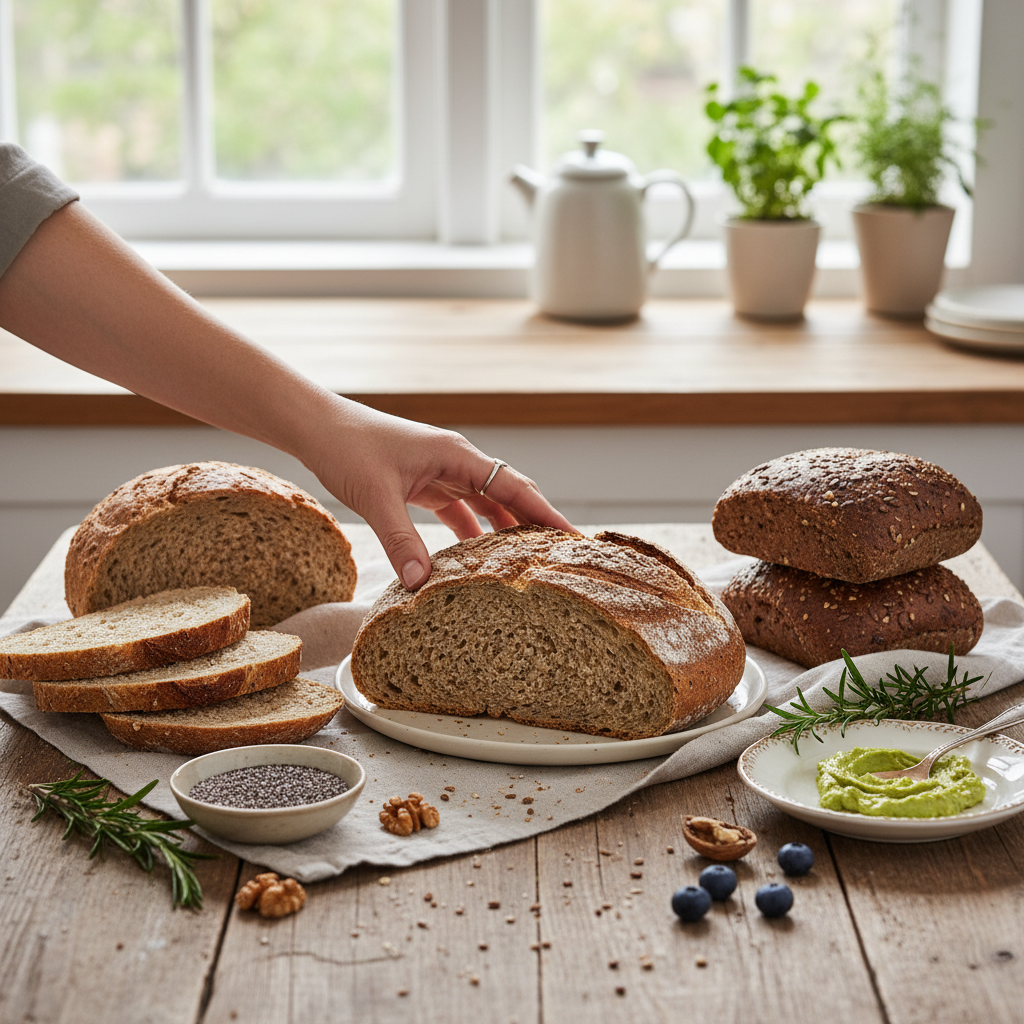

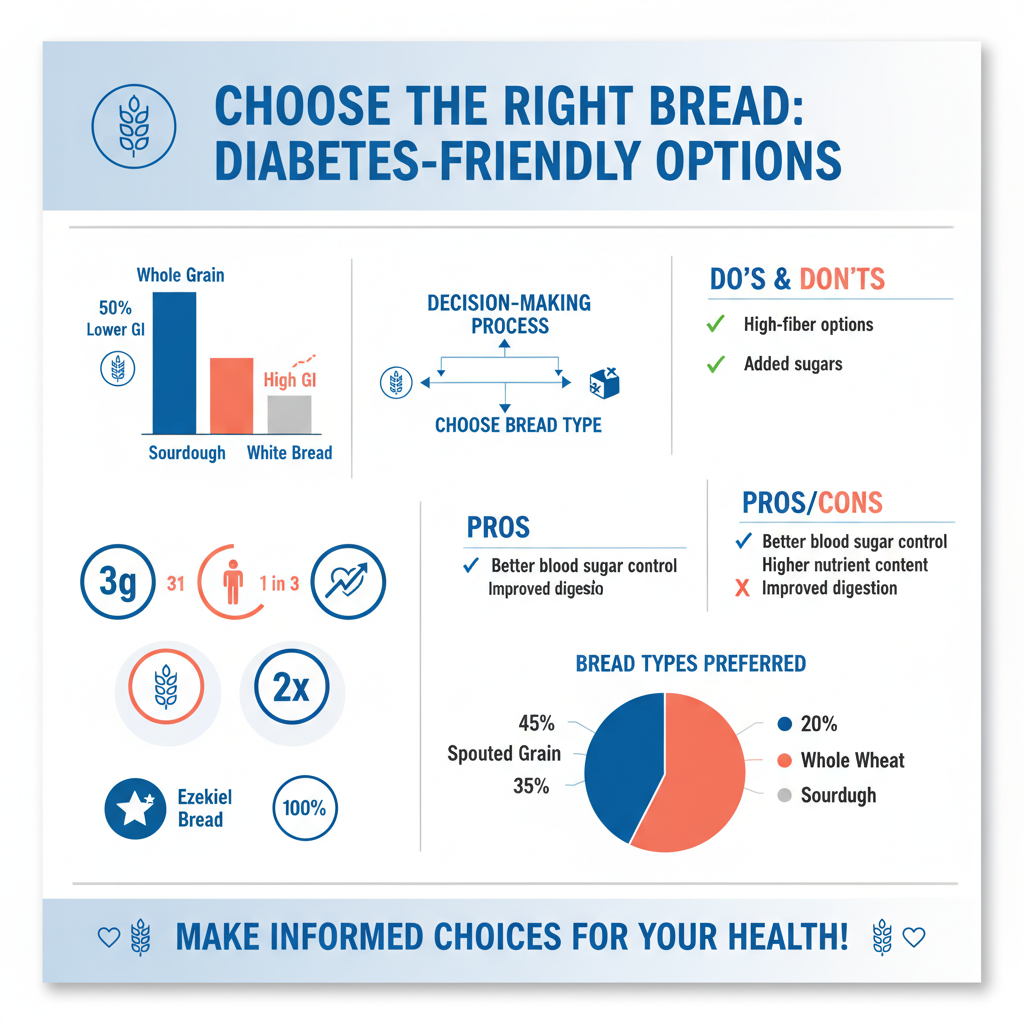
The best bread for diabetics is typically sprouted grain bread or 100% whole wheat bread rich in fiber, as these options have the lowest impact on blood sugar levels. Other excellent choices include traditional sourdough and pumpernickel, which have a lower glycemic index than white bread and help prevent glucose spikes. When choosing a loaf, always look for high fiber content (at least 3 grams per slice) and minimal added sugars to manage diabetes effectively.




For many people newly diagnosed with diabetes or pre-diabetes, the grocery store bread aisle feels like a minefield. There is a common misconception that a diabetes diagnosis means you must say goodbye to sandwiches, toast, and dinner rolls forever. But here is the good news: you don’t have to eliminate bread completely. You just have to be smarter about the type of bread you choose. By understanding how different grains interact with your body and insulin response, you can find a delicious loaf that satisfies your cravings without sending your blood sugar on a roller coaster ride.
Why Whole Grains Matter for Blood Sugar

To understand which bread is “safe,” we first need to look at the anatomy of the grain itself. This is the fundamental difference between a slice of bread that keeps your energy stable and one that causes a crash.
Whole grains contain the entire grain kernel—the bran, germ, and endosperm—which provides essential fiber that slows down the absorption of sugar into the bloodstream. When a grain is refined to make white flour, the bran (the outer shell) and the germ (the nutrient core) are stripped away, leaving only the starchy endosperm. Without the bran and germ, your body turns that starch into glucose almost instantly. Fiber acts as an internal “speed bump” for digestion. It physically blocks digestive enzymes from breaking down starches too quickly, ensuring a slow, steady release of energy rather than a sudden flood.
Eating whole grain bread instead of refined white bread improves insulin sensitivity and helps maintain stable glucose levels throughout the day. High-fiber diets have been consistently linked to a lower risk of Type 2 diabetes and better management for those who already have it. Beyond just blood sugar, the magnesium and chromium found in the germ of whole grains also play a crucial role in how your body utilizes insulin. When you choose 100% whole grains, you aren’t just eating “carbs”; you are eating a complex package of nutrients that work together to support your metabolic health.
Sprouted Grain Bread
If you ask nutritionists and dietitians for their number one recommendation for diabetics, sprouted grain bread often tops the list. It is distinct from standard whole wheat bread because of the way the grain is treated before it is milled into flour.
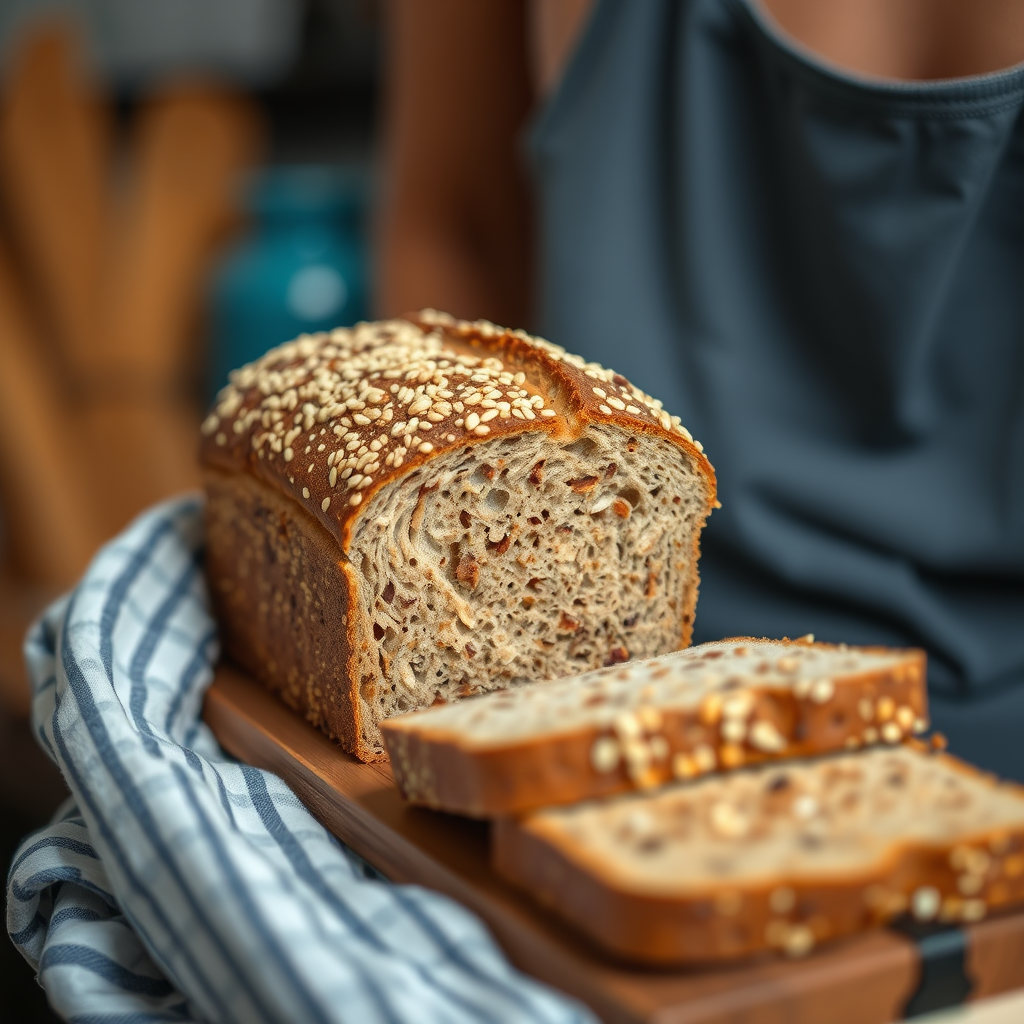
Sprouted grain breads, such as Ezekiel bread, are made from whole grains that have begun to sprout, increasing nutrient availability and lowering the amount of carbohydrates. The sprouting process breaks down some of the starch in the grain to fuel the seedling’s growth. This means that by the time you eat it, the grain has lower starch content and higher proportions of other nutrients. Essentially, the sprouting process turns the grain into something that more closely resembles a vegetable in terms of nutrition.
These breads typically have a lower glycemic index and higher protein content, making them one of the top choices for diabetic meal planning. Because they often contain a mix of grains and legumes (like lentils or soybeans), they offer a complete protein profile. This protein works in tandem with the fiber to further slow digestion. While the texture can be denser and nuttier than what you might be used to, toasting a slice of sprouted grain bread brings out a wonderful flavor that pairs perfectly with avocado or nut butter for a blood-sugar-friendly breakfast.
Sourdough Bread
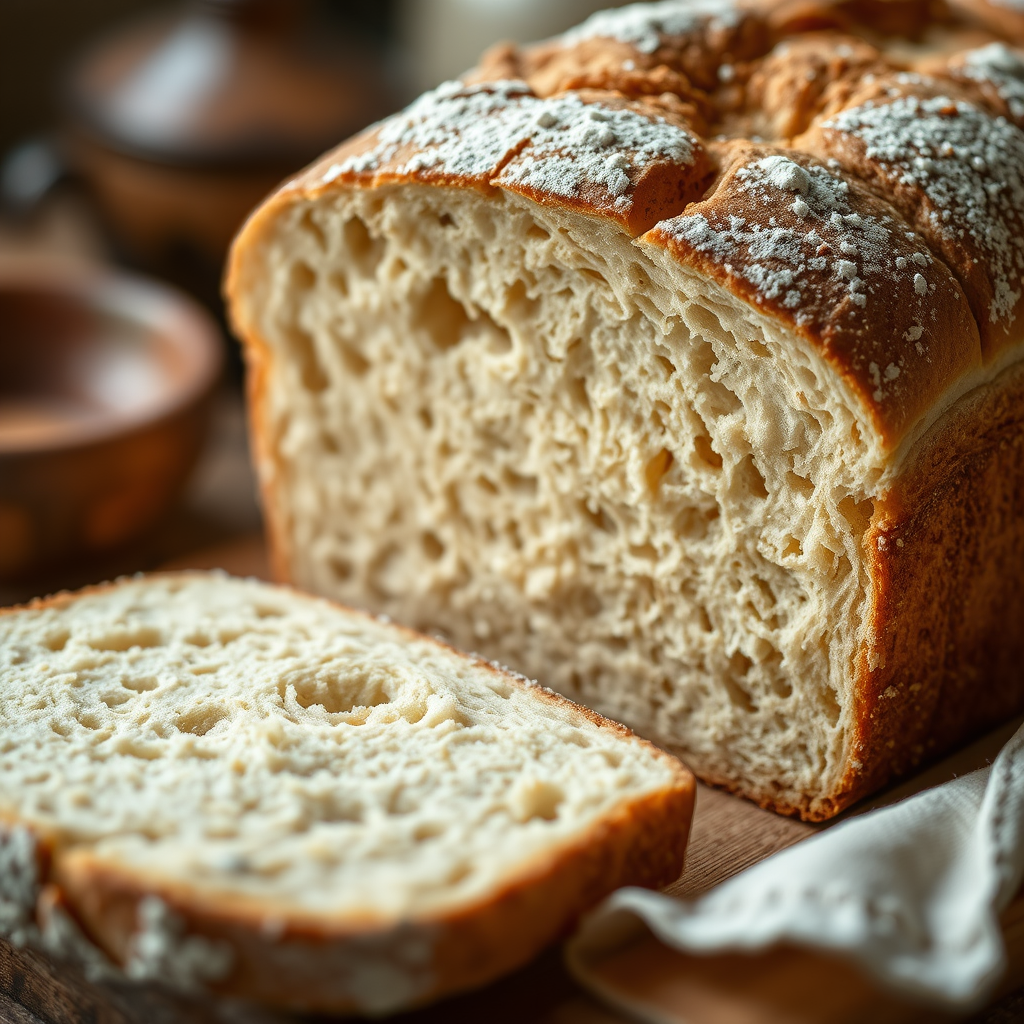
Sourdough has seen a massive resurgence in popularity, and for diabetics, this is a wonderful trend. However, we are talking about real, traditional sourdough, not just white bread with sour flavoring added.
Traditional sourdough bread undergoes a fermentation process that changes the structure of the carbohydrates, resulting in a lower glycemic response compared to regular yeast breads. In commercial bread making, baker’s yeast is used to make the dough rise instantly. In sourdough, a “starter” culture of wild yeast and lactic acid bacteria is used, and the dough is allowed to ferment for a long period (often 12 to 24 hours). During this time, the bacteria “eat” some of the simple sugars and starches in the flour, pre-digesting them for you.
The natural acids produced during fermentation can help slow down digestion, preventing rapid blood sugar spikes after a meal. Specifically, lactic acid interacts with the starch molecules in the bread, making them more resistant to your digestive enzymes. This means that even though sourdough might be made with white flour, it often has a lower Glycemic Index (GI) than standard whole wheat bread. Additionally, the fermentation process makes the minerals in the bread easier for your body to absorb, supporting overall gut health, which is increasingly linked to blood sugar control.
Pumpernickel and Rye Bread
If you enjoy hearty, flavorful sandwiches, it’s time to look toward the dense breads of Northern Europe. However, you need to be a detective when buying these, as many American versions are imposters.
Authentic pumpernickel and dense rye breads are made with coarse rye flour, which is digested much more slowly than wheat flour. Rye grains have a unique type of fiber that creates a viscous gel in your stomach. This gel physically encapsulates the starch, making it very difficult for your body to break it down quickly. This leads to a prolonged feeling of fullness (satiety) and a very gentle rise in blood sugar.
These breads often have a very low glycemic load, but it is important to verify that the first ingredient is whole rye flour rather than refined wheat flour colored with molasses. Many “rye” breads in the supermarket deli section are just fluffy white bread dyed brown with caramel color or molasses—both of which will spike your blood sugar. You want a loaf that feels heavy for its size. If you can squeeze the slice into a tiny ball like soft white bread, it’s likely not the real deal. True pumpernickel is dense, dark, and requires some chewing, which is exactly what you want for diabetes management.
How to Read Bread Labels for Diabetes
Marketing claims on bread packaging can be incredibly deceptive. Words like “natural,” “earthy,” or “artisan” mean nothing regarding nutritional content. To protect your health, you must flip the package over and inspect the Nutrition Facts and Ingredient List.
Always check the ingredient list to ensure the first word is “whole” (e.g., whole wheat, whole rye) rather than “enriched” or just “wheat flour.” If the ingredient list says “wheat flour” or “enriched bleached flour,” you are holding white bread that has been stripped of its fiber. Even if the bread is brown, if the first ingredient isn’t “whole,” put it back.
Look for slices that contain at least 3 grams of dietary fiber and less than 15 grams of total carbohydrates to keep blood sugar manageable. A good rule of thumb is the “10-to-1 ratio”: for every 10 grams of carbohydrates, you want at least 1 gram of fiber. Also, pay close attention to the serving size. Some brands list nutritional info for one slice, while others list it for two. If a single slice has 25 grams of carbs and only 1 gram of fiber, it will likely act like sugar in your system.
Breads to Avoid
Knowing what to skip is just as important as knowing what to buy. Some breads are essentially dessert disguised as a meal staple.
Avoid highly processed white breads, sweet rolls, and breads containing high fructose corn syrup or significant amounts of added sugar. It is surprisingly common for commercial bread brands to add sugar, honey, or high fructose corn syrup to their dough to make it rise faster, brown better, and taste sweeter. This adds unnecessary glucose to your diet before you’ve even put jam or jelly on it. Bagels and Kaiser rolls are also major culprits; a single large bagel can contain as many carbohydrates as four to six slices of bread.
Be cautious of “multigrain” labels, as these can still be made primarily of refined white flour unless the package specifically states “100% whole grain.” “Multigrain” simply means different types of grains are present; it doesn’t guarantee those grains are whole. You could essentially be eating white bread with a few sunflower seeds sprinkled on the crust. Seven-grain, twelve-grain, and oat-nut breads often fall into this trap. Always verify the fiber content; if a “multigrain” bread has less than 2 grams of fiber, it’s not doing your blood sugar any favors.
Finding the right bread involves checking nutritional labels for high fiber and whole ingredients while monitoring portion sizes. By switching to sprouted grain, sourdough, or dense rye options, you can enjoy sandwiches and toast without compromising your blood sugar control. Remember that even the best bread is still a source of carbohydrates, so pairing your slice with healthy fats like olive oil, avocado, or lean proteins can further blunt the glucose response. Consult with your dietitian to determine the best carbohydrate limits for your specific dietary needs, but take heart in knowing that bread can absolutely remain a delicious part of your life.
Frequently Asked Questions
What type of bread has the lowest glycemic index for diabetics?
Sprouted grain bread, such as Ezekiel bread, is widely considered the best option because it has the lowest glycemic index (GI) and typically contains no added sugars. The sprouting process breaks down starches and increases nutrient availability, resulting in a much gentler impact on blood sugar levels compared to traditional flour-based breads. Additionally, the high protein and fiber content in sprouted grains helps slow digestion, further stabilizing glucose levels after eating.
Is sourdough bread a safe option for people with diabetes?
Yes, traditional sourdough bread can be a surprisingly good choice for diabetics due to its unique natural fermentation process. The beneficial bacteria used to create sourdough degrade the starches and organic acids in the dough, which lowers the bread’s glycemic index and causes a slower, more manageable rise in blood sugar. For the best results, look for sourdough made with whole grain flours rather than white flour to maximize fiber intake and nutritional benefits.
How can I tell if store-bought bread is diabetic-friendly based on the label?
When evaluating nutrition labels, prioritize breads that contain at least 3 grams of dietary fiber and less than 15 grams of total carbohydrates per slice. It is crucial to verify that the very first ingredient listed is “100% whole grain” or “whole wheat” rather than “enriched flour,” which acts as a simple carbohydrate in the body. Furthermore, avoid breads with added sugars, high-fructose corn syrup, or molasses, as these ingredients will cause rapid insulin spikes.
Why is pumpernickel bread often recommended for blood sugar control?
Authentic pumpernickel bread is made with coarse rye flour and whole rye kernels, giving it a significantly lower glycemic load (GL) than standard wheat breads. The high levels of soluble fiber found in rye help slow down digestion and carbohydrate absorption, which keeps you feeling full longer and prevents rapid glucose fluctuations. However, be careful to select genuine pumpernickel, as some commercial brands simply color refined white bread with molasses, which is not suitable for a diabetic diet.
Are keto or almond flour breads better than whole wheat for diabetes?
Low-carb breads made from almond flour, coconut flour, or flaxseed are often superior for strict diabetes management because they contain significantly fewer net carbohydrates than grain-based options. These “keto-friendly” breads rely on healthy fats and fiber rather than starch, resulting in a negligible impact on blood glucose levels. While they are excellent for blood sugar control, they are often more calorie-dense, so portion control remains important for maintaining a healthy weight.
References
- https://health.clevelandclinic.org/best-bread-for-diabetics
- https://www.diabetes.org.uk/guide-to-diabetes/enjoy-food/eating-with-diabetes/food-groups/starchy-foods
- https://www.health.harvard.edu/staying-healthy/the-truth-about-bread
- Healthy Living with Diabetes – NIDDK
- Diabetes diet: Create your healthy-eating plan – Mayo Clinic
- Diabetes Teaching Center
- https://www.umassmed.edu/dcoe/diabetes-education/nutrition/carbohydrates/




Pingback: Best Exercises for Diabetes - Best For Diabetics
Pingback: Best Sweetener for Diabetes: What to Know - Best For Diabetics
Pingback: Best Salad Dressings for Diabetes - Best For Diabetics
Pingback: Best Protein Powders for Diabetics: Key Considerations - Best For Diabetics
Pingback: Best Multivitamin for Diabetes: Your Top Choices - Best For Diabetics
Pingback: Best Medicine for Constipation for Diabetic Patients - Best For Diabetics
Pingback: Best Fruits and Veggies for Diabetics - Best For Diabetics
Pingback: The Best Diet for Type 2 Diabetics: What to Eat - Best For Diabetics
Pingback: What Are the Best Medications for Diabetic Neuropathy? - Best For Diabetics