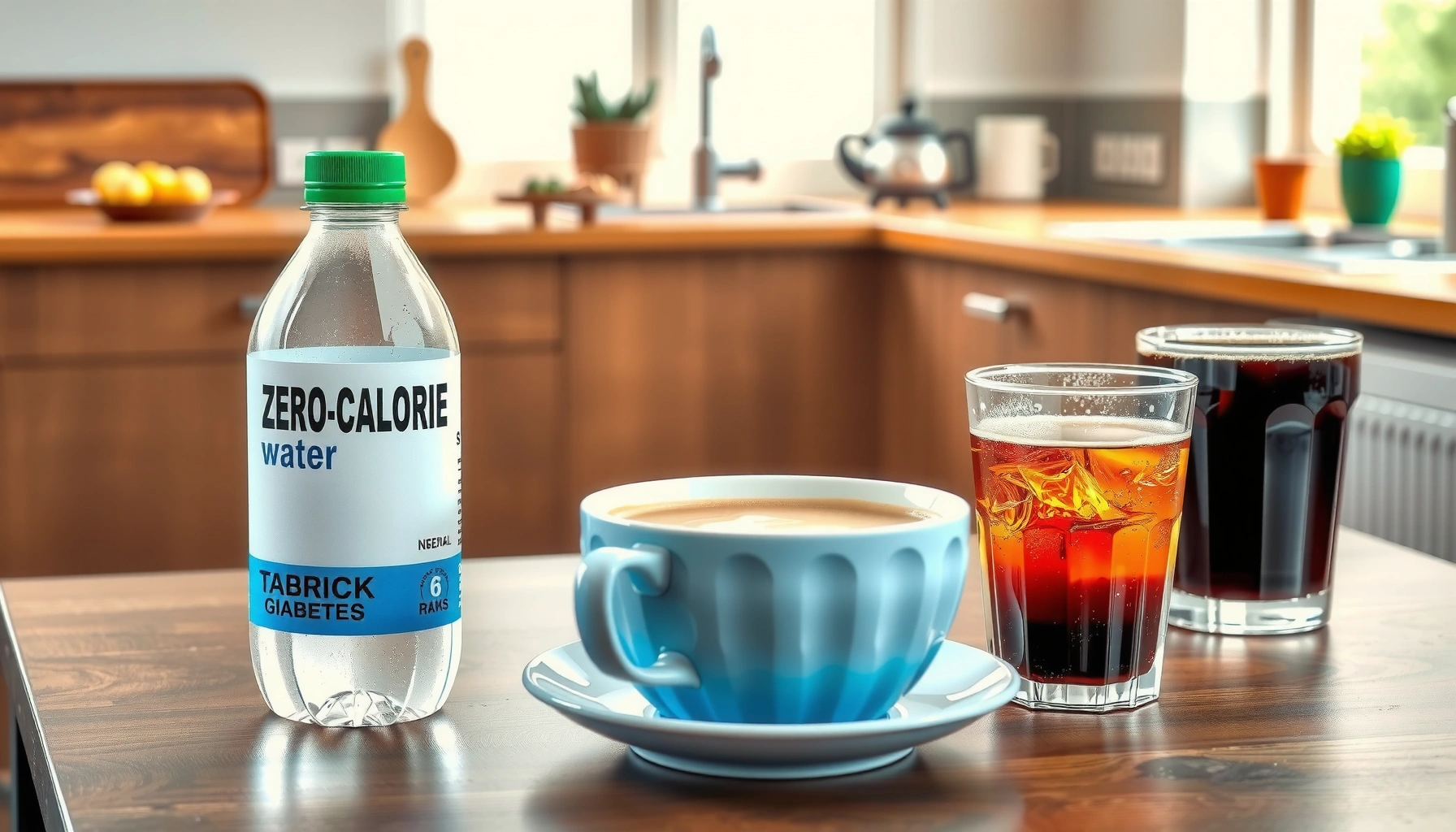

The best drinks for diabetics are zero-calorie or low-calorie options like water, unsweetened tea, and black coffee, as these provide hydration without causing blood sugar spikes. While plain water is the gold standard for glucose management, you can also safely enjoy herbal teas, vegetable juice, and unsweetened plant-based milks in moderation. Navigating the beverage aisle can be tricky when you are managing diabetes, as many popular drinks are hidden sources of sugar that can derail your progress. This guide breaks down the most hydrating, diabetes-friendly beverages and highlights the sugary drinks you should strictly avoid to keep your numbers in check.



1. Water: The Ultimate Choice
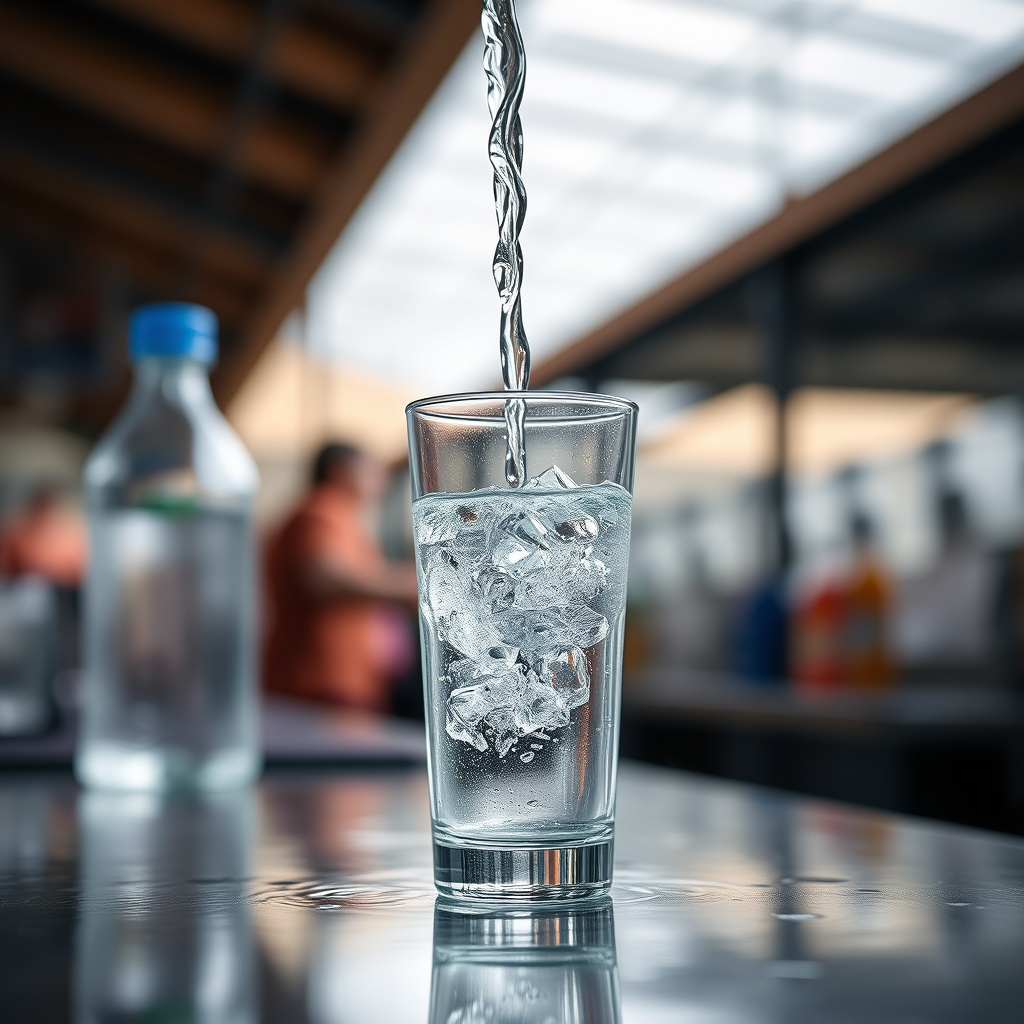
When it comes to managing diabetes, water isn’t just a basic necessity; it is a metabolic tool. For anyone monitoring their glucose levels, staying adequately hydrated is critical because of how the kidneys function. When blood sugar levels run high, your body attempts to flush out excess glucose through urine. If you are dehydrated, the glucose concentration in your blood remains higher, and your kidneys have to work much harder to filter it out. By drinking enough water, you are effectively helping your body eliminate that excess sugar, keeping your levels more stable and preventing the dehydration that often accompanies high blood sugar.
However, we all know that drinking plain water all day can sometimes feel a bit monotonous. If you find yourself reaching for sugary drinks just because you’re bored with tap water, it’s time to get creative with natural infusions. Infusing your water adds zest and aroma without adding carbohydrates or spiking your insulin.
Try adding slices of fresh lemon, lime, or orange for a citrusy kick. Cucumber and mint make for a spa-like, refreshing combination that is perfect for hot days. You can even toss in a handful of slightly crushed fresh berries—like raspberries or strawberries—to release their flavor. Because you aren’t eating the fruit in bulk or drinking its juice, the carbohydrate impact is negligible, but the flavor payoff is huge. Keeping a pitcher of infused water in the fridge is a great visual reminder to stay hydrated throughout the day.
2. Unsweetened Tea and Coffee
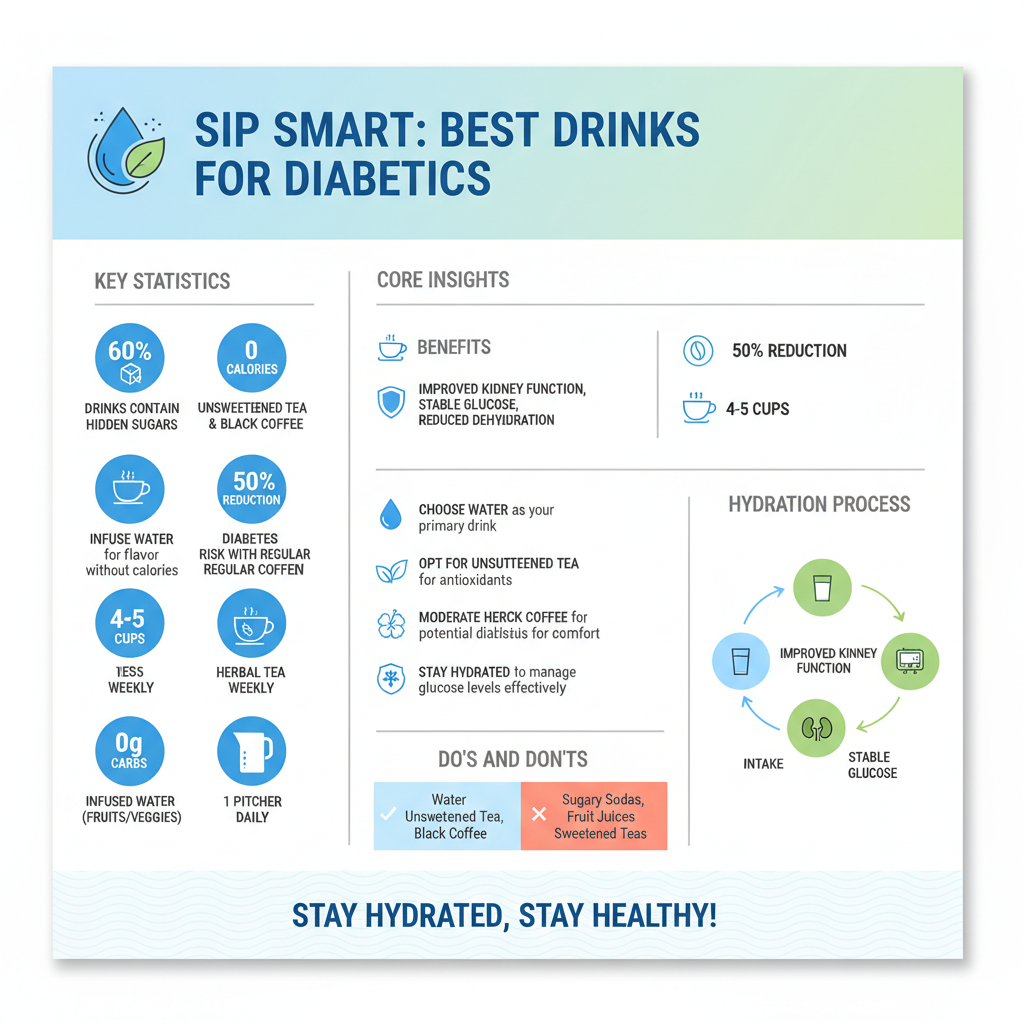

If you are a caffeine lover, there is great news: both tea and coffee can be excellent choices for a diabetes-friendly diet, provided they are prepared correctly. Research has shown that green tea, in particular, is rich in polyphenols and antioxidants like epigallocatechin gallate (EGCG), which may help improve insulin sensitivity and reduce the risk of type 2 diabetes. Similarly, black tea and herbal teas like hibiscus or chamomile offer flavor and comfort without any impact on your blood sugar.
Coffee is another safe bet, and some studies suggest that regular coffee consumption might actually lower the risk of developing type 2 diabetes over time. The caffeine in coffee does not typically raise blood sugar, though individual sensitivity can vary.
The catch, however, lies in what you add to your cup. The health benefits of tea and coffee are instantly negated when they are turned into dessert-like beverages. A standard coffee shop latte or Frappuccino can contain upwards of 40 to 60 grams of sugar—more than a can of soda. To keep these drinks healthy, it is crucial to avoid sugary creamers, flavored syrups, and whipped toppings. Instead, stick to black coffee or tea. If you need a bit of creaminess, opt for a splash of heavy cream or half-and-half, which have fewer carbs than milk, or use a sugar-free syrup if you crave that vanilla or hazelnut flavor.
3. Milk and Plant-Based Alternatives
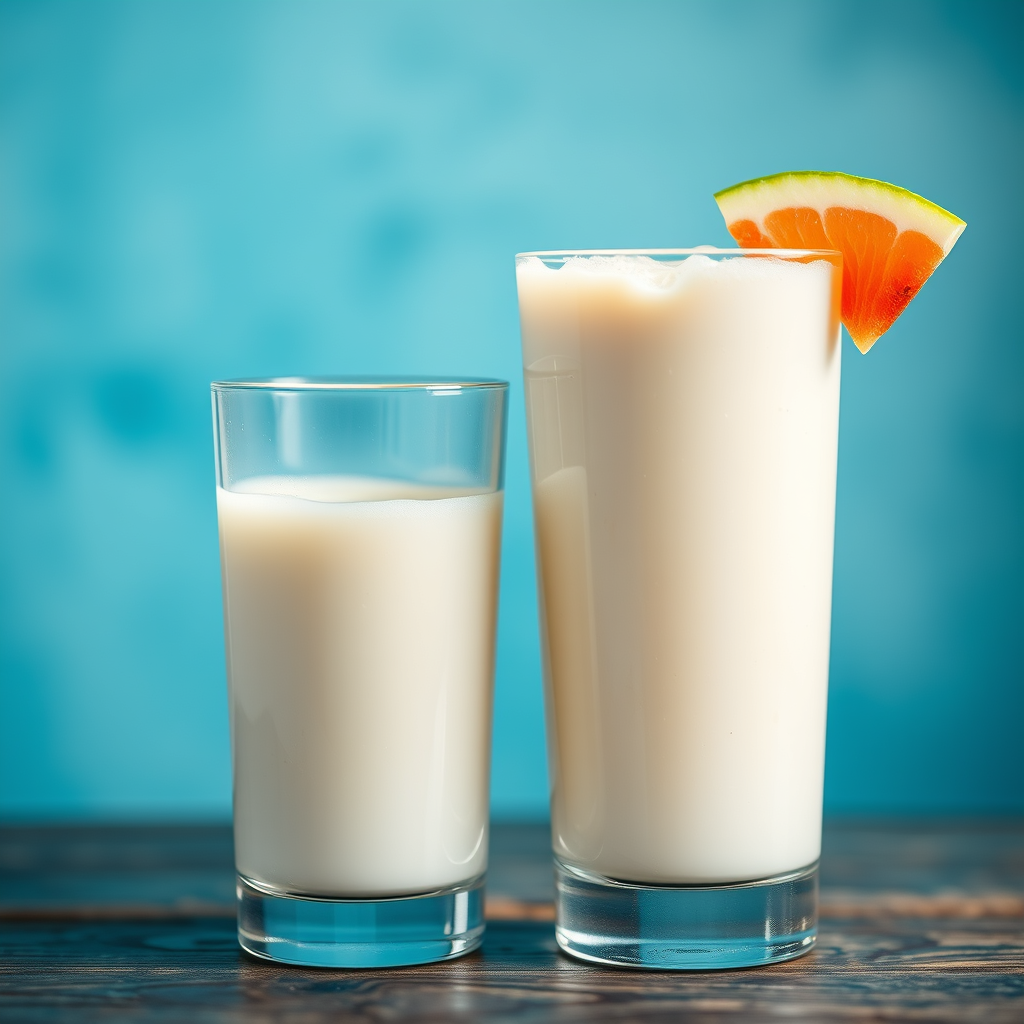
Milk is a nutritious beverage containing calcium and vitamin D, but it also contains naturally occurring sugar called lactose. For someone with diabetes, this means milk must be counted as a carbohydrate serving in your meal plan. A cup of skim milk typically contains about 12 grams of carbohydrates. While this is not a huge amount, it is enough to raise blood sugar if you aren’t accounting for it.
This is where the variety of plant-based milks becomes a game-changer. Unsweetened almond milk, soy milk, and coconut milk are fantastic alternatives that often have lower carbohydrate counts than dairy milk. For example, a cup of unsweetened almond milk usually contains less than 1 gram of carbohydrates, making it essentially a “free” food in terms of blood sugar impact. Soy milk is another strong contender; it is higher in protein than almond milk and offers a creamy texture that works well in coffee, though you should check the label to ensure it is unsweetened.
The key word here is “unsweetened.” Many plant milks—especially vanilla-flavored varieties—are loaded with added cane sugar to improve the taste. Always flip the carton over and check the nutrition label. If you are choosing dairy milk, keep in mind that while whole milk has more fat, that fat can actually help slow the absorption of the lactose, potentially resulting in a slower blood sugar rise compared to skim milk. Ultimately, the best choice depends on your specific dietary goals and cholesterol levels.
4. Vegetable Juice and Green Smoothies
Many people assume that because fruit is healthy, fruit juice must be a great choice. Unfortunately, fruit juice is one of the quickest ways to spike blood sugar because it delivers a concentrated dose of sugar without the fiber to slow down digestion. Vegetable juice, however, is a much safer alternative. A blend of tomato, celery, cucumber, and spinach provides vitamins and minerals with a fraction of the carbohydrates found in fruit juice.
However, there is an important distinction to make between juicing and blending. When you use a traditional juicer, the machine extracts the liquid and discards the pulp. That pulp is fiber, and fiber is your best friend when managing diabetes. Fiber acts as a buffer, slowing down the absorption of sugar into the bloodstream and helping you feel full.
This is why green smoothies (blended whole vegetables and fruits) are generally superior to juices. By using a blender, you retain all the fiber from the spinach, kale, or berries. A well-constructed green smoothie can serve as a meal replacement or a filling snack. To make a blood-sugar-friendly smoothie, focus on a 3-to-1 ratio of vegetables to fruit. Use a base of unsweetened almond milk or water, add a handful of spinach or kale, perhaps a small portion of green apple or berries for sweetness, and a source of healthy fat like avocado or chia seeds. This combination ensures a slow, steady release of energy rather than a sugar crash.
5. Drinks to Limit or Avoid Completely
Knowing what to avoid is just as important as knowing what to drink. The most obvious culprits are regular sodas, sweetened iced teas, and energy drinks. These beverages are essentially liquid sugar. Because liquids do not require digestion in the same way solids do, the sugar from a soda hits your bloodstream almost instantly, causing a rapid and dangerous spike in glucose levels. This forces your body to produce a surge of insulin (if it can), leading to a rollercoaster of high and low blood sugar that can leave you feeling tired, irritable, and craving more sugar.
However, the “healthy” aisle is also full of traps. As mentioned earlier, fruit juices—even 100% natural ones like orange, apple, or grape juice—are incredibly high in sugar. A small glass of grape juice can contain as much sugar as a sugary soft drink. Vitamin waters and sports drinks are also frequent offenders; unless they are specifically labeled “zero sugar,” they often contain high fructose corn syrup or cane sugar intended to refuel athletes, not to manage diabetes.
Alcoholic beverages also require caution. Sweet cocktails, dessert wines, and mixers like tonic water or regular soda can send blood sugar soaring. If you choose to drink alcohol, dry wines or spirits mixed with club soda are safer choices, but always check with your doctor regarding how alcohol interacts with your medication, as it can sometimes cause unexpected lows (hypoglycemia) later in the night.
6. Smart Tips for Sweetening Drinks
Giving up sugar doesn’t mean giving up sweetness. We live in a golden age of non-nutritive sweeteners that can make your coffee, tea, or homemade lemonade taste delicious without the glucose spike. Stevia and Monk Fruit are two of the most popular natural options. They are derived from plants and have zero calories and zero impact on blood sugar. Erythritol is a sugar alcohol that is also widely tolerated and has a taste very similar to sugar without the bitter aftertaste some people find with artificial sweeteners like aspartame or sucralose.
When looking for beverages or sweeteners, becoming a detective with nutrition labels is vital. Don’t just look at the calorie count; look specifically at “Total Carbohydrates” and “Added Sugars.” Sometimes a drink will claim to be “low fat” or “all natural” but will hide 20 grams of sugar under names like agave nectar, organic cane syrup, honey, or fruit juice concentrate. Remember, to your body, these are all sugar.
Also, be wary of the term “sugar-free” on powdered drink mixes, as they sometimes contain maltodextrin, a filler that can raise blood sugar higher than table sugar does. Sticking to pure liquid sweeteners or pure stevia/monk fruit extracts is usually the safest route to sweeten your drinks without compromising your health.
Choosing the right beverages is just as important as your food choices when managing diabetes, so prioritize water and unsweetened options to keep your blood sugar levels stable throughout the day. It helps to think of your drink choices as the foundation of your diet; if you get the liquids right, you have more flexibility with your meals. By substituting sugary sodas with refreshing alternatives like infused water, creamy unsweetened almond milk, or aromatic herbal tea, you can stay hydrated while protecting your long-term health. Start by swapping just one sugary drink a day for a diabetes-friendly alternative to see the positive impact on your energy and glucose readings. Small changes truly add up to big results!
Frequently Asked Questions
What are the best drinks for diabetics besides water?
The best beverages for diabetes management include unsweetened herbal teas, black coffee, vegetable juice, and low-fat milk, as these provide flavor without spiking blood glucose levels. Infused water with slices of cucumber, lemon, or berries is also an excellent choice for staying hydrated while satisfying cravings for something refreshing. Ultimately, zero-calorie or low-carb drinks are ideal because they do not significantly impact daily carbohydrate intake or insulin response.
Is diet soda safe for people with type 2 diabetes?
Diet sodas are generally considered a safer alternative to regular sugary sodas because they use artificial sweeteners that do not contain carbohydrates or calories. However, some studies suggest that excessive consumption of artificial sweeteners may impact insulin sensitivity or increase sugar cravings in certain individuals. It is best to consume diet sodas in moderation and prioritize water or sparkling water flavored with natural fruit essence.
Which alcoholic drinks have the least sugar for diabetics?
When choosing alcohol, the best options for diabetics are dry wines (red or white), light beers, and distilled spirits like vodka, gin, whiskey, or tequila mixed with soda water rather than sugary juices. These beverages contain little to no carbohydrates, preventing rapid spikes in blood sugar, though it is crucial to monitor levels as alcohol can sometimes cause hypoglycemia (low blood sugar) later on. Always drink alcohol with food to help stabilize glucose absorption.
Can drinking coffee or tea help with blood sugar management?
Yes, studies suggest that unsweetened coffee and green tea may offer health benefits for diabetics due to their high antioxidant content and potential to improve insulin sensitivity. Green tea, in particular, contains epigallocatechin gallate (EGCG), which may help lower blood glucose levels and reduce the risk of type 2 diabetes complications. To maximize these benefits, avoid adding sugar, honey, or high-calorie creamers that can negate the positive effects.
Should diabetics drink fruit juice if it has no added sugar?
Even 100% natural fruit juice can be problematic for diabetics because the juicing process removes the dietary fiber found in whole fruit, leading to a rapid spike in blood sugar levels. A small glass of vegetable juice or tomato juice is a much lower-carb alternative that provides vitamins without the high glycemic load. If you crave fruit flavor, it is nutritionally superior to eat the whole fruit to benefit from the fiber, which slows sugar absorption.
References
- Healthy Drinks • The Nutrition Source
- https://diabetes.org/food-nutrition/reading-food-labels/beverages
- What to drink when you have diabetes | Diabetes UK
- https://health.clevelandclinic.org/what-to-drink-when-you-have-diabetes
- Healthy Living with Diabetes – NIDDK
- Healthy Eating | Diabetes | CDC
- Diabetes Teaching Center




Pingback: Best Snacks for Gestational Diabetes: Healthy Choices - Best For Diabetics
Pingback: Best Hospitals in Town for Diabetes Care - Best For Diabetics
Pingback: Best Dark Chocolate for Diabetics: Key Considerations - Best For Diabetics
Pingback: Best Beverages for Diabetics: Safe and Healthy Drink Choices - Best For Diabetics
Pingback: Best Supplements for Diabetes: What to Consider - Best For Diabetics
Pingback: Best Snack Foods for Diabetics: Healthy Choices - Best For Diabetics
Pingback: Best Hard Liquor for Diabetics: Smart Choices - Best For Diabetics
Pingback: Best Drinks for Diabetes: Healthy Hydration - Best For Diabetics
Pingback: Best Wet Cat Food for Diabetic Cats: Top Choices - Best For Diabetics