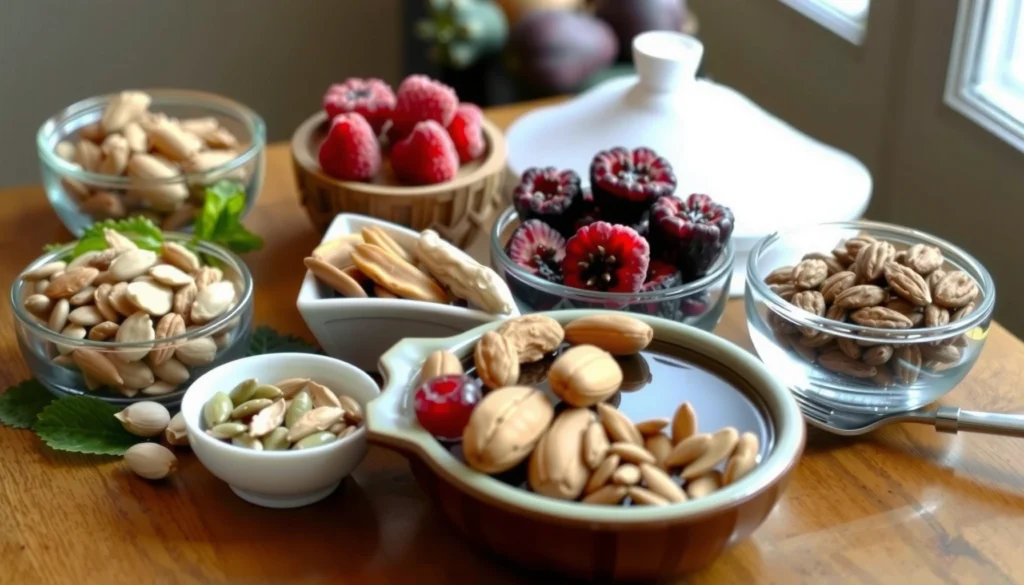

Navigating snack options with diabetes doesn’t have to be complicated; the best choices are typically rich in fiber, protein, and healthy fats while being low in added sugars and refined carbohydrates. By focusing on whole, unprocessed foods and mindful portion control, you can enjoy delicious snacks that help stabilize blood sugar levels, keep you feeling full, and support overall health. This guide will help you identify smart and satisfying snack ideas tailored for diabetes management.


Understanding Diabetes-Friendly Snacking Principles
Effective diabetes management relies heavily on consistent and informed dietary choices, and snacking plays a surprisingly significant role. Strategic snacking can be a powerful tool, providing numerous benefits that go beyond simply staving off hunger. Understanding the core principles behind diabetes-friendly snacking empowers individuals to make choices that actively support their health goals.
* Blood Sugar Management: Snacking can prevent blood sugar drops and help spread carbohydrate intake throughout the day. Rather than experiencing significant fluctuations from large, infrequent meals, carefully chosen snacks can provide a steady supply of energy, preventing both hypoglycemia (low blood sugar) and hyperglycemia (high blood sugar). For individuals on certain medications, timed snacks can be crucial for preventing lows. Additionally, distributing carbohydrate intake helps the body manage glucose more efficiently, reducing the burden on the pancreas and promoting stable energy levels throughout the day. This proactive approach can reduce the likelihood of post-meal blood sugar spikes and subsequent crashes.
* Nutrient Focus: Prioritize fiber, protein, and healthy fats for satiety and stable glucose levels. These three macronutrients are foundational for diabetes-friendly eating due to their unique metabolic effects.
* Fiber: Found abundantly in vegetables, fruits, whole grains, and legumes, fiber slows down the absorption of glucose into the bloodstream, thereby blunting blood sugar spikes. It also contributes to gut health and promotes a feeling of fullness.
* Protein: Protein has a minimal impact on blood sugar levels and is highly satiating. It helps to slow digestion, keeping you feeling fuller for longer and reducing the likelihood of overeating at subsequent meals. Adequate protein intake is also vital for muscle maintenance and repair.
* Healthy Fats: Monounsaturated and polyunsaturated fats, found in foods like nuts, seeds, and avocados, contribute significantly to satiety and can also help slow down the absorption of carbohydrates. They provide sustained energy and are important for overall cardiovascular health, a key consideration for people with diabetes.
* Portion Control is Key: Even healthy snacks need to be consumed in appropriate amounts to avoid unwanted blood sugar spikes. While foods rich in fiber, protein, and healthy fats are beneficial, they still contain calories and, in some cases, carbohydrates. Overconsumption of even “healthy” foods can lead to excess calorie intake, contributing to weight gain, and can still impact blood sugar levels. Learning to recognize appropriate portion sizes for various snacks – whether it’s a small handful of nuts, a cup of yogurt, or a medium piece of fruit – is crucial. Using measuring tools, reading nutrition labels carefully, and practicing mindful eating techniques can help in mastering portion control.
High-Protein Power Snacks
Protein is a cornerstone of diabetes management due to its profound impact on satiety and blood glucose regulation. Incorporating high-protein snacks can be a game-changer for individuals seeking to manage their diabetes effectively.
* Benefits: Protein helps you feel full, slows digestion, and has minimal impact on blood sugar. The satiating effect of protein is largely due to its influence on appetite-regulating hormones such as peptide YY (PYY) and glucagon-like peptide-1 (GLP-1), which signal fullness to the brain. This extended satiety reduces overall calorie intake and helps prevent cravings for less healthy, high-carbohydrate options. Furthermore, protein requires more energy to digest and metabolize (known as the thermic effect of food) compared to carbohydrates or fats, contributing marginally to calorie expenditure. Because protein is converted to glucose much more slowly and inefficiently than carbohydrates, it causes only a slight, gradual rise in blood sugar, if any, making it an ideal snack component for glucose stability.
* Examples:
* Hard-boiled eggs: A quintessential high-protein snack, one large hard-boiled egg provides approximately 6 grams of complete protein, along with essential vitamins and minerals like choline, vitamin D, and B vitamins. They are incredibly convenient, portable, and require no refrigeration for short periods. Their versatility allows them to be seasoned simply with salt and pepper, or incorporated into more elaborate snacks like deviled eggs (using Greek yogurt instead of mayonnaise) or atop a bed of greens.
* Greek yogurt (plain, unsweetened): Unlike regular yogurt, Greek yogurt undergoes a straining process that removes much of the whey, resulting in a thicker consistency and nearly double the protein content. A 5.3-ounce serving can provide 15-20 grams of protein. Crucially, choose plain, unsweetened varieties to avoid excessive added sugars, which can significantly impact blood glucose. Opt for whole-milk or 2% milk fat versions for increased satiety from healthy fats, or low-fat options if calorie restriction is a primary concern. Enhance its flavor and nutrient profile by adding a small handful of berries, a sprinkle of chia seeds, or a few chopped nuts.
* Cottage cheese: Similar to Greek yogurt, cottage cheese is an excellent source of casein protein, a slow-digesting protein that provides a sustained release of amino acids, promoting prolonged satiety. A half-cup serving can offer around 12-14 grams of protein. It’s also rich in calcium and can be enjoyed in various ways: with sliced vegetables, a sprinkle of black pepper, or a small portion of fruit like peaches or berries. Look for low-sodium options if managing blood pressure is also a goal.
* String cheese: Perfect for on-the-go snacking, a single stick of string cheese provides about 7-8 grams of protein and a good dose of calcium, making it a convenient and portion-controlled option. It offers a satisfying creamy texture and can be paired with a few whole-grain crackers or some vegetable sticks for added fiber. Ensure to check labels for lower sodium varieties if necessary.
Fiber-Rich Vegetable & Fruit Combos
Fiber is an indispensable component of a diabetes-friendly diet, profoundly impacting digestion, blood sugar regulation, and overall metabolic health. Pairing fiber-rich produce with healthy fats or proteins further enhances their benefits.
* Benefits: Fiber aids digestion, helps regulate blood sugar, and provides essential vitamins and minerals. Dietary fiber is broadly categorized into soluble and insoluble forms, both offering distinct advantages. Soluble fiber, found in oats, apples, and legumes, dissolves in water to form a gel-like substance, which slows down gastric emptying and the absorption of glucose, effectively flattening blood sugar curves. It also helps lower cholesterol. Insoluble fiber, present in whole grains, vegetables, and fruit skins, adds bulk to stool, promoting regular bowel movements and preventing constipation. Beyond blood sugar control, fiber-rich foods are packed with an array of essential vitamins, minerals, and antioxidants that support immune function, reduce inflammation, and protect against chronic diseases often co-occurring with diabetes.
* Examples:
* Baby carrots or celery sticks with hummus: This classic combination offers a powerful blend of fiber, protein, and healthy fats. Baby carrots and celery are low in calories and rich in vitamins and insoluble fiber. Hummus, made from chickpeas, tahini (sesame paste), olive oil, and lemon juice, provides a significant amount of soluble fiber, plant-based protein, and monounsaturated fats. The fiber and fat in hummus help slow down the digestion of the carbohydrates from the chickpeas and vegetables, preventing rapid blood sugar spikes. Aim for a 2-4 tablespoon serving of hummus for appropriate portion control.
* Apple slices with a small amount of peanut butter: Apples are a good source of soluble fiber, particularly pectin, which helps regulate blood sugar. When paired with a small amount (1-2 tablespoons) of natural peanut butter (which is free of added sugars and unhealthy oils), the protein and healthy fats from the peanut butter provide sustained energy and slow down the release of the apple’s natural sugars, preventing a sharp rise in glucose. Ensure the peanut butter contains only peanuts and perhaps salt. Other nut butters like almond butter also work well.
* A handful of berries (strawberries, blueberries) with a few almonds: Berries are nutritional powerhouses, low in calories and natural sugars compared to many other fruits, yet exceptionally high in fiber and antioxidants. Blueberries, for instance, have been linked to improved insulin sensitivity. Combining them with a small handful (approximately 10-15) of almonds adds healthy monounsaturated fats, protein, and additional fiber, creating a balanced snack that satisfies sweetness cravings without derailing blood sugar goals. The almonds’ crunch and fat content enhance satiety.
Healthy Fats for Satiety and Energy
While often misunderstood, healthy fats are crucial for diabetes management, contributing significantly to satiety, nutrient absorption, and cardiovascular health. Strategic inclusion of these fats in snacks can provide sustained energy and support stable blood glucose levels.
* Benefits: Healthy fats contribute to fullness, provide sustained energy, and can help mitigate rapid blood sugar increases. Unlike carbohydrates, fats have a negligible impact on blood glucose levels. When consumed alongside carbohydrates, healthy fats slow down gastric emptying, meaning food stays in the stomach longer, which in turn slows the rate at which glucose enters the bloodstream. This helps to prevent sharp post-meal blood sugar spikes. Moreover, fats are calorie-dense and contribute significantly to satiety, making you feel full and satisfied for longer, reducing the likelihood of overeating or snacking on less healthy options. Monounsaturated fatty acids (MUFAs) and polyunsaturated fatty acids (PUFAs), especially omega-3s, are known to improve insulin sensitivity and reduce inflammation, both critical aspects of diabetes care.
* Examples:
* A small handful of unsalted nuts (almonds, walnuts): Nuts are excellent sources of healthy fats, fiber, protein, and various micronutrients. Almonds are rich in vitamin E and magnesium, while walnuts are particularly known for their omega-3 fatty acids, which have anti-inflammatory benefits. A small handful (about 1/4 cup or 1 ounce) provides a significant amount of healthy fats, contributing to satiety and sustained energy. It’s crucial to choose unsalted, raw, or dry-roasted nuts to avoid excess sodium and unhealthy oils. Due to their calorie density, portion control is paramount to prevent excessive caloric intake.
* A quarter of an avocado: Avocados are a unique fruit, exceptionally rich in monounsaturated fats, fiber, and potassium. A quarter of an avocado provides heart-healthy fats that enhance satiety and contribute to stable blood sugar. The high fiber content further aids in digestive health and glucose control. Avocados can be enjoyed simply with a sprinkle of salt and pepper, mashed onto a small piece of whole-grain toast, or added to a small salad for a creamy texture and nutrient boost.
* Chia seed pudding made with unsweetened almond milk: Chia seeds are nutritional powerhouses, packed with omega-3 fatty acids, fiber, and protein. When soaked in liquid, they absorb up to 10-12 times their weight, forming a gel-like consistency that is incredibly satiating. Preparing chia seed pudding with unsweetened almond milk ensures a low-carb, high-fiber, and healthy-fat snack. A typical serving (e.g., 2 tablespoons chia seeds soaked in 1/2 cup almond milk) provides ample fiber, making it excellent for digestion and blood sugar stability. You can enhance flavor with a touch of vanilla extract or a small amount of berries.
Convenient Grab-and-Go Options
Life often demands convenience, but convenience doesn’t have to compromise diabetes management. With careful selection and label reading, many ready-to-eat options can fit perfectly into a healthy snacking strategy.
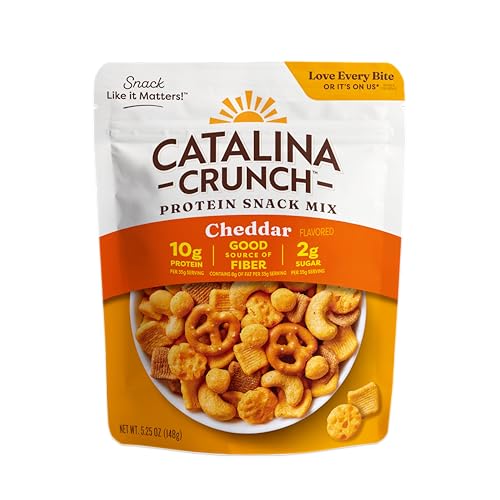
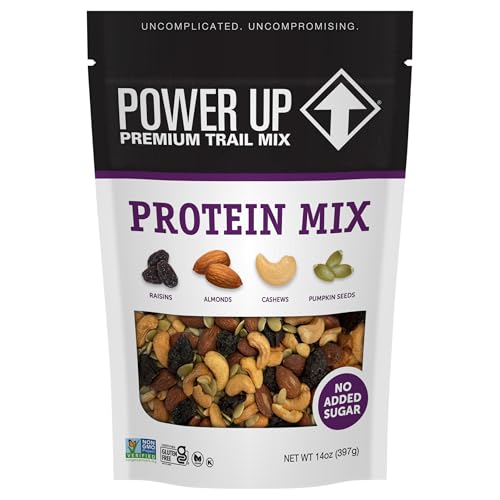
* Label Reading: Look for snacks with low net carbs, high fiber, and no added sugars. This is arguably the most critical skill for selecting convenient, packaged snacks.
* Net Carbs: Calculate net carbs by subtracting fiber and, sometimes, sugar alcohols from the total carbohydrates. This number better reflects the carbohydrates that will significantly impact blood sugar.
* Fiber Content: Aim for snacks with at least 3 grams of fiber per serving, as higher fiber content helps mitigate blood sugar spikes.
* Added Sugars: Scrutinize the “Added Sugars” line on the nutrition facts panel. Even seemingly healthy snacks can hide significant amounts of added sugars, which directly elevate blood glucose. Ingredients to watch out for include corn syrup, dextrose, fructose, maltose, sucrose, and fruit juice concentrates.
* Protein Content: Look for snacks that offer a good source of protein (e.g., 5 grams or more per serving) to enhance satiety and provide steady energy.
* Serving Size: Always pay attention to the serving size listed, as nutrition information is based on this quantity.
* Examples:
* Pre-portioned unsalted nut packs: Many brands offer individual serving packs of nuts, making portion control effortless and preventing overconsumption. Opt for unsalted varieties to manage sodium intake. These provide healthy fats, protein, and fiber, ideal for sustained energy and satiety. Look for almonds, walnuts, pecans, or mixed nut varieties.
* Sugar-free gelatin: Gelatin is essentially pure protein (collagen) with no carbohydrates or fats, provided it’s sugar-free. It offers a light, satisfying snack that can curb sweet cravings without impacting blood sugar. It’s hydrating and can be a good option for those looking for a very low-calorie, low-carb snack. Ensure it specifies “sugar-free” on the packaging.
* Small whole-grain crackers with cheese: The key here is “whole-grain” and “small” portion. Whole-grain crackers provide more fiber than refined white crackers, which helps slow sugar absorption. Pair them with a slice of cheese (like cheddar, provolone, or Swiss) for protein and calcium. A serving might be 3-5 small whole-grain crackers with 1-2 ounces of cheese. Always check cracker labels for added sugars and fiber content.
* Roasted edamame: Available in convenient pre-portioned bags, roasted edamame is a fantastic source of plant-based protein, fiber, and healthy fats. It’s crunchy, satisfying, and easy to eat on the go. A half-cup serving provides approximately 8-10 grams of protein and several grams of fiber, with a modest carbohydrate count, making it an excellent diabetes-friendly choice. Look for lightly salted or unsalted versions.
Snacks to Limit or Avoid
Just as it’s important to know what to eat, understanding which snacks to limit or avoid is equally crucial for effective diabetes management. These foods can significantly impede blood sugar control and overall health goals.
* High Sugar Content: Avoid snacks with excessive added sugars, like candy, pastries, and sugary drinks. These items lead to rapid and drastic spikes in blood sugar levels due to their high concentration of simple carbohydrates that are quickly absorbed into the bloodstream. Consistent consumption of high-sugar snacks can contribute to insulin resistance, make blood sugar management challenging, and increase the risk of weight gain, inflammation, and other cardiovascular complications often associated with diabetes. This category includes obvious culprits like soda, fruit juice (even 100% juice, due to its concentrated natural sugars and lack of fiber), cakes, cookies, donuts, most breakfast cereals, and even many seemingly “healthy” granola bars. Always check food labels for hidden sugars.
* Refined Carbohydrates: Limit items made with white flour, such as white bread, cakes, and many crackers, which can cause rapid blood sugar spikes. Refined carbohydrates have undergone processing that strips away the fibrous outer layer (bran) and the nutrient-rich germ, leaving primarily the starchy endosperm. This lack of fiber means they are digested and absorbed very quickly, leading to a swift rise in blood glucose levels, similar to pure sugar. Examples include white bread, white rice cakes, pretzels, most conventional crackers, bagels, and many processed snack foods. Opting for whole-grain alternatives with significant fiber content is always the better choice to promote stable blood sugar.
* Unhealthy Fats: Steer clear of snacks high in trans fats and unhealthy saturated fats, often found in fried foods and many packaged treats.
* Trans Fats: These are industrially produced fats (often listed as “partially hydrogenated oil” in ingredient lists) that are unequivocally harmful. They raise LDL (“bad”) cholesterol, lower HDL (“good”) cholesterol, and increase the risk of heart disease and stroke—risks that are already elevated for individuals with diabetes. Trans fats are commonly found in many commercially baked goods, fried fast foods, and some margarines.
* Excessive Saturated Fats: While some saturated fat is part of a balanced diet, excessive intake, often found in fatty processed meats, full-fat dairy, butter, and many highly processed snacks, can contribute to elevated cholesterol levels and insulin resistance. High consumption of these fats can negatively impact cardiovascular health, which is a primary concern for people with diabetes. It’s important to differentiate moderate intake of saturated fats from whole, unprocessed foods versus high intake from ultra-processed snacks.
Choosing the right snacks is a powerful tool in managing diabetes effectively. By focusing on a balance of protein, fiber, and healthy fats, you can enjoy satisfying treats that support your blood sugar goals and overall well-being. Remember to always check food labels and consult with your doctor or a registered dietitian to tailor your snack choices to your individual needs and treatment plan. Start experimenting with these ideas today to discover your new favorite healthy and delicious diabetes-friendly snacks.
Frequently Asked Questions
What makes a snack ideal for people with diabetes?
Ideal snacks for people with diabetes prioritize ingredients that help stabilize blood sugar levels, preventing sharp spikes. Look for options rich in fiber, which slows sugar absorption, and protein or healthy fats, which promote satiety and have minimal impact on glucose. These components work together to provide sustained energy and support overall diabetes management.
How can I choose quick and easy diabetes-friendly snacks on the go?
For quick and easy on-the-go diabetic snacks, focus on portability and minimal preparation. Options like a handful of nuts, cheese sticks, a hard-boiled egg, or small single-serving Greek yogurts are excellent choices that provide protein and healthy fats. Pre-portioning items like baby carrots with hummus or apple slices with peanut butter can also make healthy snacking effortless and support consistent blood sugar control throughout your day.
Why is pairing protein and fiber important in snacks for blood sugar control?
Pairing protein and fiber in your diabetes-friendly snacks is crucial because these nutrients work synergistically to significantly improve blood sugar control. Fiber helps slow down the digestion and absorption of carbohydrates, preventing rapid glucose spikes, while protein further slows gastric emptying and increases satiety, keeping you full longer. This combination minimizes the glycemic impact of the snack, leading to more stable blood sugar levels and better overall diabetes management.
Which fruits are best for a diabetic snack, and how much can I eat?
Berries (strawberries, blueberries, raspberries), apples, oranges, and pears are among the best fruits for diabetic snacks due to their high fiber content and relatively lower glycemic index compared to tropical fruits. Portion control is key; generally, a serving size is about ½ cup for berries or one small to medium whole fruit. Always pair fruit with a protein or healthy fat, like a handful of almonds or a cheese stick, to further moderate its impact on your blood sugar.
What are some healthy, low-carb snack ideas for managing diabetes?
For managing diabetes, healthy low-carb snack ideas are excellent for minimizing blood sugar impact. Consider options like celery sticks with peanut butter, a small handful of almonds or walnuts, cheese slices, or cucumber rounds topped with cream cheese and everything bagel seasoning. Hard-boiled eggs or a handful of olives also offer great low-carb, high-protein or healthy fat choices that help maintain stable glucose levels between meals.
References
- https://diabetes.org/healthy-living/recipes-nutrition/eating-well/healthy-snacking
- https://health.clevelandclinic.org/best-snacks-for-diabetes/
- Diabetes diet: Create your healthy-eating plan – Mayo Clinic
- Healthy Living with Diabetes – NIDDK
- https://www.cdc.gov/diabetes/managing/eat-well/index.html
- https://www.health.harvard.edu/diseases-and-conditions/best-foods-to-eat-when-you-have-diabetes






Pingback: Best Dessert Recipes for Diabetics: Healthier Sweet Options - Best For Diabetics
Pingback: Best Protein Snacks for Diabetics: Smart Choices for Blood Sugar - Best For Diabetics