

For diabetics seeking to enjoy pomegranate juice, the “best” option is unequivocally 100% pure, unsweetened pomegranate juice, consumed in strictly controlled portions. The key isn’t a single brand, but rather understanding what to look for on labels and how to incorporate it safely into your diet to avoid blood sugar spikes while still potentially gaining antioxidant benefits. This guide will help you navigate the choices and make an informed decision, prioritizing both flavor and glycemic control.



Understanding Pomegranate Juice and Diabetes
Pomegranate juice is renowned for its vibrant color and distinctive taste, but more importantly, for its impressive nutritional profile. It is a powerhouse of antioxidants, particularly polyphenols like punicalagins and anthocyanins, which are responsible for many of its touted health benefits. These compounds are known to combat oxidative stress, reduce inflammation, and may support cardiovascular health—all crucial considerations for individuals managing diabetes, who often face an increased risk of heart disease and systemic inflammation. Studies suggest that the unique blend of antioxidants in pomegranate can contribute to improved endothelial function (the lining of blood vessels) and may even have a positive impact on lipid profiles.
However, the very natural goodness that makes pomegranate juice appealing also presents a significant challenge for diabetics: its high concentration of natural sugars. When pomegranates are juiced, the beneficial fiber found in the whole fruit is largely removed, leaving behind a concentrated source of fructose and glucose. Without the fiber to slow down absorption, these sugars can rapidly enter the bloodstream, potentially leading to sharp spikes in blood glucose levels. This rapid glycemic response is a primary concern for diabetes management. Therefore, while the antioxidant benefits are attractive, the impact on blood sugar requires careful consideration and strategic consumption. Always prioritize moderation and, critically, consult with your healthcare provider or a registered dietitian before making significant dietary changes, especially when incorporating new foods or beverages that could affect your blood sugar management plan or interact with medications. Their personalized advice is invaluable for tailoring dietary recommendations to your specific health needs and medication regimen.
What to Look For: Key Criteria for Diabetics
Navigating the wide array of pomegranate juice options requires a discerning eye, especially for diabetics. Focusing on specific criteria is paramount to making a healthy and safe choice.
* 100% Pure Pomegranate Juice: This is the foundational criterion. The label must explicitly state “100% Pure Pomegranate Juice.” Many commercial juice products are blends, often combining pomegranate with cheaper, higher-sugar juices like apple, grape, or pear. These blends frequently contain more total sugar per serving than pure pomegranate juice and dilute the concentration of beneficial pomegranate-specific antioxidants. Furthermore, some products use “concentrates,” which, while derived from fruit, can sometimes undergo processes that further alter their sugar profile or nutrient density. Opting for 100% pure ensures you are getting the full, unadulterated benefits of pomegranate without additional, potentially problematic fruit sugars.
* Absolutely No Added Sugars: This is arguably the most crucial factor for diabetics. Scrutinize the ingredient list for any form of added sweeteners. Food manufacturers use a variety of names for added sugars, which can be misleading. Be vigilant for terms such as high-fructose corn syrup, sucrose, cane sugar, dextrose, maltose, glucose, corn syrup solids, fruit juice concentrate (when not the primary juice), agave nectar, molasses, and even seemingly healthier alternatives like honey or maple syrup—all of which will elevate the sugar content and impact blood glucose. Even artificial sweeteners, while not contributing to blood sugar, may have other health implications for some individuals and are best avoided in a pure fruit juice context. The ideal product will list only “pomegranate juice” as its sole ingredient.
* Focus on Nutrition Labeling: While the juice naturally contains sugars, there can be variations in the carbohydrate and sugar content per serving among different brands of 100% pure pomegranate juice, influenced by the pomegranate variety, ripeness, and processing. Therefore, always compare the nutrition labels. Look for brands that offer the lowest overall carbohydrate and sugar count per standard serving size. This diligent comparison allows you to make the most informed choice, even among pure options, helping to minimize the glycemic load of your chosen beverage. Remember that “natural sugars” still contribute to your daily carbohydrate intake and must be factored into your diabetes management plan.
Reading Nutrition Labels Like a Pro
For diabetics, the nutrition label is an invaluable tool, a roadmap to making informed dietary choices. Understanding how to interpret it correctly is key to safely incorporating pomegranate juice.
* Check “Total Carbohydrates” and “Sugars”: These two figures are critical. “Total Carbohydrates” represents the sum of all carbohydrates, including sugars, starches, and fiber. In the context of juice, fiber is negligible, so the majority of total carbohydrates will come from sugars. The “Sugars” line item specifically details the amount of mono- and disaccharides present, encompassing both naturally occurring sugars from the fruit and any added sugars. For diabetics, both numbers are important because *all* carbohydrates eventually break down into glucose and affect blood sugar. When comparing brands of 100% pure, unsweetened pomegranate juice, aim for the one with the lowest “Total Carbohydrates” and “Sugars” per serving. A typical 4-ounce serving of pure pomegranate juice might contain between 15-20 grams of total carbohydrates and sugars. Lower numbers are always preferable for better blood glucose management.
* Verify Serving Size: This is a common pitfall that can easily lead to overconsumption. Nutrition facts panels are based on a specific serving size, which is often much smaller than what individuals typically pour or consume. For example, a label might list nutritional information for a 4-ounce serving, but many people instinctively pour a standard 8-ounce glass. If you consume twice the listed serving size, you are also consuming double the calories, carbohydrates, and sugars. Always check the serving size carefully and use measuring cups to ensure you adhere to the specified portion. This vigilance prevents accidental overconsumption and helps maintain accurate carbohydrate counting.
* Scan the Ingredient List: Beyond the nutrition facts, the ingredient list provides an unvarnished truth about the product’s composition. For ideal pomegranate juice, the ingredient list should be incredibly simple, ideally stating “pomegranate juice” as the only component. If you see other fruit juices, concentrates, or any form of sugar listed, immediately put it back. Be wary of preservatives or artificial colors if you’re seeking a truly natural product, though these typically don’t impact sugar content directly. A clean ingredient list signals a pure product, free from unnecessary additives that could compromise your diabetes management goals.
Identifying Suitable Pomegranate Juice Products
With the criteria for selection firmly in mind, identifying appropriate pomegranate juice products becomes a more straightforward task. The market does offer suitable options, but knowing where to look and what labels signify quality is essential.
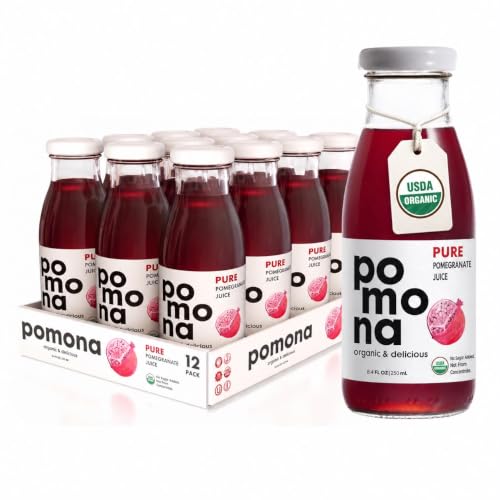
* Unsweetened, 100% Pure Options: Many reputable brands recognize the consumer demand for healthier, less processed beverages. You’ll often find 100% pure, unsweetened pomegranate juice in the organic, natural foods, or refrigerated sections of grocery stores. Look for explicit labeling on the front of the bottle, such as “100% Juice,” “No Added Sugars,” “Not From Concentrate,” or “Pure Pomegranate Juice.” Brands that cater to health-conscious consumers are more likely to offer these unadulterated versions. Always double-check the ingredient list and nutrition panel, even if the front label seems promising, to confirm there are no hidden sugars.
* Cold-Pressed Varieties: Cold-pressed juices have gained popularity due to their perceived higher quality and nutrient retention. The cold-pressing method involves extracting juice without significant heat, which proponents argue helps to preserve more vitamins, enzymes, and antioxidants that might be degraded by traditional pasteurization methods. While the sugar content of cold-pressed pomegranate juice will still be naturally high, choosing a cold-pressed variety often aligns with a commitment to consuming a less processed, more natural product. These options usually highlight their unadulterated quality and can be a good choice provided they meet the “100% pure, no added sugar” criteria.
* Avoid “Cocktails” or “Drinks”: This is a critical distinction. Any product labeled a “pomegranate cocktail,” “pomegranate drink,” “pomegranate blend,” or “pomegranate flavored beverage” should be immediately avoided by diabetics. These terms are almost universally indicators of products laden with added sugars, artificial flavors, and often contain a very low percentage of actual fruit juice. They are essentially sugar water with a hint of pomegranate flavor, offering minimal nutritional value and posing a significant risk for blood sugar spikes. These beverages are designed for taste appeal rather than health, and their concentrated sugar content makes them entirely unsuitable for diabetes management.
Safe Consumption: Portion Control and Timing
Even with the “best” pure, unsweetened pomegranate juice, safe consumption for diabetics hinges entirely on strict portion control and mindful timing. Pomegranate juice, regardless of its purity, remains a concentrated source of natural sugars.
* Strict Portion Control is Essential: This cannot be overemphasized. Even 100% pure juice should be consumed sparingly. A typical recommendation for diabetics might be no more than 4-6 ounces (which is half a cup to about two-thirds of a cup) in a single serving, and definitely not on a daily basis. For many, even this amount might be too much. It’s often best treated as an occasional treat rather than a regular beverage. Consuming large quantities will overwhelm the body’s ability to process the incoming sugars effectively, leading to significant blood glucose elevation. Consider pairing this small portion with a meal that includes fiber, protein, and healthy fats, as these macronutrients can help slow down the absorption of sugars and mitigate a rapid blood sugar spike.
* Consider Diluting: An excellent strategy to reduce the sugar concentration per sip and extend the enjoyment of the juice is to dilute it. Mixing a small portion of pomegranate juice with an equal or greater amount of water, sparkling water, or unsweetened seltzer water can significantly lower the carbohydrate load of your drink. For example, a 2-ounce splash of pomegranate juice in 6-8 ounces of sparkling water provides the flavor and a portion of the antioxidants with a considerably reduced sugar impact compared to consuming 4-6 ounces of pure juice. This method allows for a refreshing beverage experience while maintaining better glycemic control.
* Monitor Blood Glucose Levels: The most accurate way to understand your body’s individual response to pomegranate juice is through self-monitoring of blood glucose (SMBG). Regularly check your blood sugar before consuming pomegranate juice and then again approximately 1-2 hours after consumption. This practice provides personalized data on how your body handles the natural sugars in the juice. If you notice significant spikes, you may need to reduce your portion size further, increase dilution, or reconsider its inclusion in your diet. This proactive monitoring allows for real-time adjustments and ensures that your dietary choices align with your blood sugar management goals.
Beyond the Juice: Whole Pomegranate and Alternatives
While selecting the right pomegranate juice is important, it’s equally crucial to recognize that the whole fruit often offers superior nutritional benefits for diabetics, and other beverages can provide safe and satisfying hydration.
* Opt for Whole Pomegranate Fruit: Whenever possible, choose to eat the whole pomegranate fruit (its arils or seeds) instead of drinking the juice. The primary advantage of the whole fruit is its rich fiber content. Fiber—both soluble and insoluble—plays a vital role in slowing down the absorption of natural sugars into the bloodstream, thereby helping to prevent rapid blood glucose spikes. It also contributes to satiety, helping you feel fuller for longer and potentially reducing overall calorie intake. Furthermore, the act of chewing and consuming the entire aril provides a more sustained release of nutrients and often leads to a more satisfying experience with fewer calories and a lower glycemic load compared to the concentrated sugars of juice.
* Pomegranate Seeds (Arils): These vibrant, ruby-red seeds are delicious and versatile. They can be added to a variety of dishes to impart a burst of flavor and texture without the concentrated sugar of juice. Sprinkle them over salads for a sweet-tart crunch, mix them into plain Greek yogurt for a fiber-rich breakfast, or fold them into oatmeal. They make an excellent topping for sugar-free desserts or can simply be enjoyed as a refreshing snack. This method of consumption allows for easier portion control and ensures you benefit from the fruit’s fiber, which is largely absent in juice.
* Other Diabetic-Friendly Beverages: Prioritizing your beverage choices is fundamental for diabetes management. Your primary hydration source should always be water. Unsweetened water is calorie-free, carbohydrate-free, and essential for overall health. Other excellent alternatives include unsweetened herbal teas (hot or iced), unsweetened black or green tea, and water infused with slices of fruits like lemon, lime, cucumber, mint, or a few berries. These options provide flavor and hydration without impacting blood sugar levels, making them far superior choices for daily consumption compared to any form of fruit juice, even the purest pomegranate juice.
Choosing the best pomegranate juice for diabetics comes down to vigilance: always opt for 100% pure, unsweetened varieties, strictly control your portion sizes, and make label reading a habit. While pomegranate juice can offer valuable antioxidant benefits, moderation and consulting with your healthcare team are paramount to safely incorporating it into your diabetes management plan. Remember, the whole fruit is almost always the superior choice due to its beneficial fiber content, which helps mitigate blood sugar responses and offers a fuller nutritional profile. Prioritize water and other unsweetened beverages for daily hydration, reserving small, carefully measured portions of pure pomegranate juice for an occasional treat.
Frequently Asked Questions
What specific nutritional information should diabetics check on pomegranate juice labels?
Diabetics should primarily scrutinize the “Total Carbohydrates” and “Sugars” content on pomegranate juice labels. Prioritize products with the lowest sugar per serving, ideally “no added sugar” or “unsweetened 100% juice,” remembering that natural fruit sugars still impact blood glucose. Also, carefully check the specified serving size to accurately calculate carbohydrate intake for effective blood sugar management.
How does even 100% pure pomegranate juice affect blood sugar levels in people with diabetes?
Even 100% pure pomegranate juice contains a significant amount of natural sugars, primarily fructose and glucose, which can elevate blood sugar levels in individuals with diabetes. These natural sugars are rapidly absorbed without the fiber present in whole fruit, potentially causing a quicker and more pronounced spike. Therefore, while beneficial for antioxidants, careful moderation of pure pomegranate juice is essential for diabetic blood sugar control.
Which types of pomegranate juice are generally considered the safest options for diabetics trying to manage sugar intake?
The safest options for diabetics are typically 100% unsweetened pomegranate juice with no added sugars or artificial sweeteners. Look for labels explicitly stating “no added sugar” and prioritize pure juice over blends that might include higher-sugar fruits. Diluting pure pomegranate juice with water or sparkling water can also significantly reduce the sugar per serving, making it a more diabetic-friendly choice.
Why is strict portion control crucial for diabetics when drinking pomegranate juice, even if it’s unsweetened?
Strict portion control is crucial because even unsweetened 100% pomegranate juice is a concentrated source of natural fruit sugar, meaning a small serving still contains a substantial amount of carbohydrates. Over-consumption can rapidly lead to blood sugar spikes, making it challenging to maintain glycemic control. Adhering to small, measured servings, typically 4-6 ounces, helps diabetics enjoy its benefits without negatively impacting their sugar management.
Are there any effective ways to dilute pomegranate juice to make it more suitable for a diabetic diet?
Yes, diluting pomegranate juice is an excellent strategy for diabetics to reduce their sugar intake per serving. Mixing it with plain water, sparkling water, or even unsweetened iced tea in a 1:1 or 1:2 ratio (juice to diluent) can significantly lower the carbohydrate load while retaining some flavor. This method helps extend the drink, allowing for enjoyment without excessive blood sugar impact, but always monitor your personal response.
References
- https://www.mayoclinic.org/diseases-conditions/diabetes/expert-answers/pomegranate-and-diabetes/faq-20058223
- https://diabetes.org/healthy-living/foods-nutrition/what-can-i-drink
- https://pmc.ncbi.nlm.nih.gov/articles/PMC4212711/
- https://pubmed.ncbi.nlm.nih.gov/30132338/
- https://health.clevelandclinic.org/is-pomegranate-good-for-you/
- https://www.hsph.harvard.edu/nutritionsource/healthy-drinks/waters-and-unsweetened-coffee-and-tea/