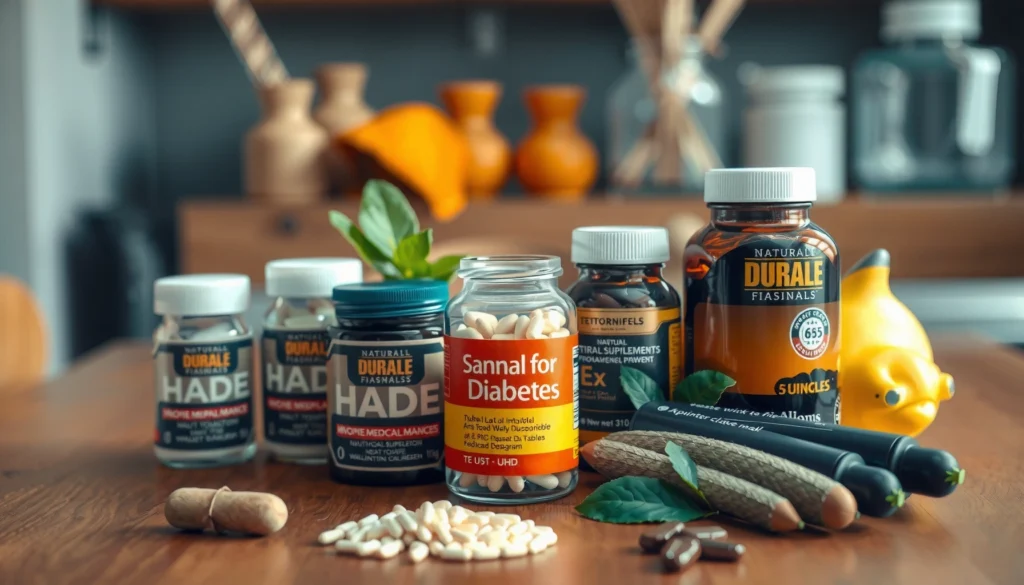

Navigating diabetes can involve various management strategies, and while prescribed medications are foundational, certain natural supplements can play a supportive role in blood sugar control and overall health. The best natural supplements for diabetes, often backed by promising research, include berberine, alpha-lipoic acid, chromium, and cinnamon, each offering unique benefits for insulin sensitivity, glucose metabolism, or antioxidant support. However, it’s crucial to remember that these supplements are complementary and should always be discussed with your healthcare provider to ensure safety and effectiveness alongside your conventional treatment plan. This article delves into the science behind these promising natural aids, empowering you with knowledge to have an informed discussion with your medical team about integrating them into your diabetes management plan.




Understanding the Role of Supplements in Diabetes Management
Supplements in diabetes management are not a standalone solution but rather serve as adjunctive therapies, meant to complement, not replace, prescribed medications. Conventional medical treatments, including insulin, metformin, and other glucose-lowering drugs, form the cornerstone of diabetes care, effectively managing blood sugar levels and mitigating complications. Natural supplements, when used appropriately, can offer additional support by targeting specific physiological pathways that may be underperforming or stressed in individuals with diabetes, such as enhancing insulin sensitivity, supporting healthy glucose metabolism, or providing antioxidant protection against oxidative stress. Their role is to provide a synergistic effect with prescribed drugs, potentially improving overall glycemic control and supporting broader metabolic health.
It is paramount to always consult your doctor before adding any new supplement to your regimen to prevent interactions or adverse effects. Self-prescribing supplements without professional guidance carries significant risks. Many natural compounds can interact with prescription medications, altering their efficacy, increasing side effects, or even leading to dangerous health outcomes. For instance, supplements that lower blood sugar can potentiate the effects of antidiabetic drugs, leading to hypoglycemia ( dangerously low blood sugar). Your healthcare provider, who possesses a comprehensive understanding of your medical history, existing conditions, and current medications, is best equipped to evaluate the appropriateness of a supplement. They can assess potential risks, monitor for adverse reactions, and ensure any additions align safely with your personalized diabetes management strategy.
Focusing on supplements that address specific aspects of diabetes, such as insulin sensitivity or glucose metabolism, yields the most effective and targeted approach. Diabetes is a complex metabolic disorder with multiple contributing factors, including impaired insulin production, insulin resistance, and dysfunctional glucose utilization. Rather than taking a broad-spectrum approach, identifying the specific challenges in an individual’s diabetes profile can guide supplement choices. For example, a supplement known to enhance insulin receptor function would be beneficial for someone with significant insulin resistance, while an antioxidant might be prioritized for someone experiencing high levels of oxidative stress. This precision approach, often guided by diagnostic tests and clinical assessment, ensures that each supplement serves a deliberate, evidence-based purpose in supporting the body’s natural processes related to blood sugar regulation.
Key Blood Sugar Regulators: Berberine & Alpha-Lipoic Acid (ALA)
Berberine is a bioactive compound extracted from several plants, traditionally used in Chinese and Ayurvedic medicine, and is widely recognized for its ability to help lower blood glucose levels, improve insulin sensitivity, and support healthy metabolism. Its mechanisms of action are multifaceted and have drawn comparisons to metformin, a first-line drug for type 2 diabetes. Berberine works primarily by activating AMP-activated protein kinase (AMPK), often called a “metabolic master switch,” which regulates cellular energy homeostasis. This activation leads to increased glucose uptake by cells, reduced glucose production in the liver, and improved insulin receptor sensitivity. Furthermore, berberine can positively influence gut microbiome composition, which plays an increasingly recognized role in metabolic health and glucose regulation. Clinical studies have shown berberine to significantly lower fasting blood glucose, post-meal glucose, and HbA1c levels in individuals with type 2 diabetes. Typical dosages range from 500 mg to 1500 mg per day, divided into multiple doses, often taken before meals to maximize its impact on post-prandial glucose.
Alpha-Lipoic Acid (ALA) is a powerful antioxidant naturally produced in the body, which plays a crucial role in energy metabolism. Unlike other antioxidants, ALA is unique because it is both water- and fat-soluble, allowing it to function in virtually every part of the body. In the context of diabetes, ALA offers significant benefits, primarily through its ability to improve insulin sensitivity and reduce nerve pain (neuropathy), a common and debilitating diabetes complication. Research indicates that ALA enhances glucose uptake into cells by promoting the translocation of GLUT4 transporters to the cell membrane, effectively mimicking some effects of insulin. Its potent antioxidant properties help to neutralize free radicals, reducing oxidative stress that can damage cells and contribute to insulin resistance and nerve damage. For diabetic neuropathy, numerous studies have demonstrated that ALA supplementation can significantly alleviate symptoms such as pain, burning, tingling, and numbness. The R-ALA form is often preferred over the synthetic S-ALA due to its higher bioavailability and biological activity. Dosages typically range from 300-600 mg for general antioxidant support, increasing to 600-1200 mg per day for neuropathy treatment, ideally taken on an empty stomach to enhance absorption.
Essential Minerals for Glucose Control: Chromium & Magnesium
Chromium is an essential trace mineral that plays a vital role in insulin action, enhancing the body’s ability to use insulin and move glucose into cells, thereby improving blood sugar control. It is thought to be a key component of a molecule called chromodulin, which potentiates insulin’s signaling pathway. When insulin binds to its receptor on a cell, chromodulin is activated, which then amplifies the signal, leading to more efficient glucose uptake. Therefore, a deficiency in chromium can impair glucose tolerance and insulin sensitivity. While widespread, severe chromium deficiency is uncommon, suboptimal levels may contribute to insulin resistance, particularly in individuals with type 2 diabetes. Supplementation, especially with highly bioavailable forms like chromium picolinate, has been studied for its potential to improve glycemic control. It’s often recommended for individuals who may have dietary deficiencies or those with impaired glucose tolerance. Typical dosages range from 200 to 1000 mcg per day, but should always be discussed with a healthcare provider, especially for those on diabetes medication, to avoid potential hypoglycemia.
Magnesium is another crucial mineral, involved in over 300 enzymatic reactions in the human body, including those integral to glucose metabolism and insulin secretion. Its widespread importance underscores why deficiency is common in type 2 diabetes and can significantly exacerbate the condition. Magnesium is essential for the proper function of insulin receptors, mediating insulin signaling, and facilitating glucose transport into cells. It also plays a role in the synthesis and secretion of insulin by pancreatic beta cells. People with diabetes often experience increased urinary excretion of magnesium due to high blood glucose levels, which can lead to or worsen a deficiency. Low magnesium levels are associated with increased insulin resistance and a higher risk of developing type 2 diabetes. Supplementing with magnesium can improve insulin sensitivity and help regulate blood sugar, particularly in individuals who are deficient. Various forms exist, such as magnesium citrate, glycinate, or malate, each with differing bioavailability and potential benefits. A common recommendation is 200-400 mg daily, but the precise dosage should be tailored based on individual needs and guided by a healthcare professional to avoid potential digestive upset or interactions with other medications.
Herbal Support: Cinnamon & Fenugreek
Cinnamon, a widely used spice, has gained attention for its potential to help improve insulin sensitivity and lower blood sugar levels, particularly after meals, though more research is needed on optimal dosage and form. Its active compounds, such as cinnamaldehyde and various polyphenols, are thought to mimic insulin and increase glucose uptake by cells. Studies suggest that cinnamon can improve the body’s response to insulin, reducing insulin resistance. It may also slow the breakdown of carbohydrates in the digestive tract, leading to a slower and more stable rise in blood sugar after meals. Two main types of cinnamon are common: Cassia (or “regular”) cinnamon and Ceylon (or “true”) cinnamon. Cassia cinnamon contains a compound called coumarin, which can be toxic to the liver in large doses. Therefore, for regular supplementation, Ceylon cinnamon is generally recommended due to its very low coumarin content. While findings on its efficacy have been mixed across studies, some research points to a modest but significant reduction in fasting blood glucose and HbA1c in individuals with type 2 diabetes. Typical doses range from 1 to 6 grams per day, usually divided with meals.
Fenugreek, an herb traditionally used in Indian and Middle Eastern cuisine and medicine, contains fiber and other compounds that can help slow down sugar absorption, improve glucose tolerance, and reduce fasting blood sugar levels. The seeds of the fenugreek plant are rich in soluble fiber, particularly galactomannan, which forms a viscous gel in the digestive tract. This gel slows gastric emptying and the absorption of glucose from carbohydrates, leading to a more gradual rise in blood sugar after eating. Beyond its fiber content, fenugreek also contains amino acids that may directly stimulate insulin secretion from the pancreas. Clinical trials have demonstrated that fenugreek supplementation can significantly reduce fasting blood sugar levels, improve glucose tolerance, and lower HbA1c in individuals with type 2 diabetes. It has also been shown to decrease total cholesterol and triglyceride levels. For therapeutic purposes, dosages of fenugreek seed powder or extract can vary widely, typically ranging from 5 to 50 grams per day, depending on the form and concentration. It is often recommended to consume it soaked in water or incorporated into meals. Potential side effects include mild gastrointestinal upset (like bloating or gas) and an unusual maple syrup odor in urine and sweat.
Other Promising Supplements & Antioxidants
Gymnema Sylvestre, an herb native to the tropical forests of India, Africa, and Australia, is traditionally known as “gurmar,” which translates to “sugar destroyer” in Hindi. This moniker reflects its historical use in Ayurvedic medicine for treating diabetes. The primary active compounds in Gymnema Sylvestre are gymnemic acids, which are believed to have several mechanisms that support blood sugar control. When consumed, gymnemic acids can temporarily block sugar receptors on the taste buds, reducing the perception of sweetness and thereby helping to curb sugar cravings. More importantly, they appear to block the absorption of glucose in the intestines, which can lead to lower post-meal blood sugar levels. Furthermore, some research suggests that Gymnema Sylvestre may stimulate insulin secretion from the pancreas and potentially aid in the regeneration of pancreatic beta cells, although more robust human studies are needed to confirm these effects. It’s typically consumed as an extract or capsule, with dosages often ranging from 200-400 mg per day, particularly before meals, to exert its effects on glucose absorption.
Vitamin D is an essential fat-soluble vitamin crucial for immune function and bone health, but its role extends significantly to insulin production and overall blood sugar control. Deficiencies are remarkably common in people with diabetes and can directly impact glycemic management. Vitamin D receptors are found on pancreatic beta cells, which are responsible for producing and secreting insulin. Adequate vitamin D levels are thought to be important for optimal beta-cell function and insulin secretion. Moreover, Vitamin D influences insulin sensitivity in target tissues, such as muscle and fat cells, by affecting calcium metabolism and reducing inflammation, both of which play roles in insulin signaling. Low levels of vitamin D have been consistently correlated with a higher risk of developing type 2 diabetes and poorer glycemic control in those already diagnosed. Supplementation can be particularly beneficial for individuals with diagnosed deficiency, which is common due to limited sun exposure or dietary intake. Recommended daily allowances vary, but many healthcare providers suggest maintaining serum levels above 30 ng/mL, which often requires daily supplementation ranging from 1,000 to 5,000 IU, especially in regions with less sunlight. Regular monitoring of vitamin D levels is crucial to ensure optimal dosage and avoid toxicity.
Important Considerations for Safe Supplement Use
When integrating natural supplements into a diabetes management plan, dosage and quality are paramount. The supplement industry is largely unregulated by agencies like the FDA in the same way pharmaceuticals are, meaning product purity, potency, and safety can vary significantly between brands. It is critical to choose high-quality, third-party tested supplements from reputable brands that adhere to Good Manufacturing Practices (GMP). Look for certifications from independent organizations such as NSF International, USP (United States Pharmacopeia), or ConsumerLab.com, which verify that a product contains what its label claims and is free from contaminants. Always follow recommended dosages provided by your healthcare professional or reputable sources, as taking more than advised does not necessarily lead to better results and can, in fact, increase the risk of adverse effects or toxicity. Never assume that “natural” equates to “safe” in unlimited quantities.
Potential interactions are a serious concern that must be thoroughly discussed with your medical team. Natural supplements, despite their benign reputation, can interact significantly with diabetes medications, other prescription drugs, and existing health conditions. For instance, supplements known to lower blood sugar (e.g., berberine, alpha-lipoic acid, cinnamon, fenugreek) can enhance the effects of conventional antidiabetic medications, leading to a dangerous drop in blood glucose (hypoglycemia). Alpha-lipoic acid can also interfere with the absorption of thyroid hormone medications. High doses of certain supplements, like vitamin E, might interact with anticoagulant (blood-thinning) medications, increasing the risk of bleeding. Furthermore, some supplements can impact liver or kidney function, potentially exacerbating pre-existing conditions or altering drug metabolism. Providing your doctor with a complete list of all medications, supplements, and herbal remedies you are taking is non-negotiable for safe and effective care.
Finally, vigilant monitoring and awareness of side effects are crucial when introducing any new supplement. Individuals with diabetes should monitor their blood sugar levels more frequently when starting a new supplement to observe its impact and identify any fluctuations, particularly hypoglycemia. Keep a detailed log of your blood glucose readings, alongside the dosages and timing of your supplements and medications. Be vigilant for any unusual side effects, which can range from mild gastrointestinal upset (common with berberine, fenugreek, or magnesium) to allergic reactions, headaches, or more severe systemic issues. If you experience any concerning symptoms, such as dizziness, excessive sweating, rapid heartbeat (signs of hypoglycemia), persistent digestive distress, skin rashes, or any other unexpected reactions, discontinue use immediately and consult your doctor without delay. Your healthcare provider can help determine if the supplement is the cause and adjust your treatment plan accordingly to ensure your safety and well-being.
While natural supplements can offer valuable support in managing diabetes, their integration into your care plan requires careful consideration and professional guidance. Begin by discussing your interest in specific supplements with your endocrinologist or primary care physician to ensure they align with your health needs and current treatments. Together, you can create a safe and effective strategy that optimizes your blood sugar management and promotes long-term well-being. Remember, these powerful plant-derived and mineral compounds are tools to enhance, not replace, the cornerstone of prescribed medical treatments and a healthy lifestyle. A holistic and medically supervised approach remains the gold standard for navigating the complexities of diabetes.
Frequently Asked Questions
What are some of the most effective natural supplements for supporting blood sugar management in diabetes?
Several natural supplements have shown promise in aiding blood sugar management. Berberine is often highlighted for its ability to improve insulin sensitivity and decrease glucose production, similar to some medications. Alpha-Lipoic Acid (ALA) is another popular choice, known for its antioxidant properties and potential to improve nerve function, which is crucial for diabetic neuropathy. Chromium Picolinate can also be beneficial, as it plays a role in carbohydrate and lipid metabolism, helping insulin function more effectively.
How do natural supplements generally work to help individuals with diabetes?
Natural supplements for diabetes typically work through various mechanisms to support overall metabolic health. Many aim to improve insulin sensitivity, allowing the body’s cells to utilize glucose more efficiently. Others may help reduce glucose absorption in the gut, lower inflammation, or provide antioxidant support, protecting cells from damage caused by high blood sugar. These actions complement a healthy diet and lifestyle to maintain more stable blood sugar levels.
Are there any important precautions or potential side effects to consider when taking natural supplements for diabetes?
Yes, it is crucial to exercise caution and consult with a healthcare professional before starting any natural supplements for diabetes. Some supplements can interact with prescribed diabetes medications, potentially leading to dangerously low blood sugar (hypoglycemia) or reducing the efficacy of your existing treatment. Side effects can vary, ranging from mild digestive upset to more serious issues, making medical supervision essential for safe and effective integration into your diabetes management plan.
Which natural supplements are known to specifically help improve insulin sensitivity for those with type 2 diabetes?
Improving insulin sensitivity is a key goal for managing type 2 diabetes, and several natural supplements can contribute. Berberine is highly regarded for its ability to activate AMPK, an enzyme that improves glucose uptake and insulin signaling in cells. Alpha-Lipoic Acid (ALA) helps enhance insulin’s ability to lower blood sugar by improving glucose transport. Additionally, Fenugreek seeds and Cinnamon extracts have been studied for their potential to increase insulin sensitivity and lower fasting blood glucose levels, offering valuable support.
Can natural diabetes supplements replace my prescribed medication or be used as a standalone treatment?
Absolutely not. Natural diabetes supplements are intended to complement, not replace, prescribed medications or established medical treatments for diabetes. They should never be used as a standalone solution for managing blood sugar. Always consult your doctor or an endocrinologist before adding any supplements to your regimen to ensure they are safe, appropriate for your specific condition, and won’t interfere with your existing treatment plan, which is vital for effective diabetes care.
References
- https://www.niddk.nih.gov/health-information/diabetes/overview/diet-eating-physical-activity/supplements-herbal-medicines-diabetes
- Diabetes and Dietary Supplements: What You Need To Know | NCCIH
- https://diabetes.org/healthy-living/medication-treatments/complementary-alternative-medicines
- https://www.mayoclinic.org/diseases-conditions/type-2-diabetes/in-depth/diabetes-management/art-20047547
- https://health.clevelandclinic.org/herbal-supplements-for-diabetes/
- https://www.health.harvard.edu/diseases-and-conditions/type-2-diabetes-alternative-therapies
- https://en.wikipedia.org/wiki/List_of_herbal_supplements_with_possible_effects_on_diabetes