

When searching for the best edibles for diabetics, the key lies in prioritizing products with little to no added sugar, clear ingredient lists, and precise, consistent dosing. Diabetics should focus on edibles that utilize low-glycemic sweeteners or are unsweetened, allowing for better blood glucose management and minimizing the risk of adverse health outcomes. This guide will help you understand what to look for and what to avoid to make informed and safe choices, always in consultation with your healthcare provider.


Understanding Diabetic-Friendly Edibles
Navigating the world of edibles as a diabetic requires a keen understanding of how these products can impact blood glucose levels and overall health. The core principle revolves around minimizing variables that could disrupt careful diabetes management.
– Focus on Sugar Content: The primary concern for diabetics is managing blood sugar, making low or no-sugar edibles essential. High sugar content can lead to dangerous and rapid spikes in blood glucose, potentially causing hyperglycemia, which can have immediate and long-term detrimental effects on health. These spikes can necessitate emergency insulin, complicate medication regimens, and contribute to chronic complications like neuropathy, nephropathy, and cardiovascular disease over time. It’s not just about obvious sugars; many processed edibles contain hidden sugars or high-glycemic carbohydrates that can equally impact blood glucose. Therefore, scrutinizing the nutritional label for all forms of sugar is paramount.
– Importance of Ingredient Transparency: For effective diabetes management, precise tracking of carbohydrate and sugar intake is non-negotiable. This makes edibles with clearly labeled ingredients and comprehensive nutritional information absolutely critical. Transparency allows individuals to accurately calculate the impact of an edible on their daily macronutrient allowance and adjust insulin or medication dosages accordingly. Lack of clear labeling can lead to guessing, which is a dangerous practice for diabetics, potentially resulting in unforeseen blood sugar fluctuations. Reputable brands often provide not just ingredient lists but also detailed nutritional panels and even Certificates of Analysis (COAs) for active compound content.
– Consistent Dosing: Accurate and consistent dosing of the active compounds (e.g., cannabinoids like THC or CBD) is crucial, as unpredictable effects can complicate blood sugar monitoring and overall physiological response. Variable potency can lead to an unexpected intensity of effects, which, in turn, can inadvertently affect appetite, stress levels, or even the ability to monitor blood glucose effectively. For diabetics, stability and predictability are key. Products with precise, laboratory-tested dosing ensure that the intended effect is achieved without overconsumption or underdosing, allowing for a more stable and predictable physiological state that supports consistent blood sugar management. Homemade edibles, while customizable, often lack this precision and are generally not recommended for diabetics unless prepared with extreme care and testing.
Preferred Edible Formulations
When selecting edibles, certain formulations naturally lend themselves better to diabetic dietary restrictions due to their inherent lack of added sugars or the ability to deliver active compounds without unnecessary caloric or glycemic load.
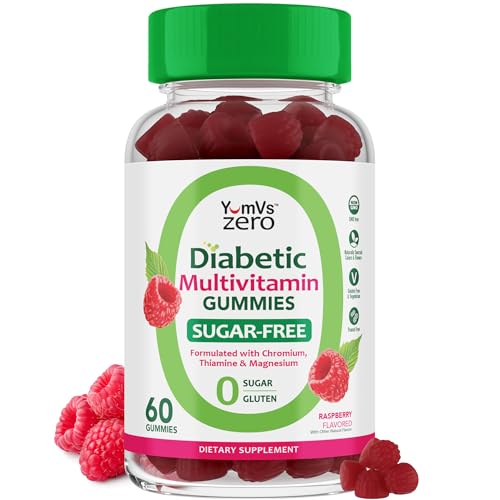
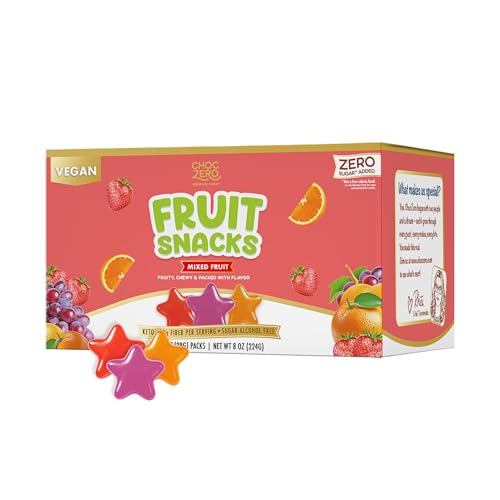
– Sugar-Free Gummies and Chocolates: The market has seen a surge in sugar-free versions of popular edibles, often utilizing alternative sweeteners. These products frequently employ sugar alcohols like erythritol or xylitol, or natural, non-caloric sweeteners such as stevia and monk fruit. Erythritol, in particular, is a favored choice as it is poorly absorbed by the body, has a minimal impact on blood glucose, and causes fewer digestive issues compared to other sugar alcohols. While these options are preferable to their sugar-laden counterparts, moderation is still key. Excessive consumption of sugar alcohols can sometimes lead to gastrointestinal discomfort, and individual responses to sweeteners can vary, so it’s wise to test tolerance with small amounts. Always check the full ingredient list, as some “sugar-free” products might compensate with higher fat content or other carbohydrates.
– Tinctures and Oils: These liquid forms represent one of the most diabetic-friendly options available. Tinctures typically contain no sugar and are often suspended in neutral carriers like MCT oil, olive oil, or alcohol (though alcohol-free versions are available and often preferred). Their primary advantage lies in precise sublingual dosing: drops are placed under the tongue, allowing for absorption directly into the bloodstream, bypassing the digestive system entirely. This not only leads to a quicker, more predictable onset of effects compared to swallowed edibles but also eliminates any glycemic impact. Dosing can be adjusted drop by drop, offering unparalleled control over intake, which is invaluable for managing concurrent health conditions like diabetes. They are also versatile and can be added to unsweetened beverages or foods if desired.
– Capsules and Pills: Similar to tinctures, capsules offer consistent, pre-measured doses without any added sugars, artificial flavorings, or unnecessary ingredients. Each capsule contains a precise amount of the active compound, providing a highly predictable effect. This format is incredibly convenient, discreet, and eliminates the guesswork associated with other forms of edibles. Since they are swallowed, they undergo metabolism in the digestive system and liver, similar to traditional edibles, resulting in a delayed onset (typically 1-2 hours) but a prolonged effect. For diabetics, the lack of sugar and the exact dosage make capsules a very clean and manageable option, simplifying blood sugar monitoring as there are fewer variables introduced into the body.
Ingredients to Scrutinize and Avoid
Making safe choices as a diabetic involves not only identifying preferred formulations but also being acutely aware of ingredients that can negatively impact blood glucose and overall health.
– High Sugar Content: This is the most critical component to avoid. Stay away from edibles listing sucrose, high-fructose corn syrup, glucose syrup, agave nectar, maple syrup, honey, fruit juice concentrates, or other concentrated sugars high on the ingredient list. These ingredients are rapidly absorbed, leading to sharp and undesirable blood glucose spikes. Even seemingly natural sugars can be problematic if consumed in concentrated forms. Always remember that sugar can appear under many aliases, so becoming familiar with these various names is essential for effective label reading.
– Artificial Sweeteners: While they don’t contain sugar, some artificial sweeteners (like sucralose, aspartame, saccharin) can still affect gut health or have individual tolerance issues. Research suggests that certain artificial sweeteners might alter gut microbiome composition, potentially influencing glucose metabolism and insulin sensitivity in some individuals, even if they don’t directly raise blood sugar. Furthermore, some people report digestive discomfort or headaches from these compounds. Natural alternatives like stevia, monk fruit, and erythritol are generally preferred due to their better safety profiles and minimal impact on blood glucose and gut health, though even these should be consumed in moderation.
– Unhealthy Fats: Beyond sugar, the fat content in edibles warrants attention. Some edibles might contain unhealthy fats such as trans fats (partially hydrogenated oils), excessive saturated fats (e.g., in some low-quality chocolates or baked goods), or inflammatory oils (like soybean oil, corn oil, or palm oil). For diabetics, who are already at an increased risk of cardiovascular disease, consuming unhealthy fats can exacerbate these risks by contributing to elevated cholesterol levels, inflammation, and insulin resistance. Opt for products with cleaner fat sources if possible, such as MCT oil, coconut oil, avocado oil, or cocoa butter, which are generally considered healthier alternatives and can even aid in nutrient absorption.
The Critical Role of Dosing and Monitoring
Even with the safest ingredients, proper dosing and diligent blood glucose monitoring are paramount for diabetics consuming edibles. These practices ensure safety, predictability, and help integrate edibles responsibly into a diabetes management plan.
– Start Low, Go Slow: This golden rule applies universally to edibles but is especially crucial for diabetics. Always begin with the lowest possible dose (e.g., 1-2.5 mg of THC or CBD) and wait for the full effects to manifest before considering increasing the dose. Edibles have a delayed onset, often taking 1-2 hours to kick in, with peak effects potentially occurring 3-4 hours after consumption. Impatience can lead to overconsumption, resulting in an overwhelming experience that could complicate blood sugar management or induce anxiety, both of which can indirectly affect glucose levels. Titrating the dose slowly allows your body to acclimate and provides crucial data on how a specific product affects you.
– Monitor Blood Glucose Levels: Regularly checking your blood sugar before and after consuming edibles is non-negotiable. This practice provides direct, real-time feedback on how a particular edible impacts your individual physiology. Keep a detailed log, noting the edible type, dose, time of consumption, and subsequent blood glucose readings. This data is invaluable for understanding personal impact, identifying trends, and adjusting your diabetes management plan as needed (always under medical supervision). Pay particular attention to readings 2-4 hours post-consumption. Consistent monitoring helps in identifying any unexpected spikes or drops, particularly if combined with insulin or other glucose-lowering medications.
– Be Aware of Delayed Onset: The unique pharmacokinetic profile of edibles distinguishes them significantly from other consumption methods. When ingested, active compounds must first pass through the digestive system and then be metabolized by the liver before entering the bloodstream. This “first-pass metabolism” significantly delays onset, which can range from 30 minutes to over 2 hours, and extends the duration of effects for 4-8 hours or even longer. This requires patience and careful timing to avoid overconsumption. If you don’t feel effects immediately, resist the urge to take more. Understand that the delayed onset can also prolong any potential impact on blood sugar, necessitating sustained monitoring for several hours after consumption.
Reading Labels Like a Pro
For diabetics, the label of an edible is not just information; it’s a critical tool for health management. Learning to decipher these labels effectively is a vital skill.
– Check Nutritional Facts: Carefully review the total carbohydrate and sugar content per serving. Always aim for zero or minimal added sugars. Pay close attention to the serving size, as many edibles come in multi-serving packages, and consuming an entire package without realizing it can lead to dangerous sugar intake. Look for the “Added Sugars” line, which specifically indicates sugars that are not naturally occurring. Also, consider the fiber content, as fiber can help slow sugar absorption. For those counting “net carbs” (total carbs minus fiber and sometimes sugar alcohols), understanding this calculation is important, but remember that individual responses to sugar alcohols can vary.
– Identify Sugar Substitutes: Understand which sugar alcohols or natural sweeteners are used (e.g., erythritol, xylitol, stevia, monk fruit). While generally safer than refined sugars, it’s important to research potential individual effects or digestive issues associated with each. For instance, while erythritol is well-tolerated, excessive xylitol can cause gastrointestinal distress and, more importantly, is highly toxic to dogs, requiring careful storage. Knowing these details allows for informed choices and helps manage potential side effects, ensuring that the chosen edible doesn’t create new health concerns.
– Verify Third-Party Lab Testing: Reputable brands will provide Certificates of Analysis (COAs) from independent third-party laboratories. These reports are crucial for verifying the potency (exact cannabinoid content like THC and CBD), purity (absence of contaminants such as heavy metals, pesticides, residual solvents, and mold), and accuracy of dosing information. For diabetics, accurate potency is vital for consistent effects, which in turn supports stable blood sugar management. A COA ensures that what’s on the label is truly in the product, minimizing risks from mislabeled or contaminated items and providing peace of mind regarding the safety and quality of your chosen edible. Always look for a QR code on the packaging or a batch number that allows you to access these reports online.
Always Consult Your Healthcare Provider
Integrating edibles into a diabetic management plan is a significant decision that should never be made without professional medical guidance. Your healthcare provider is your most valuable resource.
– Individualized Medical Advice: Diabetes management is highly personalized. Your doctor or endocrinologist can provide tailored guidance based on your specific diabetes type (Type 1, Type 2, gestational), current medication regimen (insulin, metformin, sulfonylureas, etc.), presence of comorbidities, and overall health status. They understand your unique metabolic profile and can best advise on potential risks and benefits specific to your situation. Generic advice may not apply, and professional oversight ensures that any new addition to your routine aligns with your established care plan.
– Potential Drug Interactions: Edibles, particularly those containing cannabinoids, can interact with certain diabetes medications or other prescriptions. For instance, some cannabinoids can affect liver enzymes responsible for metabolizing many drugs, potentially altering their efficacy or increasing their side effects. Interactions with blood thinners, blood pressure medications, or even some psychotropic drugs are also possible. Discussing their use with a professional is crucial to avoid adverse effects, unforeseen complications, or compromising the effectiveness of your existing medications. Your doctor can assess potential drug-drug interactions and advise on safe timing or dosage adjustments.
– Comprehensive Health Plan: Incorporating edibles into your routine should always be part of a broader, medically supervised diabetes management plan, not a standalone solution or a replacement for conventional treatment. This comprehensive plan typically includes a balanced diet, regular physical activity, adherence to medication schedules, and consistent monitoring of blood glucose levels. Your healthcare provider can help you understand how edibles might fit into this holistic approach, ensuring they complement rather than detract from your overall health goals. They can also provide guidance on managing any potential side effects or unexpected blood sugar fluctuations that may arise.
Choosing edibles as a diabetic requires diligence and careful consideration of ingredients, dosing, and personal health. By prioritizing sugar-free options like tinctures, capsules, or specifically formulated low-sugar edibles, and always consulting your healthcare provider, you can make safer and more informed decisions. Remember to consistently monitor your blood sugar and start with low doses to understand how your body reacts, ensuring these choices align with your overall diabetes management goals and contribute positively to your well-being.
Frequently Asked Questions
What are the best sugar-free or low-sugar edible options for diabetics?
Diabetics should prioritize edibles explicitly labeled as sugar-free, low-sugar, or those sweetened with natural alternatives like stevia or erythritol. Ideal choices often include sugar-free gummies, chocolates made with high-quality dark chocolate and no added sugar, tinctures, or capsules, as these formats minimize carbohydrate intake. Always thoroughly check the nutritional label and ingredient list for total carbohydrates and sugar content to ensure they align with dietary needs for managing blood sugar.
How do edibles typically affect blood sugar levels in diabetics?
Edibles can affect blood sugar levels differently than smoking or vaping due to the delayed digestion and absorption process in the liver. While the cannabinoids themselves generally don’t directly raise blood sugar, the other ingredients—especially sugars, carbohydrates, and fats—can significantly impact glucose levels. The delayed onset means blood sugar spikes might also be delayed, making careful and consistent blood glucose monitoring crucial for diabetics after consumption.
What specific ingredients should diabetics look for or avoid when choosing edibles?
When selecting edibles, diabetics should strictly avoid products containing high fructose corn syrup, refined white sugar, and excessive amounts of artificial sweeteners which can have their own metabolic effects. Instead, look for edibles that utilize natural, low-glycemic sweeteners such as stevia, erythritol, or monk fruit extract. Prioritize products with transparent ingredient lists and minimal added carbohydrates beyond the chosen sweetener to support stable blood sugar.
How can diabetics ensure safe dosing and prevent adverse reactions when trying edibles?
To ensure safe dosing, diabetics should always “start low and go slow,” beginning with a very small dose (e.g., 2.5 mg THC or a low CBD dose) and waiting at least 2-3 hours to assess the effects before considering more. It’s crucial to consult with a healthcare provider before incorporating edibles, monitor blood sugar levels closely before and after consumption, and be aware of potential interactions with existing medications, particularly those for diabetes management.
Are CBD edibles a safer alternative for diabetics compared to THC edibles?
CBD edibles can be a potentially safer alternative for diabetics, primarily because CBD is non-intoxicating and may offer therapeutic benefits without the psychoactive effects of THC. However, the safety for diabetics largely depends on the *formulation* of the edible, not just the cannabinoid. Regardless of whether it’s CBD or THC, always choose sugar-free or low-sugar options, check for artificial ingredients, and ensure the product is lab-tested for purity and accurate cannabinoid content to avoid hidden sugars or contaminants.
References
- Diabetes diet: Create your healthy-eating plan – Mayo Clinic
- Eating Well & Managing Diabetes | ADA
- https://www.cdc.gov/diabetes/managing/healthy-eating.html
- Healthy Living with Diabetes – NIDDK
- Not Found | American Heart Association | American Heart Association
- Missing Page Error – Our Apologies – UChicago Medicine
- https://www.frontiersin.org/articles/10.3389/fphar.2023.1119561/full
- https://www.ncbi.nlm.nih.gov/pmc/articles/PMC3026364/





Pingback: Best Apple Cider Vinegar for Diabetic Patients: What to Choose - Best For Diabetics