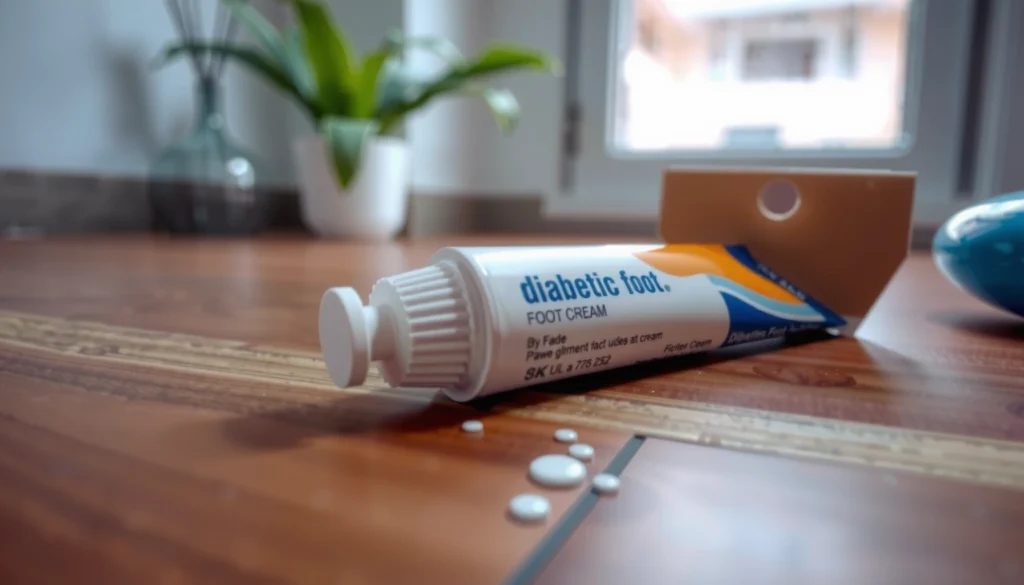

When choosing the best cream for diabetic feet, you need a formula that prioritizes intense hydration, skin barrier repair, and gentle exfoliation to prevent complications like dryness, cracking, and infection. The most effective creams typically feature a powerful blend of humectants like urea and lactic acid, combined with emollients such as ceramides and petrolatum, which work together to restore moisture, strengthen the skin’s protective barrier, and keep skin supple, specifically addressing the unique dermatological challenges faced by individuals with diabetes.




Why Specialized Foot Cream Matters for Diabetics
For individuals managing diabetes, specialized foot care is not merely a luxury but a critical component of overall health management and complication prevention. Diabetic neuropathy, a common complication, can lead to nerve damage that diminishes natural skin moisture and sensation in the feet. This reduced sensation means minor cuts, blisters, or dry skin can go unnoticed, quickly escalating into more serious issues. Simultaneously, reduced blood circulation, another hallmark of diabetes, impedes the skin’s natural healing process and its ability to deliver essential nutrients and moisture, making the feet exceptionally prone to chronic dryness and poor wound healing.
Moreover, the skin barrier in diabetics is often compromised, increasing its vulnerability to tears, cracks, and the formation of painful calluses. These seemingly minor skin breaks can serve as entry points for bacteria and fungi, posing a significant risk of infection, which can be particularly aggressive and challenging to treat in a diabetic context due to impaired immune response. Regular and targeted hydration using specialized creams helps to fortify this weakened skin barrier, maintaining its integrity and flexibility. By keeping the skin supple and moisturized, these creams effectively reduce the likelihood of cracks and calluses forming, thereby safeguarding against the cascade of problems that can arise from compromised skin, ultimately contributing to the prevention of more severe foot complications and enhancing the individual’s quality of life.
Key Ingredients for Effective Diabetic Foot Creams
Selecting a foot cream with the right active ingredients is paramount for effective diabetic foot care. Certain components are scientifically proven to address the specific dermatological needs of diabetic skin, offering both immediate relief and long-term protective benefits.
* Urea & Lactic Acid: These are not just any moisturizers; they are powerful humectants and gentle keratolytic agents. As humectants, urea and lactic acid excel at attracting and binding water molecules from the environment deep into the stratum corneum, providing profound and lasting hydration. More uniquely, they possess gentle exfoliating properties, helping to soften and gradually slough off thickened, dry, or calloused skin without harsh scrubbing. This dual action is crucial for diabetic feet, where excess callus buildup can lead to pressure points and potential ulceration. Urea, in particular, also improves the skin’s barrier function, reducing transepidermal water loss and enhancing skin flexibility.
* Ceramides & Hyaluronic Acid: These ingredients are fundamental for reinforcing and restoring the skin’s natural protective barrier. Ceramides are lipids that make up a significant portion of the skin’s outer layer, acting like the “mortar” between skin cells to create a strong, impermeable barrier. In diabetic skin, ceramide levels can be depleted, leading to a compromised barrier that is more susceptible to moisture loss and external irritants. Replenishing ceramides helps to rebuild this barrier, preventing dehydration and protecting against environmental aggressors. Hyaluronic acid, renowned for its incredible capacity to hold up to 1,000 times its weight in water, functions as a powerful humectant, drawing moisture into the skin and contributing to plumpness and elasticity. Together, they create a robust, well-hydrated barrier essential for healthy diabetic skin.
* Petroleum Jelly & Dimethicone: These are classic examples of occlusive emollients that play a vital role in sealing in hydration. Petroleum jelly (petrolatum) creates a semi-occlusive layer on the skin’s surface, acting as a highly effective barrier that minimizes transepidermal water loss. This not only locks in existing moisture but also protects the skin from external irritants and friction. Dimethicone, a silicone-based polymer, offers similar benefits but with a lighter, non-greasy feel. It forms a breathable protective film that smooths the skin, reduces friction, and prevents moisture evaporation, making it excellent for daily use. By creating this protective shield, both ingredients ensure that the skin remains hydrated and protected, reducing the incidence of cracks and chapping, which are critical concerns for diabetic foot health.
Ingredients and Practices to Avoid
While selecting beneficial ingredients is crucial, understanding what to avoid in diabetic foot care is equally important to prevent irritation, dryness, and potential complications. Certain ingredients and practices, though seemingly benign, can be detrimental to the sensitive and often compromised skin of individuals with diabetes.
* Fragrances & Alcohol: Many conventional lotions and creams contain fragrances and alcohol to enhance sensory appeal or create a fast-drying formula. However, these additives are notorious irritants, especially for sensitive or compromised skin like that found on diabetic feet. Fragrances, whether natural or synthetic, can trigger allergic reactions, leading to redness, itching, burning, and dermatitis, which can further weaken the skin barrier. Alcohol (specifically denatured alcohol or ethanol), while providing a quick-drying sensation, actively strips the skin of its natural lipids, leading to increased dryness, cracking, and irritation. For diabetic skin already prone to dryness and impaired healing, avoiding these ingredients is a non-negotiable step to maintain skin integrity and prevent exacerbating existing issues. Always opt for fragrance-free and alcohol-free formulations.
* High Concentrations of Salicylic Acid: Salicylic acid is a beta-hydroxy acid commonly used for exfoliation and treating various skin conditions due to its ability to dissolve dead skin cells. While gentle exfoliation can be beneficial, high concentrations of salicylic acid, often found in callus removers or wart treatments, can be far too harsh for the delicate or compromised skin of diabetic feet. Diabetic skin may have reduced sensation, making it difficult for an individual to gauge the degree of irritation or burning caused by strong acids. Over-exfoliation with high concentrations can lead to chemical burns, deep skin erosions, or even open sores, which are particularly dangerous for diabetics due to their impaired healing capacity and increased risk of infection. It is imperative to consult a podiatrist or dermatologist before using any product containing salicylic acid on diabetic feet, and generally, lower concentrations or alternative exfoliants like urea are preferred.
* Vigorous Scrubbing or Harsh Exfoliation: The temptation to vigorously scrub away calluses or rough patches might be strong, but for diabetic feet, this practice carries significant risks. Mechanical exfoliation using pumice stones, foot files, or harsh brushes can cause micro-tears or injury to the skin, even if not immediately visible or felt due to neuropathy. These tiny breaks in the skin barrier serve as open invitations for bacteria and fungi, dramatically increasing the risk of infection. Furthermore, aggressive removal of calluses can strip away protective layers of skin, making the underlying tissue even more vulnerable to pressure and injury. Instead, rely on the gentle keratolytic action of ingredients like urea or lactic acid in specialized creams, and always consult a healthcare professional for safe callus management.
Choosing the Right Cream for Your Specific Needs
The diverse range of diabetic foot creams available means that selecting the most appropriate product requires a nuanced approach, considering the individual’s specific skin condition and daily needs. Not all diabetic feet present with the same issues, and tailoring the treatment ensures optimal results.
* For Severe Dryness & Cracks: If your feet are experiencing significant dryness, deep cracks (fissures), or persistent rough patches, a more intensive formulation is warranted. Look for creams with higher concentrations of urea, typically in the 10-20% range. Urea at these levels provides robust hydration and significantly aids in gentle exfoliation, softening severely dry and calloused skin. These formulations should also feature rich, occlusive emollients such as petrolatum, dimethicone, or lanolin. These ingredients create a protective barrier that seals in moisture, preventing further water loss and supporting the skin’s natural healing process for cracks. Creams specifically designed for “cracked heels” or “intense repair” often fall into this category, but always ensure they are suitable for diabetic use, meaning they are fragrance-free and non-irritating.
* For Daily Maintenance & Prevention: For individuals whose feet are generally healthy but still require consistent care to prevent future complications, a lighter, fast-absorbing formulation is ideal for daily maintenance. These creams will still contain a balanced mix of key humectants (like lower concentrations of urea or hyaluronic acid) and emollients (such as ceramides, dimethicone, or glycerin). The goal here is to provide consistent, sustained hydration without leaving a greasy residue that might be uncomfortable or interfere with daily activities. A lighter cream is also less likely to cause moisture buildup between the toes, a crucial consideration. Daily use of such a cream helps to maintain skin elasticity, strengthen the skin barrier, and prevent the onset of dryness or minor cracks before they become problematic.
* Check for Seals of Acceptance: To navigate the often-overwhelming marketplace, always look for reputable certifications. Products bearing the American Podiatric Medical Association (APMA) Seal of Acceptance have undergone a rigorous review process by a committee of podiatrists. This seal signifies that the product has been scientifically evaluated for safety and efficacy in promoting good foot health. It provides an invaluable layer of assurance that the cream is not only suitable for diabetic feet but also meets high standards for effectiveness and safety, offering peace of mind to both users and healthcare providers. Prioritizing products with such endorsements simplifies the selection process and reinforces confidence in your chosen foot care regimen.
Proper Application Techniques for Best Results
The efficacy of even the best diabetic foot cream can be significantly enhanced by proper application techniques. Consistency and attention to detail are paramount to maximizing the benefits and preventing adverse effects.
* Always wash your feet with mild soap and thoroughly dry them, paying special attention to between the toes, before applying cream. This foundational step is crucial for hygiene and product absorption. Washing removes dirt, bacteria, and any accumulated sweat, creating a clean canvas. Using a mild, pH-balanced soap helps avoid stripping the skin of its natural oils. The drying step is arguably even more critical; trapped moisture, especially between the toes, creates a warm, damp environment that is an ideal breeding ground for fungal infections (like athlete’s foot) and bacterial growth. Use a soft towel and gently pat, rather than rub, ensuring every crevice, particularly between the toes, is completely dry.
* Apply a generous amount of cream, massaging gently into the entire foot, but avoid applying between the toes to prevent moisture buildup. Once the feet are clean and thoroughly dry, dispense a sufficient quantity of cream to cover the entire surface of each foot. Begin by gently massaging the cream into the top of the foot, around the ankles, the heels, and particularly the soles, where dryness and calluses are most common. The gentle massaging action not only helps the cream penetrate the skin but also stimulates circulation, which is beneficial for diabetic feet. However, it is absolutely vital to avoid applying cream between the toes. This area is naturally prone to moisture retention, and adding a creamy product can exacerbate this, increasing the risk of maceration (skin softening and breakdown) and fungal infections.
* Incorporate daily application, ideally after bathing, to maintain consistent hydration and skin health. Consistency is key to preventing problems rather than just reacting to them. The ideal time for application is immediately after bathing or showering, once the feet have been thoroughly dried. At this point, the skin is slightly damp, making it more receptive to absorbing moisture and ingredients from the cream. Making this a routine part of your daily self-care regimen ensures that your skin remains consistently hydrated, supple, and protected. Daily application helps to maintain the integrity of the skin barrier, prevent the build-up of dry skin and calluses, and reduce the risk of cracks and infections, thereby promoting long-term foot health for individuals with diabetes.
When to Seek Professional Medical Advice
While diligent self-care and the use of specialized foot creams are vital, there are clear instances where professional medical intervention becomes absolutely necessary. Recognizing these warning signs and seeking timely advice can prevent minor issues from escalating into severe complications.
* If you observe any new open sores, deep cracks, redness, swelling, unusual warmth, or signs of infection on your feet. These symptoms are red flags that demand immediate medical attention. Open sores or ulcers, even small ones, can quickly become infected and lead to serious problems, including amputation, if not treated promptly. Deep cracks that don’t heal or worsen are also concerning. Redness, swelling, and unusual warmth localized to a specific area of the foot are classic indicators of inflammation or infection, potentially signaling cellulitis or a deeper soft tissue infection. Any discharge, foul odor, or fever accompanying these symptoms further underscores the urgency of a medical consultation. Due to compromised sensation, individuals with diabetes might not feel pain, making visual inspection and prompt professional assessment paramount.
* If your current foot care regimen or cream does not improve your skin condition or if symptoms worsen. Despite consistent application of a high-quality diabetic foot cream and adherence to proper care techniques, some individuals may find that their dry skin, calluses, or minor cracks do not improve, or worse, begin to deteriorate. This is a clear indication that the current approach may not be sufficient or that an underlying issue requires professional diagnosis and treatment. A healthcare professional, such as a podiatrist or dermatologist, can assess the situation, adjust your foot care plan, recommend stronger prescription-strength treatments, or investigate for other contributing factors that may be hindering healing or improvement. Do not hesitate to seek expert advice if your at-home efforts are not yielding positive results.
* Regular check-ups with your doctor or podiatrist are essential for personalized advice and monitoring of your diabetic foot health. Beyond reactive consultations for new symptoms, proactive and routine medical check-ups are a cornerstone of diabetic foot care. Annual or semi-annual foot examinations by a doctor or podiatrist allow for early detection of subtle changes, such as nerve damage progression, circulatory issues, or minor skin lesions that you might not notice yourself. These professionals can provide personalized advice tailored to your specific diabetic profile, demonstrate proper foot inspection techniques, trim nails safely, and manage calluses or corns without risk of injury. They can also offer guidance on the best creams and foot care practices, ensuring your routine remains optimized for your evolving health needs. These regular assessments are invaluable in preventing major complications and maintaining long-term foot health.
Selecting the right cream for diabetic feet is a critical step in a comprehensive foot care routine, focusing on formulations that provide intensive moisture, repair the skin barrier, and are free from irritants. Consistent application, coupled with vigilant self-inspection and regular medical consultations, will help you maintain optimal foot health and prevent complications. Prioritize products that specifically cater to the unique needs of diabetic skin to keep your feet healthy, comfortable, and protected against the potential challenges posed by diabetes. Remember, proactive care is the best defense against diabetic foot complications.
Frequently Asked Questions
What specific ingredients should I look for in the best cream for diabetic feet?
When choosing the best cream for diabetic feet, look for ingredients like urea, lactic acid, and alpha hydroxy acids (AHAs) which are excellent humectants that help retain moisture and gently exfoliate dry skin. Emollients such as dimethicone, petrolatum, and ceramides are also crucial for creating a protective barrier and preventing moisture loss. Opt for fragrance-free, dye-free formulas to minimize the risk of irritation, which is particularly important for sensitive diabetic skin.
Why is regular moisturizing important specifically for diabetic foot care?
Regular moisturizing is vital for diabetic foot care because high blood sugar can lead to nerve damage (neuropathy) and reduced blood flow, causing skin on the feet to become excessively dry, cracked, and less able to heal. These cracks can be entry points for bacteria, significantly increasing the risk of serious infections, ulcers, and other complications. Applying a specialized foot cream daily helps maintain skin integrity, prevent dryness, and create a protective barrier against potential harm, supporting overall foot health.
How do I properly apply foot cream to ensure maximum benefit for diabetic feet?
To maximize the benefits of your diabetic foot cream, apply it after washing and thoroughly drying your feet, ideally twice daily. Use a small amount and gently massage it into all areas of your feet, including the tops, bottoms, and heels, avoiding the skin *between* your toes to prevent excess moisture that could encourage fungal growth. Ensure the cream is fully absorbed before putting on socks or shoes to prevent slipping and improve efficacy.
Which types of foot creams or ingredients should diabetics avoid to prevent irritation or complications?
Diabetics should generally avoid foot creams containing strong fragrances, dyes, and alcohol, as these can cause irritation, dryness, or allergic reactions on sensitive skin. Additionally, steer clear of harsh exfoliants or products with high concentrations of salicylic acid, unless specifically recommended and supervised by a podiatrist or healthcare professional, as they can be too aggressive for compromised diabetic skin and potentially lead to wounds. Always check ingredient lists carefully to ensure the product is suitable for diabetic use.
Can any over-the-counter foot cream be used for diabetic feet, or do I need a specialized product?
While some general over-the-counter creams might provide temporary relief, it’s highly recommended for individuals with diabetes to use specialized diabetic foot creams. These products are formulated with specific ingredients, pH levels, and a lack of common irritants tailored to the unique needs of diabetic skin. They are designed to deeply moisturize, protect, and support the skin barrier without causing adverse reactions, offering superior care compared to standard lotions for preventing complications like dryness, cracks, and infections.
References
- https://www.diabetes.org/healthy-living/medication-treatments/foot-care
- Diabetes & Foot Problems – NIDDK
- Retrograde ejaculation – Symptoms & causes – Mayo Clinic
- https://my.clevelandclinic.org/health/articles/11267-diabetic-foot-care
- Content – Health Encyclopedia – University of Rochester Medical Center
- https://uhs.princeton.edu/health-resources/healthy-living-nutrition/health-topics/diabetic-foot-care-prevention-complications