There are no FDA-approved, prescription-strength medications for diabetes, such as metformin or insulin, legally available over-the-counter. Instead, “over-the-counter” options for diabetes primarily refer to monitoring tools, general wellness supplements that may support blood sugar regulation, and products designed to manage related symptoms or complications. These options are intended to complement, not replace, a comprehensive diabetes management plan developed with your healthcare provider. Navigating the landscape of diabetes care requires a clear understanding of what over-the-counter (OTC) products can genuinely offer, and critically, what they cannot. This guide will clarify the role of OTC options within a holistic diabetes management strategy, emphasizing their supportive nature and the paramount importance of medical oversight.



Understanding “Over-the-Counter Diabetes Medicine”
The term “over-the-counter diabetes medicine” can be misleading, as it often suggests a direct pharmaceutical equivalent to prescription drugs for managing blood sugar levels. However, it is crucial to clarify this distinction upfront.
* Clarification: No FDA-approved, prescription-grade diabetes drugs (e.g., metformin, insulin) are sold OTC. Unlike common pain relievers or cold medicines, the powerful medications designed to significantly lower blood glucose, regulate insulin production, or replace insulin are strictly controlled substances requiring a prescription. This is due to their potent effects, potential for serious side effects, and the necessity of precise dosing and medical supervision to ensure safety and efficacy. Attempting to self-medicate with unverified or illegally obtained “diabetes medicine” can lead to dangerous health complications, including severe hypoglycemia (dangerously low blood sugar) or hyperglycemia (dangerously high blood sugar).
* Focus: OTC products are typically supplements, herbal remedies, or monitoring devices designed for support. When discussing OTC options for diabetes, we are primarily referring to a category of products intended to complement, rather than cure or directly treat, diabetes. These can range from diagnostic tools that empower individuals to monitor their condition to nutritional supplements or herbal preparations that *may* contribute to overall metabolic health or offer symptomatic relief. Their role is adjunctive, aiding in the broader management plan rather than serving as standalone treatments.
* Importance: These options are not substitutes for prescribed medications or professional medical treatment. It cannot be stressed enough that OTC products should never be considered replacements for medications prescribed by a healthcare professional or for the guidance provided by an endocrinologist, diabetologist, or primary care physician. Diabetes is a complex chronic condition that requires a personalized, evidence-based treatment plan. Relying solely on OTC products in place of medical advice or prescribed treatments can lead to uncontrolled blood sugar, progression of complications, and severe health risks. Always integrate OTC products under the direction and supervision of your healthcare team.
Essential Over-the-Counter Monitoring & Testing Tools
Empowering individuals with diabetes to actively monitor their condition is a cornerstone of effective management. Several critical over-the-counter tools facilitate this self-monitoring.
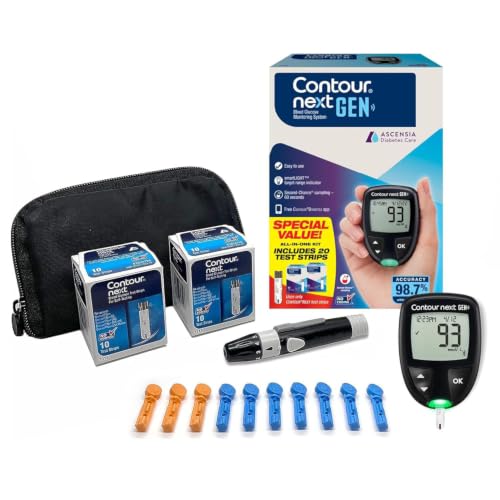
* Blood Glucose Meters: These devices are indispensable for individuals managing diabetes. Regular self-monitoring of blood sugar levels provides immediate feedback on how diet, exercise, stress, and medication impact glucose readings. Modern meters are user-friendly, portable, and provide accurate results within seconds, allowing for timely adjustments to management strategies. Choosing a meter often involves considering factors like ease of use, memory capacity for storing readings, and connectivity features for data transfer to smartphones or healthcare providers. Consistent use of a reliable blood glucose meter helps individuals and their medical teams identify patterns, prevent acute complications like hypoglycemia or hyperglycemia, and optimize long-term blood sugar control.
* Test Strips and Lancets: These are the necessary consumables for accurate blood glucose readings. Test strips, specific to each meter brand, react chemically with a small blood sample to determine glucose concentration. Lancets are small, sterile needles used with a lancing device to obtain a blood drop from a fingertip or alternative site. It is crucial to use fresh, unexpired test strips and sterile lancets for each test to ensure accuracy and minimize infection risk. While these represent an ongoing cost, they are a non-negotiable component of effective self-monitoring.
* Ketone Testing Strips: Important for individuals, especially Type 1 diabetics, to check for ketosis risk. Ketones are produced when the body burns fat for energy instead of glucose, a process that can occur during periods of insufficient insulin (diabetic ketoacidosis, or DKA) or very low carbohydrate intake. For individuals with Type 1 diabetes, or those with Type 2 diabetes during illness or stress, monitoring for ketones (typically via urine strips) is vital. High ketone levels, particularly when combined with high blood sugar, can indicate the onset of DKA, a life-threatening medical emergency. Timely detection allows for prompt medical intervention, preventing severe complications.
Popular Supplements for Blood Sugar Support
While a range of supplements are marketed for blood sugar support, it’s vital to approach these with a critical, evidence-based perspective and under medical guidance.
* Cinnamon: Derived from the bark of cinnamon trees, this common spice has garnered attention for its potential influence on insulin sensitivity. Some research suggests that certain compounds in cinnamon, such as cinnamaldehyde, may mimic insulin’s effects or enhance glucose uptake by cells, thereby potentially helping to lower blood sugar levels, especially after meals. However, study results vary significantly, and the effectiveness of cinnamon as a therapeutic agent for diabetes is not definitively proven for all individuals. Dosage, type of cinnamon (Cassia vs. Ceylon), and individual response can all play a role. It should never replace prescribed diabetes medication.
* Berberine: This bioactive compound extracted from several plants, including barberry and goldenseal, has been extensively studied for its potential to help lower blood sugar. Research indicates berberine may activate an enzyme called AMP-activated protein kinase (AMPK), which plays a key role in regulating metabolism. This mechanism is sometimes compared to that of metformin, a common prescription drug for Type 2 diabetes. Berberine may improve insulin sensitivity, reduce glucose production in the liver, and enhance glucose uptake by cells. While promising, clinical trials often use higher doses than typically found in dietary supplements, and potential side effects, including gastrointestinal issues, should be discussed with a doctor.
* Chromium Picolinate: An essential trace mineral involved in carbohydrate and lipid metabolism. Some proponents believe that chromium can improve insulin sensitivity and glucose utilization in individuals with insulin resistance or Type 2 diabetes. Chromium is thought to potentiate the action of insulin, allowing it to more effectively transport glucose into cells. While some studies have shown modest benefits, particularly in individuals with chromium deficiency, overall research on its efficacy for widespread blood sugar control in diabetes is inconsistent and generally weak. Its role as a primary intervention is not supported by strong evidence.
* *Important Note*: Supplements are not regulated by the FDA for efficacy or safety in the same way prescription drugs are. This is a critical distinction. Unlike prescription medications, which undergo rigorous testing and approval processes by the FDA to prove their safety and effectiveness before coming to market, dietary supplements do not face the same stringent regulations. Manufacturers are responsible for ensuring the safety and truthful labeling of their products, but the FDA does not review or approve supplements for their efficacy claims before they are sold. This means that the purity, potency, and even the presence of advertised ingredients can vary widely between brands, and there’s no guarantee that a supplement will deliver its promised benefits or be free of contaminants. Consumers must exercise extreme caution, prioritize reputable brands, and, most importantly, always consult their healthcare provider before incorporating any supplement into their diabetes management plan due to potential interactions with prescribed medications or underlying health conditions.
Other OTC Aids for Diabetes Management
Beyond direct blood sugar support, several other OTC products can contribute to the overall well-being and management of diabetes and its potential complications.
* Fiber Supplements: Fiber, particularly soluble fiber, plays a significant role in digestive health and blood sugar regulation. Fiber supplements, such as psyllium husk or glucomannan, can help slow glucose absorption from the digestive tract, leading to a more gradual rise in blood sugar after meals. This can contribute to better glycemic control and reduce post-meal spikes. Additionally, adequate fiber intake promotes satiety, aiding in weight management, and supports gut health, which indirectly impacts metabolic function. Incorporating fiber supplements can be a useful strategy, provided sufficient fluid intake to prevent constipation.
* Omega-3 Fatty Acids (Fish Oil): Omega-3 fatty acids, commonly found in fish oil supplements, are renowned for their cardiovascular benefits. For individuals with diabetes, who are at a significantly increased risk of cardiovascular disease, supporting heart health is paramount. Omega-3s can help reduce triglyceride levels, lower blood pressure, and decrease inflammation, all of which are beneficial for cardiovascular well-being. While they don’t directly impact blood sugar levels, their role in mitigating diabetes-related complications makes them a valuable consideration for comprehensive management.
* Alpha-Lipoic Acid (ALA): This powerful antioxidant is naturally produced in the body and plays a role in energy metabolism. Supplementation with ALA has been studied for its potential to offer support for nerve health and reduce symptoms of diabetic neuropathy, a common and often debilitating complication of diabetes that causes nerve damage, particularly in the feet and hands. ALA is thought to improve nerve function and reduce oxidative stress, which contributes to neuropathy progression. While not a cure, it may provide symptomatic relief for burning, pain, and numbness associated with the condition for some individuals.
* Diabetic Foot Care Products: Diabetes can significantly increase the risk of foot complications, including infections, ulcers, and nerve damage, due to poor circulation and neuropathy. Specialized lotions, creams, and socks are designed to prevent skin complications and infections. Diabetic-specific lotions often focus on deep moisturization without harsh chemicals, preventing dryness and cracking, which can be entry points for bacteria. Medicated creams might address fungal infections. Diabetic socks are typically non-binding, moisture-wicking, and seamless to prevent friction, improve circulation, and protect sensitive feet. Regular, meticulous foot care using these products is a vital preventive measure against serious foot problems.
The Non-Negotiable: Lifestyle and Foundational Management
While OTC products can play a supportive role, the cornerstone of effective diabetes management unequivocally lies in consistent, disciplined lifestyle interventions. These elements form the bedrock upon which all other treatments are built.
* Balanced Diet: Emphasize whole, unprocessed foods, mindful portion control, and careful carbohydrate management. A nutrition plan tailored to an individual’s needs is perhaps the most powerful tool in diabetes management. This involves prioritizing whole grains, lean proteins, healthy fats, and an abundance of fruits and non-starchy vegetables. Crucially, understanding carbohydrate impact, practicing mindful eating to control portion sizes, and scheduling regular meals can prevent drastic blood sugar fluctuations. Working with a registered dietitian can provide personalized guidance to create an eating plan that supports glycemic control, weight management, and overall nutritional health.
* Regular Physical Activity: Improves insulin sensitivity, aids in weight management, and positively impacts overall health. Exercise is a potent medicine for diabetes. Physical activity enhances the body’s ability to use insulin more effectively, leading to lower blood sugar levels. It also contributes significantly to weight loss or maintenance, which is a key factor in managing Type 2 diabetes. Beyond glycemic control, regular exercise strengthens the cardiovascular system, improves mood, and boosts energy levels. A combination of aerobic exercise (e.g., walking, swimming) and strength training is generally recommended, with consistency being more important than intensity.
* Stress Reduction & Quality Sleep: Both indirectly but significantly impact blood sugar levels and overall metabolic health. Chronic stress triggers the release of hormones like cortisol, which can elevate blood sugar. Incorporating stress-reduction techniques such as meditation, yoga, deep breathing exercises, or spending time in nature can help mitigate these hormonal responses. Similarly, insufficient or poor-quality sleep can impair insulin sensitivity, disrupt hunger hormones, and increase inflammation, all of which can negatively affect blood sugar control. Prioritizing 7-9 hours of quality sleep per night is an often-overlooked yet critical component of comprehensive diabetes management. Creating a consistent sleep schedule and optimizing the sleep environment can yield substantial benefits.
Crucial Considerations and When to Seek Medical Advice
Integrating any over-the-counter option into a diabetes management plan necessitates a cautious and informed approach, always prioritizing professional medical guidance.
* Always Consult Your Doctor: This is the most vital piece of advice. Before starting any new OTC product or supplement, whether it’s a “natural” remedy, a vitamin, or a monitoring device, discuss it thoroughly with your healthcare provider. Your doctor can assess its appropriateness for your specific condition, potential benefits, and risks based on your medical history, current medications, and overall health status. Self-prescribing can be dangerous and counterproductive.
* Potential Interactions: Supplements, even those deemed “natural,” can interact with prescribed medications, leading to adverse effects or reduced efficacy. For instance, some herbal supplements can affect blood thinning medications, alter blood pressure, or significantly lower blood sugar when combined with diabetes drugs, potentially causing dangerous hypoglycemia. It is imperative to disclose all supplements you are taking or considering to your doctor and pharmacist to identify and avoid harmful interactions.
* Adherence to Medical Plan: OTC options should always complement, never replace, your physician-prescribed treatment regimen. Your doctor’s prescribed medications and lifestyle recommendations are based on a thorough diagnosis and established medical guidelines. Deviating from this plan by substituting prescribed drugs with supplements or neglecting foundational lifestyle changes can lead to poorly controlled diabetes, accelerate the progression of complications (such as kidney disease, nerve damage, or cardiovascular issues), and ultimately compromise your long-term health and quality of life. Regular follow-ups with your healthcare team are essential to monitor your progress, adjust treatments as needed, and ensure your diabetes is managed effectively and safely.
Navigating the world of diabetes management requires a clear understanding of all available tools, including over-the-counter options. While direct “diabetes medicine” isn’t found on pharmacy shelves, a range of monitoring devices, supportive supplements, and essential lifestyle aids can play a vital role in your care. Remember, the cornerstone of effective diabetes management is a personalized plan developed with your doctor. Always prioritize professional medical advice, discuss any new supplements you consider, and consistently monitor your health to achieve the best possible outcomes. By taking an informed and collaborative approach with your healthcare team, you can effectively utilize all available resources to manage your diabetes and lead a healthy, fulfilling life.
Frequently Asked Questions
Is there a specific over-the-counter medicine that directly treats or cures diabetes?
No, there isn’t a direct over-the-counter medicine that treats or cures diabetes itself. Diabetes management primarily relies on prescription medications, insulin, and significant lifestyle changes overseen by a healthcare professional. Over-the-counter products are typically for supportive care, like monitoring blood glucose or addressing related symptoms, not for the disease’s underlying treatment.
What types of over-the-counter supplements or products can support blood sugar management?
While not direct “medicine,” several over-the-counter supplements and products can support blood sugar management when used alongside medical advice. These often include fiber supplements, chromium, or berberine, which some studies suggest may influence glucose metabolism. Always consult your doctor before starting any new supplements, as they can interact with prescription diabetes medications or have side effects.
Which over-the-counter blood glucose monitors are best for tracking diabetes at home?
For effective home diabetes management, reliable over-the-counter blood glucose monitors are essential. Popular choices include brands like Accu-Chek, OneTouch, and FreeStyle Libre, known for their accuracy and user-friendly features. When selecting a monitor, consider factors like test strip cost, ease of use, data storage capabilities, and connectivity for sharing results with your healthcare provider.
How can diet and lifestyle changes act as a “natural” over-the-counter approach to managing prediabetes or type 2 diabetes?
Diet and lifestyle modifications are incredibly powerful “natural” over-the-counter strategies for managing prediabetes and even type 2 diabetes. Focusing on a balanced diet rich in whole foods, regular physical activity, maintaining a healthy weight, and stress reduction can significantly improve insulin sensitivity and lower blood sugar levels. These fundamental changes are often the first line of defense and can even reverse prediabetes, reducing the need for prescription medication.
Why is consulting a doctor crucial before using any over-the-counter products for diabetes management?
Consulting a doctor is absolutely crucial before incorporating any over-the-counter products for diabetes management, even those marketed as “natural” or “supportive.” A healthcare professional can accurately diagnose your condition, recommend appropriate evidence-based treatments, and ensure that OTC products won’t interact negatively with existing medications or mask more serious underlying issues. Their guidance ensures a safe, effective, and personalized diabetes management plan.
References
- Does prickly pear cactus have health benefits? – Mayo Clinic
- https://health.clevelandclinic.org/what-medications-are-used-to-treat-diabetes/
- https://diabetes.org/healthy-living/medication-treatments/medication-basics
- https://www.niddk.nih.gov/health-information/diabetes/overview/managing-diabetes/medications
- https://www.fda.gov/medical-devices/diabetes-devices/blood-glucose-monitoring-devices
- https://www.cdc.gov/diabetes/managing/index.html
- Diabetes management