

Managing diabetes effectively involves strategic food choices, and the best approach centers on a balanced diet rich in whole, unprocessed foods, lean proteins, healthy fats, and abundant fiber. Focusing on foods with a low glycemic index and practicing portion control are crucial for stabilizing blood sugar levels, managing weight, and promoting overall well-being. This guide will outline the key food groups and specific items that can significantly support your health journey with diabetes.




Understanding Diabetic-Friendly Eating Principles
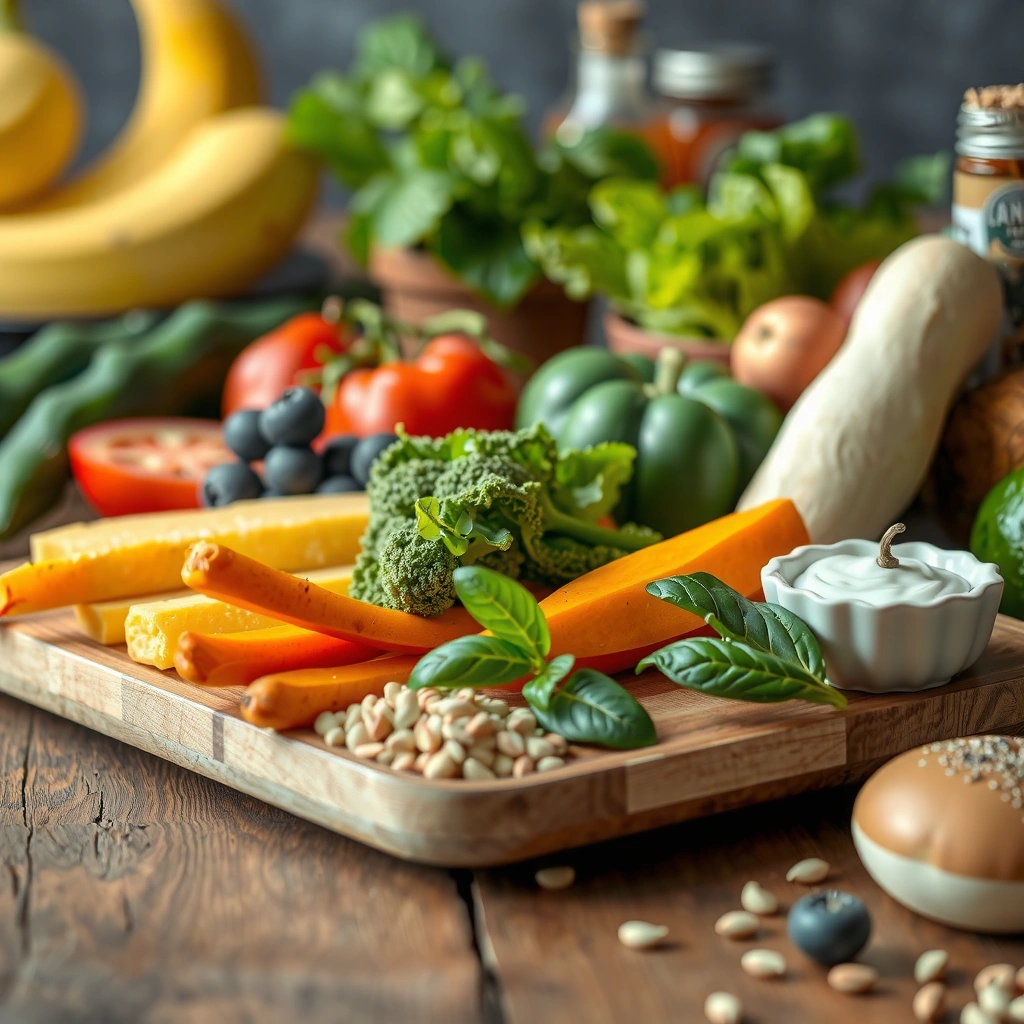
Navigating a diabetic-friendly diet requires an understanding of fundamental principles that directly impact blood glucose management and overall health. The cornerstone of this approach is prioritizing foods with a low glycemic index (GI), which refers to how quickly a carbohydrate-containing food raises blood sugar. Foods with a low GI are digested and absorbed more slowly, leading to a gradual rise in blood glucose rather than sharp, detrimental spikes. For instance, opting for whole grains over refined grains significantly contributes to this goal, as their fiber content slows sugar absorption.
Equally critical is the practice of portion control and a clear understanding of carbohydrate counts. Carbohydrates are the primary macronutrient that affects blood sugar, so accurately monitoring intake is paramount. This involves reading nutrition labels, using measuring cups, and becoming familiar with standard serving sizes. Effective carbohydrate management prevents overconsumption, which can otherwise overwhelm the body’s insulin response, leading to hyperglycemia. Building meals around a strategic combination of fiber, lean protein, and healthy fats is the final pillar. Fiber, abundant in vegetables, fruits, and whole grains, adds bulk to meals, aids digestion, and further slows sugar absorption. Lean proteins and healthy fats contribute to satiety, helping you feel fuller for longer and reducing the likelihood of overeating, while also providing sustained energy without impacting blood sugar as directly as carbohydrates. Together, these principles create a powerful framework for managing diabetes, stabilizing blood sugar, and fostering long-term health.
Powerhouse Vegetables and Fruits

Vegetables and fruits are indispensable components of a diabetic diet, offering a wealth of vitamins, minerals, and antioxidants with minimal impact on blood sugar when chosen wisely. Non-starchy vegetables, in particular, are exceptional choices due to their very low carbohydrate content and high nutrient density. Leafy greens such as spinach, kale, and Swiss chard, along with cruciferous vegetables like broccoli, cauliflower, and Brussels sprouts, can be consumed in generous quantities. Bell peppers, cucumbers, asparagus, and green beans also fall into this category, providing valuable fiber and essential nutrients that support various bodily functions without causing significant blood sugar spikes. Incorporating a colorful array of these vegetables into every meal, whether raw in salads, steamed, roasted, or lightly sautéed, helps ensure adequate nutrient intake and promotes satiety.
When it comes to fruits, the key is to opt for low-GI varieties and consume them in moderation, always prioritizing whole fruit over juices. Berries (strawberries, blueberries, raspberries, blackberries) are particularly beneficial due to their high fiber and antioxidant content, which helps mitigate sugar absorption. Apples, pears, peaches, plums, and citrus fruits like oranges and grapefruits are also excellent choices, provided they are eaten whole with their skins whenever possible to maximize fiber intake. The fiber in whole fruits helps to slow the digestion and absorption of their natural sugars, preventing rapid blood glucose elevation. Conversely, it is crucial to avoid fruit juices, even 100% natural ones, as they strip away beneficial fiber, leading to a concentrated sugar load that can quickly elevate blood sugar. Similarly, dried fruits, often concentrated in natural sugars and sometimes with added sweeteners, and canned fruits in syrup, which are packed in sugary solutions, should be drastically limited or entirely avoided to maintain optimal blood sugar control.
Lean Proteins for Blood Sugar Management
Lean proteins are a critical component of a diabetic diet, playing a pivotal role in blood sugar management, satiety, and muscle maintenance. Incorporating lean animal proteins such as fish, skinless chicken, and turkey provides essential amino acids without excessive saturated fat. Fatty fish like salmon, tuna, mackerel, and sardines are particularly beneficial as they are rich sources of Omega-3 fatty acids, which are known for their anti-inflammatory properties and ability to support heart health—a crucial consideration for individuals with diabetes who are at increased risk of cardiovascular complications. Aim for at least two servings of fatty fish per week. For poultry, prioritize skinless chicken and turkey breasts, opting for grilling, baking, or broiling over frying to minimize unhealthy fat intake.
Beyond animal sources, plant-based proteins offer an excellent alternative, often bringing additional fiber and micronutrients to the diet. Beans (black beans, kidney beans, pinto beans), lentils, and chickpeas are versatile legumes that provide a powerful combination of protein and complex carbohydrates, along with significant fiber content, which collectively aids in blood sugar stabilization. Tofu and tempeh, derived from soybeans, are complete plant-based proteins that can be used in a variety of dishes, absorbing flavors well and adding substantial protein without excessive saturated fat. Proteins work to slow down the digestion and absorption of glucose from other foods consumed in a meal. This slower digestive process leads to a more gradual rise in blood sugar levels after eating, preventing post-meal spikes. Furthermore, protein significantly contributes to feelings of fullness and satiety, which helps in managing appetite, reducing cravings, and consequently, preventing overeating and supporting healthy weight management—all vital aspects of effective diabetes care.
Wholesome Grains and Starches
When it comes to grains and starches, the fundamental principle for diabetics is to choose whole grains over refined grains. Whole grains retain all parts of the grain kernel—the bran, germ, and endosperm—meaning they are rich in fiber, vitamins, and minerals. This fiber content is crucial for slowing down the absorption of glucose into the bloodstream, leading to a more stable blood sugar response compared to refined grains. Excellent choices include oats (especially steel-cut or rolled oats), quinoa, brown rice, wild rice, whole-wheat bread, whole-grain pasta, and barley. These grains provide sustained energy, help with digestive health, and contribute to satiety. For instance, swapping white rice for brown rice or whole-wheat pasta for regular pasta can make a significant difference in post-meal blood sugar levels.
Diabetic-Friendly Whole Grains: GI & Fiber (Cooked)
| # | Whole Grain (Cooked) | GI (Avg.) | Fiber / 1 cup (g) | Diabetes-Friendly Score |
|---|---|---|---|---|
| 1 | Pearl Barley | 28 | 6.0 | ★★★★★ |
| 2 | Steel-Cut Oats | 55 | 7.0 | ★★★★☆ |
| 3 | Rolled Oats | 57 | 6.0 | ★★★★☆ |
| 4 | Quinoa | 53 | 5.2 | ★★★★☆ |
| 5 | Brown Rice | 50 | 3.5 | ★★★☆☆ |
| 6 | Wild Rice | 45 | 3.0 | ★★★☆☆ |
| 7 | Whole-Wheat Pasta | 40 | 3.4 | ★★★☆☆ |
Legumes, such as black beans, kidney beans, and lentils, deserve special mention again in this category. While they are powerful protein sources, they are also exceptional sources of complex carbohydrates and dietary fiber. Their unique nutrient profile makes them slow-digesting, providing a steady release of glucose and preventing sharp blood sugar increases. Incorporating legumes into salads, soups, stews, or as a side dish is an effective way to enhance both the nutritional value and blood sugar friendliness of meals. Starchy vegetables, including sweet potatoes, corn, peas, and winter squash (like butternut or acorn squash), also contain carbohydrates but offer valuable vitamins, minerals, and fiber. However, due to their higher carbohydrate content compared to non-starchy vegetables, it’s essential to consume them in measured portions. Pairing starchy vegetables with lean protein and healthy fats can help to further moderate their impact on blood sugar, ensuring they contribute to a balanced diet without causing adverse effects.
Healthy Fats and Dairy Choices
Integrating healthy fats into a diabetic diet is vital for cardiovascular health, satiety, and the absorption of fat-soluble vitamins. Unlike carbohydrates and proteins, fats have a minimal direct impact on blood sugar levels, but they significantly contribute to overall well-being and satisfaction after meals. Excellent sources of healthy fats include avocados, which are rich in monounsaturated fats and fiber; nuts such as almonds, walnuts, and pistachios, providing healthy fats, protein, and fiber; and seeds like chia, flax, and pumpkin seeds, packed with Omega-3s and fiber. Olive oil, particularly extra virgin olive oil, is another cornerstone of healthy fat intake, ideal for cooking at moderate temperatures and as a dressing. These fats help lower bad cholesterol, raise good cholesterol, and keep you feeling full, which can prevent overeating and support weight management.
Regarding dairy choices, the focus should be on options that are low in saturated fat and added sugars. Opt for low-fat or fat-free dairy products such as skim milk, low-fat yogurt (plain and unsweetened is best), and low-fat cottage cheese. Unsweetened dairy alternatives, including almond milk, soy milk, and oat milk, are also excellent choices, but it’s important to check their nutritional labels for added sugars and ensure they are fortified with calcium and vitamin D. Full-fat dairy products, like whole milk, full-fat cheeses, and butter, contain higher amounts of saturated fats, which can negatively impact heart health, a particular concern for individuals with diabetes. Limiting saturated fats found in red meat and full-fat dairy, and completely avoiding trans fats—often found in hydrogenated oils in processed foods, fried items, and certain baked goods—is crucial. Trans fats raise bad cholesterol (LDL) and lower good cholesterol (HDL), significantly increasing the risk of heart disease. Mindful selection of fats and dairy can profoundly support both blood sugar control and long-term cardiovascular health.
Foods to Limit or Avoid
For effective diabetes management, certain foods must be drastically limited or entirely avoided due to their detrimental impact on blood sugar levels and overall health. The most immediate culprits are sugary beverages, processed sweets, pastries, and candies. These items are typically loaded with refined sugars (like high-fructose corn syrup, sucrose, and dextrose) that cause rapid and severe blood sugar spikes, making it incredibly challenging to maintain glycemic control. Beyond the immediate blood sugar effects, they offer little nutritional value and contribute to weight gain, further complicating diabetes management. Instead of sugary drinks, opt for water, unsweetened tea, or coffee.
Refined carbohydrates also fall into the category of foods to minimize. These include white bread, white rice, pasta made from refined flour, and many highly processed snack foods like crackers, pretzels, and chips. During the refining process, the bran and germ are removed from grains, stripping them of fiber, vitamins, and minerals. This results in products that are quickly digested and absorbed, leading to a rapid surge in blood sugar similar to pure sugar. Choosing whole-grain alternatives for these items is a simple yet impactful dietary adjustment.
Finally, it is essential to limit the intake of high-sodium foods, deep-fried items, and highly processed meals. High-sodium foods, often found in canned soups, processed meats, and fast food, can contribute to high blood pressure, a common comorbidity with diabetes that significantly increases the risk of heart disease and kidney problems. Deep-fried items, while often tempting, are typically cooked in unhealthy oils high in trans and saturated fats, further escalating cardiovascular risk and contributing to unwanted weight gain. Highly processed meals, often pre-packaged and laden with artificial ingredients, unhealthy fats, excessive sodium, and added sugars, generally lack essential nutrients and undermine efforts to maintain a balanced, diabetes-friendly diet. By consciously reducing or eliminating these problematic foods, individuals can significantly improve blood sugar control, reduce inflammation, support heart health, and promote long-term well-being.
By focusing on a well-rounded diet comprising whole, nutrient-dense foods, you can significantly improve diabetes management, stabilize blood sugar levels, and enhance your overall health. Remember that individual needs vary, so it’s always best to consult with a healthcare professional or a registered dietitian to create a personalized meal plan tailored to your specific condition and lifestyle. This expert guidance can help you navigate complexities, address specific nutritional deficiencies, and ensure your dietary choices are both effective and sustainable. Start making small, sustainable changes today to build a healthier future.
Frequently Asked Questions
What are the foundational food groups diabetics should prioritize daily for optimal blood sugar management?
Diabetics should prioritize non-starchy vegetables (like leafy greens, broccoli, peppers), lean proteins (chicken, fish, beans, lentils), and healthy fats (avocado, nuts, seeds, olive oil). These foods are low in glycemic impact, rich in fiber and nutrients, which helps stabilize blood sugar levels and promote satiety, making them excellent choices for a diabetic diet. Incorporating whole grains in moderation, such as oats or quinoa, also provides beneficial complex carbohydrates.
How can I identify “good” carbohydrates versus “bad” carbohydrates for effective blood sugar control?
“Good” carbohydrates, or complex carbohydrates, are rich in fiber and found in whole foods like whole grains, legumes, and most vegetables, leading to a slower, more stable rise in blood sugar. “Bad” carbohydrates, typically refined carbs, include white bread, sugary drinks, and highly processed snacks, which are quickly digested and cause rapid blood sugar spikes. Prioritize high-fiber options to help manage diabetes effectively.
Which fruits are generally considered safe and beneficial for people with diabetes, and how should they be consumed?
Berries (strawberries, blueberries, raspberries), apples, pears, and oranges are excellent diabetic-friendly fruit choices due to their high fiber content and lower glycemic index compared to tropical fruits. These fruits provide essential vitamins and antioxidants with a more gradual impact on blood sugar. It’s crucial to consume them in whole form and mindful portions, ideally pairing them with protein or healthy fats to further mitigate blood sugar spikes.
Why is lean protein an essential part of a diabetic meal plan, and what are some top sources?
Lean protein is essential for diabetics because it has minimal impact on blood sugar levels and helps you feel fuller for longer, reducing the likelihood of overeating or snacking on less healthy options. Protein also supports muscle maintenance and repair, crucial for overall metabolic health. Top sources include skinless chicken breast, fish (like salmon and cod), turkey, eggs, tofu, beans, and lentils.
What are some quick, healthy snack ideas for diabetics to help manage hunger and prevent blood sugar dips between meals?
Healthy snacks for diabetics often combine protein and fiber to promote satiety and keep blood sugar steady. Excellent options include a handful of almonds or walnuts, Greek yogurt with a few berries, vegetable sticks with hummus, a hard-boiled egg, or a small piece of fruit with a tablespoon of nut butter. These blood sugar-friendly snacks help manage hunger and provide sustained energy without causing significant spikes.
References
- Eating Well & Managing Diabetes | ADA
- https://www.cdc.gov/diabetes/managing/eat-well/index.html
- Healthy Living with Diabetes – NIDDK
- Diabetes diet: Create your healthy-eating plan – Mayo Clinic
- https://www.hsph.harvard.edu/nutritionsource/diabetes-diet/
- https://my.clevelandclinic.org/health/articles/11207-diabetes-and-diet
- Diabetic Diet | MedlinePlus
📅 Last Updated: July 28, 2026 | Topic: The Best Foods to Eat for Diabetics | Content verified for accuracy and freshness.





Pingback: Best Food to Eat for Diabetics: Top Picks for Blood Sugar - Best For Diabetics
Pingback: Best Juice for Diabetics: What to Choose and What to Avoid - Best For Diabetics
Pingback: Best Diets for Diabetics: Top Approaches to Improve Blood Sugar - Best For Diabetics
Pingback: Best Granola Cereal for Diabetics: Top Picks and What to Look For - Best For Diabetics