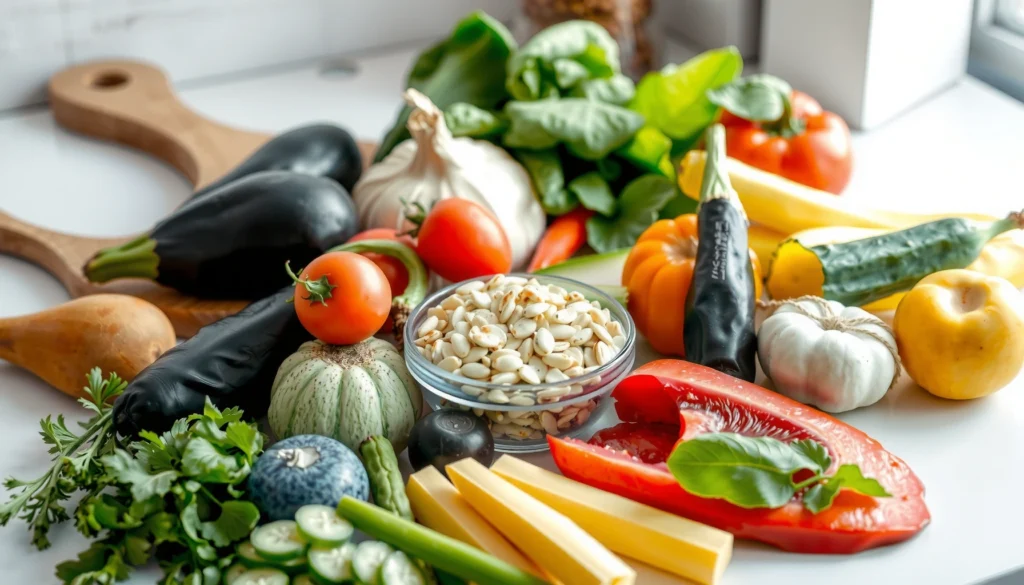

For individuals managing diabetes, the best foods are those rich in fiber, lean protein, and healthy fats, while being low in refined carbohydrates and added sugars. Focusing on a balanced diet composed primarily of non-starchy vegetables, whole grains, lean proteins, and specific fruits can significantly help stabilize blood sugar levels, improve insulin sensitivity, and enhance overall health. This guide will outline the key food groups that form the cornerstone of a diabetes-friendly diet.




The Foundations of Diabetic-Friendly Eating
Effective diabetes management begins with understanding the core principles of a healthy diet. It’s not just about cutting out certain foods but proactively incorporating others that support metabolic health.
* Prioritize whole, unprocessed foods that are nutrient-dense. Whole foods are naturally rich in vitamins, minerals, fiber, and antioxidants, lacking the artificial additives, excessive sodium, and unhealthy fats often found in their processed counterparts. Opting for foods in their most natural state—fresh fruits, vegetables, whole grains, and lean meats—ensures a higher intake of essential nutrients and avoids ingredients that can negatively impact blood glucose and overall health. For instance, choosing a whole apple over apple juice retains the crucial fiber that helps regulate sugar absorption.
* Focus on foods with a low glycemic index (GI) to prevent rapid blood sugar spikes. The glycemic index is a system that ranks carbohydrate-containing foods based on how quickly they raise blood sugar levels after consumption. Foods with a low GI (55 or less) are digested and absorbed more slowly, leading to a gradual and stable rise in blood glucose. Examples include most non-starchy vegetables, legumes, and certain whole grains like oats and barley. Conversely, high GI foods (70 or more), such as white bread, sugary drinks, and white rice, cause rapid spikes, challenging the body’s insulin response. Understanding and applying GI principles is a powerful tool for maintaining stable blood sugar throughout the day.
* Emphasize balanced meals with appropriate portions of carbohydrates, proteins, and fats. A balanced meal is crucial for satiety, sustained energy, and optimal blood sugar control. A widely recommended approach is the “plate method”: half your plate filled with non-starchy vegetables, one-quarter with lean protein, and one-quarter with complex carbohydrates. This method naturally controls portion sizes and ensures a good mix of macronutrients. Proteins and healthy fats slow the digestion and absorption of carbohydrates, helping to mitigate post-meal blood sugar surges. Consistent meal timing also plays a vital role in preventing extreme fluctuations in blood glucose.
Power-Packed Non-Starchy Vegetables
Non-starchy vegetables are the bedrock of any diabetes-friendly diet, offering an unparalleled nutritional return with minimal impact on blood sugar.
* Examples include leafy greens (spinach, kale, collard greens), broccoli, cauliflower, bell peppers (all colors), cucumbers, zucchini, asparagus, green beans, mushrooms, and tomatoes. This diverse group provides a wide array of flavors and textures, making it easy to incorporate them into various dishes. For instance, spinach and kale are rich in vitamins K, A, and C, as well as iron and calcium, while bell peppers are excellent sources of vitamin C and antioxidants. Broccoli and cauliflower, cruciferous vegetables, are known for their anti-inflammatory properties and high fiber content.
* They are extremely low in carbohydrates and calories, high in fiber, vitamins, and minerals. The minimal carbohydrate content means they have a negligible effect on blood glucose levels, making them an ideal “free food” to fill up on. Their high fiber content is particularly beneficial for diabetes management; fiber slows digestion, aids in satiety, helps regulate blood sugar, and supports gut health. Beyond fiber, these vegetables are packed with essential micronutrients that contribute to overall well-being, immune function, and reduced risk of diabetes-related complications.
* Can be consumed in generous quantities without significantly impacting blood glucose levels. This characteristic makes them invaluable for managing hunger and ensuring nutritional completeness without jeopardizing blood sugar targets. Incorporate them into every meal: add spinach to your omelet, load up your lunch sandwich with cucumber and bell peppers, or enjoy a large side salad with dinner. Steamed, roasted, grilled, or raw, their versatility allows for endless culinary possibilities, making healthy eating both easy and enjoyable. Research consistently highlights that increased intake of non-starchy vegetables is associated with improved glycemic control and weight management in individuals with diabetes.
Lean Proteins and Healthy Fats for Satiety
Integrating adequate lean proteins and healthy fats is fundamental for managing hunger, supporting metabolic health, and stabilizing blood sugar levels.
* Lean Proteins: Choose chicken breast (skinless), fish (salmon, cod, tuna, tilapia), turkey, eggs, tofu, beans, and lentils. These help slow down sugar absorption and keep you feeling full. Protein has a minimal impact on blood glucose, making it an excellent macronutrient to pair with carbohydrates. It slows gastric emptying, which in turn slows the rate at which glucose enters the bloodstream, preventing sharp spikes. Furthermore, protein is crucial for building and repairing tissues, maintaining muscle mass (which is vital for a healthy metabolism), and producing enzymes and hormones. Salmon and other fatty fish are particularly beneficial as they are rich in omega-3 fatty acids, which have anti-inflammatory properties and support cardiovascular health, a critical consideration for individuals with diabetes. Plant-based proteins like lentils, chickpeas, and tofu also offer fiber, providing additional benefits for blood sugar and gut health.
* Healthy Fats: Incorporate avocados, nuts (almonds, walnuts, pistachios), seeds (chia, flax, pumpkin), and olive oil. These contribute to heart health and satiety without raising blood sugar. Healthy fats, particularly monounsaturated and polyunsaturated fats, are essential for nutrient absorption (vitamins A, D, E, K), hormone production, and cellular function. They provide a significant source of energy and contribute substantially to satiety, helping to reduce overall food intake and manage weight. Olive oil, a staple of the Mediterranean diet, is known for its heart-protective benefits and anti-inflammatory compounds. Avocados are rich in monounsaturated fats and fiber, offering a satisfying and nutrient-dense addition to meals. Nuts and seeds, when consumed in moderation, provide healthy fats, fiber, protein, and various micronutrients like magnesium and zinc.
* Both macronutrients are crucial for blood sugar control and muscle maintenance. By combining lean proteins and healthy fats with carbohydrates, you create a more balanced meal that minimizes post-meal glucose excursions. This synergistic effect ensures that the body receives sustained energy and that insulin sensitivity is supported. For instance, adding a handful of almonds to your fruit snack or grilling salmon alongside your favorite non-starchy vegetables significantly improves the overall glycemic response of the meal and promotes lasting fullness.
Smart Carbohydrate Choices: Whole Grains & Legumes
Carbohydrates are a primary energy source, but for diabetes management, the type and amount are paramount. Smart choices involve prioritizing complex carbohydrates rich in fiber.
* Opt for complex carbohydrates like oats (steel-cut or rolled), quinoa, brown rice, whole-wheat bread, and whole-grain pasta. Unlike refined carbohydrates, which are stripped of their bran and germ (and thus, most of their fiber and nutrients), complex carbohydrates retain these components. This means they are digested more slowly, leading to a gradual release of glucose into the bloodstream, thereby preventing rapid blood sugar spikes. Oats, for example, are rich in soluble fiber, particularly beta-glucan, which has been shown to improve glycemic control and lower cholesterol levels. Quinoa is a complete protein source in addition to being a fiber-rich carbohydrate. When choosing whole-grain products, always check labels to ensure “whole grain” is listed as the first ingredient, and be wary of products disguised as “multigrain” or “wheat” which may still be highly refined.
* Legumes such as black beans, chickpeas, kidney beans, and lentils provide excellent fiber and plant-based protein. Legumes are nutritional powerhouses, offering a unique combination of complex carbohydrates, plant protein, and abundant dietary fiber. This trifecta makes them exceptionally beneficial for individuals with diabetes. Their high fiber content (both soluble and insoluble) helps regulate blood sugar by slowing carbohydrate absorption and promotes digestive health. The protein content further contributes to satiety and muscle maintenance. Studies have demonstrated that regular consumption of legumes can significantly improve glycemic control and reduce the risk of cardiovascular disease in people with diabetes. They are incredibly versatile, perfect for soups, stews, salads, and as a meat alternative.
* These foods offer sustained energy and vital fiber, but portion control remains essential due to their carbohydrate content. While whole grains and legumes are superior to refined options, they still contain carbohydrates that will impact blood sugar. Therefore, mindful portioning is crucial. Understanding the carbohydrate count of a typical serving (e.g., ½ cup cooked grains or legumes) is key to integrating them into your meal plan without exceeding your carbohydrate targets. Pairing these smart carbohydrate choices with non-starchy vegetables, lean proteins, and healthy fats will create a balanced meal that delivers sustained energy and keeps blood sugar stable.
Fruits and Dairy: Mindful Consumption
Fruits and dairy can be part of a diabetes-friendly diet, but mindful selection and portion control are key due to their natural sugar content.
* Fruits: Choose low-glycemic fruits like berries (strawberries, blueberries, raspberries), apples, pears, oranges, grapefruit, and kiwi, eaten whole rather than as juice. Limit portion sizes due to natural sugars (fructose). While fruit contains natural sugars, it also provides fiber, vitamins, minerals, and antioxidants. The fiber in whole fruit helps to slow down the absorption of sugar, mitigating the glycemic impact compared to fruit juice, which lacks fiber and can cause rapid blood sugar spikes. Berries are particularly beneficial due to their high antioxidant content and relatively low sugar. Apples and pears offer soluble fiber, which can help lower cholesterol. The key is moderation; for example, a small apple, a cup of berries, or half a banana can be a healthy snack or part of a meal. Avoid dried fruits, which are concentrated sources of sugar, and canned fruits packed in syrup.
* Dairy: Opt for plain, unsweetened options like Greek yogurt, milk, or fortified plant-based alternatives (almond, soy, oat milk). These provide calcium and protein with minimal added sugars. Dairy products can be an excellent source of calcium and vitamin D, crucial for bone health. Greek yogurt is particularly advantageous as it is high in protein, which contributes to satiety and has a lower carbohydrate content than regular yogurt, especially if it’s plain and unsweetened. When selecting milk or plant-based alternatives, always choose unsweetened varieties to avoid unnecessary added sugars that can impact blood glucose. Fortified plant milks can offer similar nutrient profiles to dairy milk, but it’s important to check labels for calcium and vitamin D content. Fermented dairy products like kefir can also support gut health through probiotics.
* Always check labels for added sugars in fruit and dairy products. The food industry often adds sugar to seemingly healthy products like fruit yogurts, flavored milks, and even some canned fruits. Becoming a diligent label reader is an essential skill for managing diabetes. Look for “added sugars” in the nutrition facts panel and scrutinize the ingredient list for terms like high-fructose corn syrup, sucrose, dextrose, or malt syrup. Choosing plain, unflavored, and unsweetened versions of these foods allows you to control the sweetness yourself, perhaps by adding a sprinkle of cinnamon or a few fresh berries.
Foods to Limit or Avoid for Optimal Management
While emphasizing nutrient-dense foods, it’s equally important to identify and consciously limit or avoid foods that can undermine diabetes management and overall health.
* Refined Sugars: Strictly limit sugary drinks (soda, sweetened teas, fruit juice cocktails), candy, pastries, cookies, and desserts which cause rapid blood sugar spikes. Foods high in refined sugars provide empty calories, meaning they offer little to no nutritional value while drastically increasing blood glucose levels. The rapid surge in blood sugar necessitates a significant insulin response, which can exacerbate insulin resistance over time. Regular consumption of these items also contributes to weight gain, a major risk factor for worsening insulin resistance and type 2 diabetes complications. Even “natural” sweeteners like honey and maple syrup should be used sparingly, as they still contain concentrated sugars that impact blood glucose.
* Processed Foods: Avoid white bread, white pasta, sugary cereals, snack foods (chips, crackers), and pre-packaged meals high in unhealthy fats, sodium, and refined carbohydrates. Processed foods are typically engineered for taste and convenience but are detrimental to health. They often contain refined grains, high levels of added sugars, unhealthy fats (like trans fats and excessive saturated fats), and excessive sodium, all of which contribute to inflammation, weight gain, and increased risk of cardiovascular disease—a common comorbidity with diabetes. Their low fiber content means they are quickly digested, leading to blood sugar fluctuations and a lack of satiety, prompting overeating. Opting for whole, unprocessed alternatives is always the healthier choice.
* Unhealthy Fats: Minimize foods high in trans fats and excessive saturated fats, found in fried foods, many fast-food items, processed snacks, and fatty cuts of red meat. Trans fats, often listed as “partially hydrogenated oil” on ingredient labels, are particularly harmful. They raise “bad” LDL cholesterol and lower “good” HDL cholesterol, significantly increasing the risk of heart disease, a major concern for individuals with diabetes. Saturated fats, while not as detrimental as trans fats, should also be consumed in moderation as excessive intake can raise cholesterol levels and contribute to insulin resistance. Limiting fried foods, choosing leaner cuts of meat, and being mindful of fat content in processed foods are crucial steps to protect cardiovascular health.
Adopting these dietary principles is a powerful step towards managing diabetes effectively, stabilizing blood sugar, and boosting your overall well-being. By making conscious food choices rich in fiber, lean protein, and healthy fats, you can enjoy delicious meals while supporting your health goals. For personalized guidance and a tailored meal plan, always consult with a healthcare professional or a registered dietitian.
Frequently Asked Questions
What are the best staple foods for managing blood sugar levels in people with diabetes?
The best staple foods for effective diabetes management include non-starchy vegetables like leafy greens, broccoli, and peppers, which are low in calories and carbohydrates but rich in fiber and essential nutrients. Incorporate lean protein sources such as chicken breast, fish, beans, and lentils to help stabilize blood sugar and promote satiety. Whole grains like oats, quinoa, and brown rice, consumed in controlled portions, provide sustained energy and crucial fiber for blood sugar control.
Which fruits are safe and beneficial for individuals with diabetes, and how should they be consumed?
Berries (strawberries, blueberries), apples, pears, and oranges are excellent low glycemic index fruit choices for people with diabetes due to their high fiber content and natural sweetness. These fruits can be safely consumed as part of a balanced diet, ideally whole rather than juiced, and in moderate, controlled portions to prevent blood sugar spikes. Pairing fruit with a small protein or healthy fat source, like a handful of nuts, can further help regulate glucose response.
How can a person with diabetes build a healthy and balanced plate for meals?
To build a healthy and balanced plate, aim to fill half your plate with non-starchy vegetables, which are nutrient-dense and low in carbohydrates, promoting fullness. Dedicate one-quarter of your plate to lean protein sources like grilled chicken, fish, tofu, or legumes, vital for satiety, muscle health, and stable blood sugar. The remaining quarter should consist of healthy, complex carbohydrates such as quinoa, brown rice, or a small sweet potato, carefully portioned to manage blood glucose levels effectively.
Why is choosing lean protein sources important for those with diabetes?
Choosing lean protein sources is crucial for people with diabetes because protein has a minimal impact on blood sugar levels compared to carbohydrates, helping to stabilize glucose and prevent sharp spikes. Lean proteins like fish, poultry, and legumes also contribute to satiety, reducing the likelihood of overeating and supporting healthy weight management, which is highly beneficial for improving insulin sensitivity. Furthermore, they are essential for muscle repair and overall bodily function without adding unhealthy saturated fats.
What are some healthy and satisfying snack ideas for people with diabetes?
Healthy and satisfying snack ideas for people with diabetes often combine fiber with protein or healthy fats to prevent rapid blood sugar spikes and sustain energy. Excellent options include a small handful of almonds or walnuts, Greek yogurt with a few berries, vegetable sticks with hummus, or a hard-boiled egg. These snacks help manage hunger between meals, provide essential nutrients, and contribute positively to overall blood sugar control throughout the day.
References
- https://diabetes.org/healthy-living/recipes-nutrition/what-can-i-eat
- Healthy Living with Diabetes – NIDDK
- https://www.cdc.gov/diabetes/managing/healthy-eating.html
- Diabetes diet: Create your healthy-eating plan – Mayo Clinic
- https://www.health.harvard.edu/diseases-and-conditions/the-best-diet-for-diabetes
- https://www.nhs.uk/conditions/diabetes/food-and-diabetes/
- Diabetes
- Diet in diabetes






Pingback: Best Diet for High Cholesterol and Diabetes: What to Eat - Best For Diabetics
Pingback: Best Diet for Preventing Diabetes: What to Eat to Lower Risk - Best For Diabetics
Pingback: Best Snacks for Type 2 Diabetics: Smart, Blood-Sugar Friendly Options - Best For Diabetics
Pingback: Best Things to Eat as a Diabetic: Smart Food Choices - Best For Diabetics
Pingback: Top Strategies to Prevent Macular Edema in Diabetes - Best For Diabetics
Pingback: Best Breakfast Bar for Diabetics: Top Picks and What to Look For - Best For Diabetics
Pingback: Best Chew Bones for Diabetic Dogs: Top Safe Options - Best For Diabetics
Pingback: Best Drink for Diabetes: What to Choose and Why - Best For Diabetics
Pingback: Best ED Treatment for Diabetes: What Works Safely - Best For Diabetics
Pingback: Best ED Treatment for Diabetics in Titusville FL: Top Options - Best For Diabetics