

When seeking the best dry food for a diabetic dog, the most crucial factors revolve around a specific nutritional profile: high fiber, complex carbohydrates, and moderate, high-quality protein. These elements are key to stabilizing blood glucose levels, managing weight, and ensuring your dog receives consistent energy without dangerous spikes. Understanding these dietary principles, in close consultation with your veterinarian, is the first step towards choosing an optimal dry food that supports your dog’s health and well-being.



Understanding Canine Diabetes and Diet’s Impact
Canine Diabetes Mellitus is a chronic and serious metabolic condition that mirrors type 1 and sometimes type 2 diabetes in humans. In essence, it occurs when a dog’s pancreas either fails to produce sufficient insulin (the hormone necessary for glucose absorption into cells) or the body’s cells become resistant to the insulin produced. This results in persistently high blood sugar (glucose) levels, which can lead to a host of health complications if not meticulously managed. Common signs include increased thirst and urination, unexplained weight loss despite a good appetite, and lethargy. Early diagnosis and intervention are critical to preventing severe consequences such as cataracts, nerve damage, and kidney disease.
Diet’s central role in managing canine diabetes cannot be overstated; it is as fundamental as insulin therapy itself. Consistent, appropriate nutrition is paramount for several reasons: it optimizes insulin effectiveness by providing a predictable metabolic environment, helps in the crucial task of managing blood glucose levels, and aids in preventing the debilitating complications associated with the disease. A well-designed dietary regimen works synergistically with insulin injections to maintain physiological balance, making it a cornerstone of comprehensive diabetes care. Without a suitable diet, even perfectly timed insulin doses can struggle to maintain stable blood sugar.
Stabilizing blood sugar is the primary objective of diabetic diet management. A thoughtfully structured diet helps create a predictable and measurable response to insulin, reducing the dramatic and potentially dangerous fluctuations in blood sugar that can occur throughout the day. These fluctuations, known as hyperglycemia (too high) and hypoglycemia (too low), can be detrimental to a dog’s health and quality of life. A consistent diet, especially one rich in specific nutrients, ensures that glucose is absorbed slowly and steadily into the bloodstream, allowing the administered insulin to work efficiently and predictably, thereby mitigating the risk of both sugar spikes and crashes. This predictability is vital for both short-term management and long-term canine health.
Essential Nutritional Criteria for Diabetic Dog Food
High fiber content is a paramount characteristic of an effective diet for diabetic dogs. Fiber, particularly a blend of soluble and insoluble fibers, plays a crucial role in regulating blood glucose levels. Soluble fiber, found in ingredients like psyllium and beet pulp, forms a gel in the digestive tract, which slows down the rate at which carbohydrates are broken down and absorbed. This gradual absorption prevents rapid spikes in blood sugar following a meal, providing a more even and sustained release of glucose. Insoluble fiber, found in ingredients like cellulose or certain vegetables, adds bulk to the stool and can help improve gut motility and satiety, reducing the likelihood of overeating, which is particularly important for weight management in diabetic dogs. Beyond glucose control, fiber also promotes healthy digestion and can help prevent constipation, a common issue in some older or less active dogs.
Complex carbohydrates are another cornerstone of diabetic dog nutrition, standing in stark contrast to simple sugars. Unlike simple sugars, which are quickly digested and cause rapid increases in blood glucose, complex carbohydrates are composed of longer chains of sugar molecules that require more time and effort for the body to break down. This slower digestive process ensures a gradual and steady release of energy into the bloodstream, preventing the sharp, undesirable peaks and valleys in blood sugar levels. Ingredients with a low glycemic index—a measure of how quickly a food raises blood glucose—are preferred. This sustained energy release is crucial for maintaining stable blood glucose throughout the day, supporting consistent energy levels, and reducing the burden on the dog’s insulin system.
Moderate, high-quality protein is vital for diabetic dogs, serving multiple critical functions without introducing excessive fat or unnecessary calories. Protein is essential for maintaining and repairing muscle mass, which is particularly important for diabetic dogs who may experience muscle wasting or who need to maintain a healthy weight. High-quality protein sources provide essential amino acids that support overall health, immune function, and cellular repair. A moderate protein level ensures the dog receives adequate nutritional support without overtaxing the kidneys, which can sometimes be a concern in older or predisposed diabetic dogs. Furthermore, protein contributes significantly to satiety, helping dogs feel fuller for longer, which can assist in weight management—a key factor in managing insulin resistance and overall diabetic health. The emphasis on “high-quality” ensures the protein is highly digestible and bioavailable, maximizing its nutritional benefit.
Key Ingredients to Seek Out
When evaluating dry food options for a diabetic dog, identifying specific beneficial ingredients is crucial. For fiber sources, look for ingredients such as psyllium husk, known for its soluble fiber content that helps regulate blood sugar and promote gut health. Beet pulp, another excellent source, offers both soluble and insoluble fibers that aid digestion and glucose control. Legumes like peas and lentils provide a good blend of fiber and complex carbohydrates, contributing to satiety and stable energy. Chicory root is also beneficial for its high inulin content, a prebiotic fiber that supports a healthy gut microbiome, which can indirectly influence metabolic health. The inclusion of diverse fiber sources can provide comprehensive digestive support and optimal blood glucose modulation.
For complex carbohydrates, the focus should be on whole grains with a low glycemic index, which ensures a slow and sustained release of glucose. Excellent choices include brown rice, which provides steady energy without rapid sugar spikes, and oats, known for their soluble fiber content (beta-glucan) that further aids in blood sugar control. Barley is another beneficial whole grain, offering a good source of fiber and supporting digestive health. Quinoa and millet are also excellent, gluten-free complex carbohydrate options that provide a robust nutritional profile, including protein and various minerals. These whole grains are vastly superior to refined grains like white rice or corn, which can lead to quick blood sugar elevations. When reading labels, prioritize foods where these whole grains appear high on the ingredient list, indicating their substantial presence.
Lean protein sources should consistently be among the first few ingredients listed on the dog food label, signaling a high-quality, protein-rich formulation. Preferred options include chicken, turkey, fish (such as salmon or cod), and lamb. These proteins are highly digestible and provide a complete amino acid profile essential for muscle maintenance, cellular repair, and overall systemic health. The “lean” aspect is important as it ensures your dog receives vital protein without excessive saturated fats, which can contribute to weight gain and potentially exacerbate insulin resistance. Some formulas might also include novel proteins like venison or duck, which can be beneficial for dogs with sensitivities. The presence of identifiable, high-quality animal protein at the top of the ingredient list is a strong indicator of a suitable diabetic dog food.
Ingredients to Avoid or Limit
To effectively manage canine diabetes, certain ingredients must be strictly avoided or severely limited in your dog’s diet due to their detrimental effects on blood glucose levels. Simple sugars and sweeteners are at the top of this list. Ingredients like corn syrup, molasses, dextrose, fructose, sucrose, and even honey should be entirely absent from a diabetic dog’s food. These sugars are rapidly absorbed into the bloodstream, causing immediate and significant spikes in blood glucose that are dangerous and challenging to manage with insulin therapy. Such ingredients offer little to no nutritional value beyond quick energy, which is precisely what diabetic dogs need to avoid. Always scrutinize ingredient labels for any form of added sugar, as manufacturers can be creative with their nomenclature.
High glycemic carbohydrates, while not necessarily “sugars,” also pose a significant risk to diabetic dogs. Ingredients such as large amounts of white rice, corn, or potatoes are quickly broken down into glucose during digestion, leading to rapid increases in blood sugar similar to simple sugars. While these ingredients might be acceptable in small, balanced quantities within a complete formula, their prominence in a dry food recipe for a diabetic dog is generally a red flag. Complex carbohydrates with a lower glycemic index, as discussed previously, are always preferable. Owners should be wary of foods that rely heavily on these fast-acting starches, as they can destabilize blood glucose levels and complicate diabetes management, making it harder to establish an effective insulin dosage and feeding routine.
Excessive fat is another critical component to avoid or limit in a diabetic dog’s diet. While healthy fats, particularly omega-3 fatty acids, are beneficial for overall health and can help reduce inflammation, high levels of total fat can be problematic. High-fat foods are calorie-dense, which can contribute to undesirable weight gain, exacerbating insulin resistance and making diabetes management more challenging. Moreover, diabetic dogs can be at an increased risk of developing pancreatitis, a painful inflammation of the pancreas, which can be triggered or worsened by high-fat diets. Therefore, choosing a dry food with a moderate fat content, ideally from healthy sources, is crucial. Look for foods where fat content is balanced, not excessively high, and prioritize lean protein sources and healthy fats like fish oil over generic animal fats that might indicate lower quality.
Top Dry Food Options and What They Offer
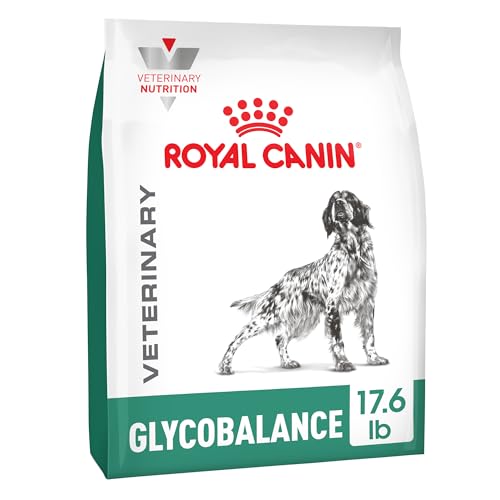
For owners of diabetic dogs, veterinary therapeutic diets represent a highly specialized and often indispensable category of nutrition. Brands such as Purina Pro Plan Veterinary Diets DM (Diabetic Management), Royal Canin Veterinary Diet Glycobalance, and Hill’s Prescription Diet w/d are specifically formulated to address the unique metabolic needs of dogs with diabetes. These diets are not merely “healthy” dog foods; they are scientifically engineered nutritional interventions developed through extensive research and clinical trials to achieve very specific physiological outcomes. They are typically available only through a veterinarian’s prescription, underscoring their medical purpose and the necessity of professional guidance in their use.
The key features of these prescribed diets lie in their meticulous and precise nutritional composition. They are expertly balanced for high fiber, moderate, high-quality protein, and complex carbohydrates, all aimed at optimizing blood glucose control. For instance, Purina Pro Plan Veterinary Diets DM is known for its high protein and low carbohydrate levels, which help stabilize blood sugar by reducing the glycemic load. Royal Canin Veterinary Diet Glycobalance focuses on specific soluble and insoluble fiber blends to slow glucose absorption and promote satiety, alongside a carefully controlled glycemic index. Hill’s Prescription Diet w/d emphasizes a high fiber content to help regulate blood sugar and manage weight, which is often a contributing factor to canine diabetes. These diets often include carefully selected antioxidant blends and essential fatty acids to support overall health, immune function, and minimize oxidative stress associated with diabetes. Their consistent nutrient profile ensures a predictable metabolic response, simplifying insulin dosing and overall management.
Given the specialized nature and medical intent of these diets, consulting your veterinarian is not just recommended, but absolutely essential. Each diabetic dog’s condition can vary based on factors such as age, weight, other co-existing health issues, and individual response to insulin. Your veterinarian possesses the expertise to assess your dog’s specific requirements, review their current health status, and recommend the most appropriate therapeutic diet. They can also provide guidance on transitioning to a new food, monitor your dog’s response, and make necessary adjustments to both diet and insulin regimen. Relying on professional advice ensures that the chosen food optimally supports your dog’s unique metabolic needs and contributes positively to their long-term health and quality of life.
Feeding Management and Monitoring
Establishing a consistent feeding schedule is paramount for managing canine diabetes effectively. Diabetic dogs typically benefit from two meals a day, spaced approximately 12 hours apart, and critically, these meals should be timed in conjunction with insulin injections. Administering insulin shortly after a meal allows the insulin to be active when glucose from the food begins to enter the bloodstream, maximizing its efficacy in transporting glucose into cells. A predictable feeding routine helps stabilize blood glucose levels throughout the day, preventing both dangerous hypoglycemic episodes (low blood sugar) if insulin is given on an empty stomach, and hyperglycemic spikes (high blood sugar) if food is delayed post-insulin. This consistency minimizes metabolic stress and improves the overall predictability of the dog’s response to treatment.
Precise portion control is another critical component of feeding management for diabetic dogs. Accurate measurement of each meal is essential to prevent both overfeeding and underfeeding, both of which can disrupt blood glucose stability. Overfeeding can lead to weight gain, exacerbating insulin resistance and making blood glucose harder to control, while underfeeding can lead to inadequate energy and potential hypoglycemia. It is highly recommended to use a kitchen scale for exact measurements rather than relying solely on measuring cups, as cup measurements can vary significantly depending on kibble density and how it’s packed. Your veterinarian will help calculate the precise caloric needs for your dog based on their ideal weight and activity level, providing guidelines for daily food intake to maintain a healthy body condition and optimize blood sugar management.
Regular veterinary oversight is indispensable for the ongoing successful management of canine diabetes. Diabetes is a dynamic condition, and a dog’s nutritional and insulin requirements can change over time due to age, weight fluctuations, changes in activity level, or the development of other health issues. Frequent check-ups, which include physical examinations, weight assessments, and crucial blood glucose monitoring, are essential. Your vet may recommend various monitoring tests, such as blood glucose curves (serial measurements of blood glucose over 12-24 hours) or fructosamine levels (which provide an average blood glucose level over 1-3 weeks), to assess the effectiveness of the current diet and insulin regimen. Based on these findings, adjustments to both the dry food type or quantity and insulin dosage can be made to ensure optimal diabetes control and prevent long-term complications, ultimately enhancing your dog’s well-being.
Choosing the right dry food is a cornerstone of managing canine diabetes effectively, playing a vital role in stabilizing blood sugar and enhancing your dog’s quality of life. By focusing on high fiber, complex carbohydrates, and moderate protein, you can provide the consistent nutrition your dog needs to thrive despite their condition. Always work closely with your veterinarian to select the best food, establish a consistent feeding schedule, and meticulously monitor your dog’s health to ensure the most successful outcome in their diabetes management journey.
Frequently Asked Questions
What are the key nutritional characteristics to look for in the best dry dog food for diabetic dogs?
The best dry dog food for diabetic dogs should be high in fiber, moderate in fat, and feature complex carbohydrates with a low glycemic index. This combination helps regulate blood sugar absorption, prevent sharp insulin spikes, and maintain stable energy levels throughout the day. Prioritize formulas with high-quality protein to support muscle mass without adding unnecessary sugars.
How does a specialized dry dog food diet help manage my dog’s blood sugar levels?
A specialized dry dog food for diabetic canines is formulated to slow glucose absorption and stabilize blood sugar. High fiber content, often from ingredients like peas or cellulose, delays carbohydrate digestion and prevents rapid blood glucose fluctuations. Additionally, complex carbohydrates release energy slowly, providing a consistent energy source without overwhelming the pancreas.
Why is choosing a low-glycemic, high-fiber dry dog food so critical for a diabetic canine?
Choosing a low-glycemic, high-fiber dry dog food is crucial because it directly impacts insulin sensitivity and blood glucose control. High fiber helps your dog feel fuller longer, reducing overall caloric intake and aiding in weight management, which is vital for diabetic dogs. Low-glycemic ingredients minimize the post-meal rise in blood sugar, making insulin regulation more effective and reducing the risk of complications associated with canine diabetes.
Are prescription diabetic dry dog foods always necessary, or are there suitable over-the-counter options for managing canine diabetes?
While prescription diabetic dry dog foods are expertly formulated to meet specific nutritional needs and are often highly recommended by veterinarians, some over-the-counter (OTC) options can also be suitable. However, any dietary change for a diabetic dog should always be discussed with your veterinarian to ensure it meets their specific health requirements and correctly supports their insulin regimen. Your vet can guide you on choosing the best dry food, whether prescription or a carefully selected OTC brand, to manage your dog’s diabetes effectively.
What specific ingredients or components should I absolutely avoid when selecting dry dog food for my diabetic dog?
When selecting dry food for your diabetic dog, you should absolutely avoid ingredients that are high in simple sugars, highly processed carbohydrates, and excessive fat. This includes corn syrup, molasses, white potatoes, wheat, and fruits high in natural sugars, as these can cause rapid spikes in blood glucose. Always check labels for hidden sugars and opt for whole, minimally processed ingredients to support stable blood sugar management.
References
- https://en.wikipedia.org/wiki/Diabetes_mellitus_in_dogs
- https://www.vet.cornell.edu/departments-centers-and-institutes/cornell-university-hospital-animals/pet-health-resources/canine-diabetes
- https://health.ucdavis.edu/vme/clinical-departments/vet-med-teaching-hospital/small-animal-clinic/internal-medicine/endocrine-system/diabetes-mellitus-dog
- https://vet.osu.edu/vmc/companion/our-services/internal-medicine/diabetes-mellitus-dog-or-cat
- https://www.ncbi.nlm.nih.gov/pmc/articles/PMC7210667/
- https://www.petdiabetesmonth.org/managing-pet-diabetes/diabetes-care-diet-exercise.html
- https://www.gla.ac.uk/schools/vet/cad/caninediabetes/management/#d.en.705856




Pingback: Best Cat Food for Diabetes: Top Picks and Feeding Tips - Best For Diabetics
Pingback: Best Diet for Diabetic Patients: Nutrition That Helps Control Blood Sugar - Best For Diabetics
Pingback: Best Protein for Diabetic: Top Picks and How to Choose - Best For Diabetics
Pingback: Best Whey Protein Powder for Diabetics: Top Picks & How to Choose - Best For Diabetics
Pingback: Best Meat for Diabetics: What to Eat and What to Avoid - Best For Diabetics