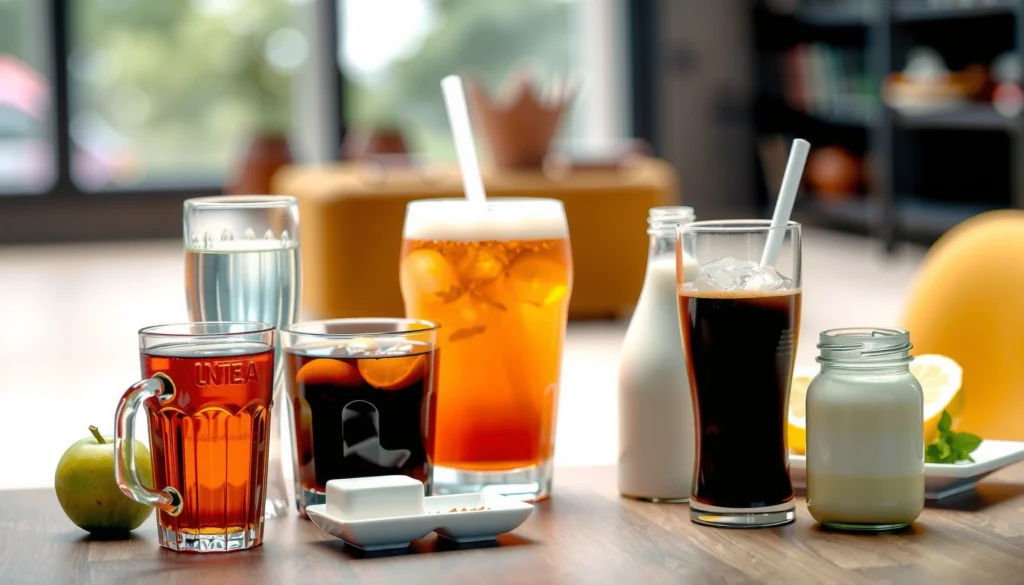

For individuals managing diabetes, the best drinks are predominantly water, unsweetened teas, black coffee, and specific non-dairy milk alternatives, as these choices help maintain stable blood sugar levels without adding unnecessary carbohydrates or sugars. Prioritizing these beverages is crucial for overall health, hydration, and effective blood sugar management. This guide will help you navigate your options and make informed decisions about what to sip safely.



Water: The Ultimate Hydrator
Water is arguably the most critical beverage for anyone, and especially for individuals with diabetes. Its unique properties make it an indispensable tool in blood sugar management and overall physiological function.
* Zero Carbs, Zero Sugar: The primary benefit of water is its complete absence of carbohydrates, sugars, and calories. This means it has absolutely no impact on blood glucose levels, making it the safest and most reliable choice for hydration. Beyond blood sugar, adequate hydration is essential for kidney health, a particular concern for diabetics, as kidneys play a vital role in filtering waste products and excess glucose from the blood. Proper hydration helps the kidneys function efficiently, reducing the risk of complications.
* Aids Metabolism: Water is a fundamental component of all metabolic processes, including the metabolism of glucose. It facilitates nutrient transport, helps in the breakdown of food, and ensures cells receive the necessary elements for energy production. For individuals with diabetes, staying well-hydrated can subtly enhance insulin sensitivity and efficiency, helping the body to utilize glucose more effectively. Dehydration, conversely, can lead to higher blood sugar concentrations, as there is less fluid to dilute the glucose in the bloodstream.
* Flavor Enhancers: While plain water is optimal, some individuals find it difficult to consume sufficient quantities. Fortunately, there are numerous ways to naturally enhance water’s flavor without adding sugar or artificial ingredients. Adding slices of lemon, lime, or orange not only provides a refreshing citrusy note but also offers a small dose of vitamin C. Cucumber slices lend a crisp, clean taste, while fresh mint leaves can add an invigorating aroma and flavor. Other natural additions include ginger slices, berries (in moderation for a very subtle sweetness), or a splash of unsweetened cranberry juice for a tart kick. These options encourage greater water intake without compromising blood sugar control.
Unsweetened Teas and Coffee
Unsweetened teas and black coffee can be excellent additions to a diabetic-friendly beverage regimen, offering both flavor and potential health benefits when consumed plain.
* Blood Sugar Neutral: Plain black coffee and unsweetened herbal or green teas are inherently free of sugar and carbohydrates, ensuring they do not directly impact blood sugar levels. This makes them safe choices for regular consumption. Herbal teas, such as chamomile, peppermint, or ginger tea, offer diverse flavors and can have calming or digestive benefits without any glycemic load. Green tea, in particular, has been a subject of extensive research for its potential health advantages.
* Antioxidant Benefits: Green tea is rich in polyphenols, especially epigallocatechin gallate (EGCG), a powerful antioxidant. These compounds are believed to reduce oxidative stress, which is often elevated in individuals with diabetes and contributes to various complications. Some studies suggest that regular consumption of green tea may improve insulin sensitivity and help regulate blood glucose levels over time, although more research is needed to establish definitive causal links. Similarly, black coffee contains antioxidants like chlorogenic acid, which has been associated with improved glucose metabolism and a reduced risk of type 2 diabetes in some populations. These antioxidants contribute to overall cellular health and may offer protective effects against long-term diabetic complications, particularly cardiovascular disease.
* Watch Add-ins: The health benefits of teas and coffee are quickly negated when sugar, honey, flavored syrups, or creamers with added sugar are introduced. These additions can drastically increase carbohydrate and calorie content, leading to significant blood sugar spikes. It is crucial to read labels carefully for any pre-sweetened tea or coffee products. For those who prefer a less bitter taste, a splash of unsweetened almond milk or coconut milk can provide a creamy texture without substantial carbohydrate impact. When considering natural sugar substitutes, options like stevia or monk fruit extract are generally preferred over artificial sweeteners, though even these should be used sparingly to avoid encouraging a strong preference for sweetness. Limiting reliance on any sweetener, artificial or natural, is often the healthiest approach.
Dairy and Non-Dairy Milk Alternatives
Milk and its alternatives are a staple for many, but careful selection is crucial for individuals with diabetes due to varying carbohydrate and sugar content.
* Unsweetened Options are Key: The market for non-dairy milk alternatives has expanded dramatically, offering a wide array of choices. For individuals with diabetes, the absolute priority must be “unsweetened” varieties. Unsweetened almond milk typically contains very few carbohydrates (often 1g or less per cup) and calories, making it an excellent low-glycemic choice. Unsweetened soy milk offers a good source of protein and is also low in carbohydrates. Unsweetened coconut milk beverage (not the canned culinary type) is another low-carb option, though it may be higher in fat. Unsweetened oat milk tends to be slightly higher in carbohydrates compared to almond or soy milk, so portion control and label checking are particularly important here. These unsweetened options are significantly lower in carbs and sugar than their sweetened counterparts, which can contain as much sugar as a regular soda.
* Portion Control for Dairy: Traditional dairy milk contains lactose, a natural sugar. While it’s not “added sugar,” it still contributes to carbohydrate intake and can affect blood glucose levels. Skim or 1% milk are generally recommended over whole milk to reduce saturated fat intake, which is important for cardiovascular health in diabetics. However, their carbohydrate content (typically 12-13g per 8-ounce serving) remains similar. Therefore, if consuming regular dairy milk, mindful portion control is essential, and it should be factored into your daily carbohydrate count. It is also important to consider that lactose can cause digestive issues for some individuals.
* Check Labels Carefully: The term “unsweetened” can sometimes be misleading if not scrutinized. Always read the full nutrition label, paying close attention to the “Total Carbohydrates” and “Added Sugars” lines. Some brands may add thickeners or other ingredients that can slightly increase carbohydrate content. Compare different brands of the same milk type, as carbohydrate and sugar values can vary. For instance, some unsweetened oat milks might have 2-3g of carbs per serving, while others might have 8-10g. Look for products fortified with calcium and Vitamin D, as these nutrients are important for bone health, especially for those who limit dairy intake. Understanding these nuances empowers individuals to make the best choices for their specific dietary needs and blood sugar management.
Low-Sugar Smoothies and Juices
While smoothies and juices can be packed with nutrients, they also pose a risk for rapid blood sugar spikes if not carefully constructed.
* Focus on Whole Foods: The key to a diabetic-friendly smoothie lies in its composition. Start with a liquid base of unsweetened non-dairy milk (almond, soy) or water to keep the carbohydrate count low. Incorporate a generous amount of leafy greens such as spinach or kale; these are low in calories and carbs but high in vitamins, minerals, and fiber, which helps to mitigate blood sugar spikes. Berries (strawberries, blueberries, raspberries) are excellent fruit choices in moderation due to their lower glycemic index and high fiber content compared to other fruits. To ensure satiety and stable blood sugar, add a source of protein (e.g., unsweetened protein powder, plain Greek yogurt, chia seeds) and healthy fats (e.g., avocado, flax seeds, a small amount of unsweetened nut butter). Fiber from whole fruits and vegetables slows down sugar absorption, preventing sharp glucose rises.
* Limit Fruit Juice: Even 100% fruit juice, despite its “natural” origins, should be severely limited or avoided. When fruit is juiced, its fiber content is largely removed, leaving behind concentrated natural sugars (fructose). This liquid form of sugar is rapidly absorbed into the bloodstream, leading to quick and significant blood glucose spikes, similar to drinking a sugary soda. For example, an 8-ounce glass of apple juice can contain over 24 grams of sugar and no fiber, making it highly detrimental to blood sugar control. Opting for whole fruit, where the fiber is intact, is always a superior choice as it provides satiety and a slower, more controlled rise in blood sugar.
* Vegetable Juices: Homemade vegetable juices can be a nutritious option, providing vitamins and minerals. However, caution is still warranted. While leafy green-heavy juices (kale, spinach, celery) are generally low in carbohydrates, juices made primarily from root vegetables like carrots or beets can still contribute a significant amount of natural sugars. It’s essential to be aware of the carb content if using these vegetables. Combining non-starchy vegetables with a small amount of high-fiber fruits (like berries) and diluting with water can help create a more balanced and blood sugar-friendly vegetable juice. Always prioritize whole vegetables over their juiced counterparts when possible, to retain all the beneficial fiber.
Sugar-Free Carbonated Beverages
Sugar-free carbonated beverages offer the fizz and flavor of traditional sodas without the sugar content, but their role in a diabetic diet is nuanced.
* Sugar-Free Sodas: These beverages typically use artificial sweeteners like aspartame, sucralose, saccharin, or natural low-calorie sweeteners such as stevia or erythritol to provide sweetness without calories or carbohydrates. While they do not directly raise blood sugar levels, there is ongoing debate and research regarding their long-term health effects. Some studies suggest potential impacts on gut microbiota, which in turn could influence glucose metabolism and insulin sensitivity in certain individuals. Others raise concerns about the promotion of a “sweet tooth,” potentially leading to cravings for more sweet foods. Therefore, while they can be an occasional treat or a way to transition away from sugary sodas, moderation is generally advised, and individual responses should be monitored. They should not become a primary beverage choice.
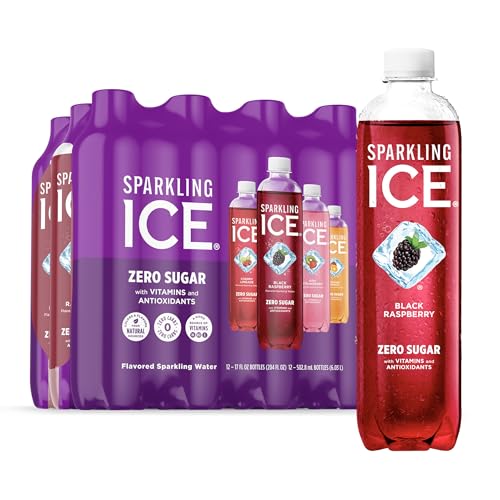
* Sparkling Water: Plain sparkling water is an excellent alternative to sugar-free sodas, providing a satisfying effervescence without any artificial ingredients, sweeteners, or colors. It is essentially carbonated water, offering the same hydration benefits as still water. To enhance its appeal, a squeeze of fresh lemon, lime, or a few berries can add natural flavor without compromising blood sugar control. This option allows individuals to enjoy a “fizzy” drink experience while adhering to healthy dietary principles and avoiding any potential concerns associated with artificial sweeteners.
* Read Labels for Hidden Sugars: The terms “diet” or “sugar-free” can sometimes be misleading. It is crucial to read the ingredient list and nutrition label meticulously. Some products marketed as “sugar-free” might still contain ingredients that can affect blood sugar or overall health, such as sugar alcohols (e.g., maltitol, sorbitol) which can have a laxative effect in large quantities and can still raise blood sugar in some individuals. Additionally, flavorings and other additives should be reviewed. Always be vigilant for hidden forms of sugar or other undesirable ingredients, ensuring that the beverage truly aligns with diabetes management goals.
Drinks to Strictly Limit or Avoid
Certain beverages pose significant risks to blood sugar control and overall health for individuals with diabetes and should be strictly limited or entirely avoided.
* Sugary Sodas and Fruit Juices: These are among the most detrimental drinks for diabetics. Sugary sodas (cola, lemonade, root beer, etc.) are loaded with high-fructose corn syrup or refined sugar, which lead to immediate and dramatic spikes in blood glucose levels. Similarly, as discussed, even 100% fruit juices, despite being “natural,” are concentrated sources of natural sugars with little to no fiber, causing rapid absorption and significant glycemic responses. Consistent consumption of these beverages can exacerbate insulin resistance, contribute to weight gain, and increase the risk of long-term diabetic complications, including cardiovascular disease and kidney damage. They offer very little nutritional value beyond empty calories.
* Sweetened Teas and Coffees: While plain teas and black coffee are healthy, their sweetened counterparts are problematic. This category includes bottled sweet teas, specialty coffee drinks from cafes (e.g., lattes with flavored syrups, frappuccinos), and energy drinks disguised as coffee. Syrups, added sugars, whipped cream, and sweetened creamers transform these beverages into sugary desserts, often containing upwards of 50-70 grams of sugar per serving. These drinks can derail blood sugar management quickly, contributing to excess calorie intake and potential weight gain. Always specify “unsweetened” and opt for plain milk or milk alternatives when ordering coffee or tea outside the home.
* Energy Drinks: Most commercial energy drinks are a dangerous combination of high sugar content, excessive caffeine, and other stimulants (like taurine, guarana, B vitamins). The high sugar load immediately elevates blood glucose, while the stimulants can affect heart rate and blood pressure, which are significant concerns for individuals with diabetes, who are already at a higher risk for cardiovascular issues. Furthermore, the combination of stimulants can interfere with sleep patterns and increase anxiety, indirectly impacting blood sugar control. These drinks offer no genuine health benefits and pose substantial risks.
* Alcoholic Beverages: Alcohol consumption for individuals with diabetes requires careful consideration and moderation. Alcohol can interact with diabetes medications and affect blood sugar levels in complex ways – sometimes causing hypoglycemia (low blood sugar), especially for those on insulin or sulfonylureas, or hyperglycemia if consuming sugary alcoholic drinks. When consuming alcohol, always do so with food and choose dry wines, light beer, or spirits mixed with sugar-free mixers (e.g., soda water, diet tonic). Avoid sugary mixed drinks, liqueurs, regular beer (high in carbs), and sweet wines. It is also crucial to monitor blood sugar before and after drinking. Discuss alcohol consumption with your healthcare provider to understand personalized recommendations and potential risks.
Making informed beverage choices is a powerful step in managing diabetes effectively. Prioritizing water, unsweetened teas and coffee, and carefully selected milk alternatives can significantly support stable blood sugar levels and overall well-being. By understanding the impact of various drinks and consciously avoiding high-sugar options, individuals can take proactive control of their health. Always remember to check nutrition labels diligently and, when in doubt, consult with your healthcare provider or a registered dietitian to tailor beverage recommendations to your specific health needs and ensure they align with your comprehensive diabetes management plan.
Frequently Asked Questions
What are the best sugar-free drink options for managing blood sugar?
The best sugar-free drink options for diabetics focus on hydration without added carbohydrates or sugars. Water is paramount, along with plain unsweetened coffee and herbal teas, which provide taste and potential health benefits without impacting blood glucose levels. You can also safely enjoy sparkling water with a squeeze of fresh lemon or lime, or sugar-free flavored seltzers, as these offer variety without spiking your blood sugar.
How does regular hydration impact blood sugar levels for someone with diabetes?
Regular hydration is crucial for individuals with diabetes as it significantly aids in blood sugar management. When you drink enough water, it helps your kidneys flush out excess glucose through urine, which can contribute to lower blood sugar levels. Conversely, dehydration can concentrate blood sugar, making it harder to control and potentially leading to higher glucose readings.
Which common drinks should diabetics strictly avoid to prevent blood sugar spikes?
Diabetics should strictly avoid drinks high in added sugars to prevent dangerous blood sugar spikes. This includes regular sodas, most fruit juices (even 100% fruit juice can be very high in natural sugars), sweetened teas, sports drinks, and energy drinks. These beverages are often packed with rapidly absorbed sugars that can quickly elevate glucose levels and disrupt diabetes management.
Can diabetics drink coffee or tea, and what are the best ways to prepare them?
Yes, diabetics can generally enjoy coffee and tea, but preparation is key. Opt for plain black coffee, green tea, or herbal teas without added sugar, honey, or artificial sweeteners where possible. If you prefer a lighter taste, a splash of unsweetened almond milk or a small amount of a doctor-approved sugar substitute can be used to make them diabetic-friendly while minimizing impact on blood sugar.
Why are diet sodas and artificial sweeteners a controversial choice for diabetics?
While diet sodas and artificial sweeteners don’t directly raise blood sugar, their long-term effects on metabolic health and the gut microbiome are still under research and often debated among health professionals. Some studies suggest they might alter gut bacteria, potentially influencing glucose tolerance, or lead to increased cravings for sweet foods. It’s generally recommended to consume them in moderation and prioritize natural, unsweetened beverages for better overall health management.
References
- https://www.diabetes.org/healthy-living/recipes-nutrition/eating-well/drinks
- https://www.mayoclinic.org/diseases-conditions/diabetes/expert-answers/diabetes-diet/faq-20058148
- https://www.cdc.gov/diabetes/managing/healthy-drinks.html
- Healthy Living with Diabetes – NIDDK
- https://www.health.harvard.edu/diseases-and-conditions/best-and-worst-drinks-for-diabetes
- https://my.clevelandclinic.org/health/articles/11267-beverages-for-diabetics
- https://www.diabetes.org.uk/guide-to-diabetes/enjoy-food/eating-with-diabetes/drinks-and-diabetes






Pingback: Best Nuts for Type 2 Diabetes: Nut Options That Help - Best For Diabetics
Pingback: Best Sugar Substitute for Diabetic Baking: Top Options - Best For Diabetics