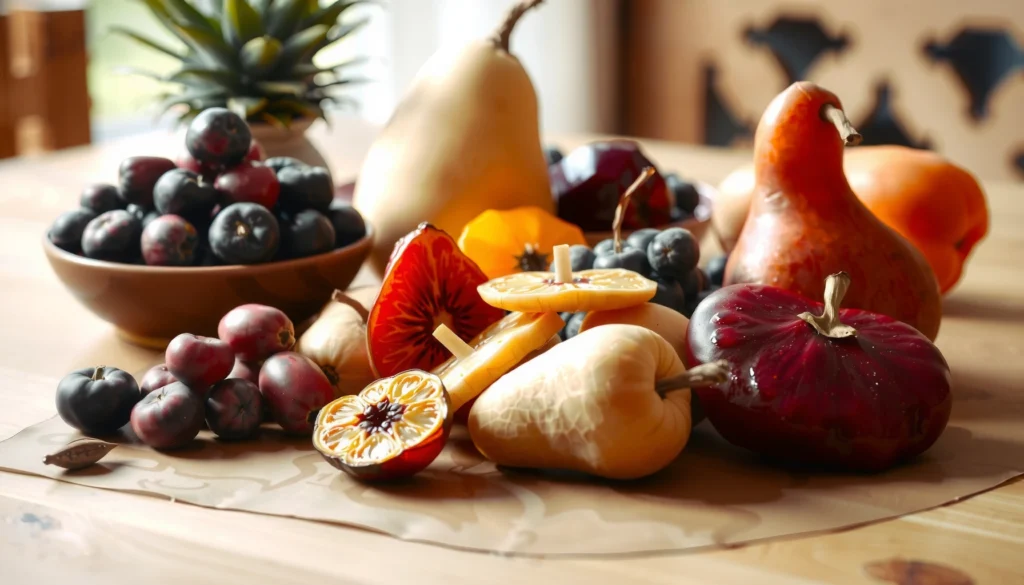

While all dried fruits contain concentrated natural sugars, certain types, when consumed in strict moderation, can be acceptable for diabetics due to their fiber content and lower glycemic impact. The best dried fruits for diabetics are generally those with a lower glycemic index and no added sugars, such as dried berries (cranberries, blueberries, cherries), unsweetened apricots, and prunes. This guide will help you make smart, blood-sugar-friendly choices to enjoy dried fruit safely.




Understanding Dried Fruit and Diabetes
Dried fruit, a convenient and often nutrient-dense snack, presents a unique challenge for individuals managing diabetes. The process of drying fruit removes its water content, which intensifies the natural sugars within each piece. Understanding this concentration, along with the role of fiber and the absolute necessity of portion control, is fundamental for safely incorporating dried fruit into a diabetic diet.
* Concentrated Sugars: When fruit is dried, approximately 80-90% of its water content is removed. This process significantly concentrates the natural sugars (fructose and glucose) into a smaller, denser form. For instance, a handful of fresh grapes contains far less sugar per gram than a handful of raisins. This high sugar concentration means that even a small serving of dried fruit can deliver a substantial carbohydrate load, potentially leading to a rapid and significant increase in blood glucose levels if not managed carefully. The glycemic index (GI) and glycemic load (GL) of dried fruits are often higher than their fresh counterparts, necessitating a cautious approach.
* Fiber’s Role: While the sugar is concentrated, the fiber content in dried fruit largely remains intact. Dietary fiber, particularly soluble fiber, plays a crucial role in diabetes management by slowing down the absorption of sugars into the bloodstream. This helps to mitigate sharp blood sugar spikes, promoting a more gradual and sustained release of glucose. Fiber also contributes to satiety, helping you feel fuller for longer. However, it’s vital to recognize that while fiber offers a beneficial buffer, it does not negate the concentrated sugar content. The overall carbohydrate count still needs careful consideration within your daily carbohydrate allowance.
* Portion Control is Paramount: Due to the concentrated sugars and the potential for rapid blood glucose impact, portion control is not merely a suggestion but an absolute imperative when consuming dried fruit. Even those varieties considered “healthier” for diabetics must be consumed in exceedingly small, measured portions. Overconsumption, even by a small margin, can quickly lead to unwanted blood sugar elevations. Treating dried fruit as a condiment or a small treat, rather than a primary snack, is a key mindset for effective diabetes management.
Top Dried Fruit Picks for Diabetics
When making choices, prioritize unsweetened varieties and consider the natural sugar profile of the fruit itself. These options tend to have a more favorable glycemic impact when consumed in strict moderation.
* Dried Berries (Cranberries, Blueberries, Cherries): These small, vibrant fruits are nutritional powerhouses, even in their dried form. They are exceptionally rich in antioxidants, particularly anthocyanins, which have been studied for their potential benefits in combating oxidative stress and inflammation, factors often associated with diabetes complications. Compared to some other dried fruits, berries generally have a more moderate glycemic index. Dried cranberries, for instance, are known for their unique health benefits, while dried blueberries and cherries offer a sweet-tart flavor profile. The critical caveat here is to *always* opt for unsweetened varieties, as many commercially available dried berries are heavily coated in added sugar to enhance palatability. A small sprinkle can add flavor and a nutritional boost without overwhelming your carbohydrate intake.
* Unsweetened Apricots: A delightful source of vitamins A and E, as well as potassium and dietary fiber, unsweetened dried apricots are another suitable choice for diabetics when consumed judiciously. Their natural sweetness is complemented by a good fiber content, which contributes to a lower glycemic load compared to many other dried fruits. The fiber helps to slow down the absorption of their natural sugars. When selecting dried apricots, ensure they are explicitly labeled “unsweetened” and check the ingredient list to confirm that no sugar has been added. A few apricot halves can be a satisfying small snack or addition to a meal.
* Prunes (Dried Plums): Often recognized for their digestive benefits due to their high fiber content and natural sorbitol, prunes also offer a relatively moderate glycemic index. This makes them a more blood-sugar-friendly option than some other dried fruits, despite their perceived sweetness. Prunes contain both soluble and insoluble fiber, which contributes to satiety and helps regulate blood sugar response by slowing gastric emptying. They are also a good source of potassium and vitamin K. Like all dried fruits for diabetics, portion control is crucial. A small serving of 2-3 prunes can provide a beneficial fiber boost without causing significant blood sugar spikes for most individuals.
What to Look for When Buying Dried Fruit
Making informed choices at the grocery store is just as important as knowing which types of dried fruit to pick. The labeling can often be misleading, so a discerning eye is essential for diabetics.
* No Added Sugar: This is perhaps the most critical factor. Many dried fruits are processed with additional sugars (sucrose, corn syrup, fruit juice concentrate) to improve taste, texture, or shelf life. These added sugars significantly increase the carbohydrate load and glycemic impact, making them highly unsuitable for diabetics. Always scrutinize the nutrition label and ingredient list for phrases like “no added sugar” or “unsweetened.” If you see any form of sugar listed among the ingredients other than the fruit itself, put it back on the shelf. The total sugar count on the nutrition panel should ideally reflect only the fruit’s natural sugars.
* Short Ingredient List: The ideal dried fruit product should have one ingredient: the fruit itself. A short ingredient list is a strong indicator of a minimally processed product. While some brands may include sulfites as a preservative (to maintain color and prevent spoilage), which some individuals are sensitive to, the primary concern for diabetics should be the absence of added sugars or artificial sweeteners. Fewer ingredients generally mean fewer hidden carbohydrates and additives that could negatively impact blood sugar or overall health.
* Nutritional Information: Beyond checking for added sugars, it’s vital to meticulously review the entire nutritional information panel. Pay close attention to:
* Serving Size: Note how many pieces or how much weight constitutes a single serving. This is often smaller than you might assume.
* Total Carbohydrates: This figure will directly impact your blood sugar. Understand how the serving size fits into your daily carbohydrate budget.
* Sugars (Natural vs. Added): While “total sugars” will include natural sugars, some labels now differentiate “added sugars,” which makes identification easier. Aim for 0g added sugars.
* Fiber Content: A higher fiber content is generally better, as it helps mitigate the glycemic response. Compare the fiber to the total carbohydrates to get a clearer picture of the fruit’s impact.
Essential Portion Control Strategies
Effective portion control is the cornerstone of incorporating dried fruit into a diabetic diet safely. Without it, even the “best” choices can lead to undesirable blood sugar fluctuations.
* Measure Accurately: Never guesstimate when it comes to dried fruit. Invest in a small food scale or use standard measuring spoons/cups. A typical serving for a diabetic might be as small as 1/4 cup of dried berries (approximately 15-20 grams of carbohydrates), 2-3 small dried prunes, or 4-5 apricot halves. These quantities are often far less than what one might instinctively grab from a bag. Pre-portioning servings into small bags or containers immediately after purchase can help prevent overeating. Consistency in measurement is key to understanding and managing the impact on your blood sugar.
* Pair with Protein or Healthy Fats: A highly effective strategy for slowing down sugar absorption and managing blood glucose response is to combine dried fruit with a source of protein or healthy fats. Protein and fats take longer to digest, which helps to blunt the immediate glycemic impact of the carbohydrates in the dried fruit. This pairing also increases satiety, reducing the likelihood of overconsumption or subsequent snacking.
Examples: A small handful of unsweetened dried berries sprinkled over a dollop of plain Greek yogurt (protein) or paired with a few unsalted almonds or walnuts (healthy fats) can create a more balanced and blood-sugar-friendly snack. Cottage cheese or a small slice of cheese can also serve this purpose.
* Monitor Blood Sugar: Personal blood glucose monitoring is an invaluable tool for understanding how different foods, including dried fruit, affect your individual body. Test your blood sugar before consuming dried fruit and then again 1-2 hours afterward. This provides direct feedback on its impact. Keep a food diary to note the type and amount of dried fruit consumed, along with your blood sugar readings. Over time, this data will help you identify your personal tolerance levels and make more informed decisions about incorporating dried fruit into your meal plan. This personalized approach is far more effective than relying solely on general guidelines.
Dried Fruits to Limit or Avoid
Just as there are better choices, there are also dried fruits and related products that diabetics should stringently limit or, ideally, completely avoid due to their high sugar content and significant impact on blood glucose.
* Candied or Sugared Fruits: These are the most obvious candidates for avoidance. Candied fruits, such as glacé cherries, candied ginger, or sugar-coated fruit peels, are explicitly treated with large amounts of added sugar. They are essentially confectionery rather than a healthy fruit product. The sugar content is exorbitant, often far exceeding the natural sugars, leading to guaranteed and substantial blood sugar spikes. These products offer minimal nutritional benefit relative to their carbohydrate load and should have no place in a diabetic diet.
* High Glycemic Index Fruits: Some naturally sweeter dried fruits have a very high glycemic index and a concentrated sugar profile, making them particularly challenging for blood sugar management, even in tiny portions.
* Dried Dates: Dates are incredibly high in natural sugars, with a single medjool date containing around 16 grams of carbohydrates. Their glycemic index is also quite high, meaning they can cause rapid blood sugar surges.
* Dried Figs: While figs offer fiber, their sugar concentration is still very high, making them a risky choice for consistent blood sugar control.
* Raisins: Derived from grapes, raisins are notorious for their high sugar content and relatively high glycemic index. Even a small handful can contain a significant amount of carbohydrates that can quickly elevate blood glucose.
For many diabetics, even a strict portion of these fruits may still be too impactful. It’s often safer to opt for the lower GI alternatives listed previously.
* Fruit Juices & Fruit Leathers: These products, while sometimes marketed as “natural,” often strip away the very component that makes whole fruit beneficial: fiber.
* Fruit Juices: Even 100% fruit juice, without added sugar, concentrates natural fruit sugars into a liquid form that is absorbed very quickly into the bloodstream. Without the fiber to slow absorption, fruit juice can cause rapid and significant blood sugar spikes, akin to consuming a sugary beverage.
* Fruit Leathers/Roll-Ups: These snacks typically involve pureeing fruit and then dehydrating it into a sheet. During this process, much of the beneficial fiber can be lost, and many commercial varieties also have added sugars. The result is a concentrated source of sugar that can lead to quick blood sugar elevations. Always opt for whole, minimally processed dried fruit over these alternatives.
Smart Ways to Incorporate Dried Fruit
Even with careful selection and portion control, how you choose to consume dried fruit can further influence its impact on your blood sugar. Integrating it thoughtfully into your diet is key.
* Snack Sparingly: Treat dried fruit as an occasional treat or a flavor enhancer rather than a staple snack. When you do choose to snack on it, ensure it’s a pre-portioned amount. For instance, a small, controlled handful of unsweetened dried cranberries mixed with a few unsalted almonds or walnuts can provide a satisfying crunch and a burst of flavor without derailing your blood sugar. Avoid eating directly from a large bag, as this invariably leads to overconsumption. Think of it as a garnish or a small reward for adherence to your meal plan.
* Oatmeal or Yogurt Topping: This is an excellent way to enjoy the flavor of dried fruit without overdoing it. Instead of a large serving, sprinkle a *tiny* amount of finely chopped, unsweetened dried fruit (like dried berries or apricots) over your morning oatmeal or plain Greek yogurt. The fiber and protein from the oatmeal or yogurt can help buffer the sugar absorption from the fruit, and a small amount adds natural sweetness and textural variety without requiring additional sweeteners. The key is using it as a subtle accent, not a primary ingredient.
* Baking (in Moderation): Unsweetened dried fruit can serve as a natural sweetener in diabetic-friendly baking recipes, reducing the need for refined sugars. However, this must be done with extreme moderation and careful carbohydrate counting. For example, a small quantity of chopped unsweetened prunes or apricots can add moisture and sweetness to whole-grain muffins or energy bars designed for diabetics. Always account for the carbohydrates from the dried fruit in the recipe’s total nutritional breakdown. Remember that even in baking, the concentrated sugars are still present, so the final serving size of the baked good must also be strictly controlled.
While dried fruit can be a source of concentrated sugar, making smart choices and practicing strict portion control allows certain varieties like unsweetened berries, apricots, and prunes to be included in a diabetic diet. Always prioritize unsweetened options, measure your servings diligently, and consider pairing them with protein or fat to minimize blood sugar fluctuations. Monitoring your personal blood sugar response is paramount for safe inclusion. Consult with your healthcare provider or a registered dietitian to determine the best approach for incorporating dried fruit safely and effectively into your personal diabetes management plan, ensuring it aligns with your specific health needs and dietary goals.
Frequently Asked Questions
Which dried fruits are considered the best choices for diabetics due to their lower sugar content and glycemic impact?
For diabetics, dried fruits like prunes, dried apricots, and berries (especially unsweetened cranberries) can be better choices due to their relatively lower glycemic index and higher fiber content compared to some other options. These options can help mitigate rapid blood sugar spikes, but portion control remains absolutely critical. Always opt for varieties with no added sugars to ensure a healthier snack for managing diabetes.
How can diabetics safely incorporate dried fruit into their diet without causing blood sugar spikes?
Diabetics can safely enjoy dried fruit by strictly adhering to small portion sizes, typically a tablespoon or two, which is equivalent to one serving of fresh fruit. It’s also beneficial to pair dried fruit with a source of protein or healthy fat, such as a handful of nuts or seeds, to slow down sugar absorption and prevent sudden blood glucose surges. Always monitor your blood sugar levels after consumption to understand individual tolerance.
Why is portion control absolutely crucial when diabetics eat dried fruit, even healthy options?
Portion control is crucial because the dehydration process concentrates all the natural sugars and carbohydrates into a much smaller serving size compared to fresh fruit. This means that even a small handful of dried fruit can contain a significant amount of sugar and calories, potentially leading to rapid and undesirable blood sugar spikes if not carefully measured. Therefore, understanding the carbohydrate count per serving is vital for diabetics.
What key nutritional factors should diabetics look for when choosing dried fruit to ensure it’s a healthy snack?
Diabetics should prioritize dried fruits that are high in fiber and have absolutely no added sugars or artificial sweeteners. Always check the ingredient list to ensure “fruit” is the only ingredient, avoiding products with added syrups, high-fructose corn syrup, or concentrated fruit juices. High fiber content helps slow down sugar absorption, making it a more suitable snack for blood sugar management.
Are sugar-free or unsweetened dried fruits always a better option for diabetics, and what should they check on the label?
Yes, sugar-free or unsweetened dried fruits are generally a much better option for diabetics as they eliminate the extra refined sugars that can drastically affect blood glucose. However, it’s crucial to still check the nutrition label for the total carbohydrate content, as even unsweetened dried fruits naturally contain concentrated sugars. Also, confirm there are no sugar alcohols or artificial sweeteners that might cause digestive issues or still impact blood sugar in some individuals.
References
- Best Fruit Choices for Diabetes | ADA
- https://www.cdc.gov/diabetes/managing/eat-well/fruit-vegetable-info.html
- Diabetes diet: Create your healthy-eating plan – Mayo Clinic
- https://www.hsph.harvard.edu/nutritionsource/what-should-you-eat/vegetables-and-fruits/fruit-for-health/
- https://www.diabetes.org.uk/guide-to-diabetes/enjoying-food/eating-with-diabetes/food-groups/fruit-and-diabetes
- https://my.clevelandclinic.org/health/articles/11388-diabetes-eating-well-with-diabetes-healthy-snacks




Pingback: Best Energy Bars for Diabetics: Top Picks and What to Look For - Best For Diabetics
Pingback: Best Seafood for Diabetics: Top Choices for Blood Sugar Control - Best For Diabetics
Pingback: Best Snacks for Diabetics Type 2: Smart, Tasty Options - Best For Diabetics
Pingback: Best Rice for Diabetics: Top Picks and How to Choose - Best For Diabetics
Pingback: Which Mucinex Is Best for Diabetics? (DM vs. Non-DM) - Best For Diabetics
Pingback: Best Bread for Diabetics Reddit: Top Picks People Swear By - Best For Diabetics
Pingback: Best Cake for Diabetic People: How to Choose Healthier Options - Best For Diabetics
Pingback: Best Natural Sugar Substitute for Diabetics: Top Choices - Best For Diabetics