
Finding the best diabetic salad dressing centers on options that are low in added sugars, unhealthy fats, and excessive sodium, prioritizing healthy fats, vinegars, herbs, and spices for flavor. While there isn’t one single “best” option, homemade vinaigrettes with olive or avocado oil, alongside carefully selected store-bought alternatives that meet these criteria, can significantly enhance your meals without negatively impacting blood sugar levels. This guide will help you identify and choose the ideal dressings for your diabetic-friendly diet.



What Makes a Dressing Diabetic-Friendly?
Understanding the core components of a healthy dressing is crucial for individuals managing diabetes. The goal is to maximize flavor and nutritional value while minimizing ingredients that can negatively affect blood glucose levels and overall cardiovascular health.
– Low in Added Sugars: This is perhaps the most critical factor. Many commercial salad dressings are surprisingly high in added sugars, which can quickly elevate blood glucose levels. Ingredients like high fructose corn syrup, sucrose, dextrose, maltose, honey, maple syrup, and even fruit juice concentrates are common culprits. For a diabetic-friendly dressing, the aim is to keep added sugars to an absolute minimum, ideally less than 1-2 grams per serving. Excess sugar not only impacts blood sugar but also contributes to empty calories and can worsen insulin resistance over time. Prioritizing dressings that rely on natural savory flavors from herbs, spices, and vinegars, rather than sweetness, is paramount.
– Healthy Fats over Unhealthy Fats: The type of fat in your dressing significantly influences heart health, which is a particular concern for individuals with diabetes. Opt for dressings made with monounsaturated and polyunsaturated fats, such as extra virgin olive oil, avocado oil, and certain nut oils (like walnut oil). These fats have been shown to improve cholesterol levels, reduce inflammation, and may even improve insulin sensitivity. Conversely, it’s essential to limit dressings containing high amounts of saturated fats (found in many creamy dressings, some dairy-based options) and especially trans fats (often listed as “partially hydrogenated oil”), which are detrimental to cardiovascular health and can increase the risk of heart disease, a common comorbidity with diabetes. Choose ingredients that actively support heart health rather than detract from it.
– Moderate Sodium Content: While not directly impacting blood sugar, high sodium intake can contribute to high blood pressure (hypertension), a condition often co-occurring with diabetes and increasing the risk of cardiovascular complications. Many processed foods, including salad dressings, can be significant sources of dietary sodium. Checking labels for lower sodium options, ideally below 200mg per serving, is advisable. When making dressings at home, you have complete control over sodium levels, allowing you to use herbs and spices to enhance flavor instead of excessive salt. This proactive approach helps manage overall cardiovascular risk and supports comprehensive diabetic care.
Top Homemade Diabetic Dressings
Crafting your own salad dressings at home provides unparalleled control over ingredients, allowing you to tailor them perfectly to your dietary needs and taste preferences. These recipes emphasize healthy fats, natural flavors, and minimal sugars.
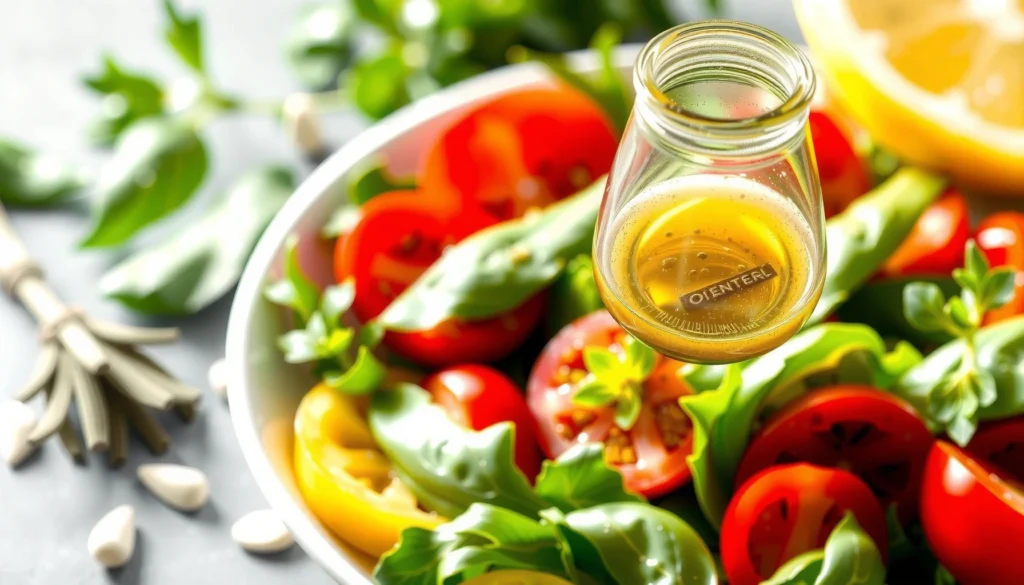
– Classic Vinaigrette: The versatility and health benefits of a homemade vinaigrette make it a staple for any diabetic-friendly kitchen. To create a robust classic, whisk together three parts high-quality extra virgin olive oil with one part apple cider vinegar or balsamic vinegar. Apple cider vinegar is particularly noted for its potential role in moderating blood sugar responses. Incorporate a teaspoon of Dijon mustard for emulsification and a touch of zest. Season generously with dried or fresh herbs like dill, parsley, oregano, or thyme. A pinch of sea salt and freshly ground black pepper will round out the flavors. For an added layer of complexity, consider infusing the oil with minced garlic or a squeeze of fresh lemon juice. This simple base can be endlessly customized, providing a healthy and flavorful foundation for any salad.
– Creamy Yogurt-Based Dressing: For those who prefer a richer, creamier texture without the unhealthy fats, a Greek yogurt-based dressing is an excellent choice. Plain, unsweetened Greek yogurt is a fantastic source of protein and probiotics, making it beneficial for satiety and gut health. Combine half a cup of plain Greek yogurt with the juice of half a lemon, a clove of finely minced garlic, and a generous handful of fresh herbs such as chives, mint, or cilantro. If a hint of sweetness is desired, use a small amount of a natural, non-caloric sweetener like stevia or erythritol. Thin the dressing to your preferred consistency with a tablespoon or two of water or unsweetened almond milk. This dressing is particularly good with salads featuring grilled chicken, fish, or a medley of fresh vegetables.
– Avocado Lime Dressing: This vibrant, nutrient-dense dressing harnesses the power of healthy monounsaturated fats from avocado. Mash one ripe avocado until smooth, then whisk in the juice of one or two limes, depending on desired tartness. Limes add a refreshing zing and complement the creamy avocado beautifully. Stir in a quarter cup of fresh cilantro, finely chopped, and a pinch of ground cumin for an earthy undertone. To achieve a pourable consistency, gradually add a little water or unsweetened almond milk until it reaches your desired thickness. This dressing is incredibly rich and satisfying, providing beneficial fats, fiber, and a burst of flavor. It pairs exceptionally well with Mexican-inspired salads, fajita bowls, or as a healthy topping for tacos.
Smart Store-Bought Diabetic Dressing Choices
While homemade dressings offer the most control, a range of excellent store-bought options can fit into a diabetic meal plan with careful selection. The key is to be an informed consumer and prioritize label scrutiny.
– Read Nutrition Labels Carefully: This cannot be overemphasized. When selecting a store-bought dressing, the nutrition facts panel and ingredient list are your most valuable tools. Specifically, focus on the “Total Carbohydrates” and “Added Sugars” sections. Aim for dressings with less than 2-3 grams of added sugar per serving. Next, examine the fat content. Prioritize dressings where the primary fat source is olive oil, avocado oil, or other healthy unsaturated fats. Avoid products where hydrogenated oils are listed. Finally, check the “Sodium” content, aiming for options under 200mg per serving to manage blood pressure effectively. Also, pay attention to the serving size; many dressings have a small serving size (e.g., 1 tablespoon), and it’s easy to consume double or triple that amount, thereby multiplying the sugar, fat, and sodium intake.
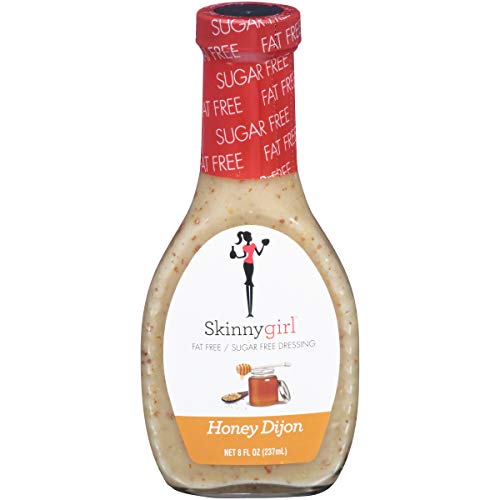
– Look for “Sugar-Free” or “No Sugar Added” Labels: These labels can be a good starting point, but they require further investigation. While “sugar-free” typically means less than 0.5 grams of sugar per serving, and “no sugar added” indicates that no sugar was added during processing (though naturally occurring sugars may still be present), it’s crucial to check what replaces the sugar. Some manufacturers may use artificial sweeteners like sucralose, aspartame, or saccharin, which, while not directly impacting blood glucose, are subjects of ongoing debate regarding long-term health effects and potential impact on gut microbiome. Others might compensate with unhealthy fats or higher sodium levels to maintain flavor. Always cross-reference these claims with the full ingredient list and nutrition panel to ensure the dressing aligns with your overall dietary goals for healthy fats and moderate sodium.
– Vinegar-Based Vinaigrettes: Simple, vinegar-based vinaigrettes are often inherently lower in sugar and unhealthy fats than creamy alternatives. Look for dressings that list olive oil or avocado oil as the first ingredient, followed by a vinegar (such as red wine, balsamic, or apple cider vinegar). These tend to have fewer emulsifiers, thickeners, and hidden sugars. Be vigilant, however, as even some seemingly simple vinaigrettes can contain added sweeteners or less desirable oils. A quick scan of the ingredient list for “sugar,” “corn syrup,” or various forms of dextrose is always recommended. Brands that specialize in organic or whole-food products often offer cleaner ingredient lists. Examples might include simple balsamic vinaigrettes or Italian dressings with clear, minimal ingredient lists.
Ingredients to Avoid for Blood Sugar Control
Successful diabetes management heavily relies on ingredient awareness. Certain components commonly found in commercial dressings can significantly hinder blood sugar control and overall health.
– High Fructose Corn Syrup & Other Sweeteners: This category represents a significant threat to blood sugar stability. High fructose corn syrup (HFCS) is a ubiquitous and inexpensive sweetener rapidly absorbed by the body, leading to swift spikes in blood glucose. Beyond HFCS, a multitude of other added sugars should be vigilantly avoided. These include, but are not limited to, sucrose, dextrose, maltose, glucose, corn syrup solids, caramel, fruit juice concentrates, honey, agave nectar, and maple syrup. Even natural sweeteners like honey, while offering some micronutrients, are still concentrated sources of sugar that can impact blood glucose levels similarly to refined sugars. The best practice is to scrutinize the first few ingredients on any dressing label; if any form of added sugar appears prominently, it’s best to avoid it.
– Hydrogenated Oils (Trans Fats): These fats are particularly insidious and should be completely eliminated from a diabetic diet. Often listed as “partially hydrogenated oil” or “fully hydrogenated oil” in ingredient lists, trans fats are created through a process that solidifies liquid vegetable oils. They are known to significantly raise LDL (bad) cholesterol while lowering HDL (good) cholesterol, dramatically increasing the risk of heart disease and stroke. Individuals with diabetes are already at an elevated risk for cardiovascular complications, making the avoidance of trans fats absolutely critical for protecting heart health. These fats contribute to inflammation and can worsen insulin resistance, further complicating blood sugar management. Always check for any mention of “hydrogenated” oils on the label.
– Creamy Dressings High in Saturated Fat: While not as detrimental as trans fats, excessive saturated fat intake can also negatively impact cardiovascular health and potentially contribute to insulin resistance. Many traditional creamy dressings, such as ranch, blue cheese, Caesar, and some thousand island varieties, are often laden with saturated fats from dairy, mayonnaise, or other high-fat bases. These dressings not only contribute a high caloric load but can also be significant sources of unhealthy fats and sodium. While a small amount of healthy saturated fat from natural sources like coconut oil or grass-fed dairy can be part of a balanced diet for some, the highly processed saturated fats in many commercial creamy dressings are best avoided. Opt instead for lighter versions that use healthier oils, Greek yogurt bases, or stick to homemade alternatives where you control the fat source and quantity.
Tips for Building a Healthier Salad Experience
Choosing the right dressing is just one piece of the puzzle. A truly diabetic-friendly salad is a synergistic blend of nutrient-dense ingredients, mindful portioning, and natural flavor enhancement.
– Portion Control is Key: Even the healthiest dressings, made with beneficial oils like olive or avocado, contain calories and fats. While these fats are good for you, consuming them in excess can still contribute to weight gain, which can negatively impact blood sugar control. A standard serving of salad dressing is typically 1-2 tablespoons (approximately 15-30 ml). It’s incredibly easy to exceed this when pouring directly from a bottle. To ensure accurate portioning, always measure your dressing using a tablespoon. A helpful trick is to dip your fork into the dressing before picking up your salad greens, or to lightly toss your salad in a bowl with the measured dressing rather than drenching it. This ensures every bite has flavor without overdoing it.
– Focus on Nutrient-Dense Bases: The foundation of a healthy salad should always be nutrient-dense. Start with a generous bed of dark leafy greens such as spinach, kale, romaine, or mixed spring greens, which are rich in vitamins, minerals, and fiber with minimal carbohydrates. Then, load up on non-starchy vegetables like cucumbers, bell peppers (all colors), cherry tomatoes, radishes, broccoli florets, and shredded carrots. These provide crucial fiber, antioxidants, and a variety of textures and flavors without significantly impacting blood sugar. Incorporate a lean protein source like grilled chicken breast, baked salmon, hard-boiled eggs, tofu, or legumes (e.g., chickpeas, lentils) to enhance satiety and help stabilize blood glucose. Finally, add a small amount of healthy fats like a sprinkle of nuts (almonds, walnuts), seeds (chia, flax, pumpkin), or a few slices of avocado for sustained energy and beneficial nutrients.
– Enhance Flavor Naturally: Don’t rely solely on dressing for flavor. There are numerous ways to boost the taste of your salad without adding extra sugars, unhealthy fats, or excessive sodium. Fresh herbs are potent flavor enhancers; consider adding generous amounts of cilantro, parsley, basil, mint, or chives directly to your salad. A squeeze of fresh lemon or lime juice can brighten the entire dish and adds a refreshing tang. Various vinegars, beyond being dressing bases, can be drizzled lightly over greens for a burst of flavor. Spices like black pepper, red pepper flakes, garlic powder, onion powder, or a dash of smoked paprika can elevate the profile. Roasting vegetables before adding them to your salad can bring out their natural sweetness and depth. Marinating lean proteins in herbs and spices before cooking also infuses flavor, making the dressing less critical for overall taste satisfaction.
Choosing the right diabetic salad dressing doesn’t have to be complicated. By prioritizing low-sugar, healthy-fat, and moderate-sodium options, whether homemade or store-bought, you can enjoy delicious and blood-sugar-friendly salads. Remember to always read labels, experiment with fresh ingredients, and control your portions to maintain a balanced and healthy diet. These strategic choices will not only support your blood sugar management but also contribute positively to your overall health and well-being. Start exploring these options today to elevate your diabetic meal planning.
Frequently Asked Questions
What key ingredients should diabetics look for, or avoid, in salad dressings?
Diabetics should prioritize salad dressings that are low in sugar, low in sodium, and made with healthy fats. Absolutely avoid dressings containing added sugars like high-fructose corn syrup, sucrose, or dextrose, and steer clear of trans fats and excessive sodium, which can negatively impact blood sugar and heart health. Instead, look for dressings based on extra virgin olive oil, avocado oil, or vinegars, ensuring you always check the nutrition label for carbohydrate and sugar content per serving to find the best diabetic salad dressing.
How can I make my own diabetic-friendly salad dressing at home?
Making homemade diabetic salad dressing offers complete control over ingredients, ensuring it’s low in sugar and healthy. Combine a healthy oil, such as extra virgin olive oil or avocado oil, with a flavorful vinegar (apple cider, red wine, balsamic) as your base. Whisk in herbs, spices, Dijon mustard, and a natural sugar substitute like stevia or erythritol for sweetness if desired, creating a delicious and blood-sugar-friendly option.
Why is choosing the right salad dressing so crucial for diabetes management?
Choosing the right salad dressing is extremely crucial for diabetes management because many commercial options are hidden sources of sugar, unhealthy fats, and excessive sodium. These ingredients can significantly spike blood glucose levels, contribute to weight gain, and increase cardiovascular risks for individuals with diabetes. Opting for low-carb, sugar-free, and healthy-fat dressings helps maintain stable blood sugar, supports heart health, and aligns with a balanced diabetes-friendly diet, making it a key component of effective management.
Which types of store-bought salad dressings are generally considered safe and beneficial for diabetics?
When purchasing store-bought options, look for salad dressings explicitly labeled “sugar-free,” “keto-friendly,” or “low-carb,” as these are typically formulated to be diabetic-friendly. Vinaigrettes made primarily with olive oil or avocado oil and various vinegars are often good choices, provided they do not contain added sugars or unhealthy fillers. Always meticulously review the nutrition facts panel for total carbohydrates, added sugars, and sodium content to ensure the dressing aligns with your specific dietary needs for managing diabetes.
Are there specific low-carb or sugar-free salad dressing brands commonly recommended for diabetics?
While specific brand recommendations can vary based on availability and personal taste, many food companies now offer lines of low-carb and sugar-free salad dressings well-suited for diabetics. Key indicators to look for include brands that prominently feature “sugar-free,” “no added sugar,” or “keto-friendly” on their labels, often utilizing natural sweeteners like stevia, monk fruit, or erythritol. Always compare the nutrition labels of different brands to identify the best diabetic salad dressing that meets your dietary requirements and flavor preferences.
References
- https://diabetes.org/food-nutrition/recipes/salad-dressings
- https://diabetes.org/healthy-living/recipes-nutrition/healthy-homemade-salad-dressings
- https://www.mayoclinic.org/healthy-lifestyle/recipes/healthy-salad-dressing-recipes/rc-20050867
- https://health.clevelandclinic.org/healthy-salad-dressing-recipes/
- Nutrition – Harvard Health
- https://www.eatright.org/food/planning-and-prep/recipes/homemade-salad-dressing-recipes-20667