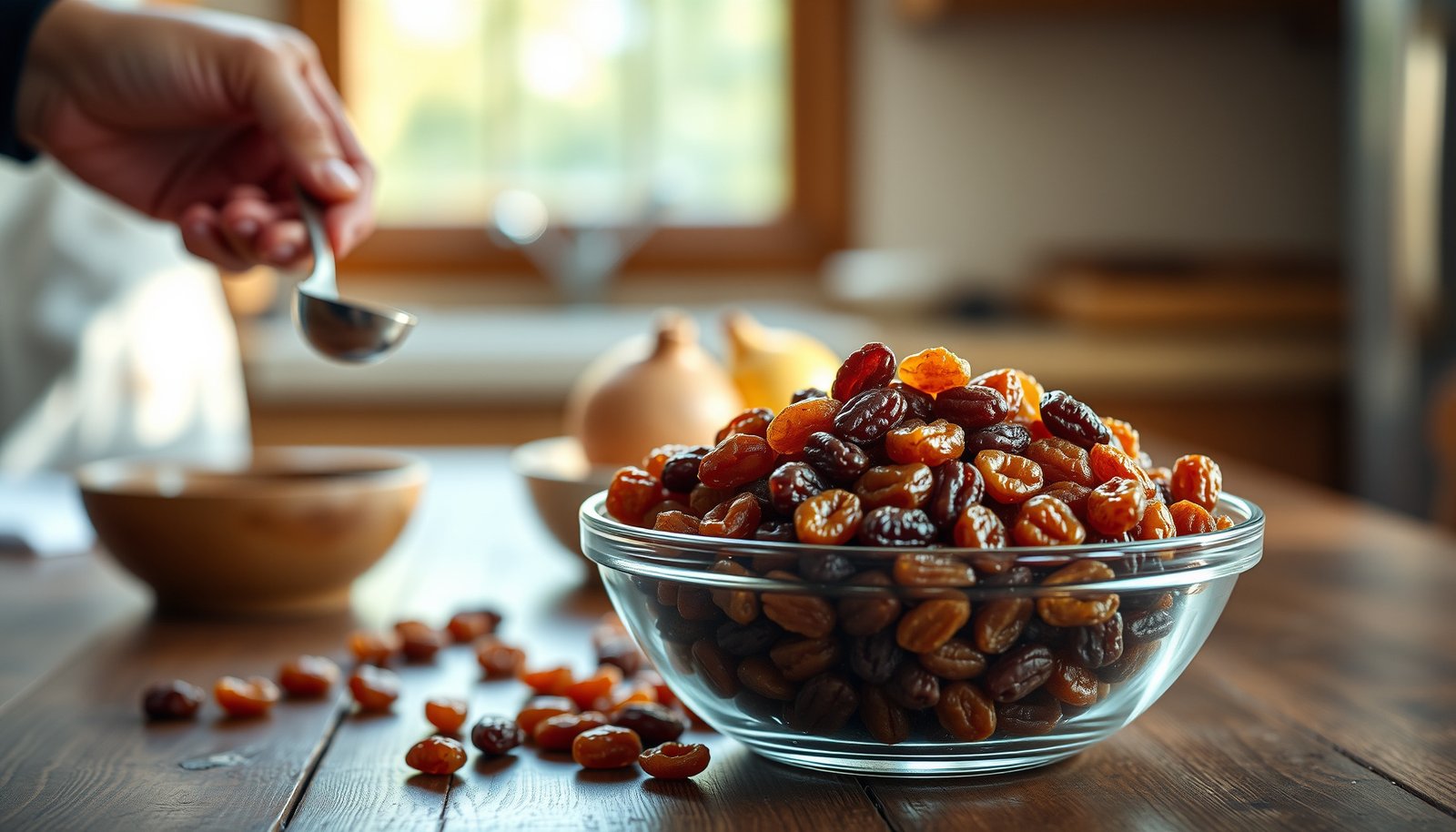

Crafting the best diabetic breakfasts centers on balancing macronutrients to keep blood sugar levels steady, provide sustained energy, and promote satiety. The most effective options are rich in protein, high in fiber, incorporate healthy fats, and feature complex carbohydrates, all working together to prevent post-meal spikes and keep you feeling full until lunch. This guide will help you navigate delicious and nutritious breakfast ideas that support optimal glucose management every morning.




The Core Principles of a Diabetic-Friendly Breakfast
Successful blood sugar management begins with understanding the nutritional pillars that form the foundation of a healthy breakfast. For individuals managing diabetes, strategic food choices at the start of the day are paramount. These core principles are designed to stabilize glucose levels, enhance satiety, and provide sustained energy without the roller-coaster effect often associated with high-sugar or refined carbohydrate breakfasts.
– Prioritize Protein: Protein is a macronutrient powerhouse for individuals with diabetes. It slows gastric emptying, which in turn slows the rate at which carbohydrates are converted to glucose and absorbed into the bloodstream. This gradual release helps prevent sharp blood sugar spikes post-meal. Furthermore, protein significantly increases satiety hormones, keeping you feeling fuller for longer and reducing the likelihood of overeating or snacking on less healthy options before lunch. Aim for a substantial portion of protein, typically 15-25 grams, at breakfast to reap these benefits. Sources can include eggs, Greek yogurt, cottage cheese, lean meats, or plant-based proteins like tofu or legumes.
– Load Up on Fiber: Fiber, particularly soluble fiber, plays a critical role in blood sugar control. Soluble fiber forms a gel-like substance in the digestive tract, which slows the absorption of glucose. Insoluble fiber adds bulk to stools, promoting digestive health. Both types contribute to improved insulin sensitivity over time and help manage weight, a crucial factor in diabetes management. Fiber-rich foods also contribute to a feeling of fullness, further aiding in appetite control. Excellent sources include whole grains (oats, barley), fruits (berries, apples with skin), vegetables (leafy greens, broccoli), and legumes. Incorporating a diverse range of fiber sources ensures comprehensive benefits.
– Choose Complex Carbohydrates: Not all carbohydrates are created equal, especially for those with diabetes. The key is to opt for complex carbohydrates with a low glycemic index (GI). Low-GI foods are digested and absorbed slowly, leading to a gradual and sustained rise in blood sugar rather than a rapid spike. This contrasts sharply with simple or refined carbohydrates (white bread, sugary cereals), which cause quick, dramatic blood sugar fluctuations. Complex carbohydrates are typically found in whole, unprocessed foods and are often rich in fiber. Examples include steel-cut oats, quinoa, certain fruits, and non-starchy vegetables. Portion control remains important even with complex carbohydrates, as they still contain glucose.
Protein-Packed Breakfast Ideas
Integrating sufficient protein into your morning routine is a cornerstone of effective diabetic breakfast planning. These versatile options provide substantial protein to help manage blood sugar and keep hunger at bay.
– Eggs Your Way: Eggs are arguably one of the most perfect breakfast foods for individuals with diabetes. A large egg contains about 6 grams of high-quality protein and very few carbohydrates, making them ideal for blood sugar control. They are incredibly versatile:
* Scrambled: Mix with non-starchy vegetables like spinach, mushrooms, or bell peppers for added fiber and nutrients.
* Boiled: Hard-boiled eggs are excellent for meal prep, offering a quick grab-and-go protein source.
* Poached: A light and healthy option that pairs well with avocado on a slice of whole-grain toast.
* Omelet/Frittata: A blank canvas for incorporating a variety of colorful, nutrient-dense vegetables and a sprinkle of low-fat cheese. The satiety from eggs is well-documented, making them a wise choice to start the day.
– Greek Yogurt & Cottage Cheese: These dairy products are exceptional sources of protein, particularly Greek yogurt, which often contains double the protein of regular yogurt.
* Greek Yogurt: Choose plain, unsweetened varieties to avoid added sugars. A 6-ounce serving can provide 15-20 grams of protein. Pair it with a small handful of fresh berries (strawberries, blueberries, raspberries) for fiber and antioxidants, and a sprinkle of nuts (almonds, walnuts) or chia seeds for healthy fats and additional fiber.
* Cottage Cheese: Low-fat cottage cheese is another excellent protein source, offering about 12-14 grams per half-cup serving. It can be enjoyed savory with sliced tomatoes and black pepper or slightly sweet with a small portion of fruit. Both Greek yogurt and cottage cheese offer calcium and probiotics (in yogurt), supporting overall health beyond just blood sugar management.
– Lean Breakfast Meats: While less frequent, lean breakfast meats can provide a protein boost. It’s crucial to select options low in saturated fat and sodium.
* Turkey Bacon/Sausage: These alternatives typically have less fat than their pork counterparts. Look for brands with minimal added sugars and preservatives.
* Chicken Sausage: Many brands offer chicken sausages that are lower in fat and sodium.
* Preparation: Always prepare these meats by baking, grilling, or pan-frying with minimal healthy oil to control fat intake. Portion control is key; a small serving (e.g., 2-3 slices of turkey bacon or one small chicken sausage link) is usually sufficient when combined with other protein and fiber sources.
Fiber-Rich Foods for Sustained Energy
Fiber is the unsung hero of a diabetic-friendly breakfast, providing lasting energy, promoting digestive health, and playing a crucial role in blood sugar stability.
– Oatmeal & Whole Grains: Not all oats are created equal when it comes to managing blood sugar.
* Steel-Cut or Rolled Oats: These are minimally processed, high in soluble fiber (beta-glucan), and have a lower glycemic index compared to instant oats. They are digested slowly, leading to a more gradual rise in blood sugar. Prepare them with water or unsweetened almond milk.
* Enhancements: Boost fiber further by stirring in chia seeds, flax seeds, or a small handful of berries after cooking. Avoid adding sugar, honey, or excessive amounts of dried fruit, which can significantly increase carbohydrate load.
* Whole-Grain Toast (Sparing): If including toast, choose 100% whole-grain varieties with at least 3-5 grams of fiber per slice. Pair it with healthy fats like avocado or natural nut butter rather than sugary jams. Portion size is critical due to its carbohydrate content.
– Berries and Other Fruits: While fruit contains natural sugars, many varieties are also rich in fiber and antioxidants, making them a suitable choice in moderation.
* Berries: Blueberries, raspberries, and strawberries are particularly excellent choices. They are lower in natural sugars compared to many other fruits and pack a significant fiber punch, which helps mitigate the impact of their sugar content on blood glucose. A quarter to half a cup is a good serving size.
* Other Fruits: Small portions of apples, pears, or oranges can also fit into a diabetic breakfast plan. Always opt for whole fruit over juice, as whole fruit retains its beneficial fiber.
– Seeds & Nuts: These tiny powerhouses offer a fantastic blend of fiber, protein, and healthy fats, making them ideal additions to enhance satiety and nutritional value.
* Chia Seeds: Incredibly rich in soluble fiber and omega-3 fatty acids. They absorb liquid and form a gel, further slowing digestion. Add a tablespoon to oatmeal, Greek yogurt, or smoothies.
* Flax Seeds: Another great source of fiber and omega-3s. Grinding them before consumption helps with nutrient absorption.
* Almonds, Walnuts, Pecans: A small handful (about a quarter cup) provides healthy monounsaturated and polyunsaturated fats, protein, and fiber. They are perfect for topping oatmeal, yogurt, or enjoying on their own. Be mindful of portion sizes, as nuts are calorie-dense.
Incorporating Healthy Fats & Smart Carbs
The strategic inclusion of healthy fats and intelligently chosen carbohydrates is vital for creating a balanced diabetic breakfast that supports stable blood sugar and provides sustained energy.
– Avocado Power: Avocado is a nutritional superstar, particularly for those managing diabetes. It’s an excellent source of monounsaturated fats, which are heart-healthy and contribute to satiety without impacting blood sugar. It also provides a good amount of dietary fiber, further aiding glucose control.
* Versatility: Mash half an avocado on a slice of 100% whole-grain toast (ensure the toast itself is fiber-rich and low-GI) and season with salt and pepper.
* Add to Eggs: Slice or dice avocado to complement your scrambled eggs or omelet.
* Smoothies: A quarter to half an avocado can add creaminess and healthy fats to a breakfast smoothie, enhancing its nutritional profile and making it more filling.
– Nut Butters: Natural nut butters provide a concentrated source of healthy fats and protein, making them an excellent addition to a diabetic breakfast.
* Selection: Always choose natural almond butter or peanut butter (or other nut butters) that list only nuts as ingredients, or perhaps a touch of salt. Avoid brands with added sugars, hydrogenated oils, or excessive sodium.
* Pairings: Spread a tablespoon or two on apple slices for a sweet and crunchy snack, or stir into your oatmeal for added richness and satiety. Its fat content helps to slow the absorption of carbohydrates from accompanying foods.
– Vegetables Are Your Friends: Non-starchy vegetables are among the smartest carbohydrate choices for anyone, especially those managing diabetes. They are very low in calories and carbohydrates, yet packed with vitamins, minerals, and fiber.
* Examples: Spinach, kale, mushrooms, bell peppers, onions, zucchini, and tomatoes are all fantastic additions.
* Integration: Easily incorporate them into omelets, scrambled eggs, or frittatas. Sautéed spinach or mushrooms can make a savory side dish. Their high fiber and water content add volume to your meal, promoting fullness without raising blood sugar significantly. This strategy allows you to increase your meal size and nutrient intake without excess carbohydrate load.
Quick & Easy Diabetic Breakfast Solutions
Busy mornings shouldn’t derail your commitment to healthy eating. These convenient options are designed to be prepared with minimal fuss, ensuring you start your day with stable blood sugar.
– Overnight Oats: This brilliant make-ahead breakfast eliminates morning prep time. By allowing oats to soak overnight, they soften and become creamy, ready to eat straight from the fridge.
* Preparation: Combine 1/2 cup rolled oats (not instant), 1 cup unsweetened milk (dairy, almond, soy, etc.), 1 tablespoon chia seeds (for extra fiber and healthy fats), and a handful of berries (e.g., blueberries or raspberries) in a jar or container.
* Customization: You can also add a scoop of protein powder for an extra boost, or a teaspoon of natural nut butter. Seal and refrigerate overnight. In the morning, you have a perfectly portioned, balanced meal ready to go.
– Breakfast Smoothies: A well-constructed smoothie can be a complete, nutrient-dense meal that’s quick to prepare and consume. The key is to balance ingredients carefully to avoid turning it into a sugar bomb.
* Base: Use unsweetened almond milk, water, or unsweetened dairy milk as your liquid base.
* Protein: Add a scoop of high-quality protein powder (whey, casein, or plant-based) to ensure satiety and blood sugar control.
* Fiber/Greens: Incorporate a handful of spinach or kale (you won’t taste it!) for vitamins and fiber, and a small portion of berries for antioxidants and natural sweetness.
* Healthy Fats: A quarter of an avocado, a tablespoon of chia seeds, or a teaspoon of natural nut butter will add beneficial fats and make the smoothie more filling and satisfying. Blend until smooth.
– Hard-Boiled Eggs & Fruit: For the ultimate in simplicity and portability, this combination is hard to beat.
* Hard-Boiled Eggs: Prepare a batch of hard-boiled eggs at the beginning of the week. They store well in the refrigerator and provide pure protein with no carbohydrates. Two eggs offer about 12 grams of protein.
* Fruit: Pair the eggs with a small apple, an orange, or a handful of berries. The fruit provides fiber and essential vitamins. This combination offers a satisfying balance of protein, healthy fats (from the egg yolk), and fiber-rich carbohydrates to keep you energized without glucose spikes.
Sample Diabetic Breakfast Combinations
Putting all these principles into practice makes creating balanced and delicious diabetic breakfasts surprisingly easy. Here are a few combinations demonstrating how to combine protein, fiber, healthy fats, and smart carbs effectively.
– Savory Start: This combination is rich in protein and non-starchy vegetables, providing excellent satiety and minimal impact on blood sugar.
* Recipe: A two-egg omelet filled with a generous handful of fresh spinach, thinly sliced mushrooms, and a quarter cup of chopped bell peppers. Season with herbs like chives or parsley, and a light sprinkle of low-fat feta or shredded cheese (1-2 tablespoons).
* Side: Serve alongside half an avocado, sliced or mashed, to add healthy monounsaturated fats and additional fiber. This meal provides a fantastic balance of protein, fiber, and healthy fats, with very few net carbohydrates.
– Sweet & Satisfying: For those who prefer a slightly sweeter morning meal, this option leverages the power of Greek yogurt and berries while keeping added sugars at bay.
* Recipe: A bowl of plain, unsweetened Greek yogurt (1 cup, approximately 20-25g protein).
* Toppings: Top with a quarter cup of mixed berries (such as raspberries and blueberries) for fiber and antioxidants, and a tablespoon of chopped almonds or walnuts for healthy fats and a satisfying crunch. A sprinkle of cinnamon can add flavor and has been linked to potential benefits for blood sugar control. This combination offers a substantial protein dose, complex carbohydrates from the berries, and healthy fats from the nuts.
– Hearty & Warm: A warming and comforting breakfast that still adheres to diabetic-friendly guidelines, perfect for cooler mornings.
* Recipe: Half a cup of steel-cut oatmeal, cooked with water or unsweetened almond milk (ensure it’s not instant oats).
* Mix-ins: Once cooked, stir in one tablespoon of chia seeds, which will swell and add significant fiber and omega-3s, and provide additional creaminess.
* Garnish: Finish with a few fresh raspberries (a small handful) and a light drizzle of natural almond butter (1 tablespoon) for healthy fats and extra flavor. This meal delivers complex carbohydrates with a low glycemic load, abundant fiber, and essential fats to help maintain stable energy levels throughout the morning.
Choosing the best diabetic breakfasts doesn’t mean sacrificing flavor or variety. By focusing on protein, fiber, healthy fats, and smart carbohydrates, you can create delicious meals that effectively manage blood sugar and keep you feeling energized throughout the morning. Experiment with these ideas, listen to your body, and always consult with your healthcare provider or a registered dietitian to tailor a meal plan that best suits your individual needs. Personalization and consistent monitoring are key to long-term success in diabetes management.
Frequently Asked Questions
What are the key components of an ideal diabetic breakfast?
An ideal diabetic breakfast focuses on a balance of macronutrients to help manage blood sugar effectively. It should prominently feature lean protein (like eggs or Greek yogurt), high-fiber complex carbohydrates (such as whole-grain oats or vegetables), and healthy fats (avocado or nuts). This combination promotes satiety, prevents sharp blood sugar spikes, and provides sustained energy throughout the morning for individuals managing diabetes.
How can I ensure my diabetic breakfast keeps my blood sugar stable throughout the morning?
To maintain stable blood sugar levels after your diabetic breakfast, focus on incorporating ample protein and fiber, while carefully monitoring carbohydrate portions and choosing low-glycemic options. Prioritize foods like whole-grain toast with avocado and an egg, or a Greek yogurt parfait with berries and nuts. Avoid refined sugars and processed grains, as these can lead to rapid spikes followed by crashes, making consistent blood sugar management challenging.
What are some easy and quick diabetic breakfast options for busy mornings?
For busy mornings, several quick and easy diabetic breakfast options can help you stay on track. Consider preparing overnight oats with chia seeds and berries the night before, or whip up a protein smoothie blending unsweetened almond milk, spinach, protein powder, and a small handful of berries. Hard-boiled eggs paired with a piece of fruit and a small handful of almonds also offer a convenient and balanced choice for managing diabetes.
Which common breakfast foods are best and which should I limit for diabetes management?
For optimal diabetes management, lean into nutrient-dense foods like eggs, plain Greek yogurt, cottage cheese, whole-grain oats (steel-cut or rolled), and various berries or other fruits in moderation. Conversely, it’s best to limit or avoid highly processed cereals, pastries, sugary juices, and white bread or bagels, as these are typically high in refined carbohydrates and added sugars that can rapidly elevate blood glucose levels.
Why is a consistent, healthy diabetic breakfast crucial for overall health and blood sugar management?
A consistent, healthy diabetic breakfast is crucial because it sets the metabolic tone for the entire day, helping to regulate blood sugar levels from the start. Skipping breakfast can lead to overeating later or more pronounced blood sugar fluctuations, while a balanced meal provides sustained energy, improves concentration, and supports weight management. Establishing this routine is a cornerstone for effective diabetes management and long-term health.
References
- https://www.diabetes.org/food-nutrition/recipes/diabetes-friendly-breakfast-recipes
- https://www.diabetes.org/food-nutrition/what-to-eat/eating-out/healthy-choices-when-eating-out/breakfast
- https://www.mayoclinic.org/diseases-conditions/diabetes/expert-answers/diabetes/faq-20058226
- https://health.clevelandclinic.org/best-and-worst-breakfasts-when-you-have-diabetes/
- https://www.health.harvard.edu/blog/diabetes-and-diet-what-should-i-eat-2018112715424
- https://www.cdc.gov/diabetes/managing/healthy-eating.html
- Healthy Living with Diabetes – NIDDK