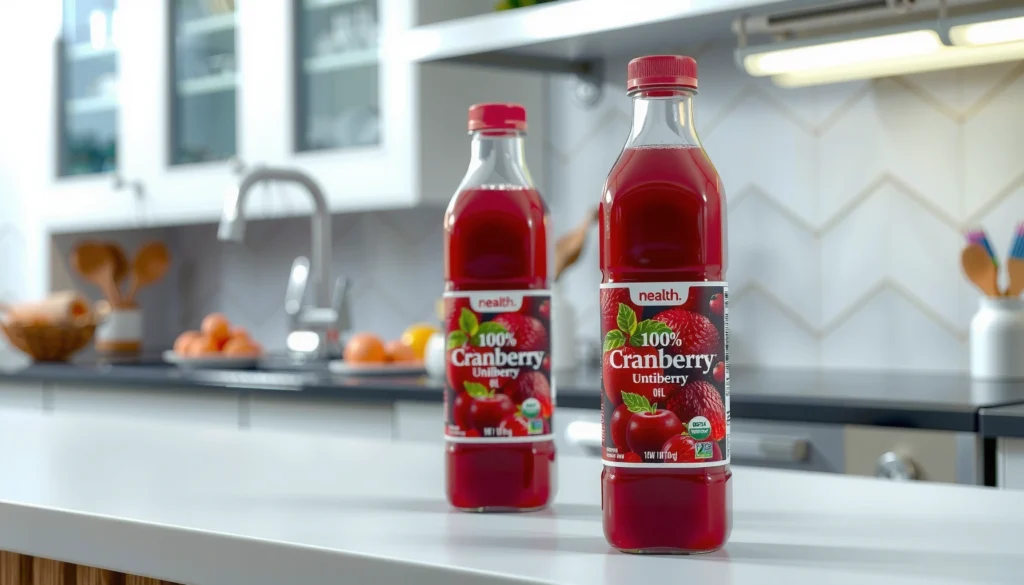

For diabetics looking to enjoy cranberry juice, the best choice is typically unsweetened 100% cranberry juice or varieties explicitly labeled “sugar-free” or “diet.” The key insight is that while cranberries offer health benefits, the added sugars in most commercial cranberry juice products make them unsuitable for blood sugar management. This guide will help you understand what to look for and how to make an informed choice for your dietary needs.



Why Cranberry Juice Matters for Diabetics
Cranberries are small, tart berries lauded for their robust nutritional profile and potential health benefits, which can be appealing to individuals managing diabetes. The primary draw often lies in their renowned ability to help prevent urinary tract infections (UTIs). This is attributed to compounds called proanthocyanidins (PACs), which prevent bacteria, particularly E. coli, from adhering to the walls of the urinary tract. For diabetics, who may have a higher susceptibility to infections due to compromised immune function or elevated glucose levels in urine, this protective quality is particularly valuable. Beyond UTI prevention, cranberries are rich in antioxidants, including flavonoids and polyphenols, which combat oxidative stress and inflammation, potentially contributing to cardiovascular health and overall cellular well-being—factors critical for individuals prone to diabetes-related complications.
However, recognizing the critical importance of monitoring sugar and carbohydrate intake is paramount for effective blood glucose management. The glycemic impact of consumed foods directly influences blood sugar levels, and consistent high blood sugar can lead to severe health complications over time. For this reason, not all cranberry juice products are created equal or suitable for a diabetic diet. It is essential to differentiate between “cranberry juice cocktail” and “100% pure cranberry juice.” Cranberry juice cocktail, the most common form found on supermarket shelves, is typically a blend that contains a small percentage of actual cranberry juice, often diluted with water and heavily sweetened with significant amounts of added sugars like high-fructose corn syrup. These products can contain as much sugar as a soda and are highly detrimental to blood glucose control. In stark contrast, 100% pure cranberry juice contains only the natural sugars found in the fruit and no added sweeteners. While it still contains natural carbohydrates, its impact on blood sugar is considerably less dramatic than its “cocktail” counterpart, making it the only viable option for diabetics to consider.
Deciphering Cranberry Juice Labels
Navigating the myriad of options in the juice aisle requires a discerning eye, especially when managing diabetes. Your primary directive should be to prioritize products clearly labeled as “100% Cranberry Juice” or “Unsweetened.” These declarations are crucial indicators that the product contains only juice extracted directly from cranberries, without the addition of water, other cheaper fruit juices, or, most importantly, added sugars. Be wary of marketing terms like “reduced sugar” or “light,” as these can still contain significant amounts of sweeteners, just less than their full-sugar counterparts. The gold standard is a label that unambiguously states “100% Juice” and “Unsweetened.”
Beyond these headline claims, a careful examination of the “Nutrition Facts” panel is non-negotiable. This panel provides the factual breakdown of the juice’s nutritional content per serving, which is vital for effective blood glucose management. Focus intently on two key metrics: “Total Carbohydrates” and “Sugars.” For diabetics, the goal is to minimize both of these. Ideally, for cranberry juice, you should look for options with 0 grams of “Added Sugars.” While “Total Sugars” will still be present due to naturally occurring fruit sugars (fructose), a product with 0 grams of “Added Sugars” ensures you’re not consuming unnecessary sweeteners that will spike your blood glucose. Pay close attention to the serving size listed; sometimes manufacturers list very small serving sizes to make the sugar content appear lower than it would be in a realistic portion. Always calculate the impact based on your actual consumption.
Finally, a deep dive into the “Ingredients List” is imperative. This section reveals precisely what has gone into the juice. Your objective is to avoid juices that list any form of added sugar as one of the primary ingredients. Common culprits include high-fructose corn syrup, sucrose, cane sugar, corn syrup, glucose, dextrose, brown rice syrup, or even fruit juice concentrates (when used as a sweetener rather than as a natural component of 100% juice). The shorter and simpler the ingredients list, the better. For pure, unsweetened 100% cranberry juice, the ingredient list should ideally state only “cranberry juice” or “100% cranberry juice.” Any other sugars or artificial ingredients indicate a product unsuitable for strict diabetic dietary guidelines.
Safe Sweeteners and What to Avoid
When unsweetened 100% cranberry juice proves too tart for some palates, consumers often seek alternatives with added sweeteners. For diabetics, the choice of sweetener is critical. The optimal scenario is to opt for juices with no added sweeteners whatsoever, embracing the natural tartness or diluting it. However, if a sweetened option is desired, choose those that utilize natural, calorie-free alternatives such as stevia or erythritol. Stevia, derived from the stevia plant, and erythritol, a sugar alcohol found naturally in some fruits, are generally considered safe for diabetics because they are not metabolized by the body in a way that raises blood glucose levels. They provide sweetness without the caloric or glycemic load of sugar. While these can be good options, moderation is still key. Even calorie-free sweeteners can contribute to a preference for very sweet foods, and their long-term effects on taste perception or gut microbiome are still subjects of ongoing research.
Conversely, significant caution is advised regarding artificial sweeteners like sucralose (Splenda), aspartame (NutraSweet, Equal), and saccharin (Sweet’N Low). While these artificial compounds are also calorie-free and do not directly impact blood sugar levels in the short term, their long-term effects are less clear and remain areas of active scientific investigation. Some studies suggest potential associations with alterations in gut microbiota, which in turn could indirectly influence glucose metabolism and insulin sensitivity. Other research explores whether they might induce a metabolic response that increases cravings for sugary foods or affects the body’s ability to regulate glucose. Given these uncertainties, and the general recommendation for diabetics to minimize processed foods and artificial additives, it’s prudent to limit or avoid juices that rely on these sweeteners.
It is also crucial to remember that even 100% pure fruit juice, including unsweetened cranberry juice, contains natural sugars, primarily fructose. While fructose has a lower glycemic index than glucose, it still contributes to your overall carbohydrate count and caloric intake. For instance, an 8-ounce serving of pure unsweetened cranberry juice can contain approximately 12-15 grams of natural sugars and carbohydrates. This amount, while significantly lower than a sugar-sweetened cocktail, is not negligible and must be factored into your daily carbohydrate budget. Consuming excessive quantities, even of unsweetened 100% juice, can still impact blood glucose levels, particularly if not accounted for in meal planning. Therefore, portion control is always essential, even with the most diabetic-friendly options.
Identifying Diabetic-Friendly Cranberry Juice Options
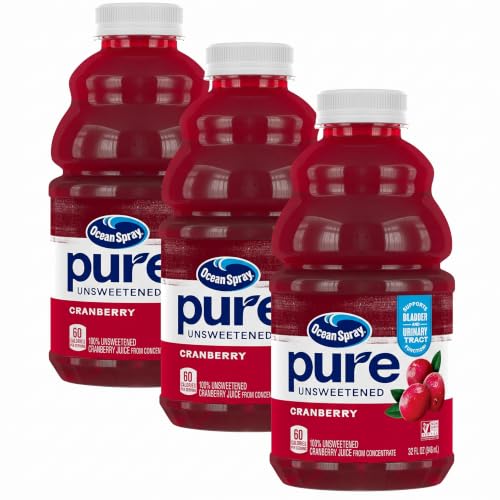
Identifying truly diabetic-friendly cranberry juice options requires a blend of label literacy and an understanding of what constitutes an optimal choice for blood sugar management. Your top choice should unequivocally be pure, unsweetened 100% cranberry juice. This is the closest you can get to the natural fruit in liquid form, offering the full spectrum of cranberry benefits without any added sugars or artificial ingredients. While its tart taste can be quite pronounced, this is a hallmark of its purity and lack of sweetening agents. Brands like Ocean Spray 100% Pure Cranberry Juice (not the “Cranberry Juice Drink” or “Cocktail”) or Northland 100% Cranberry Juice are good examples to look for. Always double-check the label to ensure it explicitly states “unsweetened” and “100% juice.”
Beyond pure, unsweetened options, you can also look for specific “diet” or “sugar-free” cranberry juice blends that are formulated to have zero or very low added sugars. These products are designed with diabetic consumers in mind, often substituting traditional sugars with zero-calorie sweeteners like stevia, erythritol, or monk fruit. When considering these, apply the label-reading principles discussed earlier: scrutinize the “Nutrition Facts” panel for 0 grams of added sugar and a minimal total carbohydrate count. Also, check the ingredients list to verify the type of sweetener used, favoring natural, calorie-free options over artificial ones. Some brands specifically market “light” or “diet” versions that explicitly state “no sugar added” or “sugar-free,” making them easier to identify.
Finally, consider exploring organic or specialty health food brands. These brands often pride themselves on offering more transparent and healthier juice options, frequently featuring products with simpler ingredient lists, no artificial additives, and a commitment to minimal processing. While not all organic options are sugar-free, you may find a broader selection of pure, unsweetened cranberry juices or those sweetened with acceptable alternatives in these specialty stores or sections. These brands tend to cater to health-conscious consumers and may provide more detailed information about their sourcing and production methods. However, regardless of the brand or whether it’s organic, the fundamental rule remains: meticulously read every label to ensure the product aligns with your diabetic dietary requirements for low or zero added sugars and controlled carbohydrate content.
Smart Ways to Enjoy Cranberry Juice
Even with the careful selection of unsweetened 100% cranberry juice, strategic consumption is key for individuals managing diabetes. The principle of strict portion control is paramount, even with varieties containing only natural fruit sugars. While better than added sugars, these natural sugars still contribute to your overall carbohydrate intake and can impact blood glucose levels if consumed in large quantities. A sensible serving size for diabetics is typically around 2-4 ounces, or half a cup, to reap the benefits without undue blood sugar spikes. It is advisable to monitor your blood glucose response after consuming cranberry juice, as individual metabolic reactions can vary.
To mitigate the intense tartness of pure, unsweetened cranberry juice and further manage sugar concentration, consider diluting your serving. This is an excellent strategy to make the juice more palatable and stretch your portion without adding unwanted calories or sugars. You can dilute it with plain water, sparkling water, seltzer, or club soda. For example, mixing 2 ounces of unsweetened cranberry juice with 4-6 ounces of sparkling water creates a refreshing, low-carb spritzer that is significantly less tart. Adding a slice of lemon or lime can further enhance the flavor without impacting blood sugar. This method also helps to increase your fluid intake, which is beneficial for overall health.
Beyond drinking it straight or diluted, there are creative ways to incorporate small amounts of cranberry juice into your diet. For instance, a splash of unsweetened cranberry juice can be a vibrant addition to a diabetic-friendly smoothie, especially when blended with protein powder, fibrous vegetables like spinach, and healthy fats like avocado or chia seeds. The fiber and protein in these additions can help slow the absorption of the juice’s natural sugars, further stabilizing blood glucose. You can also use it as a mixer for other unsweetened beverages, such as iced tea or herbal infusions, or even as a base for sugar-free mocktails. In culinary applications, a small amount can add a tangy note to salad dressings, marinades for poultry, or sauces for savory dishes, where the amount per serving would be minimal. These methods allow you to enjoy the flavor and benefits of cranberries without consuming significant quantities of their natural sugars in one sitting.
Important Considerations and Medical Advice
While choosing unsweetened 100% cranberry juice is a smart move for diabetics, it’s crucial to be mindful that even “no added sugar” 100% juices contribute natural sugars. As previously discussed, an 8-ounce serving can still contain 12-15 grams of carbohydrates from naturally occurring fructose. This means that moderation is not just a suggestion but a critical component for effectively managing blood glucose levels. Integrating cranberry juice into your diet necessitates careful carbohydrate counting and consideration of your overall daily carbohydrate allowance. It should be treated as a carbohydrate-containing beverage, similar to other fruit juices, rather than a free-to-consume drink like water. Overconsumption, even of the unsweetened variety, can still lead to undesirable blood sugar fluctuations.
Furthermore, a significant medical consideration is the potential for drug interactions, particularly if you are on blood thinners like warfarin (Coumadin). Cranberry juice, and cranberries in general, can intensify the effects of warfarin, leading to an increased risk of bleeding. The exact mechanism is not fully understood but is thought to involve the inhibition of certain liver enzymes responsible for metabolizing warfarin, thus prolonging its action in the body. This interaction can be serious, potentially causing excessive bruising, nosebleeds, or internal bleeding. Therefore, if you are prescribed warfarin or any other anticoagulant medication, it is absolutely essential to discuss cranberry juice consumption with your healthcare provider before incorporating it into your diet.
Finally, and most importantly, always consult with your healthcare provider or a registered dietitian before making significant changes to your diet, particularly when managing a chronic condition like diabetes. A healthcare professional can provide personalized dietary advice tailored to your specific health profile, medication regimen, and blood glucose targets. A registered dietitian, especially one specializing in diabetes (a Certified Diabetes Educator – CDE), can help you understand carbohydrate counting, meal planning, and how various foods, including cranberry juice, fit into your individualized management plan. They can also offer guidance on potential drug-nutrient interactions and help you develop a safe and effective eating strategy that supports your overall health goals. Relying on expert medical advice ensures that your dietary choices are safe, effective, and align with the best practices for diabetes care.
Choosing the right cranberry juice for diabetes involves a keen eye on nutrition labels, prioritizing unsweetened and 100% pure options, and practicing moderation. While the health benefits of cranberries are appealing, avoiding hidden sugars is paramount for blood sugar control. Empower yourself by making informed choices, but always ensure your dietary adjustments align with the personalized advice from your doctor or a registered dietitian.
Frequently Asked Questions
Can diabetics safely drink cranberry juice, and what should they look for when choosing a brand?
Yes, individuals with diabetes can safely drink cranberry juice, but it’s crucial to select the right kind to avoid blood sugar spikes. The primary factor to look for is “100% pure unsweetened cranberry juice” with no added sugars or artificial sweeteners. Always check the nutrition label for total carbohydrates and added sugars per serving.
Which type of cranberry juice is considered the best for diabetics to help manage blood sugar levels?
The best cranberry juice for diabetics is 100% pure, unsweetened cranberry juice, often labeled as “original” or “tart.” Avoid “cranberry juice cocktail,” “light,” or “diet” versions that may contain significant amounts of added sugar, high-fructose corn syrup, or potentially problematic artificial sweeteners. Focusing on low-carb and no-added-sugar options is paramount for blood sugar management.
How can a diabetic identify cranberry juice without hidden sugars or high carbohydrate counts?
To identify a suitable cranberry juice, always meticulously read the nutrition facts panel and ingredient list. Look for “100% cranberry juice” or “pure cranberry” and verify that “added sugars” is 0 grams and that the total carbohydrate count is minimal. Ingredients lists should only contain cranberries and water, without any added sweeteners like corn syrup, cane sugar, or fruit juice concentrates.
What are the potential health benefits of unsweetened cranberry juice for individuals with diabetes, beyond blood sugar concerns?
Unsweetened cranberry juice offers several potential health benefits, particularly its well-known ability to help prevent urinary tract infections (UTIs) due to compounds like proanthocyanidins (PACs). Furthermore, cranberries are rich in antioxidants, which can support overall health and potentially contribute to cardiovascular health, all while being a low-sugar option when consumed in its pure form.
How much unsweetened cranberry juice is a safe serving size for diabetics, and are there any alternatives if juice isn’t preferred?
A typical safe serving size of unsweetened cranberry juice for diabetics is about 4 to 8 ounces, ideally diluted with water, and consumed in moderation to monitor individual blood sugar responses. If cranberry juice isn’t preferred or practical, alternatives include consuming fresh or frozen cranberries in small portions, or considering cranberry extract supplements, which offer concentrated benefits without the liquid volume.
References
- https://diabetes.org/healthy-living/recipes-nutrition/eating-well/beverages
- https://www.cdc.gov/diabetes/library/features/drinks.html
- Vitamin B-12 injections for weight loss: Do they work? – Mayo Clinic
- https://www.health.harvard.edu/blog/eat-the-rainbow-cranberries-202311202996
- Not Found | American Heart Association | American Heart Association
- https://extension.psu.edu/foods-to-limit-or-avoid-with-diabetes
- https://www.ucsfhealth.org/education/nutrition-tips-for-people-with-diabetes



Pingback: Best Fiber Supplement for Type 2 Diabetes: Top Picks - Best For Diabetics
Pingback: Best Food to Prevent Diabetes: Top Choices to Help Reduce Risk - Best For Diabetics
Pingback: Best Foods for Diabetic Cats: What to Feed for Stable Blood Sugar - Best For Diabetics
Pingback: Best Honey for Diabetic Patients: What to Choose and Avoid - Best For Diabetics
Pingback: Best Liquid Coffee Creamer for Diabetics: Top Picks & Tips - Best For Diabetics
Pingback: Best Milk for Diabetics to Drink: Top Choices and How to Pick - Best For Diabetics
Pingback: Best Protein Bar for Gestational Diabetes: What to Choose - Best For Diabetics
Pingback: Best Red Wine for Diabetes: What to Choose and What to Avoid - Best For Diabetics
Pingback: Best Sugar Substitute for Type 2 Diabetes: Top Options - Best For Diabetics
Pingback: Best Sweetener for Type 2 Diabetes: What to Choose - Best For Diabetics
Pingback: Best Teas for Diabetes: Top Options to Support Blood Sugar - Best For Diabetics
Pingback: Best Whole Grains for Diabetics: Top Picks for Blood Sugar Control - Best For Diabetics
Pingback: Best Apples for Diabetics: What Apples Are Best for Diabetics - Best For Diabetics
Pingback: Which Dates Are Best for Diabetes? - Best For Diabetics
Pingback: Best Beer for a Diabetic: What to Choose and What to Avoid - Best For Diabetics
Pingback: Best Bread to Eat With Diabetes: Smart Choices for Blood Sugar - Best For Diabetics
Pingback: Best Breakfast for Diabetes Type 2: Simple, Blood-Sugar-Friendly Options - Best For Diabetics