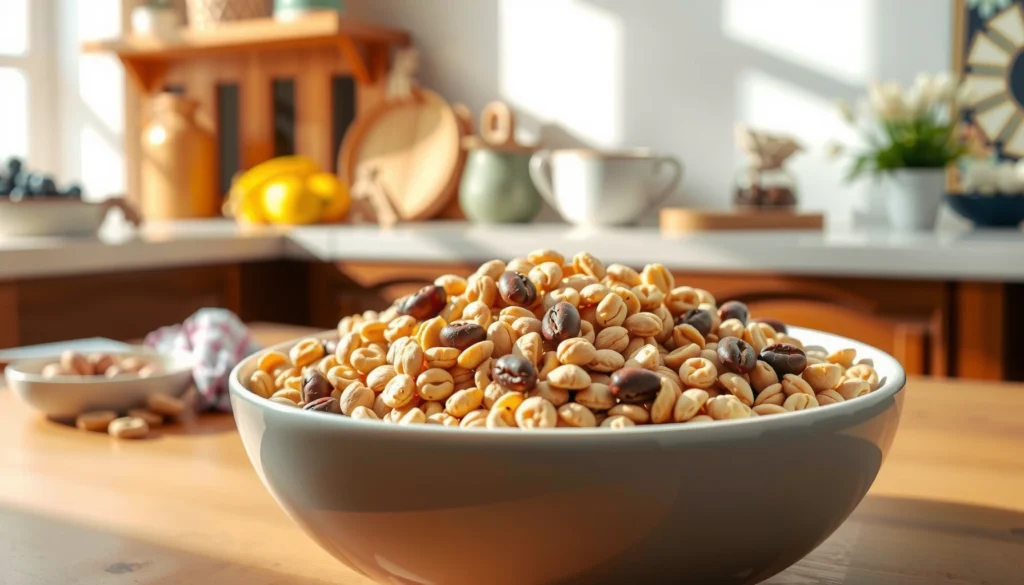

For individuals managing diabetes, the best cereals are those low in added sugar, high in fiber, and made primarily from whole grains. These options are crucial for stabilizing blood sugar levels, promoting satiety, and providing sustained energy throughout the morning, significantly contributing to overall glycemic control and long-term health management. This guide will walk you through top cereal recommendations and essential tips for making smart, diabetes-friendly breakfast choices, empowering you to navigate the cereal aisle with confidence.




Understanding Cereal and Diabetes Management
Effective diabetes management hinges on making informed dietary choices, and breakfast cereal, a common staple, often presents a significant challenge. Understanding the nuances of cereal composition and its impact on blood glucose is paramount.
* The Challenge with Cereal: Many popular cereals, particularly those marketed towards convenience or children, are unfortunately laden with refined carbohydrates and excessive added sugars. Refined carbohydrates, such as white flour or corn grits, are rapidly digested and absorbed into the bloodstream, leading to swift and significant blood sugar spikes. This rapid increase triggers a surge in insulin production, which, over time, can contribute to insulin resistance and complicate glycemic control for individuals with diabetes. Moreover, high sugar content adds caloric density without providing substantial nutritional value, contributing to weight gain and poor metabolic health.
* What to Prioritize: To counter these challenges, individuals with diabetes should strategically prioritize cereals rich in dietary fiber, made predominantly from whole grains, and containing minimal added sugars. Fiber, particularly soluble fiber, slows down the digestion and absorption of carbohydrates, leading to a more gradual and sustained rise in blood sugar levels. Whole grains offer complex carbohydrates that are processed more slowly than refined grains, providing a steady release of energy and preventing abrupt glucose fluctuations. Minimizing added sugars directly reduces the immediate glucose load and helps avoid unnecessary caloric intake that can hinder weight management.
* Glycemic Index (GI) Awareness: The Glycemic Index (GI) is a valuable tool for understanding how different carbohydrate-containing foods impact blood sugar levels. It ranks foods on a scale from 0 to 100 based on how quickly they raise blood glucose after consumption. Foods with a high GI (70 or more) cause rapid and significant blood sugar spikes, while those with a low GI (55 or less) have a slower, more gradual impact, making them highly preferable for diabetes management. Understanding and applying GI principles to cereal selection can significantly aid in maintaining stable glucose levels, thereby reducing the risk of both hyperglycemia and hypoglycemia throughout the day. For instance, plain rolled oats have a lower GI than instant sweetened oats.
Top Cereal Choices for Blood Sugar Control
Selecting the right cereal can significantly impact morning blood sugar levels. Focusing on minimally processed, high-fiber options is key.
* Plain Rolled or Steel-Cut Oats: Oats are consistently recognized as a superior choice for individuals with diabetes, particularly in their plain, unprocessed forms. They are an excellent source of soluble fiber, specifically beta-glucan. Beta-glucan forms a gel-like substance in the digestive tract, which effectively slows down the emptying of the stomach and the absorption of glucose into the bloodstream. This leads to a more gradual rise in blood sugar and helps maintain stable levels for longer periods. Steel-cut oats, being the least processed, have the lowest glycemic index, followed by rolled oats. Instant oats, while convenient, are often pre-cooked and finely cut, leading to a higher GI. Always opt for plain varieties and avoid pre-sweetened or flavored oatmeals, which can contain substantial amounts of added sugars.
* Shredded Wheat (Plain, Unsweetened): Original shredded wheat, consisting solely of 100% whole grain wheat, stands out as another excellent diabetes-friendly cereal. Its inherent composition makes it naturally high in dietary fiber and virtually free of added sugars when chosen in its plain, unsweetened form. The large, whole-grain biscuits require more time to digest, contributing to a feeling of fullness and a slower, more controlled release of glucose. It is imperative to scrutinize the packaging carefully, as many variations of shredded wheat now exist, including frosted or fruit-flavored versions, which negate the health benefits due to their high sugar content. The simplicity of plain shredded wheat is its strength.
* High-Fiber Bran Cereals (e.g., All-Bran, Fiber One): Cereals specifically formulated for high fiber content, such as Kellogg’s All-Bran or Fiber One, can be highly beneficial for diabetes management. These cereals typically derive their substantial fiber from wheat bran, psyllium, or other plant-based sources. The high fiber content not only aids in digestive regularity but also plays a critical role in blood sugar regulation by slowing down carbohydrate digestion and absorption. This contributes to better glycemic control and can enhance satiety, helping with weight management. When choosing these cereals, it’s crucial to compare brands and types, as some “high-fiber” options might still contain surprising amounts of added sugars. Always select the unsweetened or very low-sugar varieties and check the nutrition label meticulously.
Key Nutritional Metrics for Diabetics
Navigating the cereal aisle requires a keen understanding of specific nutritional metrics that are most impactful for diabetes management.
* Fiber Content is King: For individuals managing diabetes, dietary fiber is arguably the most critical nutrient to prioritize in cereal selection. Fiber slows down the rate at which carbohydrates are digested and absorbed, preventing rapid blood glucose spikes and promoting a more stable glycemic response. It also contributes significantly to satiety, helping to manage appetite and prevent overeating, which is crucial for weight control. Aim for cereals that offer at least 3-5 grams of fiber per serving, with higher amounts being even more beneficial. Both soluble fiber (found in oats, barley) and insoluble fiber (found in wheat bran, whole grains) play vital roles, contributing to improved gut health and blood sugar regulation.
* Scrutinize Added Sugars: This metric cannot be overstated. Added sugars contribute empty calories and lead to immediate and substantial increases in blood glucose, making them detrimental for diabetes management. Manufacturers often add various forms of sugar to enhance palatability, even in seemingly “healthy” options. A diligent approach requires looking for cereals with less than 5 grams of added sugar per serving; however, ideally, the goal should be to find options with 0-2 grams. Consuming excess added sugar not only impacts immediate blood sugar but also contributes to inflammation, liver fat accumulation, and increased risk of cardiovascular disease, further complicating diabetes.
* Whole Grains First: The primary ingredient in your cereal should ideally be a whole grain. This signifies that the grain kernel – comprising the bran, germ, and endosperm – is intact, retaining its full complement of fiber, vitamins, minerals, and antioxidants. Examples include whole wheat, whole oats, brown rice, quinoa, and barley. In contrast, refined grains (e.g., white flour, cornmeal) have had the bran and germ removed, stripping away much of their nutritional value and fiber, leading to quicker digestion and a higher glycemic impact. Always ensure “whole grain” is listed as the first ingredient on the ingredient list to guarantee a complex carbohydrate base that supports sustained energy and stable blood sugar.
Mastering the Nutrition Label
The nutrition label is your most powerful tool in making informed cereal choices. Understanding how to interpret it accurately is essential for effective diabetes management.
* Check Serving Sizes: One of the most common pitfalls when evaluating cereal is overlooking the listed serving size. Manufacturers often list serving sizes that are considerably smaller than what many individuals typically consume in a bowl. For example, a “serving” might be 1/2 cup, while a standard breakfast portion might be 1 cup or more. It is crucial to be mindful of the listed serving size and to calculate the actual carbohydrate, sugar, and fiber intake based on your actual portion. Miscalculating serving sizes can lead to significant overestimation of carbohydrate intake, resulting in unexpected blood sugar spikes and poor glycemic control. Always measure your portions, especially when first trying a new cereal, to ensure accuracy.
* Identify Hidden Sugars: Food manufacturers are adept at disguising added sugars under various names to make products appear healthier. Beyond obvious terms like “sugar” or “high-fructose corn syrup,” be vigilant for ingredients such as corn syrup, dextrose, fructose, maltose, sucrose, glucose, maltodextrin, cane sugar, evaporated cane juice, brown rice syrup, molasses, or anything ending in “-ose.” These are all forms of added sugar that contribute to blood glucose elevation. A long list of such ingredients, especially near the beginning of the ingredient list, is a red flag, indicating a cereal that is likely high in hidden sugars and thus unsuitable for diabetes management.
* Total Carbohydrates and Net Carbs: The “Total Carbohydrates” line on the nutrition label indicates the total amount of carbohydrates in a serving, including sugars, starches, and fiber. For individuals managing diabetes, monitoring total carbohydrate intake is fundamental. Some dietary approaches, particularly low-carbohydrate plans, also consider “net carbs,” which are calculated by subtracting the grams of dietary fiber (and sometimes sugar alcohols) from the total carbohydrates. The rationale is that fiber is not digested and absorbed in the same way as other carbohydrates, thus having less impact on blood sugar. While net carb counting can be a useful strategy for some, it is vital to consult with a healthcare provider or a registered dietitian to determine if this approach is appropriate for your individual diabetes management plan, as the impact of different fibers and sugar alcohols can vary.
Enhancing Your Cereal Bowl (Diabetes-Friendly)
While choosing the right base cereal is paramount, strategic additions can further improve its nutritional profile and glycemic impact, turning a good choice into an excellent one.
* Boost Protein and Healthy Fats: Incorporating sources of protein and healthy fats into your cereal bowl is a highly effective strategy for increasing satiety and further stabilizing blood sugar levels. Both protein and fats slow down the rate of digestion and gastric emptying, leading to a more gradual absorption of glucose. This helps to prevent rapid blood sugar spikes and keeps you feeling fuller for longer, reducing the likelihood of mid-morning hunger pangs and subsequent snacking. Consider adding a small handful of nuts such as almonds, walnuts, or pecans; a tablespoon of chia seeds or ground flaxseeds; or a generous dollop of plain, unsweetened Greek yogurt. These additions provide essential nutrients, healthy fats, and protein without significantly increasing the carbohydrate load.
* Incorporate Fresh Berries: Fresh berries are an excellent diabetes-friendly choice for adding natural sweetness, vibrant flavor, and a wealth of beneficial nutrients to your cereal. Unlike many other fruits, berries typically have a lower glycemic index due to their high fiber and water content. They are also packed with antioxidants, which can help combat oxidative stress often associated with diabetes. A serving of strawberries, blueberries, raspberries, or blackberries can significantly boost the fiber content of your breakfast, contributing to better blood sugar control. Their natural sweetness can also satisfy cravings without the need for added sugars, making them a superior alternative to dried fruits which are often concentrated in sugar.
* Choose Unsweetened Milks: The liquid base for your cereal can significantly impact its overall sugar content. Many popular milk alternatives and even some dairy milks contain added sugars that can quickly add up. To maintain a diabetes-friendly profile, always opt for unsweetened versions of your preferred milk. This includes unsweetened almond milk, unsweetened soy milk, unsweetened oat milk, or plain dairy milk (which contains natural lactose but no added sugars). Carefully check the nutrition labels, as even “original” or “vanilla” flavored plant-based milks often contain surprisingly high amounts of added sugars. Choosing unsweetened options ensures that you are not inadvertently consuming hidden sugars that could negatively impact your blood glucose levels.
Cereals to Limit or Avoid
Just as important as knowing what to choose is understanding what to avoid. Certain cereal categories can undermine diabetes management efforts.
* Sugary Frosted and Flavored Cereals: These are perhaps the most obvious cereals to avoid for individuals with diabetes. Products like Frosted Flakes, Fruit Loops, Lucky Charms, or any cereal with a visible sugary coating or “flavor crystals” are typically very high in added sugars and often made from refined grains. Their nutritional profile is designed for taste appeal rather than health, leading to immediate and sharp blood sugar spikes due to their rapid carbohydrate absorption. Such cereals offer minimal fiber and protein, resulting in a fleeting sense of satisfaction followed by a rapid return of hunger, making them detrimental for glycemic control and overall dietary balance.
* Highly Processed, Low-Fiber Options: Many cereals, even those not overtly frosted or fruit-flavored, fall into the category of highly processed, low-fiber options. These often include cereals made primarily from refined flours (e.g., corn grits, white rice flour) and puffed or crisped grains that have been stripped of their beneficial bran and germ. Examples might include corn flakes or puffed rice cereals. While they may not always be overtly sugary, their high glycemic load means they offer little nutritional value, provide poor satiety, and lead to quick digestion and subsequent blood sugar surges. They lack the complex carbohydrates and fiber necessary to support stable glucose levels and sustained energy release.
* Fruit-Flavored Yogurts or Dried Fruits: While fresh fruits and plain yogurt can be healthy additions, caution is advised when it comes to fruit-flavored yogurts and dried fruits as cereal toppings. Fruit-flavored yogurts are notorious for their high added sugar content, often containing several teaspoons of sugar per serving, which can significantly elevate the total sugar load of your breakfast. Similarly, dried fruits, such as raisins, cranberries, or dates, while naturally occurring, are highly concentrated in natural sugars. When water is removed, the sugar content per serving increases dramatically compared to their fresh counterparts. Even a small handful can contribute a substantial amount of carbohydrates and sugars, making them less suitable for blood sugar management unless consumed in very strict, measured moderation. Opting for fresh berries is almost always a superior choice.
Choosing the right cereal for diabetes doesn’t have to be complicated. By consistently prioritizing whole grains, high fiber, and minimal added sugars, you can enjoy a satisfying and blood sugar-friendly breakfast that supports your health goals. Always remember to meticulously check nutrition labels, practice careful portion control, and consider enhancing your cereal bowl with protein, healthy fats, and fresh berries to further optimize its glycemic impact. For personalized dietary advice and to ensure your choices align with your specific health needs, it is always recommended to consult with your healthcare provider or a registered dietitian.
Frequently Asked Questions
What is the best type of cereal for individuals managing diabetes?
The best type of cereal for managing diabetes is typically one made from 100% whole grains, high in fiber, and very low in added sugars. These cereals help stabilize blood glucose levels by slowing down digestion and sugar absorption, preventing sharp spikes. Look for options with minimal processing and no artificial sweeteners for optimal diabetes-friendly nutrition.
How can I identify a diabetes-friendly cereal by reading the nutrition label?
When reading the nutrition label, prioritize cereals with at least 3-5 grams of fiber per serving and less than 5 grams of added sugar. Also, check the ingredient list to ensure whole grains (like whole oats, whole wheat, or brown rice) are listed first, avoiding those where refined grains or various forms of sugar are primary ingredients. Pay attention to the serving size and total carbohydrate count to align with your dietary plan.
Why is choosing the right cereal crucial for managing blood sugar levels with diabetes?
Choosing the right cereal is crucial because high-sugar, refined grain cereals can cause rapid and significant spikes in blood sugar levels, making diabetes management challenging. Opting for high-fiber, whole-grain options helps maintain more stable blood glucose by slowing down carbohydrate digestion and absorption. This proactive approach to diet helps prevent hyperglycemia and its associated long-term complications.
Which specific nutrients are most important to look for in a cereal suitable for diabetes?
For a diabetes-friendly cereal, the most important nutrients to prioritize are fiber and protein, while minimizing added sugars. Fiber is essential for blood sugar control and digestive health, typically aiming for 3-5 grams per serving or more. Protein helps increase satiety and further slows glucose absorption, making it a valuable addition to your breakfast.
What are some common examples of cereals generally recommended for people with diabetes?
Generally recommended cereal examples for people with diabetes include plain rolled or steel-cut oats, unsweetened shredded wheat, and certain high-fiber bran cereals. These options are typically rich in whole grains and fiber, contributing to better blood sugar control. Always ensure to check the specific product’s nutrition label for added sugars, as formulations can vary between brands.
References
- https://www.diabetes.org/healthy-living/recipes-nutrition/eating-well/breakfast-cereals-and-diabetes-what-to-know
- Vegetarian diet: Can it help me control my diabetes? – Mayo Clinic
- https://health.clevelandclinic.org/what-is-the-best-cereal-for-people-with-diabetes/
- https://extension.illinois.edu/healthy/articles/best-cereals-diabetes
- https://www.health.harvard.edu/diseases-and-conditions/choosing-healthy-carbohydrates
- https://www.webmd.com/diabetes/best-and-worst-cereals-for-diabetes




Pingback: Best Meal Prep for Diabetics: Simple, Balanced Plans - Best For Diabetics