
When considering pasta for diabetics, the “best” options are those that are higher in fiber and protein, and lower on the glycemic index compared to traditional refined white pasta. This generally points to whole wheat, legume-based (like lentil or chickpea), and certain low-carb alternatives. These choices help manage blood sugar levels more effectively, promoting a more gradual rise and fall, and allowing individuals with diabetes to still enjoy pasta as part of a balanced diet. This article will guide you through making informed decisions to savor your favorite pasta dishes while prioritizing your health.


Understanding the Glycemic Index (GI) and Diabetes
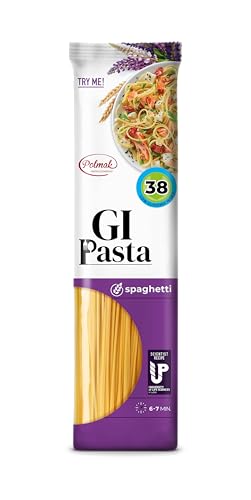
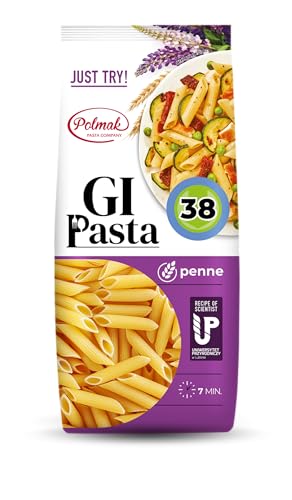
– What is the Glycemic Index? The Glycemic Index (GI) is a numerical ranking system developed to measure how quickly carbohydrate-containing foods are converted into glucose and absorbed into the bloodstream after consumption. Foods are assigned a value from 0 to 100, with pure glucose serving as the benchmark with a GI of 100. A high GI indicates that a food causes a rapid increase in blood sugar, while a low GI indicates a slower, more gradual rise. This ranking helps categorize foods based on their physiological impact on blood glucose levels. For instance, white bread typically has a high GI, whereas lentils have a low GI. Understanding this index is fundamental for individuals managing blood sugar levels.
– Why GI Matters for Diabetics: For individuals with diabetes, maintaining stable blood glucose levels is paramount for preventing both short-term complications, such as hyperglycemia, and long-term issues like cardiovascular disease, neuropathy, and kidney damage. Consuming high-GI foods can lead to abrupt and significant spikes in blood glucose, placing a substantial burden on the body’s insulin response, which is often impaired in diabetics. In contrast, low-GI foods facilitate a slower, more sustained release of glucose into the bloodstream. This gradual release allows the body, even with compromised insulin production or sensitivity, to manage blood sugar more effectively, promoting better glycemic control and reducing the risk of adverse health outcomes over time.
– Traditional Pasta’s Impact: Traditional white pasta, made from refined wheat flour, typically falls into the moderate to high GI category, with values often ranging from 40 to 60 depending on the specific type and cooking method. The refining process strips away the bran and germ from the wheat kernel, removing much of the dietary fiber, vitamins, and minerals. What remains is primarily the endosperm, which is rich in easily digestible starches. When consumed, these starches are rapidly broken down into glucose, leading to a quicker and more pronounced rise in blood sugar compared to less-processed alternatives. For diabetics, this rapid absorption can make blood sugar management challenging, requiring careful monitoring and potentially higher doses of insulin or medication.
Whole Wheat and Whole Grain Pastas
– Fiber-Rich Choice: Whole wheat pasta stands as a superior choice compared to its refined counterpart primarily due to its fiber content. Unlike refined pasta, which uses only the endosperm of the wheat kernel, whole wheat pasta is produced using the entire kernel—the bran, germ, and endosperm. The bran and germ are rich sources of dietary fiber, B vitamins, antioxidants, and trace minerals. This higher fiber content, particularly insoluble fiber, plays a crucial role in digestive health and blood sugar regulation. Fiber adds bulk to the diet, promoting satiety and aiding in gut motility, but its most significant benefit for diabetics lies in its ability to slow down the absorption of glucose.
– Slower Digestion: The presence of a significant amount of dietary fiber in whole wheat pasta creates a physical barrier within the digestive tract. This barrier slows down the enzymatic breakdown of starches into glucose and the subsequent absorption of glucose into the bloodstream. Consequently, instead of a rapid surge, blood sugar levels rise more gradually and remain stable for a longer period after a meal. This slower digestion contributes to a lower glycemic response, making whole wheat pasta a more suitable option for individuals managing diabetes. It also helps to prevent the “crash” often experienced after consuming high-GI carbohydrates, leading to sustained energy levels and reduced cravings.
– Label Reading: When selecting whole wheat pasta, vigilance in reading food labels is essential to ensure you are truly getting a fiber-rich, whole grain product. Always look for the words “100% whole wheat” or “100% whole grain” as the first ingredient on the packaging. This guarantees that no refined flours have been mixed in. Be wary of ambiguous terms such as “multigrain,” “wheat flour,” or “enriched wheat flour.” While “multigrain” sounds healthy, it merely means the product contains more than one type of grain, which may still be refined. “Wheat flour” often refers to refined white flour, and “enriched” indicates that nutrients lost during refining have been added back, but not the beneficial fiber. Opting for products explicitly stating “100% whole wheat” ensures you reap the maximum benefits for blood sugar management.
Legume-Based Pastas: A Protein and Fiber Powerhouse
– Variety of Sources: Legume-based pastas represent an innovative and highly beneficial category of pasta alternatives, offering significant nutritional advantages for diabetics. These pastas are crafted from flours derived from various legumes, including red lentils, green lentils, chickpeas (garbanzo beans), black beans, and edamame. Each type brings its unique flavor profile and subtle texture differences to the table, allowing for culinary versatility. For instance, chickpea pasta often has a slightly nutty flavor and firmer texture, while lentil pasta might be milder. The development of these pastas allows individuals to enjoy a traditional meal format while leveraging the superior nutritional profile of legumes.
– High in Protein and Fiber: The primary reason legume-based pastas are an excellent choice for diabetics is their exceptionally high content of both protein and dietary fiber. Legumes are naturally abundant in plant-based protein, which is vital for satiety, muscle repair, and metabolic health. Protein slows down gastric emptying, leading to a more gradual release of carbohydrates into the bloodstream and a blunted blood sugar response. Furthermore, these pastas are packed with fiber—both soluble and insoluble. Soluble fiber forms a gel-like substance in the digestive tract, further slowing glucose absorption, while insoluble fiber adds bulk and supports digestive regularity. This powerful combination of protein and fiber is far superior to traditional or even whole wheat pasta in terms of blood sugar regulation.
– Enhanced Blood Sugar Control: The synergistic effect of high protein and high fiber content in legume-based pastas makes them exceptionally effective for blood sugar control. When protein and fiber are consumed together, they significantly reduce the glycemic load of a meal. Protein requires more energy and time to digest, and fiber physically obstructs rapid carbohydrate breakdown, effectively “flattening” the blood sugar curve. This means that after eating legume-based pasta, blood glucose levels will rise more slowly and to a lesser extent than with other pasta types. For diabetics, this translates to better post-meal blood sugar management, reduced insulin demands, and a greater feeling of fullness, which can also aid in weight management. Research consistently supports the benefits of legume consumption for improved glycemic control.
Exploring Other Low-Carb Pasta Alternatives
– Shirataki/Konjac Noodles: Shirataki noodles, also known as konjac noodles, are perhaps the most radically low-carb pasta alternative available. Derived from glucomannan, a soluble dietary fiber found in the konjac plant root, these noodles are virtually calorie-free and carbohydrate-free. They contain no wheat or gluten and are composed primarily of water and fiber. Shirataki noodles have a distinctive somewhat rubbery or gelatinous texture and a neutral taste, making them highly versatile as they readily absorb the flavors of sauces and other ingredients. For diabetics seeking to drastically reduce carbohydrate intake, shirataki noodles offer an excellent base for various dishes without impacting blood sugar levels. Proper preparation usually involves rinsing them thoroughly to remove their unique odor and then boiling or sautéing them.
– Vegetable Noodles: Embracing whole, non-starchy vegetables as pasta replacements is a fantastic strategy to boost nutrient intake while significantly lowering carbohydrate content. Spiralized vegetables, often referred to as “zoodles” (from zucchini), “squash noodles” (from spaghetti squash), or even cucumber noodles, offer a fresh, vibrant, and nutrient-dense alternative. These vegetable-based noodles are rich in vitamins, minerals, antioxidants, and water, contributing to satiety and hydration without the carb load of traditional pasta. Spaghetti squash, in particular, cooks into spaghetti-like strands, making it a natural substitute. These alternatives are not only excellent for blood sugar management but also contribute significantly to meeting daily vegetable intake recommendations, adding a burst of flavor and texture to any meal.
– Almond or Lupin Flour Pastas: The market for low-carb alternatives has expanded to include pastas made from flours with a naturally lower carbohydrate profile than wheat. Almond flour and lupin flour are two notable examples. Almond flour, made from ground blanched almonds, is rich in healthy fats, protein, and fiber, and significantly lower in net carbohydrates than wheat flour. Lupin flour, derived from the lupin bean, is another high-protein, high-fiber, and very low-carb flour gaining popularity. Pastas made from these flours offer a texture closer to traditional pasta than vegetable or shirataki noodles, making them appealing for those who miss the mouthfeel of wheat pasta while adhering to a low-carb diet. These options are particularly suitable for individuals following ketogenic diets or those aiming for very strict carbohydrate control, though they may have higher calorie counts due to healthy fats.
Beyond the Pasta: Portion Control and Preparation
– Mindful Portion Sizes: Even with the most diabetic-friendly pasta options, portion control remains a cornerstone of effective blood sugar management. While whole wheat or legume-based pastas have a lower glycemic impact than refined white pasta, they still contain carbohydrates. Overconsumption, regardless of the pasta type, can lead to elevated blood glucose levels. A typical recommended serving size for cooked pasta is about ½ cup (approximately 75-100 grams cooked), which provides a manageable amount of carbohydrates. It is crucial to measure your pasta portion carefully using measuring cups or a food scale, rather than estimating. Integrating a balanced approach where pasta is a component of the meal, not the main focus, allows for enjoyable consumption without compromising health goals.
– Cook Al Dente: The way pasta is cooked can subtly influence its glycemic index. Cooking pasta “al dente,” meaning firm to the bite, rather than soft and overcooked, can actually result in a slightly lower glycemic response. When pasta is cooked al dente, its starch structure remains more intact and resilient. This firmer structure takes longer for digestive enzymes to break down into glucose, leading to a slower and more gradual absorption of sugar into the bloodstream. In contrast, overcooked, mushy pasta has a more broken-down starch structure, which is more readily digested and absorbed, potentially causing a quicker rise in blood sugar. Aim for that perfect al dente texture to optimize your pasta’s blood sugar impact.
– Pair with Protein and Healthy Fats: To further stabilize blood sugar levels and enhance satiety, always combine your chosen pasta with lean protein and healthy fats. Protein, such as grilled chicken, fish, tofu, tempeh, or lean ground turkey, slows down gastric emptying, meaning food stays in your stomach longer, leading to a more gradual release of carbohydrates into the bloodstream. Healthy fats, like those found in olive oil, avocado, nuts, or seeds, also contribute to slowing digestion and can improve insulin sensitivity. This synergistic pairing helps to flatten the post-meal blood sugar curve, preventing sharp spikes and promoting a feeling of fullness that can reduce subsequent cravings, making the meal more satisfying and blood-sugar-friendly.
Crafting a Diabetic-Friendly Pasta Meal
– Load Up on Non-Starchy Vegetables: Creating a truly diabetic-friendly pasta meal extends far beyond just the pasta itself. A critical strategy is to generously incorporate non-starchy vegetables. These vegetables, such as broccoli, spinach, bell peppers, mushrooms, asparagus, green beans, or zucchini, are incredibly rich in fiber, vitamins, and minerals, yet very low in carbohydrates. By adding a substantial volume of these vegetables to your pasta dish, you increase the meal’s fiber content, which further aids in blood sugar regulation and promotes satiety. This approach allows you to enjoy a larger, more satisfying meal without significantly increasing your carb count, transforming a potentially carb-heavy dish into a nutrient-dense, balanced plate.
– Choose Lean Protein Sources: The protein component of your pasta meal is crucial for managing blood sugar and ensuring satiety. Opt for lean protein sources that contribute to muscle maintenance and digestive slowing without excessive saturated fats. Excellent choices include grilled or baked chicken breast, flaky white fish like cod or tilapia, shrimp, lean ground turkey, or plant-based proteins such such as chickpeas, lentils, edamame, or firm tofu. These proteins, when consumed alongside carbohydrates, help to temper the glycemic response by slowing gastric emptying and contributing to a feeling of fullness. Aim for a portion size that provides adequate protein, typically around 3-4 ounces, to create a well-rounded and blood-sugar-stabilizing meal.
– Smart Sauce Choices: The sauce can often be a hidden culprit of added sugars and unhealthy fats in a pasta dish. To maintain a diabetic-friendly profile, avoid creamy, high-fat sauces (like Alfredo), and those loaded with added sugars (many bottled tomato sauces can contain surprisingly high amounts). Instead, prioritize fresh, homemade, or carefully selected healthier options. Tomato-based sauces are excellent, especially when made from scratch with fresh or canned crushed tomatoes, garlic, herbs, and plenty of non-starchy vegetables. Pesto, used in moderation due to its calorie density from olive oil and nuts, can also be a good choice. Olive oil and herb-based sauces, such as Aglio e Olio with sautéed vegetables, provide healthy fats and robust flavor without the carb or sugar overload. Always check labels for hidden sugars, high-fructose corn syrup, or excessive sodium when buying pre-made sauces.
Choosing the best pasta for diabetics involves prioritizing fiber-rich, protein-packed options like whole wheat, legume-based, and low-carb alternatives. Remember that successful blood sugar management also heavily relies on proper portion control, cooking methods that preserve the integrity of starches (like al dente), and pairing your pasta with plenty of non-starchy vegetables and lean proteins. By making informed choices about both the pasta itself and the overall meal composition, individuals with diabetes can continue to enjoy delicious and satisfying pasta dishes while effectively managing their blood glucose levels. Experiment with different types to find what you enjoy most, and always consult with your healthcare provider or a registered dietitian for personalized dietary advice tailored to your specific needs.
Frequently Asked Questions
What is the best type of pasta for diabetics to eat?
The best pasta for diabetics is typically whole wheat or legume-based varieties like lentil, chickpea, or edamame pasta. These options are significantly higher in fiber and protein compared to refined white pasta, which helps slow down glucose absorption and prevents sharp blood sugar spikes. Prioritizing pastas with a lower glycemic index (GI) is key for better blood sugar management.
How does regular pasta impact blood sugar levels for individuals with diabetes?
Regular white pasta, made from refined flour, is high in easily digestible carbohydrates that convert quickly into glucose, leading to rapid increases in blood sugar levels. This can challenge blood sugar management for individuals with diabetes, potentially requiring more insulin or medication to bring levels back into range. Its high glycemic index means a fast and significant post-meal blood glucose response.
Which low-carb pasta alternatives are suitable for a diabetic-friendly diet?
Excellent diabetic-friendly pasta alternatives include shirataki noodles, zucchini noodles (zoodles), and spaghetti squash, all of which are very low in carbohydrates and calories. These options provide texture and volume similar to traditional pasta without significantly impacting blood sugar levels. They are versatile bases for sauces and can help satisfy pasta cravings while supporting glucose control.
Why is choosing a low glycemic index pasta important for managing diabetes?
Choosing low glycemic index (GI) pasta is crucial for diabetes management because these foods release glucose into the bloodstream more slowly and steadily. This helps prevent the rapid blood sugar spikes and subsequent crashes often associated with high-GI foods. A more stable blood sugar level reduces strain on insulin production and contributes to better long-term health outcomes for diabetics.
What practical strategies can help diabetics enjoy pasta while managing blood sugar?
Diabetics can enjoy pasta by practicing strict portion control, opting for whole-grain or legume-based varieties, and cooking it al dente to further lower its GI. Pairing pasta with ample lean protein (like chicken or beans) and healthy fats (like olive oil) can also slow carbohydrate absorption, while loading up on non-starchy vegetables boosts fiber content and meal satisfaction without excess carbs.
References
- https://health.clevelandclinic.org/healthy-pasta-alternatives-for-diabetics/
- https://diabetes.org/food-and-fitness/what-can-i-eat/making-healthy-food-choices/pasta-and-diabetes
- https://www.ucsfhealth.org/education/healthy-swaps-pasta
- https://diabetes.org/food-and-fitness/what-can-i-eat/making-healthy-food-choices/whole-grains-and-diabetes
- Diabetes diet: Create your healthy-eating plan – Mayo Clinic
- Healthy Living with Diabetes – NIDDK
- https://stanfordhealthcare.org/medical-conditions/diabetes/eating-well-with-diabetes.html