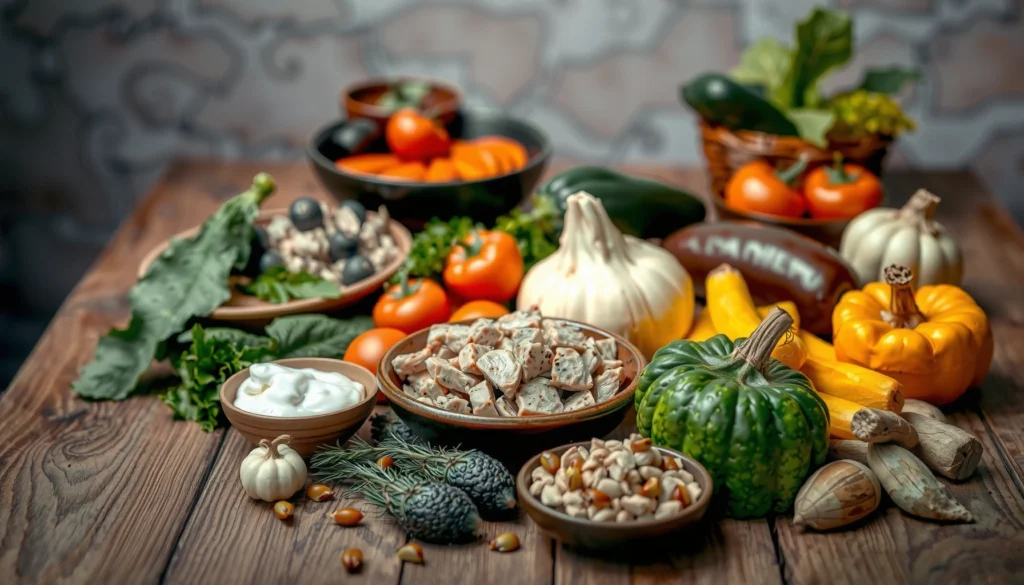

For individuals managing diabetes, the best things to eat are overwhelmingly whole, unprocessed, nutrient-dense foods rich in fiber, lean protein, and healthy fats, with a mindful approach to carbohydrates. Focusing on a balanced diet composed primarily of non-starchy vegetables, lean proteins, healthy fats, and smart carbohydrate choices is key to managing blood sugar levels, preventing complications, and supporting overall health and well-being. This guide will outline the top food categories to prioritize.




The Foundation: Prioritizing Whole, Unprocessed Foods
Effective diabetes management begins with a fundamental shift towards whole, unprocessed foods. This approach inherently helps manage blood sugar, weight, and provides essential vitamins and minerals crucial for overall health. Highly processed foods, often laden with added sugars, unhealthy fats, sodium, and refined carbohydrates, are detrimental to blood sugar control. They typically have a high glycemic index, leading to rapid spikes in glucose levels, and often lack the fiber and nutrients found in their natural counterparts. For instance, opting for a whole apple over apple juice, or rolled oats instead of a sugary breakfast cereal, provides sustained energy release and a wealth of beneficial nutrients without the sudden glucose surge.
Emphasizing fresh fruits, a wide array of vegetables, lean proteins, and whole grains as staples forms the bedrock of a diabetes-friendly diet. These nutrient-dense options support pancreatic function, improve insulin sensitivity, and contribute to satiety, which is vital for weight management—a critical factor in type 2 diabetes. Whole foods are packed with fiber, which slows digestion and glucose absorption; antioxidants, which combat cellular damage; and a full spectrum of vitamins and minerals necessary for optimal metabolic function. Integrating these into every meal ensures a balanced intake of macro and micronutrients, laying a robust foundation for consistent blood sugar regulation and long-term health.
Smart Carbohydrate Choices
Carbohydrates are the primary source of glucose in the bloodstream, making their type and quantity paramount in diabetes management. Smart carbohydrate choices involve selecting complex carbohydrates over simple, refined ones. Complex carbohydrates, such as whole grains like oats, quinoa, brown rice, barley, and farro, are rich in fiber and digested slowly, leading to a gradual and sustained rise in blood sugar rather than a sharp spike. Legumes, including black beans, lentils, chickpeas, and kidney beans, are another excellent source of complex carbohydrates, offering a powerful combination of fiber and protein that further moderates their impact on glucose levels.
When considering starchy vegetables, options like sweet potatoes, corn, and peas can be included in moderation. These still contain beneficial nutrients and fiber but should be consumed in controlled portions due to their higher carbohydrate content. The key differentiator for smart carbohydrate choices is fiber. Fiber plays a critical role by slowing the absorption of sugar into the bloodstream, improving satiety, and supporting digestive health. For instance, choosing whole-grain bread over white bread, or a serving of lentils over white rice, significantly impacts post-meal blood glucose response. Furthermore, consistent practice of portion control for all carbohydrate sources is non-negotiable. Using measuring cups, food scales, or simply understanding visual cues for appropriate serving sizes can effectively manage blood glucose levels and prevent overconsumption, even of healthy carbs.
The Power of Lean Proteins
Incorporating adequate lean protein into every meal is a cornerstone of effective diabetes management. Protein has a minimal direct impact on blood sugar levels, making it an ideal component for stabilizing glucose. Its primary benefits include increasing satiety, which helps prevent overeating and reduces cravings for less healthy foods, and supporting muscle maintenance. Muscle tissue is more metabolically active than fat tissue, meaning it burns more calories and helps improve insulin sensitivity.
Excellent sources of lean protein include skinless poultry (chicken breast, turkey), a variety of fish (salmon, cod, tuna, sardines, mackerel), eggs, and plant-based options like tofu, tempeh, and edamame. Lean cuts of red meat, consumed in moderation, can also be part of a balanced diet. For dairy, plain Greek yogurt and cottage cheese offer high protein content without added sugars. When preparing protein, opt for healthier cooking methods such as baking, grilling, broiling, steaming, or stir-frying, as opposed to deep-frying, which adds unnecessary unhealthy fats. The consistent inclusion of lean protein helps create balanced meals that provide sustained energy, support tissue repair, and, most importantly, contribute significantly to stable blood glucose control by slowing the digestion and absorption of carbohydrates when eaten together.
Embracing Healthy Fats
Contrary to outdated advice, not all fats are detrimental to health, especially for individuals with diabetes. Embracing healthy fats, particularly monounsaturated (MUFAs) and polyunsaturated (PUFAs) fats, is crucial for overall well-being and can actually aid in diabetes management. These fats contribute to feeling full, which is beneficial for weight management, provide essential fatty acids that the body cannot produce on its own, and support heart health—a vital consideration given the increased risk of cardiovascular disease in people with diabetes.
Sources of MUFAs include avocados, olive oil, and nuts like almonds, pecans, and cashews. PUFAs are found in fatty fish (salmon, mackerel, sardines), flaxseeds, chia seeds, walnuts, and sunflower oil. These healthy fats can also help slow the digestion of carbohydrates, thereby moderating potential blood sugar spikes after meals. For example, adding a slice of avocado to a salad or a tablespoon of olive oil to cooked vegetables can significantly improve the meal’s glycemic response. It’s important to remember that while healthy, fats are calorie-dense, so portion control remains key. Integrating these fats in appropriate amounts not only supports metabolic health and satiety but also enhances the absorption of fat-soluble vitamins (A, D, E, K), further bolstering nutritional intake.
Non-Starchy Vegetables: Eat Your Fill
Non-starchy vegetables are the undisputed champions of any diabetes-friendly diet, offering an incredible abundance of nutrients with minimal impact on blood sugar. The advice to “load up” on these vegetables is not merely a suggestion but a cornerstone for effective blood glucose management. These vegetables are extremely low in carbohydrates and calories but are powerhouses of vitamins, minerals, antioxidants, and dietary fiber. This unique nutritional profile allows individuals to consume large volumes, creating a sense of fullness and satisfaction without significantly raising blood sugar levels.
Examples of non-starchy vegetables are vast and versatile, including leafy greens (spinach, kale, romaine lettuce, Swiss chard), broccoli, cauliflower, Brussels sprouts, bell peppers (all colors), cucumbers, zucchini, asparagus, celery, mushrooms, green beans, cabbage, and tomatoes. Their high fiber content not only aids digestion but also contributes to slower glucose absorption from other foods consumed simultaneously. Incorporating a colorful array of these vegetables into every meal—whether raw in salads, steamed, roasted, grilled, or added to soups and stir-fries—maximizes nutrient intake and provides beneficial bulk that helps manage appetite. They are essential for providing micronutrients that support various bodily functions and protect against the oxidative stress often associated with diabetes complications.
Fruits and Dairy in Moderation
While fruits and dairy are nutritious, individuals with diabetes need to approach them with a mindful strategy due to their natural sugar content. For fruits, the emphasis is on selecting low-glycemic options and practicing portion control. Low-glycemic fruits like berries (strawberries, blueberries, raspberries), apples, pears, and citrus fruits (oranges, grapefruits) are generally better choices. They offer essential vitamins, minerals, and antioxidants, alongside fiber that helps temper their natural sugar (fructose) absorption. For instance, a small apple or a cup of berries can be a healthy snack, but larger portions or high-glycemic fruits like mangoes or bananas should be consumed in very limited quantities or paired with protein/fat to mitigate blood sugar spikes.
When it comes to dairy, choosing plain, unsweetened products is paramount. Regular flavored yogurts and sweetened milks can contain substantial amounts of added sugars, which can severely impact blood glucose. Opt for plain Greek yogurt, which is high in protein and beneficial probiotics, or plain cottage cheese for a protein boost. Unsweetened milk (dairy or plant-based like almond, soy, or oat milk) provides essential nutrients like calcium and vitamin D without the added sugar load. These dairy options can contribute to bone health and provide satiety, but like fruits, portion sizes should align with individual carbohydrate allowances to effectively manage natural sugar intake.
By integrating these best food choices into your daily routine, you can effectively manage your diabetes, improve your energy levels, and enhance your overall health. Remember, consistency is crucial, and monitoring your blood sugar levels will provide valuable insight into how different foods affect you individually. This personalized feedback is indispensable for refining your dietary approach. Always consult with a healthcare professional or a registered dietitian to tailor a personalized eating plan that meets your specific needs and health goals, ensuring your journey toward optimal health is both effective and sustainable.
Frequently Asked Questions
What are the best types of food to include in a diabetic-friendly diet?
Focus on a diet rich in non-starchy vegetables, lean proteins, healthy fats, and high-fiber complex carbohydrates. These foods have a minimal impact on blood sugar, provide essential nutrients, and promote satiety, making it easier to manage diabetes effectively. Prioritizing foods with a low glycemic index can significantly help in stabilizing glucose levels.
Which carbohydrates are considered safe and beneficial for people with diabetes?
Opt for complex carbohydrates that are high in fiber, such as whole grains (oats, quinoa, brown rice), legumes (beans, lentils), and certain starchy vegetables (like sweet potatoes in moderation). Fiber slows down sugar absorption, helping to prevent rapid blood sugar spikes. It’s crucial to practice portion control with even these beneficial carbs to maintain stable glucose levels.
How can someone with diabetes choose healthy protein sources for their meals?
Prioritize lean protein sources like skinless chicken breast, fish (especially fatty fish rich in omega-3s such as salmon), turkey, eggs, and plant-based options including tofu, tempeh, and lentils. Protein helps you feel full, supports muscle health, and has a minimal effect on blood sugar levels compared to carbohydrates. Integrating diverse protein sources into each meal can help stabilize energy throughout the day.
Why are non-starchy vegetables so important for a diabetic diet?
Non-starchy vegetables, such as spinach, broccoli, cauliflower, bell peppers, and green beans, are incredibly low in calories and carbohydrates but packed with fiber, vitamins, and minerals. They provide bulk and nutrients without significantly raising blood glucose levels, making them excellent choices for filling your plate. Incorporating them generously helps with blood sugar management and can contribute to weight management.
What are some ideal snack options for diabetics to maintain stable blood sugar between meals?
Excellent diabetic-friendly snack options often combine protein and fiber to promote satiety and prevent blood sugar fluctuations. Consider a handful of raw nuts, Greek yogurt with a few berries, vegetable sticks with hummus, or a hard-boiled egg. These snacks can effectively bridge the gap between meals, keeping energy levels steady and reducing the temptation for less healthy choices.
References
- https://www.cdc.gov/diabetes/managing/eat-well.html
- Healthy Living with Diabetes – NIDDK
- Eating Well & Managing Diabetes | ADA
- Diabetes diet: Create your healthy-eating plan – Mayo Clinic
- https://health.clevelandclinic.org/best-foods-for-diabetes/
- https://www.health.harvard.edu/diseases-and-conditions/diabetic-diet-foods-to-eat-and-avoid
- https://www.hopkinsmedicine.org/health/conditions-and-diseases/diabetes/eating-well-with-diabetes
- https://www.bbc.com/future/article/20230308-the-new-diabetes-diet-advice-thats-reversing-type-2