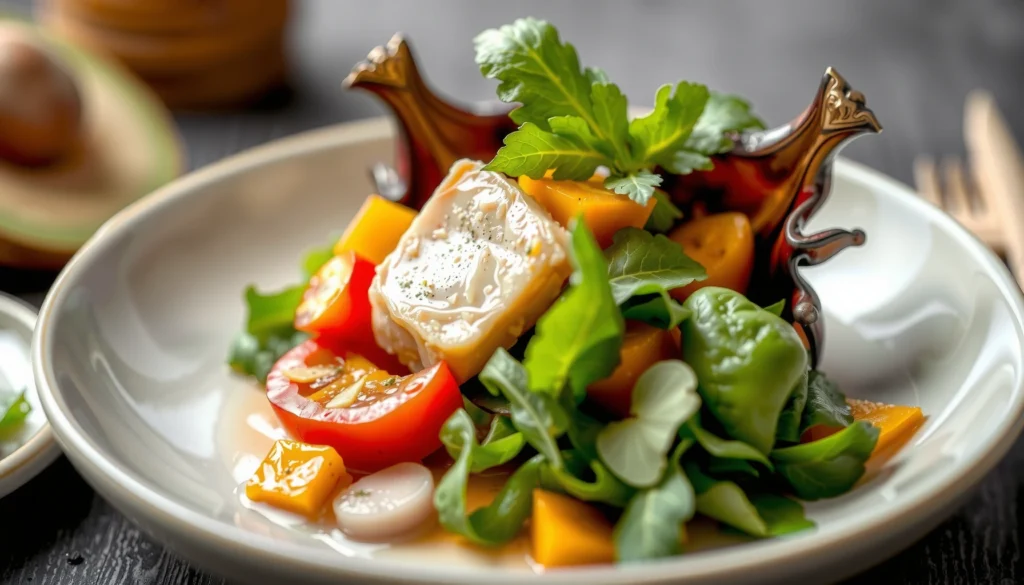

When it comes to the best salad for diabetes, the key isn’t a single recipe but understanding the components that create a blood sugar-friendly meal. The ideal diabetic-friendly salad is packed with non-starchy vegetables, lean protein, healthy fats, and fiber, while carefully limiting simple carbohydrates and sugary dressings. This guide will help you craft delicious and nutritious salads that support stable blood sugar levels.




Understanding Diabetes-Friendly Salads
Crafting a salad that effectively supports diabetes management involves a strategic approach to ingredient selection. The core principle is to build a meal that delivers satiety and essential nutrients without causing rapid fluctuations in blood glucose. This means actively choosing foods that align with specific nutritional goals crucial for individuals managing diabetes.
– Focus on low glycemic index ingredients to prevent blood sugar spikes. The glycemic index (GI) measures how quickly a food causes blood sugar to rise. By opting for ingredients with a low GI, such as most non-starchy vegetables, lean proteins, and healthy fats, you can ensure a slower, more gradual release of glucose into the bloodstream. This sustained energy release helps avoid the energy crashes and cravings often associated with high-GI foods, leading to better blood sugar control and overall metabolic health.
– Prioritize fiber-rich foods, which slow sugar absorption and improve satiety. Dietary fiber, particularly soluble fiber, plays a pivotal role in diabetes management. It forms a gel-like substance in the digestive tract, which slows down the absorption of carbohydrates and, consequently, glucose. This mechanism helps to flatten the blood sugar curve after meals. Furthermore, fiber adds bulk to meals without adding calories, promoting a feeling of fullness and reducing the likelihood of overeating, which is beneficial for weight management—a critical aspect of diabetes care. Sources include leafy greens, most vegetables, legumes, and some nuts and seeds.
– Combine lean proteins and healthy fats to manage hunger and blood sugar. Protein and healthy fats are essential macronutrients that have a minimal direct impact on blood sugar levels. When included in a salad, they contribute significantly to satiety, helping you feel fuller for longer and reducing the urge to snack on less healthy options. Protein also supports muscle maintenance and repair, while healthy fats aid in the absorption of fat-soluble vitamins and provide a concentrated source of energy. Together, they create a balanced meal that stabilizes blood sugar, sustains energy levels, and supports overall well-being.
Foundation: Leafy Greens & Non-Starchy Vegetables
The base of any truly diabetes-friendly salad should be abundant in nutrient-dense, low-carbohydrate options. These foundational ingredients provide essential vitamins, minerals, and fiber without significantly impacting blood glucose levels, making them cornerstones of a healthy eating plan for diabetes.
– Leafy Greens: Choose dark, leafy greens like spinach, kale, mixed greens, romaine, and arugula for their high nutrient and fiber content with minimal carbs. These greens are powerhouses of nutrition, offering an impressive array of vitamins (A, C, K), minerals (folate, iron, magnesium), and antioxidants. Spinach, for instance, is rich in alpha-lipoic acid, an antioxidant that may improve insulin sensitivity. Kale provides substantial amounts of fiber and lutein, beneficial for eye health, which is particularly important for individuals with diabetes. Romaine lettuce offers a crisp texture and good hydration. Incorporating a variety of these greens ensures a broad spectrum of nutrients and adds different textures and subtle flavors to your salad, making it more appealing and satisfying. Aim for at least two generous handfuls as your salad base.
– Non-Starchy Vegetables: Load up on colorful options like cucumbers, bell peppers, tomatoes, broccoli, cauliflower, radishes, and mushrooms. These add volume and nutrients without significantly impacting blood sugar. The vibrant colors of these vegetables are indicative of their diverse phytochemical content, which offers protective health benefits. Cucumbers and bell peppers contribute high water content, aiding hydration and adding a refreshing crunch. Tomatoes are rich in lycopene, a powerful antioxidant. Broccoli and cauliflower, cruciferous vegetables, are known for their anti-inflammatory properties and high fiber content. Radishes offer a peppery kick and additional vitamin C, while mushrooms provide umami flavor and B vitamins. These vegetables allow for substantial portion sizes, helping to fill you up without the caloric and carbohydrate density found in starchy alternatives, making them ideal for diabetes management.
Protein Power: Keeping it Lean
Protein is an indispensable macronutrient in a diabetes-friendly diet, crucial for muscle maintenance, satiety, and blood sugar regulation. Integrating lean protein sources into your salads helps to slow down digestion, thus preventing rapid spikes in blood glucose and promoting a sustained feeling of fullness.
– Lean Animal Proteins: Incorporate grilled chicken breast, turkey, baked salmon, canned tuna (in water), or hard-boiled eggs for sustained energy and muscle support. These proteins offer a complete amino acid profile, essential for bodily functions, and have a minimal impact on blood sugar levels. Grilled chicken or turkey breast, devoid of skin, are excellent choices, providing high-quality protein with very little saturated fat. Baked salmon is not only protein-rich but also an outstanding source of omega-3 fatty acids, which are beneficial for heart health and can help reduce inflammation—both critical considerations for individuals with diabetes. Canned tuna (packed in water) offers convenience and a lean protein boost. Hard-boiled eggs are versatile, portable, and provide an excellent source of protein and essential nutrients like choline. Ensure portion sizes are appropriate, typically 3-4 ounces for cooked meat or fish, or 1-2 eggs.
– Plant-Based Proteins: Opt for chickpeas, black beans (in moderation), lentils, edamame, or tofu for excellent fiber and protein sources. Plant-based proteins are not only rich in protein but also come packed with dietary fiber, which, as discussed, is invaluable for blood sugar control and digestive health. Chickpeas and lentils are legumes that provide a significant amount of both protein and fiber, making them incredibly satisfying. Due to their carbohydrate content, it’s important to consume them in moderation and account for their impact on your daily carb allowance; generally, about 1/4 to 1/2 cup cooked is a good serving. Edamame (steamed soybeans) offers a complete protein and healthy fats. Tofu, a versatile soy product, can be grilled, baked, or crumbled into salads, absorbing flavors beautifully while providing lean protein. These options are excellent for diversifying your protein intake and adding variety to your salad creations, while also contributing to heart health due to their low saturated fat content.
Healthy Fats & Flavorful Dressings
Healthy fats are a vital component of a diabetes-friendly salad, contributing to satiety, nutrient absorption, and overall cardiovascular health. Paired with judiciously chosen dressings, they elevate the flavor profile without compromising blood sugar management.
– Good Fat Sources: Add avocado slices, a sprinkle of nuts (almonds, walnuts), or seeds (chia, flax, pumpkin) for beneficial monounsaturated and polyunsaturated fats. These fats are instrumental in slowing gastric emptying, which helps to mitigate post-meal blood sugar spikes. Avocado is rich in monounsaturated fats (MUFAs), potassium, and fiber, contributing to a creamy texture and significant nutritional value. A quarter to half an avocado is a good portion. Nuts like almonds and walnuts offer MUFAs and polyunsaturated fats (PUFAs), alongside fiber, protein, and antioxidants. Walnuts are particularly noted for their omega-3 content. Seeds such as chia, flax, and pumpkin are packed with omega-3s, fiber, and various minerals. A small sprinkle (1-2 tablespoons) can add a delightful crunch and a powerful nutritional boost, helping you feel fuller and more satisfied with your meal.
– Diabetes-Friendly Dressings: Make your own with olive oil, vinegar (apple cider, balsamic), lemon juice, and herbs. Avoid store-bought dressings high in sugar and unhealthy oils. Homemade dressings allow for complete control over ingredients, ensuring no hidden sugars, excessive sodium, or unhealthy trans fats often found in commercial products. Extra virgin olive oil, a cornerstone of the Mediterranean diet, provides heart-healthy MUFAs. Vinegars like apple cider vinegar have been shown to potentially improve insulin sensitivity and lower post-meal blood sugar. Balsamic vinegar adds a rich, sweet-tart flavor without significant sugar in small amounts. Fresh lemon juice brightens flavors and adds vitamin C. Emulsify your chosen oil with vinegar or lemon juice, then season with fresh or dried herbs (dill, oregano, basil), garlic, and a pinch of black pepper. This approach creates a flavorful, vibrant dressing that enhances your salad without sabotaging your blood sugar goals. Always measure your oil, aiming for about 1-2 tablespoons per serving.
Smart Carb Choices & Toppings
While the focus for diabetes-friendly salads is on non-starchy components, smart inclusion of certain carbohydrates can add nutritional value, texture, and satiety without causing significant blood sugar fluctuations, provided they are consumed in moderation.
– Whole Grains (in moderation): A small portion of quinoa, farro, or a sprinkle of whole-grain croutons can add texture and complex carbs. Whole grains are preferred over refined grains because they retain their bran, germ, and endosperm, providing fiber, vitamins, and minerals that are stripped away in processed versions. Quinoa is a complete protein and an excellent source of fiber, making it a powerful addition that slowly releases glucose. Farro offers a chewy texture and is also rich in fiber and protein. If using whole-grain croutons, ensure they are truly whole-grain and that the ingredient list does not include added sugars. The key here is portion control: a serving of 1/4 to 1/2 cup cooked whole grains adds substance and beneficial complex carbohydrates without overwhelming your carbohydrate intake for the meal. These choices contribute to sustained energy and can enhance the satisfaction derived from your salad.
– Fruits (sparingly): A few berries or a small amount of sliced apple can add sweetness and nutrients, but be mindful of portion sizes due to natural sugars. While fruits contain natural sugars (fructose), they also provide essential vitamins, minerals, and fiber. Berries, such as blueberries, raspberries, and strawberries, are particularly good choices due to their high fiber content and antioxidant levels, which help mitigate the impact of their sugars on blood glucose. A small handful (e.g., 1/4 cup) can add a burst of flavor and visual appeal. Similarly, a few thin slices of apple can offer a crisp texture and natural sweetness. The fiber in whole fruits helps to slow down sugar absorption, but it’s crucial to avoid large quantities. Dried fruits, due to their concentrated sugar content, should generally be avoided or used in extremely minimal amounts. Always prioritize whole, fresh fruit and remember that moderation is paramount when incorporating these into your diabetes-friendly salad.
Ingredients to Limit or Avoid
To ensure your salad remains a truly blood sugar-friendly and heart-healthy meal, it’s essential to be vigilant about certain ingredients that can undermine your diabetes management efforts. These components often contain hidden sugars, unhealthy fats, or excessive sodium.
– Sugary Dressings & Candied Nuts: These are hidden sources of sugar that can spike blood glucose quickly. Many commercially prepared salad dressings, even those marketed as “light” or “healthy,” contain significant amounts of added sugars like high-fructose corn syrup, sucrose, or dextrose. These simple sugars are rapidly absorbed, leading to sharp increases in blood glucose levels, which is detrimental for diabetes management. Similarly, candied nuts, often found in gourmet salads, are coated in sugar, transforming an otherwise healthy fat source into a high-sugar topping. Always scrutinize ingredient labels or, better yet, opt for homemade dressings and plain, unsalted nuts.
– Processed Meats & Fried Toppings: Bacon bits, fried chicken, or excessive amounts of cheese can add unhealthy fats and sodium. Processed meats like bacon bits or deli meats are typically high in sodium and unhealthy saturated fats, which contribute to cardiovascular risk, a major comorbidity for individuals with diabetes. Fried toppings, such as crispy fried onions or fried chicken pieces, are laden with unhealthy trans fats and often prepared in oils that promote inflammation, directly contradicting the goal of a healthy salad. While a small amount of high-quality cheese might be acceptable for some, excessive portions can add substantial saturated fat and calories. Prioritize lean, unprocessed proteins and healthy fat sources instead.
– Excessive Starchy Vegetables: Limit large portions of corn, peas, or potatoes, which are higher in carbohydrates. While these vegetables offer some nutrients, their carbohydrate content is considerably higher than non-starchy options. Large quantities can quickly accumulate carbohydrates in your meal, potentially pushing your blood sugar levels beyond your target range. For instance, a cup of corn or peas can contain around 20-30 grams of carbohydrates, which is a significant portion of a meal’s carb allowance for many individuals with diabetes. If you choose to include them, do so in very small, measured amounts (e.g., a tablespoon or two) and factor them into your total carbohydrate count for the meal, ensuring that the bulk of your salad remains comprised of low-carb, non-starchy vegetables.
Building Your Own Best Salad
Creating a truly effective and enjoyable diabetes-friendly salad goes beyond simply assembling ingredients; it involves a thoughtful approach to balance, flavor, and texture. By understanding how to combine components strategically, you can design meals that are both nutritious and satisfying.
– Balance is Key: Aim for a generous base of greens, 1-2 protein sources, a variety of non-starchy veggies, a healthy fat, and a light, homemade dressing. Think of your salad as a nutritional pyramid. The widest part should be your leafy greens and non-starchy vegetables, providing volume and micronutrients with minimal caloric impact. Next, layer in your lean protein(s), ensuring satiety and muscle support. Follow this with a measured portion of healthy fats to aid nutrient absorption and prolong fullness. Finally, drizzle with a homemade, diabetes-friendly dressing. If including smart carb choices like a small amount of whole grains or berries, these should be the smallest component. This balanced approach ensures you’re getting all essential macronutrients, plenty of fiber, and minimal rapid-acting carbohydrates, leading to stable blood sugar and lasting satisfaction.
– Taste & Texture: Experiment with different combinations of crisp, creamy, crunchy, and chewy textures to keep your salads exciting and satisfying. A truly enjoyable meal engages all the senses. Incorporate crisp elements like bell peppers, cucumbers, and radishes. Add creamy textures with avocado slices or a small dollop of homemade, unsweetened Greek yogurt dressing. Introduce crunch with a sprinkle of nuts or seeds, or even a few oven-baked whole-grain croutons. Chewy components such as roasted chickpeas or cooked lentils add substance and satiety. Varying these elements prevents palate fatigue and makes healthy eating a more sustainable and pleasurable experience. Don’t be afraid to mix different flavor profiles too—sweet from a few berries, savory from grilled chicken, tangy from a lemon-based dressing, and earthy from mushrooms. The goal is to create a dynamic culinary experience that supports your health goals without feeling like a restriction.
Crafting the best salad for diabetes is all about mindful ingredient selection. By focusing on non-starchy vegetables, lean proteins, healthy fats, and smart carbohydrate choices, you can create delicious, satisfying, and blood sugar-friendly meals. These principles not only support stable glucose levels but also contribute to overall well-being, including cardiovascular health and weight management. Start experimenting with these guidelines today to discover your favorite healthy salad combinations that support your diabetes management goals and make healthy eating an exciting part of your daily routine.
Frequently Asked Questions
What type of salad is considered best for managing blood sugar with diabetes?
The best salad for diabetes is typically a nutrient-dense, low-glycemic option packed with non-starchy vegetables. Focus on a base of dark leafy greens like spinach or kale, ample lean protein such as grilled chicken or chickpeas, and healthy fats from avocado or nuts. This combination helps stabilize blood sugar by providing fiber, protein, and healthy fats while minimizing rapidly digestible carbohydrates.
How can I build a satisfying and flavorful salad for diabetes without excess carbs or unhealthy fats?
To create a satisfying diabetes-friendly salad, prioritize a generous amount of colorful non-starchy vegetables for volume and nutrients, like bell peppers, cucumbers, and tomatoes. Add a substantial serving of lean protein, such as turkey, fish, or lentils, to promote fullness and stabilize blood sugar. Enhance flavor with fresh herbs, spices, a squeeze of lemon juice, and a homemade vinaigrette using olive oil and vinegar, avoiding sugary or creamy dressings.
Which common salad ingredients should individuals with diabetes limit or avoid to maintain healthy blood sugar?
Individuals with diabetes should limit or avoid high-carb ingredients such as croutons, candied nuts, dried fruits, and excessive amounts of starchy vegetables like corn or peas. Also, be wary of creamy, sugary dressings like honey mustard or ranch, which can significantly add hidden sugars and unhealthy fats. These items can quickly elevate blood glucose levels, undermining the health benefits of your diabetes-friendly salad.
Are store-bought salad dressings safe for diabetes, and what are healthy, low-carb alternatives?
Many store-bought salad dressings contain hidden sugars, unhealthy oils, and excessive sodium, making them less ideal for managing diabetes. Always check nutrition labels for sugar content and carbohydrate counts, opting for vinaigrettes with minimal added sugars. Excellent low-carb alternatives include a simple mix of olive oil and vinegar, lemon juice with herbs, or a homemade dressing using plain Greek yogurt as a creamy, protein-rich base.
Why are salads a highly recommended meal option for people with diabetes?
Salads are highly recommended for diabetes management because they naturally lend themselves to being packed with fiber-rich, low-glycemic vegetables. This high fiber content helps slow sugar absorption, preventing rapid blood glucose spikes and promoting satiety. When properly constructed with lean proteins and healthy fats, a well-balanced salad provides essential nutrients while supporting stable blood sugar levels and weight management.
References
- https://diabetes.org/food-nutrition/recipes/chopped-salad-with-creamy-cilantro-dressing
- https://diabetes.org/food-nutrition/what-to-eat/diabetes-superfoods
- https://www.health.harvard.edu/diseases-and-conditions/type-2-diabetes-diet-what-to-eat-what-to-limit
- https://www.uwmedicine.org/diabetes/recipes/mediterranean-quinoa-salad
- https://www.uwmedicine.org/diabetes/recipes/tuna-and-white-bean-salad
- Missing Page Error – Our Apologies – UChicago Medicine
- https://www.eatright.org/health/diabetes/eating-well-with-diabetes/what-to-eat-to-manage-diabetes