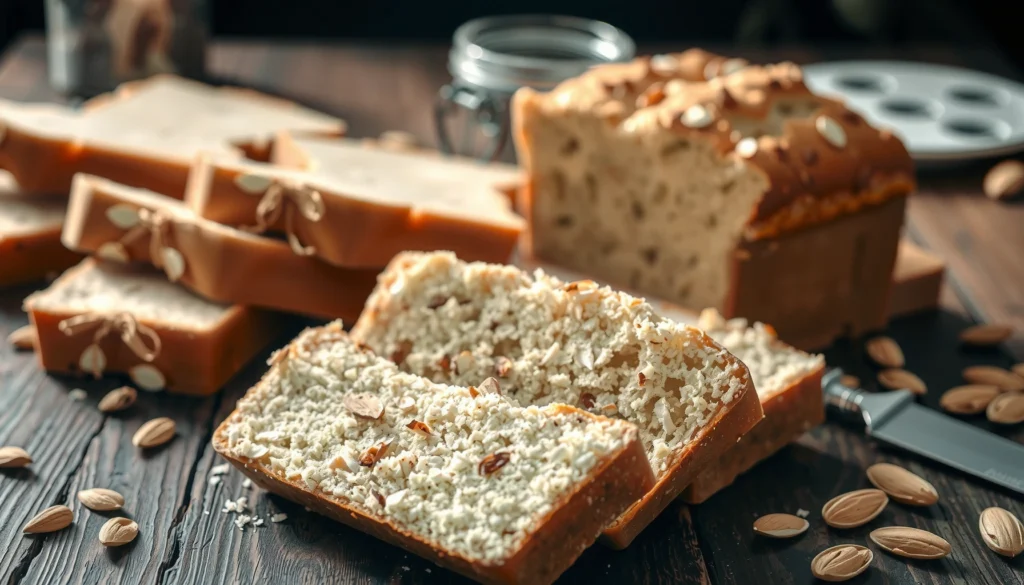

For individuals managing diabetes, the “best” low carb bread effectively minimizes blood sugar spikes, offering a delicious and convenient way to enjoy bread while adhering to dietary goals. This typically means breads made with ingredients like almond flour, coconut flour, vital wheat gluten, and psyllium husk, characterized by high fiber, moderate protein, and very low net carbohydrate counts per slice. Understanding the key nutritional aspects and knowing what to look for on labels will empower you to make informed choices, allowing you to reintroduce a beloved staple into your diet with confidence and without compromising glycemic control.




Understanding “Low Carb” for Diabetics
Managing blood glucose levels is paramount for individuals with diabetes, and dietary carbohydrates are the primary macronutrient influencing these levels. The term “low carb” in the context of bread for diabetics refers to products specifically formulated to have a minimal impact on blood sugar, typically achieved through ingredient selection and processing methods.
* Net Carbs are Key: For diabetics, focusing on “net carbs” is a crucial metric when evaluating food products. Net carbs are calculated by subtracting the fiber content and, in some cases, sugar alcohols from the total carbohydrates listed on the nutrition label. This distinction is vital because dietary fiber, a type of carbohydrate, is not digested or absorbed by the body in the same way as starches and sugars. Consequently, fiber does not contribute significantly to blood sugar elevation. By prioritizing breads high in fiber and low in digestible carbohydrates, individuals can enjoy a bread product that aligns with their blood glucose management goals, preventing the rapid spikes associated with traditional, high-carb breads. For example, a slice of bread with 15g total carbs but 10g fiber would have only 5g net carbs, making it a far more suitable option than a conventional slice with 15g total carbs and 1g fiber (14g net carbs).
* Glycemic Index Matters: The Glycemic Index (GI) is a system that ranks carbohydrate-containing foods based on their effect on blood glucose levels. Foods with a high GI cause a rapid and significant rise in blood sugar, while low GI foods lead to a slower and more gradual increase. Low carb breads, by their very nature, generally possess a lower glycemic index compared to their traditional counterparts. This is due to the use of flours and binders that are either naturally low in rapidly digestible carbohydrates (like almond or coconut flour) or high in fiber (like psyllium husk). Consuming low GI foods helps to maintain more stable blood sugar levels, reducing the demand on the pancreas and aiding in overall diabetes management.
* Serving Size Impact: While low carb breads offer a significant advantage over conventional breads, it is imperative to remember that “low carb” does not equate to “no carb.” Even with reduced net carbohydrate counts, portion control remains a cornerstone of effective diabetes management. A single slice of low carb bread, while far less impactful than a traditional slice, still contributes a certain amount of carbohydrates to your daily intake. Consuming multiple slices without accounting for their cumulative net carb total can still lead to undesirable blood sugar elevations. Therefore, always adhere to the recommended serving size, carefully integrate it into your individual carbohydrate budget, and monitor your blood glucose response to understand its personal impact.
Key Ingredients for Diabetic-Friendly Bread
The foundation of any successful low-carb bread lies in its ingredients. For diabetic-friendly options, specific flours and binders are chosen for their low carbohydrate content, high fiber, and ability to mimic the texture of traditional bread without the glycemic load.
* Almond Flour & Coconut Flour: These two gluten-free flours are stalwarts in the low-carb baking world, and for good reason. Almond flour, made from finely ground blanched almonds, is remarkably low in carbohydrates and rich in healthy monounsaturated fats, protein, and dietary fiber. It imparts a delicate, slightly nutty flavor and a tender crumb to baked goods. Coconut flour, derived from dried coconut meat, is even lower in digestible carbohydrates and boasts an impressive fiber content, making it highly absorbent. While it has a distinct coconut flavor, it is often subtle in blends. Both flours contribute to satiety and provide essential nutrients without the blood sugar spike associated with wheat flour, making them excellent primary bases for diabetic-friendly breads.
* Vital Wheat Gluten: Often a misunderstood ingredient, vital wheat gluten is a highly concentrated protein extracted from wheat. Crucially, it contains very little starch or carbohydrates, making it an invaluable tool for low-carb bakers. When combined with almond or coconut flour, vital wheat gluten provides the necessary elasticity, structure, and chewiness that is often lacking in gluten-free, low-carb flours alone. It helps breads rise, hold their shape, and achieve a texture much closer to traditional wheat bread. While it is derived from wheat, the carbohydrate content is negligible, and it’s used in small quantities, primarily for its protein structure. It’s important to note that individuals with Celiac disease or gluten sensitivity should still avoid products containing vital wheat gluten, but for those without such conditions, it’s a powerful ingredient for low-carb bread formulation.
* Psyllium Husk: A powerhouse of soluble fiber, psyllium husk is derived from the seeds of the *Plantago ovata* plant. In low-carb baking, it acts as a phenomenal binder and thickener, absorbing significant amounts of water and creating a gel-like consistency. This property is essential for improving the texture, elasticity, and crumb structure of low-carb breads, which might otherwise be dense or crumbly. Beyond its textural benefits, psyllium husk significantly boosts the fiber content of the bread, further reducing the net carbohydrate count per serving. Its high fiber content also contributes to feelings of fullness and can aid in digestive health, making it a highly beneficial ingredient for diabetic-friendly bread options.
Top Low-Carb Bread Types and Brands to Consider
The market for low-carb bread has expanded significantly, offering a diverse range of options designed to cater to various tastes and dietary needs while maintaining glycemic control. Understanding the different types available can help you navigate the choices.
* Almond & Coconut Flour Breads: These are perhaps the most common and widely recognized types of low-carb breads. Many popular low-carb brands extensively feature almond flour, coconut flour, or a blend of both as their primary base. These breads tend to have a softer, more tender crumb compared to some other low-carb options, making them ideal for traditional uses like sandwiches, toast, and even French toast. Their mild flavor profiles allow them to pair well with a wide array of toppings and fillings, from savory avocado and eggs to a spread of sugar-free jam. When seeking these types, look for ingredient lists that prominently feature these flours, ensuring a high fiber and low net carb count. These are excellent choices for those seeking a gluten-free low-carb bread option.
* Seed-Based Breads: For those who appreciate a heartier texture and an added nutritional boost, seed-based low-carb breads are an excellent choice. These varieties often incorporate a generous mix of flax seeds, chia seeds, sunflower seeds, and sometimes pumpkin seeds, either whole or ground. The inclusion of these seeds not only enhances the bread’s texture with a pleasant chewiness and crunch but also significantly boosts its fiber content, healthy fats (including omega-3 fatty acids from flax and chia), and protein. This nutrient density contributes to greater satiety, helping to keep hunger at bay and further stabilizing blood sugar levels. Seed-based breads often have a distinctive, earthy flavor profile that pairs wonderfully with robust savory toppings or can be enjoyed simply toasted with a smear of nut butter.
* Specialized Gluten/Fiber Blends: To achieve a texture and mouthfeel that closely mimics traditional wheat bread, many manufacturers utilize specialized blends that combine vital wheat gluten with various forms of dietary fiber such as oat fiber, bamboo fiber, or soluble corn fiber. These formulations are meticulously engineered to provide structure, elasticity, and a soft, airy crumb while keeping net carbohydrates exceptionally low. These breads often appeal to individuals who miss the specific characteristics of conventional bread, offering a robust chewiness and a more significant “rise.” When choosing these types, ensure that while vital wheat gluten is present, the overall net carb count remains low, and that refined starches are minimized. This category represents the cutting edge of low-carb bread technology, aiming to bridge the gap between dietary restrictions and culinary enjoyment.
What to Avoid in “Low Carb” Breads
The term “low carb” can sometimes be misleading, as not all products bearing this label are equally beneficial for managing diabetes. Scrutinizing ingredient lists and nutritional panels is essential to identify truly diabetic-friendly options and avoid hidden pitfalls.
* Hidden Sugars & Sweeteners: A primary concern in many processed foods, including some claiming to be low carb, is the presence of hidden sugars or excessive artificial sweeteners. Ingredients like dextrose, maltodextrin, corn syrup solids, and even certain fruit juice concentrates can significantly impact blood sugar, despite being disguised under less obvious names. Furthermore, while some artificial sweeteners (like sucralose or aspartame) and sugar alcohols (like erythritol or xylitol) may not directly raise blood sugar, excessive consumption can lead to digestive discomfort such as bloating or diarrhea. Some studies also suggest potential impacts on gut microbiome or metabolic response with certain non-nutritive sweeteners. Opt for breads with minimal or no added sugars, and choose those sweetened naturally or very sparingly with appropriate sugar alcohols or natural stevia/monk fruit if necessary.
* High Glycemic Flours: The fundamental purpose of low carb bread for diabetics is to avoid the blood sugar spikes caused by rapidly digestible carbohydrates. Therefore, it is crucial to avoid breads that primarily list refined wheat flour (including enriched or bleached flour), cornstarch, potato starch, or tapioca starch as their main ingredients. Even if a product claims to be “multi-grain” or “whole grain,” if these high glycemic flours are at the top of the ingredient list, the net carbohydrate count will likely be too high to be truly diabetic-friendly. “Multi-grain” simply means multiple types of grain are used, not necessarily that they are low-carb or even whole grain. Always prioritize breads where almond flour, coconut flour, or vital wheat gluten are listed as the primary structural components.
* Excessive Fillers: A truly high-quality low-carb bread for diabetics will have a relatively straightforward and recognizable ingredient list. Be wary of products that contain a long list of obscure gums, modified starches, or highly processed isolates that do not contribute significant nutritional value. While some gums (like xanthan gum or guar gum) are used in small quantities for texture, an excessive reliance on various thickeners and fillers can indicate a formulation that is less focused on whole, nutrient-dense ingredients. Opting for breads with simpler, cleaner ingredient profiles ensures you are consuming more beneficial components and fewer additives that might have unknown or undesirable effects on digestion or overall health.
Decoding Nutrition Labels: Your Essential Guide
Understanding how to read and interpret nutrition labels is perhaps the most powerful tool for any individual managing diabetes. This skill empowers you to make informed decisions and confidently choose products that align with your dietary requirements.
* Prioritize Net Carbs: As previously emphasized, the net carbohydrate count is your most critical metric. To calculate it, subtract the total dietary fiber (and any sugar alcohols, if present and listed separately to be subtracted) from the total carbohydrates per serving. Always look at the “Total Carbohydrate” line first, then the “Dietary Fiber” line. For a truly diabetic-friendly bread, aim for options providing 3-6 grams of net carbs per slice or less. This range is generally considered optimal for minimizing blood sugar impact and fitting into most low-carb or ketogenic dietary plans for diabetes management. Regularly check labels as formulations can vary significantly between brands, and even within a brand’s product line.
* Fiber and Protein Content: Beyond net carbs, high fiber and adequate protein content are strong indicators of a beneficial low-carb bread. Fiber helps slow down glucose absorption, contributes to satiety, and aids digestive health. Aim for breads that offer at least 3 grams of fiber per slice. Protein, similarly, promotes fullness, helps stabilize blood sugar by slowing digestion, and supports muscle maintenance. Look for options providing 3 grams or more of protein per slice. The combination of high fiber and protein in a low-carb bread helps create a more balanced nutritional profile, contributing to sustained energy levels and preventing post-meal hunger, which can be crucial for weight management and overall glycemic control.
* Serving Size Awareness: One of the most common pitfalls in label reading is overlooking the stated serving size. Manufacturers define a “slice” in various ways, and some low-carb breads might have a smaller or thinner designated serving size than a conventional slice of bread, thereby making the per-slice carb count appear lower. Always pay close attention to the serving size listed (e.g., “1 slice (30g)”) and compare it across different brands. If possible, compare the “per 100g” values for a more standardized comparison, or visually estimate if a particular slice aligns with your understanding of a typical bread slice. Adjust your calculations accordingly if your actual portion differs from the stated serving size to avoid underestimating your carbohydrate intake.
Integrating Low-Carb Bread into Your Diabetic Meal Plan
Successfully incorporating low-carb bread into a diabetic meal plan goes beyond simply choosing the right product; it involves thoughtful meal construction and mindful consumption.
* Balanced Meals: The true power of low-carb bread for diabetics is unleashed when it’s integrated into a well-balanced meal. Pairing your low-carb bread with healthy fats and lean proteins is crucial. This synergy helps to further slow down glucose absorption, increase satiety, and provide sustained energy. For instance, instead of a simple piece of toast, consider an open-faced sandwich with avocado, lean turkey breast, and a slice of tomato. Or, create a satisfying breakfast with a fried egg and spinach on low-carb toast, drizzled with olive oil. Healthy fats (like those found in avocado, olive oil, nuts, and seeds) and lean proteins (chicken, fish, eggs, tofu) significantly enhance the meal’s nutritional value and its ability to keep blood sugar levels stable and hunger at bay.
* Portion Control: Even with the “low carb” advantage, moderation and portion control remain critical pillars of diabetes management. While low-carb bread offers significantly fewer net carbs than traditional bread, it still contributes to your overall daily carbohydrate intake. Depending on your individual carbohydrate targets, which are often set by your healthcare provider or registered dietitian, it’s generally advisable to stick to 1-2 slices per meal. Regularly monitor your blood glucose levels after consuming low-carb bread to understand your personal response. This practice will help you fine-tune your portion sizes and ensure your choices align with your specific blood glucose goals and medication regimen.
* Creative Culinary Uses: Low-carb bread is incredibly versatile and can be used in numerous creative ways beyond the standard sandwich. Unleash your culinary imagination to prevent meal fatigue and enjoy its benefits across various dishes. Use it as a base for quick, mini pizzas by topping slices with a sugar-free tomato sauce, cheese, and your favorite low-carb vegetables. Toast it and cut into cubes for flavorful, low-carb croutons to add crunch to salads or soups. It can also serve as a hearty side to a bowl of chili or a frittata. Experiment with different toppings like sugar-free nut butters, cream cheese, or a savory spread of mashed sardines with herbs to keep your meals interesting and delicious.
Choosing the best low-carb bread for managing diabetes is a crucial step towards maintaining a balanced diet without sacrificing taste or variety. By prioritizing products with low net carbs, high fiber, and wholesome ingredients like almond flour, coconut flour, vital wheat gluten, and psyllium husk, you can enjoy bread confidently as part of a healthy meal plan. Always remember to scrutinize nutrition labels, practice portion control, and integrate your bread choice into balanced meals. While this guide provides comprehensive insights, always consult with your doctor or a registered dietitian to ensure your dietary choices align with your specific health needs and diabetes management plan, ensuring both your enjoyment and your optimal health outcomes.
Frequently Asked Questions
What makes a bread “low carb” and suitable for diabetics?
A bread is considered low carb and suitable for diabetics primarily based on its net carbohydrate count, which is total carbs minus fiber and sugar alcohols. For diabetics, ideally, a slice of bread should contain 5 grams or less of net carbs, along with a high fiber content to help slow glucose absorption. Ingredients like almond flour, coconut flour, flaxseed, and psyllium husk are common in truly low carb, diabetic-friendly breads, contributing to their nutritional profile and lower glycemic impact.
Why is choosing the right low carb bread crucial for managing diabetes?
Choosing the right low carb bread is crucial for managing diabetes because carbohydrates directly impact blood glucose levels. High-carb breads can cause rapid spikes in blood sugar, making diabetes management more challenging and potentially leading to complications. Opting for low carb, high-fiber options helps maintain stable blood sugar, provides sustained energy, and supports better overall glycemic control, which is essential for long-term health.
How can I identify genuinely low carb and diabetic-friendly bread brands at the store?
To identify genuinely low carb and diabetic-friendly bread, carefully check the nutrition label for net carbs per slice; aim for 5 grams or less. Prioritize breads with a high fiber content (ideally 3+ grams per slice) and a short ingredient list that emphasizes whole, unprocessed ingredients like various nut flours, seeds, and vital wheat gluten rather than refined flours or added sugars. Always be wary of “wheat” or “multigrain” claims without checking the actual carb count, as these are often still high in carbohydrates.
Which common ingredients should diabetics look for or avoid when buying low carb bread?
Diabetics should actively look for low carb bread made with ingredients like almond flour, coconut flour, flaxseed meal, vital wheat gluten, psyllium husk, and other high-fiber components that contribute to a lower net carb count. Conversely, avoid breads listing refined flours like white flour or enriched wheat flour as primary ingredients, and steer clear of added sugars such as high-fructose corn syrup, dextrose, or malt syrup, which can significantly raise blood sugar. Artificial sweeteners, if used, should be in moderation.
What are some of the best types or brands of low carb bread often recommended for diabetics?
Some of the best types of low carb bread recommended for diabetics are those made with a base of almond flour, coconut flour, or vital wheat gluten, often fortified with seeds like flax and chia for added fiber and omega-3s. Popular brands frequently mentioned for their low net carb count and diabetic suitability include Franz Keto Bread, Sola Bread, Nature’s Own Keto Friendly Bread, and often store-brand keto options, which typically provide 1-4 grams of net carbs per slice and are specifically formulated to support stable blood sugar levels.
References
- https://diabetes.org/food-and-fitness/what-to-eat/foods-you-can-eat/breads-and-starches
- Diabetes diet: Create your healthy-eating plan – Mayo Clinic
- https://www.health.harvard.edu/diseases-and-conditions/type-2-diabetes-and-diet-what-to-eat-and-what-to-avoid
- https://www.nhs.uk/conditions/type-2-diabetes/food-and-diet/
- https://www.diabetes.org.uk/guide-to-diabetes/managing-your-diabetes/eating-well/food-facts/breads-and-starches
- Healthy Living with Diabetes – NIDDK
- Low-carbohydrate diet