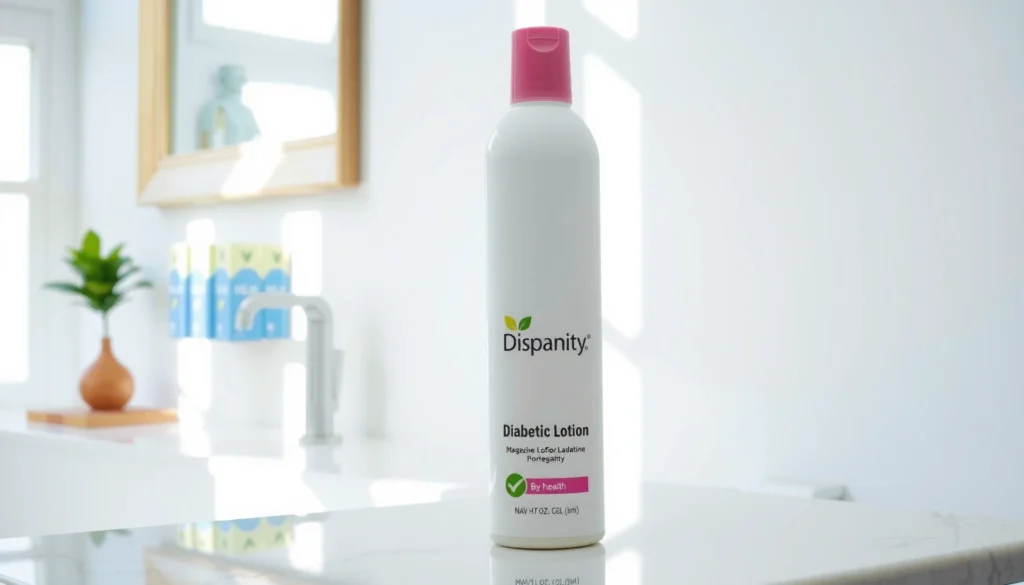

Choosing the best diabetic lotion is crucial for maintaining healthy, hydrated skin and preventing common complications like dryness, cracking, and infections. The key is to prioritize formulations specifically designed for sensitive, compromised skin, focusing on ingredients that provide intense moisture, support the skin barrier, and are free from irritants. Understanding your skin’s unique needs and the specific benefits different lotions offer will help you make the most effective choice. These specialized lotions play a vital role in protecting the skin’s integrity, reducing the risk of skin breakdown, and fostering overall well-being for individuals managing diabetes.




Understanding Diabetic Skin Needs
Diabetic skin presents a unique set of challenges that necessitate a targeted approach to skincare. High blood glucose levels, a hallmark of diabetes, can significantly impact skin health through various mechanisms. These include impaired nerve function (diabetic neuropathy), which can lead to reduced sensation and a diminished ability to perceive dryness or irritation; poor circulation, which limits the delivery of essential nutrients and oxygen to skin cells; and the formation of advanced glycation end products (AGEs), which stiffen collagen and elastin, making the skin less elastic and more prone to damage.
Consequently, diabetic skin is often prone to excessive dryness, reduced moisture retention, and impaired barrier function. The skin’s natural protective barrier, composed of lipids and skin cells, becomes compromised, leading to increased transepidermal water loss (TEWL). This persistent dryness can manifest as scaly patches, itching, and a rough texture.
These conditions collectively make the skin more vulnerable to cuts, cracks, and slow-healing wounds. Even minor abrasions or fissures can become entry points for bacteria, increasing the risk of infections. Due to compromised immune responses and reduced blood flow, these infections can escalate rapidly and be more difficult to treat, potentially leading to severe complications like cellulitis or diabetic ulcers. Regular, appropriate moisturization is therefore not just a cosmetic measure but a critical preventative strategy. It helps to reinforce the skin’s natural barrier, improve its hydration levels, restore elasticity, and create a more resilient surface less susceptible to injury and infection, thereby becoming an indispensable component of comprehensive diabetes management.
Key Ingredients to Look For
Selecting a diabetic lotion with the right blend of ingredients is paramount for optimal skin health. Effective formulations leverage a combination of components that work synergistically to hydrate, repair, and protect the compromised skin barrier.
– Humectants: These ingredients are hydrophilic, meaning they attract and bind water from the atmosphere and deeper layers of the skin to the skin’s surface. This mechanism provides deep, sustained hydration. Key humectants to look for include hyaluronic acid, a powerful humectant capable of holding up to 1,000 times its weight in water; glycerin, a widely used and highly effective humectant that also helps in skin barrier function; and urea, which at lower concentrations (typically 5-10%) acts as a potent humectant while also gently softening the skin. Other beneficial humectants include sodium PCA and sorbitol. By drawing moisture into the stratum corneum, humectants help plump the skin, reduce the appearance of fine lines, and alleviate dryness and tightness.
– Emollients: Emollients are rich, lipid-like substances that fill in the gaps between skin cells, especially those that are dry and flaky. By doing so, they create a smoother, softer skin surface and help improve skin flexibility and suppleness. Fatty acids, such as linoleic acid and oleic acid, are crucial for maintaining the skin’s lipid matrix. Ceramides, naturally occurring lipids that make up a significant portion of the skin barrier, are particularly vital; their inclusion in lotions helps replenish the skin’s natural lipid stores, fortifying the barrier. Natural oils like shea butter, cocoa butter, jojoba oil, and sunflower oil are excellent emollients that provide essential fatty acids and antioxidants. These ingredients not only smooth the skin but also contribute to restoring the skin’s natural barrier function, which is often impaired in diabetic individuals.
– Occlusives: Occlusives form a protective, impermeable layer on the skin’s surface, acting as a physical barrier to prevent transepidermal water loss (TEWL). This is particularly crucial for diabetic skin, which struggles with retaining moisture. Petrolatum (petroleum jelly) is one of the most effective occlusives, significantly reducing water evaporation from the skin. Dimethicone, a silicone-based polymer, also forms a protective yet breathable film, offering both occlusive properties and a smooth skin feel. Lanolin, a wax derived from sheep’s wool, is another effective occlusive that helps lock in moisture. By creating this sealing layer, occlusives ensure that the hydration provided by humectants and emollients remains within the skin, allowing the skin barrier to repair and strengthen itself over time. For areas of extreme dryness, cracking, or calluses, lotions with higher concentrations of occlusives can provide intensive repair and protection.
What to Avoid in Diabetic Lotions
Just as important as knowing what to include, understanding which ingredients to avoid is critical for protecting sensitive diabetic skin. Certain substances can trigger irritation, allergic reactions, or exacerbate existing skin conditions, leading to further complications.
– Fragrances and Dyes: These are among the most common skin irritants and allergens. Fragrances, whether synthetic or natural (e.g., essential oils), contain numerous compounds that can cause contact dermatitis, leading to redness, itching, burning, and rash, particularly on delicate or already compromised diabetic skin. Dyes, used solely for aesthetic purposes, offer no skincare benefit and pose a similar risk of irritation and allergic reactions. Always opt for products explicitly labeled “fragrance-free” (meaning no fragrance ingredients are added) rather than merely “unscented” (which may contain masking fragrances). Prioritizing simplicity in formulation significantly reduces the risk of adverse reactions.
– Harsh Alcohols: Not all alcohols are detrimental, but certain types can be extremely drying and damaging to the skin barrier. Specifically, denatured alcohol (also listed as ethanol, isopropyl alcohol, alcohol denat., or SD alcohol) acts as a solvent that strips the skin of its natural oils and disrupts the lipid barrier. This can lead to increased dryness, irritation, and further compromise the skin’s protective function, making it more vulnerable to external aggressors. In contrast, fatty alcohols like cetyl alcohol, stearyl alcohol, and cetearyl alcohol are beneficial; they are emollients that help moisturize and soften the skin, often serving as thickeners or emulsifiers in lotion formulations. It’s crucial to differentiate between these types and avoid products listing harsh, drying alcohols high on the ingredient list.
– Salicylic Acid (in high concentrations) & AHAs/BHAs: While alpha-hydroxy acids (AHAs) like glycolic acid and lactic acid, and beta-hydroxy acids (BHAs) like salicylic acid, are effective exfoliants for some skin types, they can be too aggressive for the thin, fragile, and often compromised skin of individuals with diabetes. These ingredients work by dissolving the bonds between dead skin cells, promoting cell turnover. However, diabetic skin often has reduced healing capacity and a delicate barrier. High concentrations of these acids can cause excessive exfoliation, leading to irritation, redness, burning, and even chemical burns or open sores. This damage can be slow to heal and increase the risk of infection. While very low concentrations of urea (which also has keratolytic properties) are generally safe and beneficial for softening tough skin, strong chemical exfoliants should be avoided unless specifically recommended and monitored by a dermatologist for a particular concern, such as severe, resistant calluses, and even then, with extreme caution. Always consult a healthcare professional before using such products if you have diabetes.
Different Types of Diabetic Lotions & Their Uses
The market offers a variety of diabetic lotions, each formulated to address specific needs and areas of the body. Understanding these distinctions helps in selecting the most appropriate product for effective skin management.
– Daily Moisturizers: These are typically lightweight, non-greasy formulas designed for regular, all-over application. Their primary purpose is to maintain consistent hydration and support the skin barrier function throughout the day. They often contain a balanced blend of humectants (like glycerin and hyaluronic acid) and light emollients (such as dimethicone or sunflower oil) that absorb quickly without leaving a heavy residue. Daily moisturizers are ideal for preventive care, helping to combat general dryness and flakiness on the arms, legs, and torso. Consistent daily use helps to keep the skin supple, reduces the likelihood of minor cracks, and provides a foundational layer of protection against environmental stressors. They are a cornerstone of a proactive diabetic skincare regimen.
– Intensive Repair Creams: Thicker, richer, and more concentrated than daily moisturizers, intensive repair creams are formulated to provide targeted relief for extremely dry, cracked, or calloused areas. These creams typically boast a higher concentration of emollients (like shea butter or ceramides) and occlusives (such as petrolatum or lanolin) to deliver concentrated healing and long-lasting protection. They create a robust barrier that significantly reduces moisture loss, allowing the skin to repair itself more effectively. Intensive creams are particularly beneficial for areas prone to severe dryness, such as elbows, knees, heels, and hands, where the skin is often thicker and subjected to more friction. Their occlusive properties make them excellent for overnight treatment, working while the body is at rest to deeply nourish and restore compromised skin.
– Foot-Specific Lotions: Diabetic feet require special attention due to the heightened risks of neuropathy (nerve damage leading to reduced sensation) and peripheral artery disease (poor circulation), which can make them highly vulnerable to injury and infection. Foot-specific lotions for diabetics are uniquely formulated to address these challenges. They often contain higher concentrations of humectants like urea (typically 10-25%), which not only hydrates but also provides gentle keratolytic (exfoliating) action to soften and reduce thickened, calloused skin without harsh scrubbing. These formulations are designed to be deeply penetrating, addressing dryness and cracking on the soles and heels. Many also include ingredients that help create a protective barrier against external irritants and moisture, crucial for preventing skin breakdown. Regular application of a foot-specific lotion is an integral part of daily foot care, helping to prevent fissures, reduce callus formation, and maintain the skin’s integrity, thereby significantly lowering the risk of serious diabetic foot complications.
Tips for Effective Lotion Application
Optimizing the way you apply diabetic lotion can significantly enhance its effectiveness and yield better results for your skin health. A thoughtful and consistent application routine maximizes the benefits of your chosen product.
– Apply lotion immediately after bathing or showering when skin is still damp to lock in moisture effectively. This is perhaps the most crucial tip for maximizing hydration. Warm water from a bath or shower slightly opens up the skin’s pores and increases its permeability, allowing the skin to absorb moisture more readily. Applying lotion to damp skin creates an occlusive seal that traps this water, preventing it from evaporating. This locks in the existing moisture, deeply hydrating the skin and reinforcing its natural barrier. Waiting until your skin is completely dry means missing this prime opportunity for optimal absorption, as the lotion will primarily sit on the surface rather than penetrate effectively.
– Use a generous amount, gently massaging it into the skin, paying special attention to dry areas like feet, elbows, and knees. Don’t be shy with the amount of lotion you use. A sufficient quantity ensures thorough coverage and delivery of active ingredients to the skin. When massaging, use gentle, circular motions. Avoid aggressive rubbing, which can irritate delicate skin, especially in areas already compromised by dryness or thinning. Focus extra attention on common problem areas such as the feet (especially heels and soles), elbows, and knees, as these areas are typically drier, thicker, and more prone to cracks and calluses. Ensure the lotion is fully absorbed, but do not rub so vigorously that it pulls or stretches the skin. For feet, remember to moisturize all over but avoid applying lotion between the toes, as this can create a moist environment conducive to fungal growth.
– Establish a consistent routine, applying lotion at least once or twice daily, as part of your overall diabetes management plan. Consistency is paramount when it comes to diabetic skincare. Think of moisturization as a non-negotiable component of your daily health regimen, akin to monitoring blood glucose or taking prescribed medications. Regular application ensures continuous hydration and barrier support, preventing dryness from returning and maintaining the skin’s resilience. Incorporate it into your morning routine and again before bed, or after any instance where your skin might be exposed to water or environmental stressors. By making it a habitual practice, you proactively safeguard your skin against the complications commonly associated with diabetes, contributing significantly to your long-term skin health and overall quality of life.
When to Consult a Doctor
While proper lotion use is a vital part of diabetic skin care, there are clear instances when professional medical attention is essential. Recognizing these signs and seeking timely advice can prevent minor issues from escalating into severe complications.
– If you notice any signs of infection (redness, warmth, swelling, pus), persistent itching, or rash despite regular lotion use. Diabetic skin is highly susceptible to infections, and symptoms like increased redness, localized warmth, swelling, tenderness, or the presence of pus are critical indicators that an infection may be brewing. Due to impaired sensation (neuropathy), you might not feel pain as acutely as others, making visual checks and vigilance even more crucial. Similarly, persistent itching or a widespread rash that does not improve with consistent, appropriate moisturization could signal an allergic reaction, fungal infection, or another underlying dermatological condition that requires a specific diagnosis and treatment plan from a healthcare professional. Do not attempt to self-treat suspected infections.
– For non-healing wounds, deep cracks, or sores that do not improve with home care, seeking professional medical advice is essential. Any wound, crack, or sore on the skin of a person with diabetes, regardless of its initial size, carries a heightened risk of slow healing and progression to a chronic ulcer. If a skin lesion fails to show signs of improvement (e.g., reduction in size, less redness, new tissue formation) within a few days to a week of diligent home care, or if it appears to worsen, immediate medical consultation is necessary. Deep cracks, especially on the feet, can penetrate the skin’s protective layers and provide an easy entry point for bacteria, leading to serious infections, including cellulitis or osteomyelitis (bone infection). Prompt evaluation by a doctor or a podiatrist specializing in diabetic foot care is critical to prevent limb-threatening complications.
– Your doctor or dermatologist can provide personalized recommendations and address any underlying skin conditions. Every individual’s skin is unique, and diabetic skin can present with a range of specific challenges beyond general dryness, such as diabetic dermopathy, acanthosis nigricans, or bullosis diabeticorum. A healthcare provider, whether your primary care physician, endocrinologist, or a dermatologist, can accurately diagnose these conditions and offer tailored advice on the most effective lotions, prescription topical treatments, or systemic medications if necessary. They can also assess factors like circulation, nerve function, and blood glucose control, which all significantly impact skin health. Establishing a strong relationship with your medical team ensures you receive comprehensive, individualized care for your skin, complementing your overall diabetes management strategy.
Selecting the right diabetic lotion is an essential component of comprehensive diabetes care, helping to safeguard your skin’s health and enhance your comfort. By focusing on fragrance-free, deeply hydrating formulas rich in humectants, emollients, and occlusives, you can effectively manage dryness and protect your skin barrier. Remember, consistency is key in applying these specialized lotions, ensuring your skin receives continuous support and protection. Furthermore, maintaining a watchful eye for any signs of irritation, infection, or non-healing wounds is paramount. Never hesitate to consult your healthcare provider if you have concerns about your skin’s condition, as early intervention can prevent more serious complications. Prioritize your skin health daily; it’s a vital part of managing your diabetes journey and maintaining your overall well-being.
Frequently Asked Questions
Why is specialized diabetic lotion important for people with diabetes?
People with diabetes often experience dry, itchy, and sensitive skin due to nerve damage, reduced circulation, and elevated blood sugar levels, which can lead to a compromised skin barrier. Specialized diabetic lotions are formulated to provide intense hydration, protect against moisture loss, and support the skin’s natural healing process. Using the best diabetic lotion helps prevent common complications like cracks, infections, and discomfort, maintaining overall skin health.
What key ingredients should I look for in the best diabetic lotion to address dry skin and neuropathy?
When choosing a diabetic lotion, prioritize ingredients known for deep hydration and skin barrier repair. Look for humectants like hyaluronic acid and urea, which draw moisture into the skin, and emollients such as ceramides, dimethicone, and petrolatum, which seal in moisture and protect the skin. These components are vital for soothing extreme dryness and supporting skin health, especially in areas affected by neuropathy.
How does a good diabetic lotion help prevent common skin complications like cracked heels or infections?
A high-quality diabetic lotion works by intensely moisturizing and strengthening the skin’s natural barrier, making it more resilient against dryness, cracking, and breakdown, particularly on vulnerable areas like the feet and heels. By maintaining skin integrity and suppleness, it prevents the formation of fissures where bacteria and fungi can enter, significantly reducing the risk of serious infections. Consistent use of the best diabetic lotion is a crucial preventative measure against these complications.
Which ingredients should people with diabetes *avoid* when choosing a lotion?
People with diabetes should avoid lotions containing strong fragrances, dyes, and alcohols, as these can irritate sensitive skin, exacerbate dryness, and potentially cause allergic reactions. Additionally, steer clear of harsh chemicals or exfoliating acids that might be too aggressive for compromised skin. Opting for hypoallergenic, fragrance-free, and dermatologist-tested diabetic lotions ensures gentle yet effective care.
How often should someone with diabetes apply lotion for optimal skin health, especially on their feet?
For optimal skin health, individuals with diabetes should apply a suitable diabetic lotion at least once or twice daily, ideally after showering or bathing when the skin is still slightly damp to lock in moisture. Focus on generously applying it to areas prone to dryness like the feet, legs, and hands, but avoid applying lotion between the toes to prevent moisture buildup and potential fungal growth. Regular, consistent application is key to maintaining hydration and protecting vulnerable skin.
References
- Strength training: Get stronger, leaner, healthier – Mayo Clinic
- https://diabetes.org/about-diabetes/complications/skin-conditions
- https://www.niddk.nih.gov/health-information/diabetes/overview/preventing-problems/skin-care
- https://www.aad.org/public/everyday-care/skin-care-basics/care-for-skin-problems/skin-care-tips-if-you-have-diabetes
- https://my.clevelandclinic.org/health/articles/12338-diabetes-skin-care
- https://www.health.harvard.edu/diseases-and-conditions/diabetes-and-your-skin
- Diabetic foot