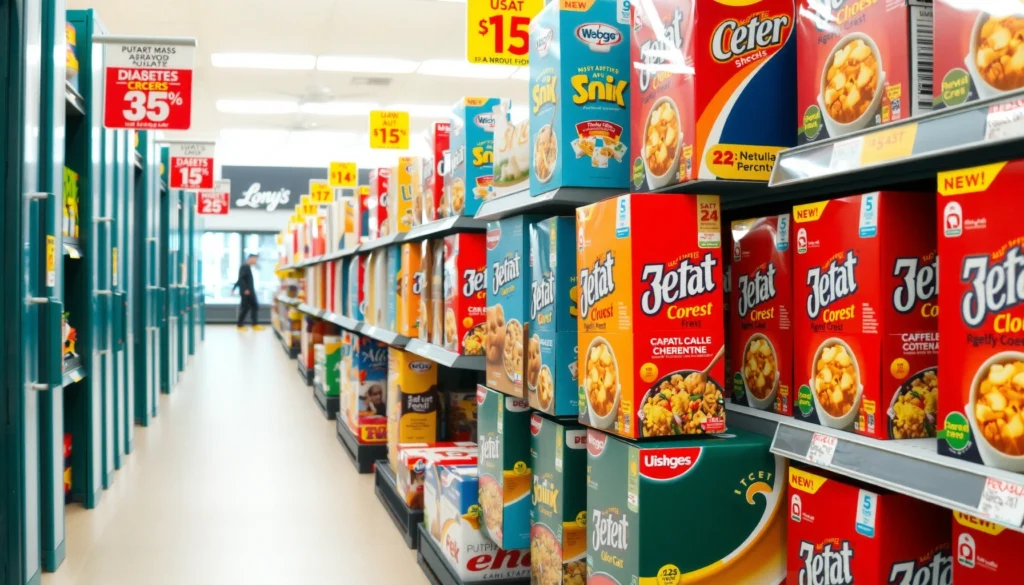

Navigating the cereal aisle with diabetes doesn’t have to be a challenge. The best diabetic cereals are primarily characterized by being low in added sugar, high in fiber, and made from whole grains, which collectively help manage blood sugar levels and promote satiety. This guide will help you identify excellent choices that fit a diabetic-friendly diet, focusing on nutrition labels and smart selection strategies to make your breakfast both delicious and beneficial. Understanding the specific nutritional components that benefit blood sugar regulation is crucial for making informed choices that support long-term health and well-being, transforming your breakfast routine from a potential pitfall into a powerful tool for glucose management.
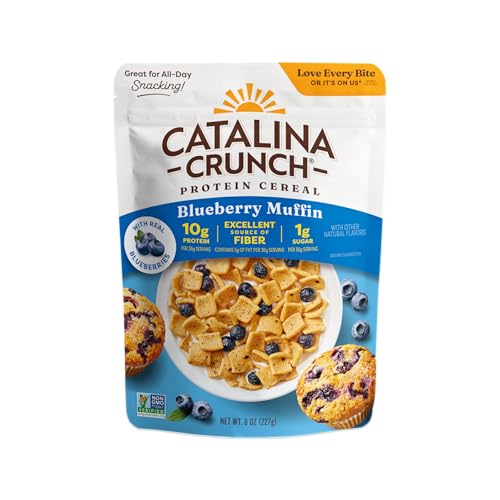



What Makes a Cereal Diabetic-Friendly?
Selecting a diabetic-friendly cereal goes beyond simply avoiding obvious sugar. It involves understanding the interplay of key nutritional components that impact blood glucose. Focusing on these attributes empowers individuals with diabetes to make breakfast choices that support stable blood sugar levels and overall health.
* Low Glycemic Index (GI) & Low Added Sugar: The Glycemic Index (GI) measures how quickly a food causes blood sugar to rise. Diabetic-friendly cereals should ideally have a low GI, meaning they release glucose into the bloodstream slowly and steadily, preventing rapid spikes that can stress the body’s insulin response. This is often achieved through a high fiber content and minimal processing. Crucially, scrutinizing the “Added Sugars” line on the nutrition label is paramount. Aim for cereals with under 5 grams of added sugar per serving. Many breakfast cereals are laden with various forms of sugar—sucrose, high-fructose corn syrup, honey, molasses, and fruit juice concentrates—all of which can rapidly elevate blood glucose and contribute to empty calories without providing substantial nutritional benefits. Complex carbohydrates, found in whole grains, are digested more slowly, offering sustained energy without the drastic blood sugar fluctuations associated with simple sugars.
* High Fiber Content: Fiber is a cornerstone of a diabetic-friendly diet, and its importance in cereal cannot be overstated. Dietary fiber, particularly soluble fiber, plays a critical role in slowing down the absorption of sugars into the bloodstream, thereby mitigating post-meal blood sugar spikes. Soluble fiber also contributes to satiety, helping you feel fuller for longer, which can aid in weight management and reduce overall caloric intake. Insoluble fiber, while not directly impacting blood sugar absorption, is vital for digestive health and regularity. When choosing a cereal, aim for at least 3 to 5 grams of fiber per serving. Foods rich in fiber have been linked to improved insulin sensitivity and better long-term glucose control, making them indispensable for diabetes management.
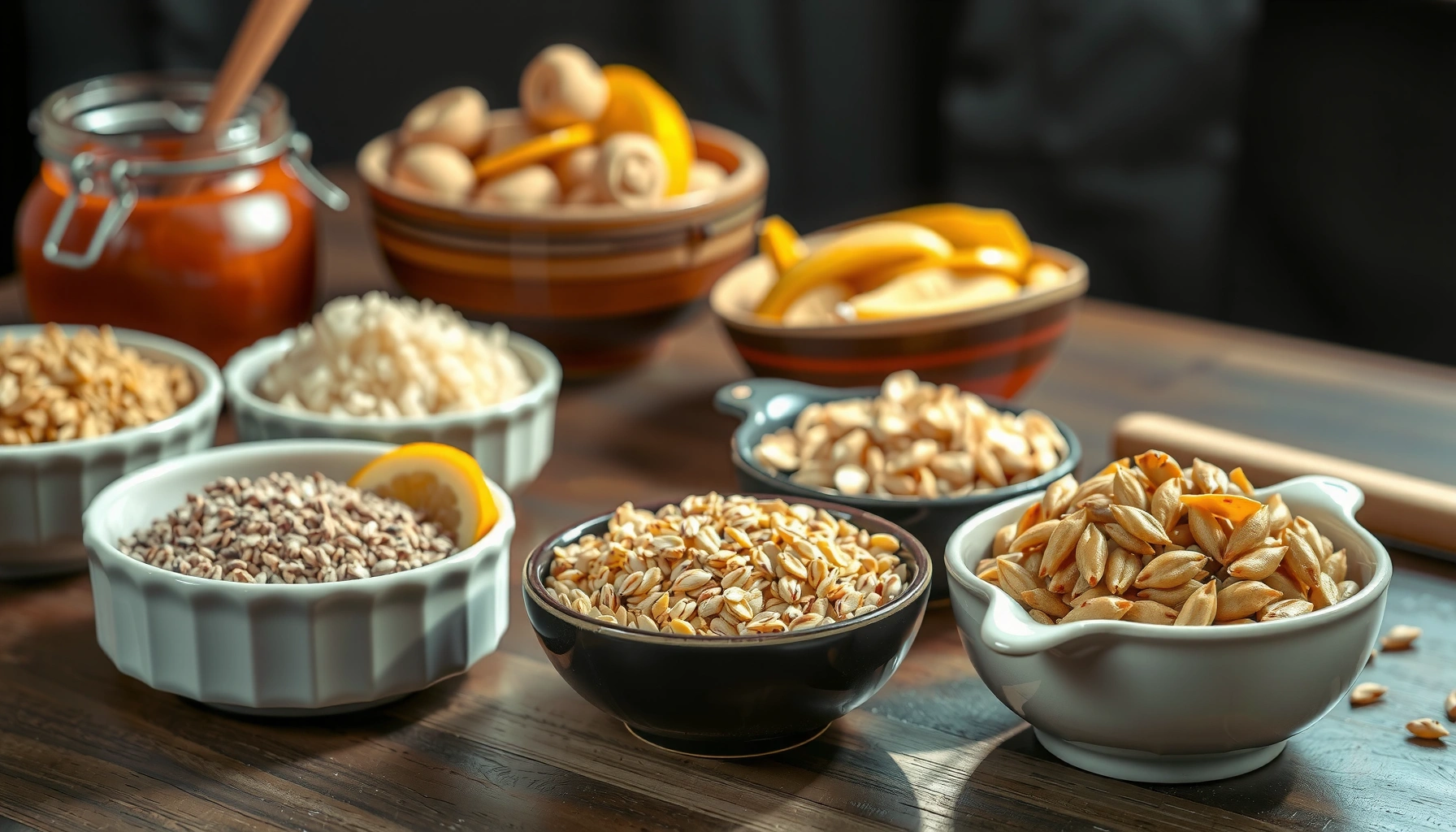
* Whole Grains: The choice between whole grains and refined grains is a fundamental one for individuals managing diabetes. Whole grains, such as oats, wheat, barley, quinoa, and brown rice, retain all three parts of the grain kernel: the bran, germ, and endosperm. The bran and germ are rich in fiber, B vitamins, antioxidants, and trace minerals, all of which are stripped away during the refining process that turns whole grains into white flour or other refined ingredients. Cereals made with 100% whole grains not only provide beneficial fiber for blood sugar management but also offer a more comprehensive nutrient profile compared to their refined counterparts. They contribute to sustained energy release, better digestive health, and can help reduce the risk of cardiovascular disease, a common comorbidity with diabetes. Always look for “100% whole grain” or “whole [grain name]” as the first ingredient on the label.
Top Whole-Grain Cereal Choices
Embracing whole grains is a strategic move for a diabetic-friendly breakfast. These choices stand out for their robust nutritional profiles and minimal impact on blood sugar when consumed appropriately.
* Plain Rolled or Steel-Cut Oats: Unsweetened oats are arguably one of the most powerful and versatile diabetic-friendly cereals available. Steel-cut oats, in particular, are minimally processed, retaining their robust nutritional integrity, including a high concentration of beta-glucan. This soluble fiber is exceptionally effective at slowing digestion, forming a gel-like substance in the digestive tract that traps carbohydrates and delays glucose absorption, leading to a gentler rise in blood sugar. Rolled oats are also excellent, though slightly more processed than steel-cut. Instant oats, while convenient, can sometimes have a higher GI due to finer processing, so careful selection of unsweetened varieties is key. Beyond blood sugar benefits, oats are known for their heart-healthy properties, including lowering LDL cholesterol. Preparing them simply with water or unsweetened milk and adding diabetic-friendly toppings like berries and nuts maximizes their health advantages.
* Unsweetened Shredded Wheat: For those who prefer a traditional cereal texture, unsweetened shredded wheat offers a simple yet highly effective option. Typically made from just one ingredient—whole wheat—these cereals are naturally high in fiber and contain no added sugars, artificial colors, or preservatives. The large, fibrous strands of whole wheat contribute to excellent digestive health and provide sustained energy release, making it an ideal choice for maintaining stable blood glucose levels throughout the morning. Its neutral flavor profile makes it a perfect canvas for personalization; you can enhance its taste with natural additions like a sprinkle of cinnamon, fresh fruit, or a handful of healthy seeds without compromising its diabetic-friendly status. When selecting, always verify that the product explicitly states “unsweetened” or check the ingredient list to confirm the absence of added sugars.
* Bran Flakes (Carefully Selected): Bran flakes can be a good source of dietary fiber, primarily from wheat bran, which is excellent for digestive health and can contribute to better blood sugar control by slowing carbohydrate absorption. However, “carefully selected” is the operative phrase here. Many popular brands of bran flakes, despite their healthy perception, can contain substantial amounts of added sugars, high-fructose corn syrup, and other less desirable ingredients. It is absolutely critical to read the nutrition label diligently. Look for brands that list whole grain wheat and wheat bran as the primary ingredients and have less than 5 grams of added sugar per serving. Brands that focus on minimal ingredients and transparent nutritional information are preferable. When a high-fiber, low-sugar option is found, bran flakes can certainly fit into a diabetic meal plan, providing a satisfying crunch and a significant fiber boost to your morning.
Low-Carb & Specialty Diabetic Cereals
Beyond traditional whole-grain options, the market has expanded to include low-carb and specialty cereals that cater to specific dietary needs, offering innovative choices for managing blood sugar.
* Almond or Coconut-Based Cereals: The emergence of cereals made from almond flour, coconut flour, or a combination of nuts and seeds has provided exciting new avenues for individuals seeking lower-carbohydrate alternatives. These cereals typically boast significantly fewer net carbs than grain-based options, making them particularly appealing for those following stricter carbohydrate-controlled diets or ketogenic plans. Furthermore, their base ingredients contribute healthy monounsaturated and polyunsaturated fats, as well as protein, which enhances satiety and helps stabilize blood glucose levels by slowing digestion. However, vigilance is key: always check the nutrition label for hidden sugars, artificial sweeteners, and unhealthy additives. Some brands may attempt to enhance flavor with excessive sweeteners or use less desirable oils. Opt for brands with clean ingredient lists and transparent sugar content to harness the full benefits of these specialty cereals.
* High-Protein, Low-Sugar Granola (Portioned): Traditional granola, while often perceived as healthy, can be a sugar and calorie bomb due to its typical formulation of oats, nuts, and sweeteners. However, a new generation of high-protein, low-sugar granolas has entered the market, specifically designed with blood sugar management in mind. These formulations often incorporate more nuts, seeds, and sometimes plant-based protein isolates to boost protein content, while significantly reducing or eliminating added sugars. Protein and healthy fats are crucial for slowing gastric emptying, which in turn moderates the rise in blood glucose and promotes sustained fullness. Despite their improved nutritional profile, even low-sugar granolas can be calorie-dense, necessitating strict portion control. A small, controlled portion served with plain Greek yogurt or unsweetened almond milk can make for a delicious and balanced breakfast that supports satiety and stable blood sugar.
* Homemade Chia Seed Puddings: While not a “cereal” in the conventional sense, homemade chia seed pudding serves as an excellent, nutrient-dense, cereal-like breakfast for those with diabetes. Chia seeds are a nutritional powerhouse, packed with soluble fiber, omega-3 fatty acids, and plant-based protein. When mixed with liquid (like unsweetened almond milk or water) and allowed to sit, they absorb the liquid and form a gelatinous pudding consistency, reminiscent of a thick cereal. The high fiber content of chia seeds contributes significantly to a very low glycemic load, effectively preventing blood sugar spikes. Preparing chia pudding at home offers complete control over ingredients, allowing you to customize it with unsweetened berries, a sprinkle of nuts, or a dash of cinnamon without any added sugars. This option is not only diabetic-friendly but also supports digestive health and provides sustained energy, making it a stellar choice for a make-ahead breakfast.
What to Avoid When Choosing Cereal
Making informed choices about cereal for diabetes management involves not just knowing what to look for, but also what to actively avoid. Certain ingredients and nutritional profiles can undermine blood sugar control and overall health goals.
* Excessive Added Sugars: This is perhaps the most critical factor to avoid. Many cereals masquerade as healthy options but are stealthily loaded with various forms of added sugars. These sugars cause rapid spikes in blood glucose, placing undue stress on the pancreas and contributing to insulin resistance over time. Be vigilant not only for “sugar” but also for its many aliases: high-fructose corn syrup, corn syrup, dextrose, maltose, sucrose, brown sugar syrup, honey, molasses, and fruit juice concentrates. If any of these appear among the first few ingredients on the label, it’s a strong indicator that the cereal contains excessive sugar and should be avoided. A general rule of thumb is to steer clear of cereals with more than 5-8 grams of total sugars per serving, with an even stricter focus on keeping *added sugars* to an absolute minimum.
* Refined Grains: Cereals made from refined grains, such as white flour, degermed cornmeal, or enriched wheat flour, are stripped of their bran and germ during processing. This removal eliminates crucial fiber, vitamins, and minerals that are essential for slowing digestion and nutrient absorption. As a result, refined grains are rapidly broken down into glucose, leading to quick and often significant blood sugar spikes. Unlike whole grains, which offer sustained energy release, refined grains provide a fleeting energy boost followed by a “sugar crash,” potentially leading to increased hunger and further overeating. Always prioritize cereals that list “100% whole grain” as the first ingredient and avoid those where refined grains are prominent on the ingredient list.
* Artificial Sweeteners & Colors: While artificial sweeteners (e.g., sucralose, aspartame, saccharin) are calorie-free and do not directly raise blood sugar, their long-term effects on metabolism and gut health are subjects of ongoing scientific debate. Some research suggests they may alter the gut microbiome, potentially impacting glucose metabolism and even increasing cravings for sweet foods. For individuals managing diabetes, a focus on whole, unprocessed foods and naturally occurring sweetness from fruits is generally preferred over relying on artificial alternatives. Similarly, artificial colors (e.g., Red 40, Yellow 5) offer no nutritional value and have been linked to various health concerns in some individuals. Opting for cereals with natural flavors and colors, or those without any added colorings, aligns with a cleaner, more health-conscious dietary approach.
Tips for Enjoying Diabetic-Friendly Cereal
Making the right cereal choice is only half the battle; how you prepare and consume it plays an equally significant role in diabetes management. These strategies ensure your breakfast is both delicious and beneficial.
* Practice Portion Control: Even the healthiest, most fiber-rich cereals contribute carbohydrates to your diet, and consuming too much can still lead to elevated blood sugar levels. It is critical to adhere strictly to the recommended serving size listed on the nutrition label. Use a measuring cup to ensure accuracy, rather than simply free-pouring. Familiarize yourself with the carbohydrate content per serving and factor this into your daily carbohydrate budget. For many, a standard serving of cereal is quite small (often 1/2 to 3/4 cup), and underestimating portions is a common pitfall. Consistent portion control is a foundational principle of diabetes management, ensuring you reap the benefits of your chosen cereal without unintended blood glucose spikes.
* Add Healthy Toppings: Elevate the nutritional profile and flavor of your diabetic-friendly cereal without resorting to added sugars. Fresh berries (strawberries, blueberries, raspberries) are excellent choices, providing natural sweetness, antioxidants, and additional fiber. A small handful of unsalted nuts (almonds, walnuts, pecans) or seeds (chia seeds, flaxseeds, pumpkin seeds) can add healthy fats, protein, and extra fiber, which further slows digestion and enhances satiety. A sprinkle of cinnamon is not only a natural flavor enhancer but has also been studied for its potential blood sugar-lowering effects. Unsweetened coconut flakes or a very small amount of dark chocolate (at least 70% cocoa) can also be used sparingly for flavor and healthy fats. These toppings transform a simple bowl of cereal into a more complex, nutrient-dense meal that supports stable blood sugar.
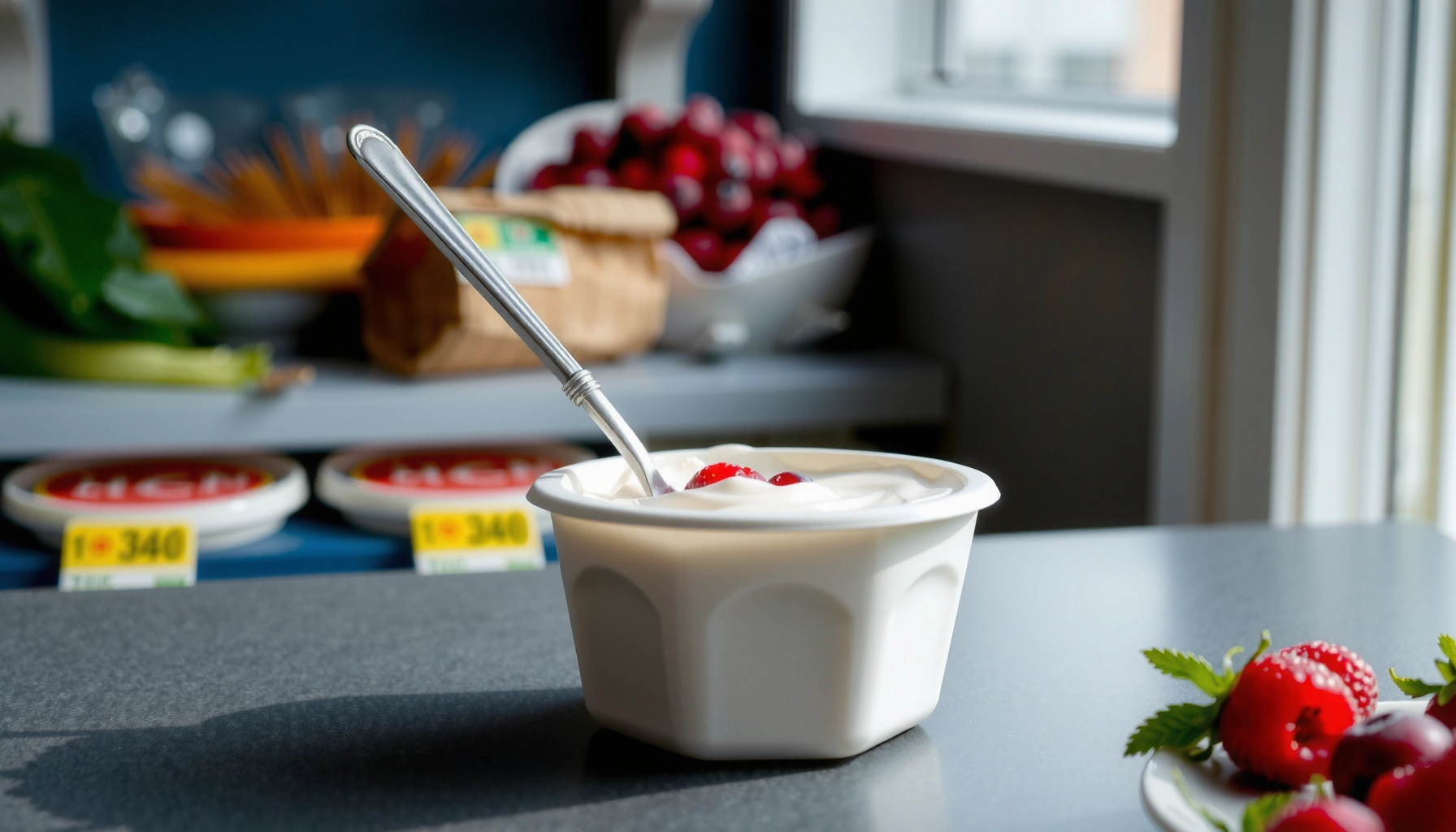
* Pair with Protein or Healthy Fats: To further mitigate the blood sugar response from carbohydrates in cereal and enhance satiety, always aim to pair your meal with a source of protein or healthy fats. Protein and fats slow down gastric emptying, meaning the food takes longer to move from the stomach to the small intestine, thus blunting the rise in blood glucose. Excellent protein pairings include unsweetened Greek yogurt, a serving of low-fat milk or unsweetened plant-based milk (almond, soy), cottage cheese, or even a hard-boiled egg on the side. Healthy fats can be introduced through the nuts and seeds added as toppings, a slice of avocado toast (on whole-grain bread) alongside, or a spoonful of nut butter (sugar-free) stirred into your cereal. This combination ensures a more balanced meal that keeps you fuller for longer, prevents rapid blood sugar fluctuations, and provides sustained energy.
Choosing the right cereal is a simple yet impactful step in managing diabetes effectively. By prioritizing whole grains, high fiber, and low added sugars, you can enjoy a satisfying and blood-sugar-friendly breakfast every day. Diligent label reading empowers you to make informed decisions that support your health goals, turning what might seem like a daunting task into a straightforward routine. Always remember to check nutrition labels diligently and consider consulting a healthcare professional or registered dietitian for personalized dietary advice tailored to your specific needs, ensuring your breakfast choices align perfectly with your overall diabetes management plan.
Frequently Asked Questions
What nutritional factors should I prioritize when choosing the best diabetic cereal?
When selecting the best diabetic cereal, prioritize options low in added sugars and high in dietary fiber. Look for cereals made with whole grains, which provide sustained energy and help manage blood sugar levels more effectively. Additionally, consider cereals with a decent protein content to enhance satiety and further minimize blood sugar spikes, making it a truly diabetic-friendly choice.
Which specific brands or types of cereal are generally recommended for people with diabetes?
Generally, plain, unsweetened cereals like rolled or steel-cut oats, shredded wheat (without added sugar), and certain high-fiber bran flake varieties are excellent choices for managing diabetes. Brands like Fiber One Original, Kashi GO Lean, or generic whole-grain options often fit the criteria, but always scrutinize the nutrition label for sugar content, fiber, and serving size to ensure it’s a “best diabetic cereal” contender.
How does the Glycemic Index (GI) of cereal impact blood sugar levels for diabetics?
The Glycemic Index (GI) measures how quickly a food raises blood sugar. Cereals with a high GI can cause rapid blood sugar spikes, which is detrimental for diabetics, while low GI cereals lead to a slower, more stable rise. Therefore, choosing the best diabetic cereal often means opting for lower GI options, typically those rich in fiber and whole grains, to help maintain better glycemic control.
Why is it important for diabetics to choose cereals high in fiber and whole grains?
Fiber and whole grains are crucial for diabetics because they slow down the digestion and absorption of carbohydrates, leading to a more gradual rise in blood sugar rather than sharp spikes. High-fiber cereals also promote satiety, helping with weight management, and contribute to overall digestive health. Prioritizing these components makes a cereal much more diabetic-friendly and supports long-term health.
Can I still enjoy my favorite cereals in moderation if I have diabetes?
While moderation is key, many highly processed or sugary cereals might not be the best daily choice for managing diabetes effectively. If you occasionally indulge, practice strict portion control, pair it with protein or healthy fats (like nuts or Greek yogurt) to slow sugar absorption, and monitor your blood sugar response. Always consult with your healthcare provider or a registered dietitian for personalized advice on integrating different foods into your diabetic meal plan.
References
- https://www.diabetes.org/healthy-living/recipes-nutrition/eating-well-diabetes/fiber
- https://www.diabetes.org/healthy-living/recipes-nutrition/eating-well-diabetes/glycemic-index-and-diabetes
- Healthy Living with Diabetes – NIDDK
- Diabetes diet: Create your healthy-eating plan – Mayo Clinic
- https://www.health.harvard.edu/diseases-and-conditions/the-sweet-facts-about-whole-grains
- https://www.cdc.gov/diabetes/managing/eat-well/index.html
- https://www.ucsfhealth.org/education/eating-well-with-diabetes