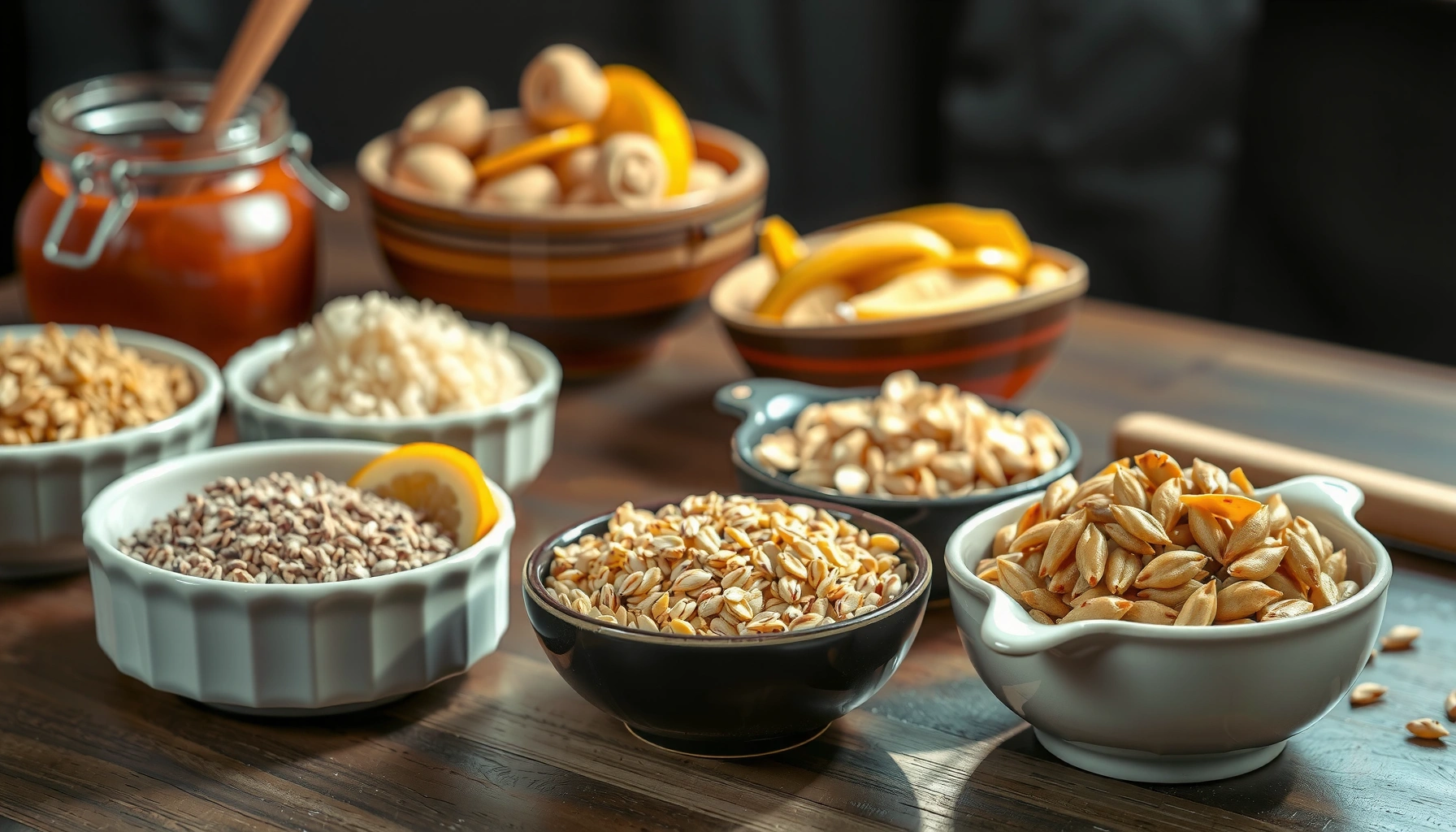

The best diabetic breakfast choices prioritize a balanced intake of lean protein, complex carbohydrates, healthy fats, and ample fiber to help stabilize blood sugar levels, promote satiety, and provide sustained energy. By focusing on whole, unprocessed foods and mindful combinations, you can effectively manage your blood glucose while enjoying delicious and satisfying meals to start your day right.



The Core Principles of a Diabetic-Friendly Breakfast
Crafting a breakfast that effectively supports blood glucose management requires an understanding of fundamental nutritional principles. These guidelines serve as the bedrock for making informed food choices that promote overall health and prevent rapid fluctuations in blood sugar.
* Balance Macronutrients: A truly diabetic-friendly breakfast isn’t just about avoiding sugar; it’s about strategic nutrient pairing. Aim for a mix of protein, complex carbohydrates, and healthy fats in every meal. Protein and healthy fats slow down gastric emptying, which in turn moderates the absorption of glucose from carbohydrates into the bloodstream. This synergistic effect prevents sharp blood sugar spikes and sustains energy levels, reducing the likelihood of mid-morning cravings or energy crashes. For example, pairing a complex carbohydrate like whole-grain toast with an egg (protein) and avocado (healthy fat) is far more beneficial than consuming the toast alone.
* Prioritize Fiber: Fiber is a non-digestible carbohydrate that plays a pivotal role in blood sugar control and digestive health. Foods rich in fiber—such as fruits, vegetables, whole grains, and legumes—slow down the rate at which sugar is absorbed into the bloodstream. Soluble fiber, found in oats and berries, forms a gel-like substance in the digestive tract, further enhancing this effect. Beyond blood sugar management, fiber promotes feelings of fullness, aiding in weight management, and supports a healthy gut microbiome, which is increasingly linked to metabolic health. Incorporating diverse sources of fiber ensures a comprehensive approach to health.
* Choose Low Glycemic Index (GI) Carbs: Not all carbohydrates are created equal when it comes to their impact on blood sugar. The Glycemic Index (GI) is a ranking system that measures how quickly a carbohydrate-containing food raises blood glucose levels. Opt for carbohydrates with a low GI, which cause a slower, more gradual rise in blood sugar, preventing the rapid fluctuations that can be detrimental for individuals with diabetes. Examples include steel-cut oats, most non-starchy vegetables, and specific fruits like berries. Combining low-GI carbs with protein and fats further minimizes their glycemic impact, ensuring more stable and predictable blood sugar responses.
Protein-Rich Breakfast Powerhouses
Protein is an indispensable macronutrient for individuals managing diabetes, offering satiety, muscle preservation, and a minimal impact on blood glucose levels. Prioritizing protein at breakfast can significantly contribute to better glycemic control throughout the morning.
* Eggs (Scrambled, Boiled, Omelets): Eggs are a gold standard for diabetic-friendly breakfasts due to their exceptional nutritional profile. A single large egg provides about 6 grams of high-quality protein with virtually no carbohydrates, making them an ideal food for stabilizing blood sugar. They are also rich in essential vitamins and minerals like vitamin D, choline, and selenium. Their versatility allows for endless culinary creativity: scrambled with a handful of spinach, hard-boiled for a grab-and-go option, or fashioned into a vegetable-packed omelet. The sustained satiety provided by eggs helps prevent overeating and snacking on less healthy options later in the morning.
* Greek Yogurt (Plain, Unsweetened): Unsweetened Greek yogurt stands out among dairy options for its remarkably high protein content—often double that of regular yogurt. This makes it an excellent choice for prolonged fullness and blood sugar stability. Furthermore, Greek yogurt is a rich source of probiotics, beneficial bacteria that support gut health, which is increasingly recognized for its connection to metabolic well-being. Always select plain, unsweetened varieties to avoid hidden added sugars, which can negate its benefits. Enhance its flavor and nutritional value with a sprinkle of chopped nuts for healthy fats and fiber, or a small handful of fresh berries for antioxidants and natural sweetness.
* Cottage Cheese: Cottage cheese is another fantastic, often overlooked, protein-rich dairy product that fits perfectly into a diabetic breakfast plan. It provides a substantial amount of slow-digesting casein protein, contributing to extended satiety and a steady release of amino acids. Available in various fat percentages, individuals can choose according to their dietary preferences. Its mild flavor makes it incredibly versatile. Enjoy it savory with sliced tomatoes, a dash of black pepper, and fresh chives, or combine it with a small, measured portion of low-glycemic fruit like melon or peach slices, ensuring careful carbohydrate counting.
Fiber-Filled Whole Grains & Produce
Integrating fiber-rich whole grains and fresh produce into your morning meal is crucial for managing blood sugar, promoting digestive health, and ensuring prolonged satiety. These foods provide essential nutrients and complex carbohydrates that release glucose slowly.
* Oatmeal (Steel-Cut or Rolled): Not all oatmeal is created equal. Steel-cut or old-fashioned rolled oats are superior choices for individuals with diabetes due to their higher fiber content and lower glycemic index compared to instant varieties. They are a complex carbohydrate rich in soluble fiber, particularly beta-glucan, which has been shown to slow glucose absorption, reduce cholesterol, and support a healthy gut. Always choose unsweetened varieties to avoid added sugars, which can swiftly counteract their benefits. Prepare with water or unsweetened almond/soy milk, and top with a spoonful of chia seeds or chopped walnuts for an extra boost of fiber, healthy fats, and protein, further balancing the meal’s glycemic impact.
* Whole-Wheat Toast/English Muffins: When selecting bread products, prioritizing whole-wheat options over refined white flour versions is paramount. Whole-wheat toast or English muffins retain the entire grain kernel, including the bran and germ, which are packed with fiber, vitamins, and minerals. This significantly lowers their glycemic impact compared to white bread. Always check labels to ensure “whole wheat” is the first ingredient and look for products with at least 3 grams of fiber per serving. Pair these with healthy toppings to create a balanced meal: mashed avocado for heart-healthy monounsaturated fats, natural nut butter (without added sugar) for protein and fats, or a poached egg for a protein boost.
* Berries (Blueberries, Strawberries, Raspberries): Berries are a powerhouse of nutrition, offering natural sweetness, high fiber content, and a wealth of antioxidants, all with a relatively low impact on blood sugar. Blueberries, strawberries, raspberries, and blackberries are excellent choices due to their impressive fiber-to-sugar ratio. For instance, a cup of raspberries contains about 8 grams of fiber. These fruits contribute essential vitamins like Vitamin C and K, and various phytonutrients known for their anti-inflammatory properties. They can be enjoyed fresh, frozen, or incorporated into oatmeal, Greek yogurt, or smoothies, providing a satisfying sweet element without relying on refined sugars.
Incorporating Healthy Fats for Satiety
While often misunderstood, healthy fats are a critical component of a diabetic-friendly breakfast. They contribute to sustained satiety, enhance the absorption of fat-soluble vitamins, and have a negligible impact on blood sugar levels, making them excellent allies in blood glucose management.
* Avocado: Avocado is a true superfood, renowned for its creamy texture and exceptional nutritional value. It is rich in monounsaturated fats, particularly oleic acid, which are beneficial for heart health and can help improve insulin sensitivity. Additionally, avocados provide a good source of fiber, potassium, and various vitamins, contributing to overall well-being. Its satisfying fat content helps to slow digestion and promotes a feeling of fullness, reducing the urge to snack between meals. Enjoy avocado sliced on whole-grain toast, mashed into a savory spread, or even blended into a creamy breakfast smoothie for an added nutritional punch.
* Nuts and Seeds (Almonds, Chia, Flax): Nuts and seeds are concentrated sources of healthy fats, dietary fiber, and plant-based protein, making them ideal additions to a diabetic breakfast. Almonds, walnuts, chia seeds, and flaxseeds, in particular, offer an impressive array of nutrients. Almonds and walnuts are rich in omega-3 fatty acids, which are crucial for heart and brain health. Chia and flax seeds are excellent sources of soluble fiber and omega-3s (ALA), which can further aid in blood sugar control and digestion. Sprinkle a small handful of chopped nuts on your oatmeal or Greek yogurt, or incorporate chia and flax seeds into overnight oats or smoothies to boost nutrient density and prolong satiety.
* Natural Nut Butters (Unsweetened): Natural nut butters, such as almond butter or peanut butter, are convenient and delicious sources of healthy fats and protein. The key differentiator is “natural” and “unsweetened.” Many commercial nut butters are laden with added sugars, hydrogenated oils, and excessive sodium, which can undermine their health benefits. Always meticulously check nutrition labels to ensure the only ingredients are nuts (and perhaps a touch of salt). A tablespoon of natural nut butter can be spread on whole-wheat toast, added to oatmeal, or used as a dip for apple slices, providing a satisfying blend of macronutrients that helps to keep blood sugar levels stable.
Quick and Convenient Diabetic Breakfast Ideas
Managing diabetes doesn’t mean sacrificing convenience, especially during busy mornings. With a bit of foresight and smart preparation, you can enjoy delicious, balanced breakfasts that support your health goals without taking up too much time.
* Overnight Oats: Overnight oats are the epitome of convenience and customization for a diabetic-friendly breakfast. Prepared the night before, they require no cooking in the morning. Simply combine unsweetened rolled oats with milk (dairy or unsweetened non-dairy such as almond or soy milk), a tablespoon of chia seeds (for extra fiber and omega-3s), and a handful of berries in a jar or container. Refrigerate overnight, and by morning, the oats will have softened into a creamy, ready-to-eat meal. This method ensures a low-GI, high-fiber breakfast that keeps you full and your blood sugar stable without any morning rush.
* Breakfast Smoothies: Smoothies offer a quick and efficient way to pack a substantial amount of nutrition into a portable meal. For a diabetic-friendly version, the focus should be on protein, fiber, and healthy fats, while minimizing added sugars. Blend unsweetened protein powder (whey, casein, or plant-based), a handful of nutrient-dense spinach (you won’t taste it!), a small portion of low-glycemic berries, and unsweetened almond or soy milk as the liquid base. You can also add a tablespoon of flax or chia seeds for an extra fiber and omega-3 boost. This combination ensures a balanced macronutrient profile that helps stabilize blood sugar and provides sustained energy.
* Pre-Portioned Egg Muffins: For those who prefer a savory, warm breakfast that’s ready to go, pre-portioned egg muffins are an excellent solution. These can be baked in advance, typically on a Sunday, and stored in the refrigerator for up to 3-4 days or frozen for longer. Whisk eggs with a splash of milk and pour the mixture into greased muffin tins filled with your favorite non-starchy vegetables like diced bell peppers, spinach, onions, and mushrooms. Bake until set. These protein-packed, low-carb muffins offer a convenient, grab-and-go option that can be quickly reheated, providing a satisfying and blood-sugar-friendly start to any busy morning.
Breakfast Foods to Limit or Avoid
Understanding which foods to limit or avoid is just as important as knowing what to include in a diabetic-friendly breakfast. Certain items can quickly derail blood sugar management and contribute to other health complications.
* Sugary Cereals and Pastries: These items are perhaps the most notorious culprits for rapid blood sugar spikes. Most breakfast cereals, especially those marketed towards children, are heavily processed and laden with refined carbohydrates and copious amounts of added sugars, while being notoriously low in beneficial fiber and protein. Similarly, pastries like donuts, croissants, muffins, and danishes are typically made with white flour, sugar, and unhealthy fats. Consuming these can lead to a quick surge in blood glucose, followed by an equally sharp crash, contributing to energy slumps and increased cravings, making blood sugar control challenging.
* Fruit Juices: While whole fruits are a cornerstone of a healthy diet, fruit juices tell a different story. The juicing process strips away the beneficial fiber found in whole fruits, leaving behind a concentrated source of natural sugars (fructose). Without the fiber to slow down absorption, these sugars enter the bloodstream rapidly, causing a much more significant and immediate impact on blood glucose levels compared to eating the whole fruit. Even “100% natural” fruit juices can be detrimental for individuals with diabetes, as they essentially deliver a sugar dose without the satiety and blood sugar-stabilizing benefits of whole produce. Water, unsweetened tea, or unsweetened coffee are much better beverage choices.
* Processed Meats (Bacon, Sausage): While eggs are a healthy protein, pairing them with processed meats like bacon, sausage, or ham can introduce less desirable elements into your breakfast. These items are often high in saturated fat and sodium, and frequently contain nitrates, which are linked to increased risks for heart disease and other chronic conditions. For individuals with diabetes, who are already at a higher risk for cardiovascular complications, limiting intake of these types of meats is crucial for promoting heart health. Opt instead for lean protein sources like eggs, lean poultry, or plant-based proteins to minimize these risks and support overall well-being.
Essential Tips for Diabetic Breakfast Planning
Beyond specific food choices, adopting smart planning and consumption habits can significantly enhance your ability to manage blood sugar effectively and maintain a healthy lifestyle.
* Practice Portion Control: Even healthy foods, when consumed in excessive amounts, can impact blood sugar levels. Portion control is a cornerstone of effective diabetes management, particularly for carbohydrate-containing foods. Be mindful of serving sizes for items like oatmeal, whole-grain toast, and fruits, aligning them with your individualized dietary plan as recommended by your healthcare provider or a registered dietitian. Using measuring cups and scales initially can help train your eye to recognize appropriate portions, ensuring you stay within your carbohydrate targets and prevent inadvertent blood sugar spikes.
* Read Nutrition Labels: The nutrition label is your most powerful tool in making informed food choices. Always take the time to scrutinize labels, especially for packaged breakfast items. Pay close attention to the “Total Carbohydrates” (including fiber and sugar alcohols), “Added Sugars,” and “Fiber” content. Aim for products with lower added sugars, higher fiber, and a moderate total carbohydrate count that fits your meal plan. Ingredients lists are also crucial; look for whole, unprocessed ingredients and avoid products with a long list of unfamiliar additives or high-fructose corn syrup hidden within.
* Consistency is Key: Establishing a consistent routine for your breakfast can profoundly impact blood sugar regulation. Eating breakfast at a similar time each day helps to regulate your body’s natural circadian rhythms, which play a role in insulin sensitivity and glucose metabolism. Skipping breakfast or having highly variable meal times can disrupt this rhythm, potentially leading to more unpredictable blood sugar fluctuations and increased hunger later in the day. A consistent morning meal sets a stable foundation for your metabolic processes, making it easier to manage blood glucose throughout the rest of your day.
To summarize, crafting the best diabetic breakfast involves prioritizing a thoughtful blend of lean proteins, complex carbohydrates, healthy fats, and abundant fiber. By making conscious choices like eggs, Greek yogurt, whole-grain oats, and berries, and purposefully limiting sugary, processed options, you can effectively manage your blood sugar and fuel your body for a successful day. Start experimenting with these healthy ideas to discover delicious and satisfying breakfasts that support your long-term health and well-being.
Frequently Asked Questions
What makes a breakfast “diabetic-friendly” for managing blood sugar?
A diabetic-friendly breakfast prioritizes stable blood sugar levels by focusing on low glycemic index foods rich in fiber, lean protein, and healthy fats. These components slow down glucose absorption, preventing sharp spikes and providing sustained energy throughout the morning. Emphasizing whole, unprocessed foods like vegetables, whole grains, and lean proteins is key for effective diabetes management and maintaining consistent energy.
How can I create a satisfying and balanced diabetic breakfast that keeps me full?
To create a satisfying and balanced diabetic breakfast, combine a lean protein source like eggs, Greek yogurt, or cottage cheese with high-fiber foods such as berries, leafy greens, or whole-grain oats. Adding healthy fats from avocados, nuts, or seeds further enhances satiety and helps stabilize blood sugar, preventing mid-morning hunger pangs. Portion control is also essential to ensure your meal supports your blood sugar goals.
What are some quick and easy diabetic breakfast ideas for busy mornings?
For busy mornings, excellent diabetic breakfast choices include overnight oats made with unsweetened almond milk and berries, scrambled eggs with spinach and a slice of whole-wheat toast, or a high-protein smoothie with unsweetened protein powder, spinach, and a few nuts. Greek yogurt parfaits layered with chia seeds and a small amount of fruit also offer a convenient and healthy option. These ideas provide balanced nutrition without requiring extensive preparation time.
Why is choosing the right breakfast crucial for diabetics, especially regarding morning blood sugar spikes?
Choosing the right breakfast is crucial for diabetics because it sets the tone for blood sugar control throughout the entire day, effectively combating the “dawn phenomenon” where blood sugar naturally rises in the morning. A balanced, low-glycemic breakfast helps prevent post-meal spikes, reduces cravings, and improves insulin sensitivity, which is vital for long-term diabetes management. Skipping breakfast or consuming high-carb, sugary options can exacerbate morning hyperglycemia and make overall blood sugar regulation more challenging.
Which common breakfast foods should diabetics limit or avoid to maintain healthy blood sugar levels?
Diabetics should limit or avoid common breakfast foods high in refined carbohydrates and added sugars, as these can cause rapid blood sugar spikes. This includes sugary cereals, pastries, donuts, white toast, pancakes, waffles with syrup, and fruit juices. Additionally, processed breakfast meats like bacon and sausage, while high in protein, often contain unhealthy fats and sodium that are detrimental to overall cardiovascular health, making leaner protein sources a better choice for a healthy diabetic diet.
References
- https://www.diabetes.org/healthy-living/recipes/meal-planning/breakfast
- https://www.mayoclinic.org/diseases-conditions/diabetes/in-depth/diabetes-meal-plan/art-20046187
- https://www.niddk.nih.gov/health-information/diabetes/overview/diet-eating-physical-activity/meal-planning
- https://www.hsph.harvard.edu/nutritionsource/disease-prevention/diabetes-prevention/preventing-type-2-diabetes/
- https://health.clevelandclinic.org/what-foods-should-you-eat-if-you-have-diabetes
- https://www.cdc.gov/diabetes/managing/eat-well/index.html
- https://www.nhs.uk/conditions/type-2-diabetes/food-and-diet/
- https://www.diabetes.org/healthy-recipes/healthy-breakfast-recipes