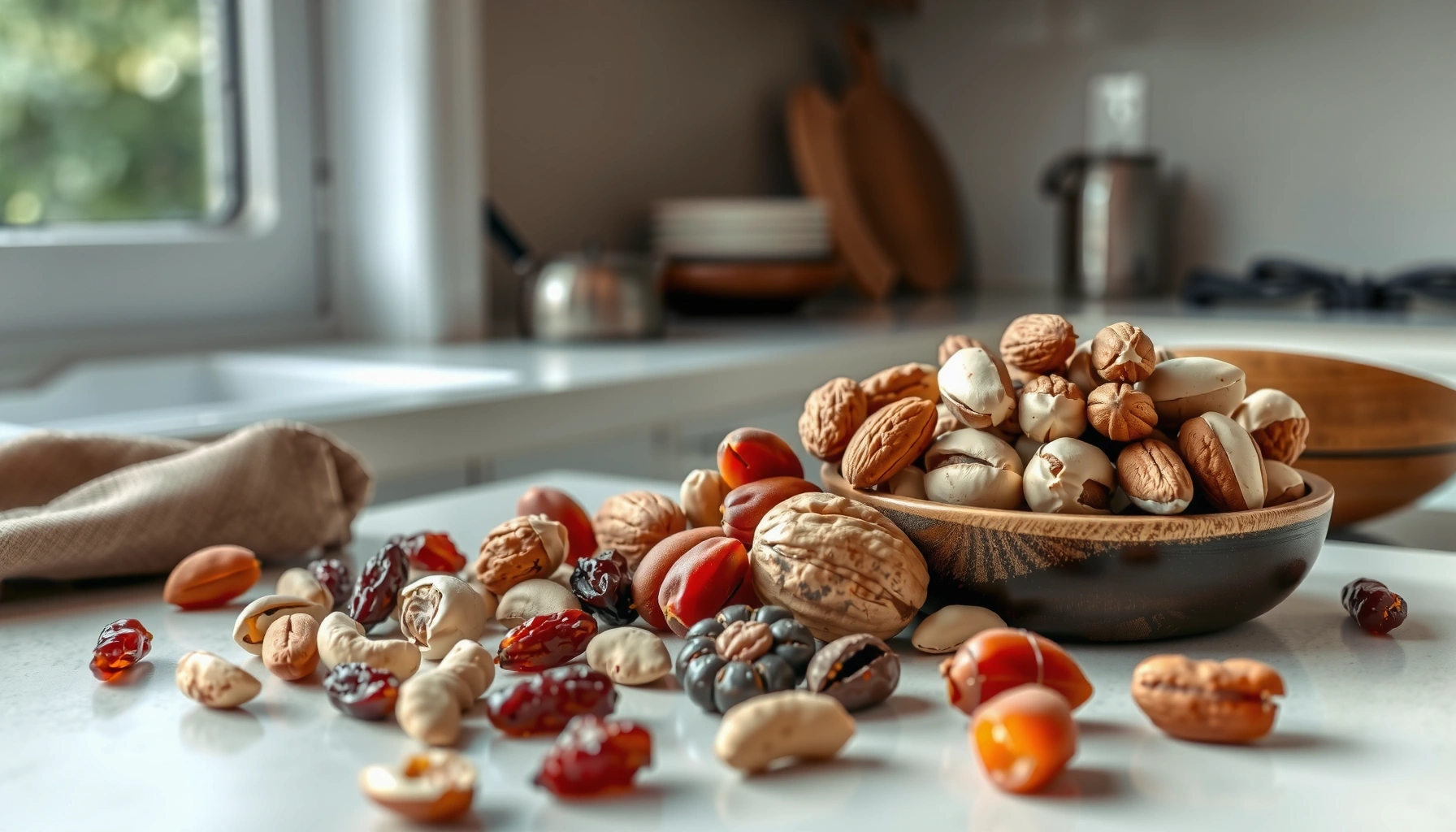

When it comes to the “best” fruit for diabetics, the good news is that there isn’t just one! Instead, many fruits can be excellent choices for managing blood sugar, provided they are eaten in appropriate portions and are rich in fiber with a lower glycemic index. This guide will help you understand which fruits are most beneficial, which to enjoy in moderation, and how to safely incorporate them into a diabetic-friendly diet to harness their powerful nutrients without spiking your glucose levels. Making informed choices about fruit consumption is a cornerstone of effective diabetes management, allowing individuals to enjoy these natural sweet treats without compromising their health goals.




Understanding Fruit’s Role in Diabetes Management
Fruit, with its inherent sweetness and vibrant flavors, often raises questions for individuals managing diabetes. The key lies in understanding its nutritional composition and how it interacts with the body’s glucose regulation mechanisms. Dispelling myths and providing clarity on fruit’s impact is crucial for informed dietary decisions.
* Natural Sugars vs. Added Sugars: Fruits contain natural sugars, primarily fructose, glucose, and sucrose, in varying proportions. Unlike added sugars found in sodas, candies, and many processed foods, these natural sugars are encapsulated within a complex matrix of fiber, vitamins, minerals, and antioxidants. This crucial difference means that the body processes natural fruit sugars much differently. The fiber slows down the absorption of sugars into the bloodstream, preventing the rapid spikes associated with refined sugars. In contrast, added sugars lack this beneficial fiber and nutrient package, leading to quicker and more significant blood glucose fluctuations and often contributing to empty calories without nutritional value.
* Glycemic Index (GI) and Fiber: The Glycemic Index (GI) is a system that ranks carbohydrate-containing foods based on how quickly they raise blood sugar levels after consumption. Foods with a lower GI (55 or less) cause a slower, steadier rise in blood sugar, which is highly beneficial for diabetes management. Fiber plays a paramount role here; it is the indigestible part of plant foods that adds bulk to the diet, slows down gastric emptying, and impedes the rapid absorption of sugars. This not only helps maintain more stable blood glucose levels but also promotes satiety, reducing the likelihood of overeating. Soluble fiber, specifically found in many fruits, forms a gel-like substance in the digestive tract that further slows sugar absorption, while insoluble fiber aids in digestive regularity.
* Nutrient Powerhouses: Beyond their natural sugars and fiber content, fruits are veritable nutrient powerhouses. They are rich in essential vitamins (such as Vitamin C for immune support and wound healing, and folate for cell function), minerals (like potassium for blood pressure regulation), and a diverse array of antioxidants. These antioxidants, including flavonoids, anthocyanins, and carotenoids, combat oxidative stress, which is often elevated in individuals with diabetes and contributes to various complications. Regular intake of these nutrients from whole fruits supports overall health, helps protect against diabetes-related complications, and contributes to better long-term health outcomes.
Top Fruits for Diabetics: Your Smart Choices
When constructing a diabetic-friendly meal plan, prioritizing fruits with a low glycemic index and high fiber content is a strategic move. These fruits provide essential nutrients and sweetness without derailing blood sugar management.
* Berries (Strawberries, Blueberries, Raspberries): Berries are unequivocally at the top of the list for diabetic-friendly fruits. They boast an exceptionally low glycemic index, meaning they have a minimal impact on blood sugar levels. Furthermore, they are packed with dietary fiber, which slows down sugar absorption and contributes to sustained energy. Their vibrant colors signify a rich concentration of antioxidants, particularly anthocyanins in blueberries and raspberries, and ellagic acid in strawberries. These compounds offer powerful anti-inflammatory and cardio-protective benefits, which are crucial for individuals managing diabetes. A typical serving (e.g., 1 cup of strawberries or raspberries, ½ cup of blueberries) can be easily incorporated into breakfast cereals, yogurt, salads, or enjoyed as a standalone snack.
* Citrus Fruits (Oranges, Grapefruits, Lemons): Citrus fruits are another excellent category for diabetics, primarily due to their high Vitamin C content and ample soluble fiber, particularly pectin. Oranges and grapefruits have a moderate GI, but their fiber content ensures a gradual sugar release. A whole orange or half a grapefruit provides significant nutritional benefits, including potent antioxidants that can help protect cells from damage. Lemons and limes, while not typically eaten whole, are fantastic for adding flavor to water, salads, and dishes without adding significant sugar. It’s important to consume the whole fruit rather than just the juice to benefit from the fiber. A cautionary note for grapefruit: it can interact with certain medications, particularly statins and some blood pressure drugs, so consultation with a healthcare provider is essential.
* Apples and Pears: These quintessential fruits are celebrated for their high soluble fiber content, especially if consumed with the skin on. Pectin, a type of soluble fiber found abundantly in apples and pears, plays a significant role in moderating blood sugar by slowing glucose absorption and supporting gut health. Their crunchy texture also contributes to satiety. Apples and pears have a relatively low to moderate GI. They also contain quercetin, an antioxidant with anti-inflammatory properties. A medium apple or pear makes for a convenient and highly nutritious snack that can help manage hunger and maintain stable glucose levels between meals.
Other Excellent Fruit Options
Beyond the top contenders, several other fruits offer substantial benefits for diabetics, providing variety and a diverse range of nutrients that support overall health and glucose regulation.
* Cherries: Both sweet and tart cherries are known for their distinctive flavor and impressive health benefits. They have a relatively low glycemic index, making them a sensible choice. Cherries are rich in anthocyanins, powerful antioxidants that give them their deep red color and have been linked to anti-inflammatory properties and improved insulin sensitivity. Tart cherries, in particular, contain melatonin, which can aid in sleep regulation. A small serving, such as half a cup, can be a delightful addition to a diabetic meal plan, especially when fresh and in season.
* Peaches and Nectarines: These stone fruits are not only delicious but also good sources of fiber, Vitamin C, and potassium, all of which contribute to a healthy diabetic diet. With a moderate glycemic index, peaches and nectarines can be enjoyed fresh, offering a sweet and juicy treat. The fiber in these fruits helps to slow down the absorption of their natural sugars, preventing sharp blood sugar spikes. They are best enjoyed in their raw, unprocessed form to maximize their nutritional benefits and fiber content. A medium peach or nectarine is an appropriate serving size.
* Kiwi: Small but mighty, kiwi fruits are nutritional powerhouses. They are exceptionally high in Vitamin C, exceeding the daily requirement in a single serving, and also provide Vitamin K, Vitamin E, and a significant amount of dietary fiber. Kiwi has a low glycemic index, and its unique blend of fiber and the enzyme actinidin supports digestive health and contributes to blood sugar stability. The slightly tart and sweet flavor profile makes it a refreshing addition to fruit salads or as a standalone snack. Two small kiwis or one large one constitute a reasonable portion.
Fruits to Enjoy in Moderation
While the previously mentioned fruits can be regularly incorporated into a diabetic diet, some fruits, despite their nutritional value, require more careful portion control due to their higher natural sugar content or glycemic index.
* Bananas: Bananas are a convenient and popular fruit, rich in potassium, Vitamin B6, and Vitamin C. However, their glycemic index increases significantly as they ripen. A ripe banana has a higher GI than a slightly green one. Therefore, individuals with diabetes should opt for slightly unripe bananas, which contain more resistant starch, a type of fiber that acts similarly to soluble fiber. Portion control is paramount: a small to medium banana (about 6 inches long) is typically an appropriate serving. Pairing it with a source of protein or healthy fat, such as a tablespoon of almond butter, can further mitigate its impact on blood sugar.
* Mangoes and Pineapples: These tropical delights are packed with vitamins (A and C in mangoes; bromelain in pineapple) and antioxidants but tend to have a higher concentration of natural sugars compared to berries or citrus fruits. Consequently, their glycemic index is moderate to high, necessitating strict portion control. Enjoying them sparingly, perhaps as a small component of a larger meal rather than a sole snack, is advisable. For instance, a half-cup serving of chopped mango or pineapple can be enjoyed occasionally, always mindful of the overall carbohydrate intake for that meal.
* Grapes: Grapes, while delicious and containing resveratrol (a beneficial antioxidant), are quite high in sugar density per serving. A small cluster (approximately 15-20 grapes, or about ½ cup) can contribute a significant amount of carbohydrates. Their small size makes it easy to overconsume them, leading to unexpected blood sugar spikes. While they can be part of a balanced diabetic diet, they should be enjoyed in very limited quantities and with careful consideration of the overall carbohydrate load for the day.
Fruits to Limit or Be Cautious With
Certain forms of fruit preparation and specific fruit products can be particularly problematic for individuals managing diabetes, often negating the natural benefits found in whole, fresh fruit. It’s crucial to understand why these options should be limited or avoided.
* Dried Fruits: Dried fruits, such as raisins, dates, dried cranberries, and apricots, are essentially fresh fruits from which almost all water content has been removed. This process dramatically concentrates their natural sugars and calories into a much smaller serving size. For example, a small box of raisins can contain as much sugar and carbohydrates as a whole cup of grapes, but in a much more compact form that is easy to overeat. The removal of water also makes their sugars more rapidly absorbed, leading to quicker and more significant blood sugar spikes. If consumed at all, dried fruits should be limited to very small quantities (e.g., a tablespoon of raisins, one date) and ideally paired with protein or healthy fats to slow absorption. However, for most diabetics, avoiding them altogether is the safest approach.
* Canned Fruits in Syrup: Canned fruits offer convenience, but those packed in heavy or light syrup are laden with added sugars. These added sugars contribute empty calories and will undoubtedly cause rapid and substantial blood glucose increases. Furthermore, the canning process can sometimes diminish the nutritional integrity of the fruit. If fresh fruit is unavailable, opt for canned fruits packed in water or 100% fruit juice, and always drain and rinse them thoroughly before consumption to minimize any residual sugars. Even then, check the ingredient list carefully for hidden added sugars.
* Fruit Juices: Even 100% fruit juice, often perceived as a healthy beverage, is problematic for diabetics. The juicing process strips away virtually all the beneficial dietary fiber that is present in whole fruit. Without this fiber, the natural sugars in the juice are absorbed very quickly into the bloodstream, leading to rapid and significant blood sugar spikes, much like drinking soda. A single glass of orange juice can contain the sugar equivalent of several oranges, but without any of the satiety or blood sugar-stabilizing effects of the whole fruit’s fiber. Prioritize whole fruits for their fiber, nutrients, and slower glucose response. If a liquid fruit option is desired, a homemade smoothie incorporating the whole fruit (including skin where edible) and possibly leafy greens, protein powder, or nuts, is a far superior choice.
Practical Tips for Incorporating Fruit Safely
Integrating fruit into a diabetic diet requires strategy and awareness. By implementing a few practical tips, individuals can enjoy the nutritional benefits of fruit without compromising their blood sugar management.
* Portion Control is Key: Even the healthiest, low-GI fruits can elevate blood sugar if consumed in excessive quantities. Understanding and adhering to appropriate portion sizes is paramount. A standard serving of fruit typically contains about 15 grams of carbohydrates. This might equate to one small apple, one cup of berries, or half a medium banana. Consulting with a registered dietitian or certified diabetes educator is invaluable for determining personalized serving sizes based on individual carbohydrate goals, activity levels, and medication regimens. Using measuring cups, a food scale, or visual cues can help maintain consistent portion control.
* Pair with Protein or Healthy Fats: A powerful strategy for minimizing fruit’s impact on blood sugar is to pair it with a source of protein or healthy fats. These macronutrients slow down gastric emptying, meaning the food stays in your stomach longer, leading to a more gradual release of glucose into the bloodstream. This blunts the post-meal blood sugar response. Excellent pairing examples include apple slices with a tablespoon of almond butter, berries with plain Greek yogurt or cottage cheese, or a handful of nuts with a small pear. This approach not only helps stabilize blood sugar but also increases satiety, making you feel fuller for longer.
* Choose Whole Over Processed: This rule cannot be overstated. Always prioritize fresh, whole fruit over any processed fruit product. Whole fruits retain their natural fiber, which is crucial for blood sugar management. Avoid fruit juices, fruit-flavored snacks, fruit leathers, and most commercial fruit smoothies, as these often contain added sugars, lack fiber, and can cause rapid blood sugar spikes. If fresh fruit isn’t available, unsweetened frozen fruits are an excellent alternative, as they retain their nutritional value and fiber. When making smoothies at home, ensure you include the entire fruit (e.g., don’t peel apples or leave berries whole) and consider adding vegetables or protein sources to balance the carbohydrate load.
Navigating fruit choices with diabetes doesn’t mean deprivation; it means making informed, smart decisions. By prioritizing high-fiber, low-GI fruits, practicing meticulous portion control, and consistently choosing whole over processed options, you can fully enjoy the delicious benefits of fruit as an integral part of a healthy, balanced diet. Remember that individual responses to foods can vary, so monitoring your blood glucose levels after eating specific fruits can provide valuable insights for personalizing your dietary approach. Always consult with your doctor or a registered dietitian to create a personalized meal plan that best suits your individual health needs, medication regimen, and blood sugar management goals, ensuring that your fruit choices contribute positively to your overall well-being.
Frequently Asked Questions
What is the best fruit for diabetics to include in their diet?
The best fruits for diabetics are generally those with a low glycemic index (GI) and high fiber content, as these have a minimal impact on blood sugar levels. Berries (strawberries, blueberries, raspberries), apples, pears, and citrus fruits like oranges and grapefruits are excellent choices. Their fiber helps slow down sugar absorption, providing essential vitamins and antioxidants without causing rapid glucose spikes.
How does fruit sugar (fructose) affect blood sugar levels for someone with diabetes?
While fruits contain natural sugars, primarily fructose, their impact on blood sugar for diabetics is moderated by the fruit’s fiber content and glycemic index. High-fiber whole fruits cause a slower and more gradual rise in blood glucose compared to refined sugars or fruit juices because the fiber slows down sugar absorption. Diabetics should prioritize whole fruits over fruit juices, which lack fiber and can lead to quicker blood sugar spikes.
Which specific fruits are highly recommended for diabetics due to their low glycemic index and high nutrient content?
Specific highly recommended fruits for diabetics include berries (blueberries, raspberries, blackberries, strawberries), apples, pears, kiwi, oranges, and grapefruit. These fruits are packed with vitamins, antioxidants, and crucial dietary fiber, which aids in blood sugar regulation. Their low glycemic index means they cause a more controlled rise in blood glucose, making them ideal for daily consumption as part of a balanced diabetes management plan.
Are there any fruits diabetics should limit or avoid to prevent blood sugar spikes?
Diabetics should be cautious with fruits that have a very high glycemic index or are concentrated sources of sugar, such as very ripe bananas, mangoes, pineapples, and dried fruits like dates, raisins, and dried cranberries. While not strictly “forbidden,” these should be consumed in smaller portions and less frequently, or paired with protein or healthy fats, to mitigate significant blood sugar spikes. It’s also critical to avoid fruit juices, as they lack fiber and concentrate sugar.
Why is fiber so important in fruits for managing diabetes?
Dietary fiber found abundantly in whole fruits is crucial for diabetes management because it significantly slows down the absorption of glucose into the bloodstream. This controlled absorption prevents rapid blood sugar spikes and helps maintain more stable blood glucose levels after meals. Additionally, fiber contributes to feelings of fullness, which can aid in weight management, and supports overall digestive health, both of which are beneficial for individuals managing diabetes.