
The best dessert for a diabetic isn’t one specific item, but rather a category of treats characterized by controlled carbohydrates, low added sugars, and often high fiber content. By focusing on whole, natural ingredients, using sugar substitutes wisely, and practicing portion control, individuals with diabetes can enjoy sweet treats without significantly impacting their blood sugar levels. This comprehensive guide will help you identify delicious and safe dessert options, transforming the way you approach sweet indulgences while managing your health.
Understanding Diabetic Dessert Principles
Navigating the world of desserts as someone with diabetes requires a foundational understanding of how different ingredients impact blood glucose. Making informed choices is paramount to enjoying treats without adverse health consequences.
Prioritize Low Glycemic Index (GI) Ingredients
The glycemic index is a system that ranks carbohydrate-containing foods by how much they raise blood sugar levels after eating. Foods with a low GI (55 or less) are digested and absorbed more slowly, causing a gentler and more sustained rise in blood sugar. For diabetic desserts, this means favoring ingredients like berries, most non-starchy vegetables, and certain whole grains or alternative flours (e.g., almond flour). Conversely, high GI ingredients, such as white flour and refined sugars, cause rapid blood sugar spikes, which are detrimental to glycemic control. Opting for low GI foundations helps create desserts that are less disruptive to your metabolic balance.
Look for Desserts Rich in Fiber
Fiber, particularly soluble fiber, is a crucial component of a diabetes-friendly diet. It plays a significant role in slowing down the absorption of glucose into the bloodstream, thereby preventing sharp blood sugar spikes. Beyond blood sugar control, fiber also promotes satiety, helping you feel fuller for longer and reducing the likelihood of overeating. Excellent sources of fiber in desserts include whole fruits (especially with the skin on), nuts, seeds (like chia and flax), and certain alternative flours. Incorporating these elements not only enhances nutritional value but also improves the dessert’s functional impact on your body.
Always Check Total Carbohydrate Counts and Pay Close Attention to Added Sugars
Understanding nutrition labels is a non-negotiable skill for managing diabetes. For desserts, the focus should be on total carbohydrate count, as this is the primary macronutrient that influences blood sugar. Individuals with diabetes often have personalized carbohydrate targets per meal or snack, so fitting a dessert into this allowance requires careful calculation. Equally important is differentiating between naturally occurring sugars (e.g., in fruit) and added sugars. Added sugars offer empty calories and contribute directly to blood glucose elevation without providing significant nutrients. Be vigilant for terms like high-fructose corn syrup, sucrose, dextrose, and maltose. Some “sugar-free” products might still be high in total carbohydrates, so a holistic review of the label is always necessary. Consulting with a registered dietitian can help you establish your specific carbohydrate limits for effective diabetes management.
Top Fruit-Based Dessert Choices
Fruits are nature’s candy, offering natural sweetness along with essential vitamins, minerals, and fiber. When chosen wisely and consumed in appropriate portions, they form the cornerstone of delicious and healthy diabetic desserts.
Berries (Strawberries, Blueberries, Raspberries) are Excellent
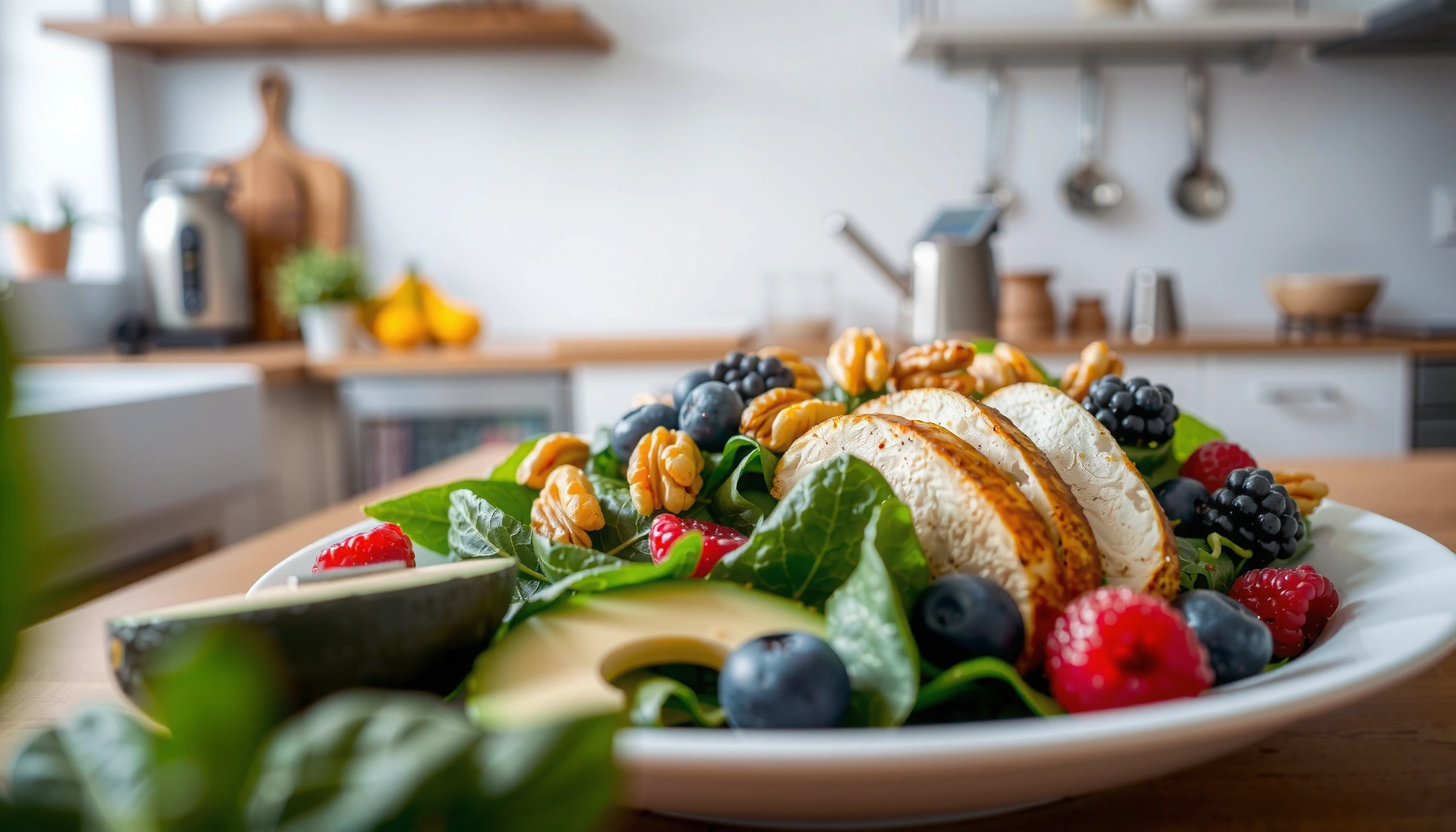
Berries are a standout choice due to their low sugar content, high fiber, and abundance of antioxidants, such as anthocyanins, which have been linked to improved insulin sensitivity. Their vibrant colors signify a rich profile of phytonutrients that combat inflammation and oxidative stress. A cup of raspberries, for instance, provides a significant amount of dietary fiber with a relatively low glycemic load. They are versatile and can be enjoyed fresh, frozen, or incorporated into sugar-free parfaits with Greek yogurt or blended into smoothies with unsweetened almond milk. Their inherent tartness often means less need for added sweeteners.
Baked Apples or Pears, Eaten with the Skin On and Without Added Sugar
Baked apples or pears offer a comforting, naturally sweet dessert. The key is to consume them with the skin on, as the skin is packed with fiber and antioxidants. Baking brings out their natural sugars, making additional sweeteners unnecessary. A sprinkle of cinnamon or nutmeg can enhance their flavor profile, providing warmth and complexity without impacting blood sugar. These spices have even been studied for their potential benefits in improving insulin function. Serving them warm, perhaps with a small dollop of plain Greek yogurt or a sprinkle of chopped nuts, adds texture and a protein boost, further mitigating any blood sugar effects. Avoid sugary toppings like caramel or streusel.
Avocado-Based Desserts, Like Chocolate Mousse Made with Unsweetened Cocoa
While unconventional for dessert, avocado’s creamy texture and healthy monounsaturated fats make it an excellent base for rich, satisfying treats. Avocado-based desserts, such as chocolate mousse, provide healthy fats that help slow glucose absorption and increase satiety. When made with unsweetened cocoa powder, a natural sweetener like stevia or erythritol, and a splash of unsweetened plant-based milk, this dessert can be incredibly decadent yet low in net carbohydrates and added sugars. Unsweetened cocoa also contributes powerful antioxidants. This innovative approach demonstrates how nutrient-dense ingredients can be transformed into indulgent, diabetes-friendly options.
Dairy & Plant-Based Sweet Treats
Dairy and plant-based alternatives offer a fantastic canvas for creating creamy, satisfying, and blood-sugar-friendly desserts. The emphasis here is on unsweetened versions and smart additions.
Plain Greek Yogurt, Enhanced with a Sprinkle of Cinnamon or a Small Portion of Fresh Berries
Plain Greek yogurt is a nutritional powerhouse. It’s high in protein, which is vital for satiety and helps stabilize blood sugar levels by slowing digestion. Opt for plain, unsweetened varieties, whether full-fat or low-fat, to avoid hidden sugars. Enhancing it with a sprinkle of cinnamon, a dash of vanilla extract, or a small handful of fresh berries introduces flavor and natural sweetness without excessive carbohydrates. The protein content helps balance the natural sugars from the fruit, making it an excellent post-meal or snack option that supports glycemic control.
Sugar-Free Gelatins or Puddings Made with Unsweetened Almond or Soy Milk
For a light and satisfying sweet treat, sugar-free gelatins can be a good choice, as they are typically very low in calories and carbohydrates. Similarly, puddings made with unsweetened almond, soy, or cashew milk provide a creamy texture without the added sugars found in conventional puddings. When selecting commercially available sugar-free puddings, it’s crucial to examine the nutrition label for total carbohydrates and the types of sugar alcohols used, as some can still impact blood sugar or cause digestive discomfort in larger quantities. Homemade versions allow for precise control over ingredients, enabling the use of preferred sugar substitutes and natural flavorings like vanilla or cocoa powder.
Chia Seed Puddings, Prepared with Unsweetened Plant-Based Milk and Naturally Sweetened
Chia seeds are a superfood, boasting an impressive profile of fiber, omega-3 fatty acids, and protein. When combined with unsweetened plant-based milk (like almond or coconut milk) and allowed to sit, they absorb liquid and create a thick, gel-like pudding texture. This makes for an incredibly filling and nutrient-dense dessert. Naturally sweeten with a small amount of fresh fruit puree, a few drops of stevia, or a dash of cinnamon. The high fiber content of chia seeds significantly slows down glucose absorption, making chia pudding an excellent option for maintaining stable blood sugar levels while providing long-lasting energy and promoting digestive health.
Smart Baked Goods & Chocolate Options
For those who crave the comforting taste of baked goods or the indulgence of chocolate, smart ingredient substitutions and mindful choices can open up a world of diabetes-friendly possibilities.
When Baking, Opt for Alternative Flours Like Almond or Coconut Flour, and Use Sugar Substitutes
Traditional baking relies heavily on refined white flour and granulated sugar, both of which are high in carbohydrates and detrimental to blood sugar control. To create diabetes-friendly baked goods, alternative flours are key. Almond flour is low in carbohydrates, high in protein and healthy fats, and imparts a tender crumb. Coconut flour is high in fiber and absorbs a lot of moisture, requiring careful adjustment in recipes.
For sweetness, replace sugar with non-caloric or low-caloric sugar substitutes. Stevia, derived from a plant, is a natural, zero-calorie sweetener. Erythritol is a sugar alcohol that is naturally occurring, has minimal impact on blood sugar, and is generally well-tolerated. Monk fruit extract is another natural, zero-calorie option. Each substitute has different properties and sweetness levels, so it’s important to understand how they behave in baking and adjust recipes accordingly.
Choose Dark Chocolate with 70% Cocoa or Higher in Small, Controlled Portions
For chocolate lovers, dark chocolate (70% cocoa or higher) is the most suitable option. It contains significantly less sugar than milk chocolate and is rich in antioxidants, particularly flavanols, which have been linked to improved heart health and insulin sensitivity. These compounds can help reduce blood pressure and improve blood flow. However, even dark chocolate is calorie-dense and contains some carbohydrates, so portion control is crucial. A small square or two, savored slowly, can satisfy a craving without derailing blood sugar management. Pair it with a few almonds for added fiber and healthy fats, which can further mitigate its impact.
Consider Sugar-Free Cheesecakes or Custards, Ensuring They Are Made with Appropriate Sweeteners and Mindful Crust Choices
Cheesecakes and custards can be made diabetes-friendly by replacing sugar with approved sugar substitutes (like erythritol or monk fruit) and using ingredients like cream cheese, eggs, and unsweetened dairy or plant-based milks. The richness of these desserts often means smaller portions are satisfying. For cheesecakes, the crust is often the highest carbohydrate component. Consider a crustless version, a nut-based crust (made from almond or pecan flour), or a very thin crust made with whole-grain flour in moderation. Homemade versions offer the best control over ingredients, allowing you to create a decadent yet safe dessert that aligns with your dietary needs.
Portion Control and Preparation Tips
Even the most diabetes-friendly desserts can impact blood sugar if consumed in excess. Mastery of portion control and thoughtful preparation are essential for integrating sweet treats responsibly into your diet.
Always Measure Ingredients Precisely and Be Diligent About Serving Sizes
Accuracy in baking and dessert preparation is critical for diabetes management. Unlike savory dishes where approximations might be acceptable, desserts require precise measurement of all ingredients, especially those containing carbohydrates. Even a small deviation can significantly alter the carbohydrate count of a serving. Once prepared, rigorously adhere to the specified serving size. It’s incredibly easy to inadvertently double or triple your carbohydrate intake by simply estimating portion sizes. Using measuring cups, spoons, and a food scale can help ensure you’re consuming the intended amount, which is crucial for accurately tracking your carbohydrate intake and managing blood glucose levels.
Become Adept at Reading Nutrition Labels, Specifically Focusing on Total Carbohydrates, Fiber, and Added Sugars
A thorough understanding of nutrition labels empowers you to make informed decisions about store-bought desserts or ingredients. When scrutinizing a label, first look at the “serving size” and “servings per container” as these dictate all other values. Then, focus on “Total Carbohydrates.” This number directly impacts your blood sugar. Subtract “Dietary Fiber” from total carbohydrates to get a rough estimate of “net carbs,” which are the carbohydrates your body will digest and convert to glucose. Pay close attention to “Added Sugars” to identify hidden sugar content. Also, be aware of “Sugar Alcohols” as some (like maltitol) can still raise blood sugar, albeit less than regular sugar, and can cause digestive upset in large quantities.
Pair Your Dessert with Protein or Healthy Fats to Further Mitigate Rapid Sugar Absorption and Increase Satisfaction
A strategic approach to dessert consumption involves pairing it with other macronutrients. Consuming protein and healthy fats alongside your dessert can significantly slow down gastric emptying, meaning the carbohydrates from the dessert are absorbed more gradually into the bloodstream. This slower absorption helps prevent sharp blood sugar spikes and contributes to a more stable glycemic response. For example, enjoying a small bowl of berries with a serving of plain Greek yogurt (protein) and a few almonds (healthy fats) can make the dessert more satisfying and less impactful on blood sugar. This intelligent pairing strategy not only helps with blood glucose management but also enhances satiety, making you less likely to overindulge.
Desserts to Approach with Caution
While there are many diabetes-friendly dessert options, an equal number of treats can pose significant risks to blood sugar control and overall health. Awareness of these items is key to responsible dietary choices.
Steer Clear of Highly Processed Desserts Laden with Refined Sugars, White Flour, and Unhealthy Fats
The vast majority of commercially produced desserts fall into this category. Items like cakes, cookies, pastries, and candies are typically made with copious amounts of refined sugars (e.g., high-fructose corn syrup, sucrose), which cause rapid and dramatic blood sugar spikes. White flour, stripped of its fiber and nutrients, behaves similarly to sugar in the body. Furthermore, these desserts often contain unhealthy fats, such as trans fats and excessive saturated fats, which can contribute to inflammation, increase LDL (bad) cholesterol, and potentially worsen insulin resistance over time. Regularly consuming such items can severely undermine diabetes management and overall cardiovascular health.
Be Critical of “Sugar-Free” Claims, as Many Products May Still Contain High Amounts of Carbohydrates or Sugar Alcohols
The term “sugar-free” can be misleading. While these products do not contain traditional sugars, they often compensate with alternative sweeteners or sugar alcohols. Some sugar alcohols, like maltitol, can still elevate blood sugar levels, though generally to a lesser extent than sucrose. More importantly, many “sugar-free” products can still be high in total carbohydrates, particularly from refined flours or starches, which will ultimately impact blood glucose. Additionally, large quantities of sugar alcohols can cause digestive discomfort, including bloating, gas, and diarrhea, in sensitive individuals. Always read the full nutrition label, focusing on total carbohydrates and the specific type and quantity of sugar alcohols, rather than relying solely on the “sugar-free” label.
Limit or Avoid Deep-Fried Desserts, Sugary Pastries, and Ice Creams High in Saturated Fat and Added Sugars
These categories represent some of the most challenging desserts for individuals with diabetes. Deep-fried desserts, such as donuts, churros, or fried pies, combine high amounts of unhealthy fats with refined carbohydrates and sugar, creating a potent recipe for blood sugar dysregulation and weight gain. Sugary pastries, including croissants, danishes, and cinnamon rolls, are typically loaded with refined flour, butter (saturated fat), and a high concentration of added sugars. Similarly, most commercial ice creams are a triple threat: high in saturated fat, packed with added sugars, and often contain hidden sources of carbohydrates. The combination of high fat and high sugar can lead to a sustained elevation of blood glucose and contributes significantly to caloric intake, making weight management and glycemic control exceedingly difficult.
Finding the best dessert for a diabetic involves making informed choices, prioritizing whole ingredients, and practicing moderation. By focusing on fruits, specific dairy options, and mindfully prepared baked goods with appropriate substitutions, you can absolutely satisfy your sweet tooth without compromising your health goals. Remember that the journey to managing diabetes is personal and unique to each individual. Always consult with your healthcare provider or a registered dietitian to tailor dietary advice to your individual needs, specific medication regimen, and overall health status, ensuring you enjoy your treats responsibly and safely.
Frequently Asked Questions
What are some generally safe and delicious dessert options for people with diabetes?
For individuals managing diabetes, excellent dessert choices prioritize low added sugar, high fiber, and controlled carbohydrate portions. Fresh berries with a dollop of unsweetened Greek yogurt, sugar-free gelatin, or a small square of dark chocolate (70% cocoa or higher) are fantastic options. These desserts satisfy sweet cravings while helping to manage blood sugar levels effectively.
How can I make my favorite dessert recipes more diabetes-friendly without sacrificing taste?
To adapt your cherished dessert recipes, significantly reduce or completely replace refined sugars with natural, zero-calorie sweeteners like stevia, monk fruit, or erythritol. Incorporate whole grains, nuts, and seeds for added fiber and healthy fats, and consider using fruit purees in part to naturally sweeten and add moisture. These modifications maintain flavor while aligning with diabetic dietary guidelines.
Why is portion control so crucial when enjoying desserts as a diabetic?
Portion control is paramount for diabetics because even healthy or low-sugar desserts still contain carbohydrates and calories that directly impact blood glucose. Limiting your serving size prevents sudden blood sugar spikes and helps maintain stable levels, which is vital for effective diabetes management. It allows for the enjoyment of a treat without compromising overall health goals.
Which types of sweeteners are best to use when preparing diabetic-friendly desserts?
For preparing diabetic-friendly desserts, non-nutritive sweeteners such as stevia, monk fruit, and erythritol are highly recommended as they provide sweetness without affecting blood sugar levels. Sugar alcohols like xylitol and sorbitol can also be used, but in moderation, as they may have a laxative effect for some and still contain some carbohydrates. Always check product labels for carbohydrate content and suitability.
Are there any specific fruits that are particularly good for diabetic desserts due to their low glycemic index?
Yes, several fruits are excellent for diabetic desserts due to their lower glycemic index and high fiber content. Berries (strawberries, blueberries, raspberries, blackberries), cherries, and small portions of apples or pears are fantastic choices. These fruits offer natural sweetness, essential nutrients, and fiber, which helps to slow down sugar absorption and minimize blood sugar spikes.
References
- https://diabetes.org/food-nutrition/recipes/dessert-recipes
- Page Not Found – Site Help – Mayo Clinic
- https://www.cdc.gov/diabetes/managing/eat-healthy/recipes-meal-planning-tips.html
- https://www.health.harvard.edu/blog/diabetes-and-healthy-eating-what-to-put-on-your-plate-202206272765
- https://extension.illinois.edu/sites/default/files/recipes-diabetes-friendly.pdf
- https://www.eatright.org/food/planning-and-prep/recipes/smart-substitutions-for-sugar-free-reduced-sugar-recipes