When managing diabetes, the “best” salad dressings are those that are low in added sugars, unhealthy fats, and sodium, prioritizing healthy oils and natural flavors. Opt for simple oil and vinegar concoctions, light vinaigrettes, and dressings made with ingredients like olive oil, apple cider vinegar, herbs, and spices. These choices help maintain stable blood sugar levels while adding delicious flavor to your meals, making healthy eating both effective and enjoyable for individuals focused on diabetes management.


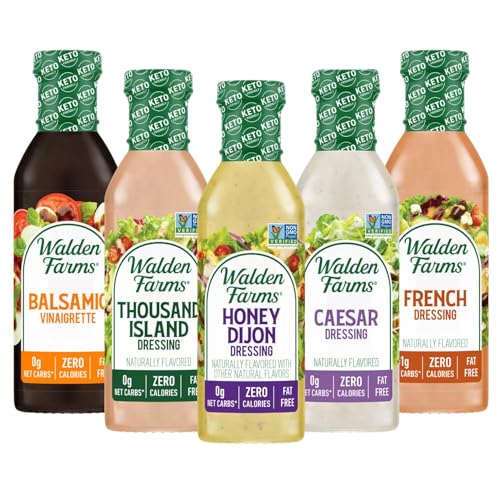

Why Salad Dressings Matter for Diabetes Management
For individuals managing diabetes, every component of a meal plays a role in blood glucose control, and salad dressings are no exception. Often overlooked, dressings can significantly impact the nutritional profile of an otherwise healthy salad, transforming it from a diabetes-friendly meal into one that could hinder blood sugar stability and cardiovascular health. Understanding the potential pitfalls of common dressings is the first step toward making informed choices.
* Hidden Sugars: Many commercially prepared dressings contain significant amounts of added sugars, which can quickly elevate blood glucose levels. These sugars come in various forms, not just table sugar, but also high-fructose corn syrup, corn syrup solids, dextrose, maltodextrin, and fruit juice concentrates. These ingredients are often used to enhance flavor, texture, and shelf life, but they can contribute to rapid spikes in blood sugar, increasing the risk of hyperglycemia and making consistent diabetes management more challenging. Even savory dressings can harbor surprising amounts of sugar, making diligent label reading essential.
* Unhealthy Fats: Creamy dressings often use saturated or trans fats, contributing to heart disease risk, a common complication of diabetes. Saturated fats, often found in ingredients like mayonnaise, sour cream, and cheese, can raise LDL (“bad”) cholesterol levels, increasing the risk of atherosclerosis. Trans fats, even in small amounts, are particularly detrimental to heart health. Given that individuals with diabetes are already at a higher risk for cardiovascular disease, minimizing the intake of these unhealthy fats through dressing choices is a critical component of a heart-healthy diet.
* Sodium Content: High sodium levels in dressings can impact blood pressure, another critical factor for individuals with diabetes. Many processed foods, including salad dressings, are laden with sodium to enhance flavor. Elevated blood pressure (hypertension) is a common comorbidity with diabetes and can exacerbate complications such as kidney disease and cardiovascular problems. Opting for low-sodium dressings or making your own allows for better control over sodium intake, supporting healthy blood pressure levels and overall kidney function.
Key Ingredients to Look for in Diabetes-Friendly Dressings
When selecting or creating a diabetes-friendly salad dressing, the ingredients list is your most valuable guide. Prioritizing whole, minimally processed ingredients ensures you’re fueling your body with beneficial nutrients without the hidden pitfalls.
* Healthy Oils: Choose dressings made with extra virgin olive oil, avocado oil, or grapeseed oil for heart-healthy monounsaturated and polyunsaturated fats. These oils are rich in beneficial fats that can help improve cholesterol levels, reduce inflammation, and even enhance insulin sensitivity. Extra virgin olive oil, a cornerstone of the Mediterranean diet, is particularly lauded for its antioxidant properties. Avocado oil is another excellent choice, with a mild flavor and high smoke point, making it versatile. Grapeseed oil, while lower in saturated fat, is higher in omega-6 fatty acids, so it’s best used in balance with other omega-3 rich foods. These healthy fats also contribute to satiety, helping you feel fuller for longer and potentially reducing overall calorie intake.
* Vinegar Bases: Balsamic, apple cider, red wine, or white wine vinegars are excellent, low-calorie, and virtually sugar-free bases. Vinegars provide a tangy, acidic kick that brightens flavors without adding calories, sugar, or unhealthy fats. Apple cider vinegar, in particular, has been studied for its potential role in moderating post-meal blood sugar spikes, though more research is needed. Balsamic vinegar offers a richer, slightly sweeter profile but ensure it’s a true balsamic, not one with added sugars. Red wine and white wine vinegars provide a classic, robust flavor. These vinegars act as fantastic flavor carriers for herbs and spices, making them ideal for diabetes-friendly concoctions.
* Natural Flavor Enhancers: Look for herbs, spices, garlic, onion, lemon juice, and mustard to add flavor without extra sugar or unhealthy additives. These ingredients are superstars in diabetes-friendly cooking. Fresh or dried herbs like oregano, basil, thyme, dill, and rosemary infuse dressings with vibrant, aromatic notes. Spices such as black pepper, paprika, or a pinch of chili flakes can add complexity and warmth. Garlic and onion, whether fresh or powdered, provide savory depth. Lemon juice offers a bright, refreshing acidity, while Dijon mustard acts as an excellent emulsifier and adds a zesty tang. These natural enhancers allow for endless flavor variations, keeping your healthy salads exciting and far from bland.
Top Store-Bought Salad Dressing Choices
While crafting your own dressings offers ultimate control, there are convenient store-bought options that can fit into a diabetes-friendly eating plan. The key is to be an astute label reader.
* Oil & Vinegar Dressings: Simplest option, often just oil, vinegar, and seasonings. Always check for added sugars. These minimalist dressings are often your safest bet. Look for brands that list healthy oils (like olive or avocado oil) as the primary ingredient, followed by a vinegar, and then herbs and spices. Scrutinize the “Nutrition Facts” panel for added sugars, which can be surprisingly present even in seemingly savory dressings. Beware of terms like “grape must,” “dextrose,” or “corn syrup” hiding in the ingredient list. A good rule of thumb is to choose dressings with fewer, recognizable ingredients.
* Light Vinaigrettes: Many brands offer “light” or “sugar-free” vinaigrettes. Be sure to read the nutrition label carefully. The term “light” typically refers to reduced fat or calories, which is often beneficial, but it does *not* automatically mean low in sugar. Some “light” versions compensate for reduced fat by increasing sugar or artificial sweeteners to maintain palatability. Opt for “sugar-free” labels, but even then, check the ingredients for artificial sweeteners and consider your comfort level with them. Look for vinaigrettes with minimal carbohydrates per serving and a short, understandable ingredient list, prioritizing natural components.
* Specific Brands/Lines: Some health-conscious brands now market dressings specifically low in sugar and healthy fats. While it’s best to describe characteristics rather than name specific brands due to product availability and endorsement limitations, be on the lookout for brands that emphasize transparency and cater to specific dietary needs. These often highlight claims like “no added sugar,” “keto-friendly,” or “whole30 approved,” which typically align with diabetes-friendly principles. These brands often use stevia or monk fruit as natural sweeteners in tiny amounts, or rely entirely on savory ingredients for flavor. Always verify these claims by reviewing the nutrition facts and ingredient list, focusing on net carbs, total sugars, and the type of oils used.
Crafting Your Own Diabetes-Safe Dressings at Home
Making your own salad dressings is perhaps the most effective strategy for diabetes management, offering unparalleled control and freshness. It’s often more cost-effective and allows for endless customization.
* Full Ingredient Control: Homemade dressings allow you to completely control sugar, fat, and sodium content. This eliminates the guesswork and hidden ingredients often found in commercial products. You choose the quality of your oils, the type of vinegar, and the freshness of your herbs and spices. This level of control is invaluable for maintaining stable blood sugar levels, managing blood pressure, and supporting overall cardiovascular health, all critical aspects of diabetes management. You can also avoid artificial preservatives, colors, and flavors, opting for a purer, healthier product.
* Simple Vinaigrette Formula: The basic formula is incredibly versatile: combine 3 parts healthy oil (e.g., extra virgin olive oil) with 1 part vinegar, then season with salt, pepper, garlic powder, and dried herbs. For example, a classic vinaigrette could be 3 tablespoons of olive oil, 1 tablespoon of apple cider vinegar, a pinch of salt, a dash of black pepper, a quarter teaspoon of garlic powder, and a half teaspoon of dried oregano. Whisk thoroughly or shake vigorously in a sealed jar until emulsified. This basic ratio can be adjusted to your taste preference, increasing the vinegar for more tang or adding a bit more oil for a smoother texture.
* Customizable Flavors: Experiment with fresh herbs, Dijon mustard, lemon juice, or a tiny amount of natural sweetener like stevia. To elevate your homemade dressing, consider adding finely minced shallots or chives for a delicate onion flavor. A teaspoon of Dijon mustard not only adds a piquant taste but also helps emulsify the dressing. Freshly squeezed lemon juice brightens any vinaigrette. For a hint of sweetness without refined sugar, try a minuscule amount of a natural, non-caloric sweetener like liquid stevia or monk fruit extract, ensuring you use it sparingly to avoid an overpowering aftertaste. You can also blend in a small amount of roasted red pepper or fresh avocado for a creamier texture without unhealthy fats.
Salad Dressings to Avoid or Limit
Just as important as knowing what to look for, is understanding which dressings typically pose challenges for diabetes management. Avoiding or significantly limiting these options can prevent unnecessary blood sugar spikes and safeguard cardiovascular health.
* Creamy Dressings: Ranch, blue cheese, Thousand Island, and Caesar dressings are typically high in unhealthy fats, calories, and often sugar. These popular dressings often use mayonnaise, sour cream, buttermilk, or cheese as their base, contributing significant amounts of saturated fat and calories. Beyond the fats, many creamy dressings also contain hidden sugars and high levels of sodium. For instance, a single serving of ranch dressing can contain several grams of sugar and a considerable amount of saturated fat. For individuals managing diabetes, regularly consuming these dressings can contribute to weight gain, elevated cholesterol, and difficulties in blood glucose control. If you crave a creamy texture, consider using a Greek yogurt base with herbs and spices as a healthier alternative.
* Fruit-Based & Sweet Dressings: Raspberry vinaigrettes, honey mustard, and poppy seed dressings often contain high amounts of added sugar or fruit concentrates. While they might sound healthy due to “fruit” or “natural” ingredients, many fruit-based vinaigrettes and sweet dressings rely heavily on added sugars, honey, agave nectar, or fruit juice concentrates for their flavor profile. Honey mustard, in particular, is a notorious culprit for its high sugar content. These dressings can lead to rapid blood sugar increases similar to consuming a sugary beverage. Always check the ingredient list for honey, fruit purées, or various forms of sugar listed high up.
* “Fat-Free” Dressings: While seemingly healthy, many fat-free options compensate for flavor by adding excessive amounts of sugar or artificial ingredients. The perception that “fat-free” means healthier can be misleading, especially for those with diabetes. When manufacturers remove fat, they often need to replace it with other ingredients to maintain taste and texture. This frequently translates to a significant increase in sugar content, turning a seemingly light dressing into a sugar bomb. Furthermore, some “fat-free” dressings rely on artificial sweeteners and thickeners, which some individuals may prefer to avoid due to concerns about their long-term health effects or their potential impact on gut health. It’s often better to opt for a small amount of a dressing made with healthy fats and no added sugar than a fat-free, high-sugar alternative.
Beyond the Dressing: Building a Diabetes-Friendly Salad
While choosing the right dressing is crucial, it’s just one piece of the puzzle. The overall composition of your salad significantly impacts its nutritional value and effect on blood sugar.
* Portion Control: Even healthy dressings need to be used in moderation; a typical serving is 1-2 tablespoons. Even the best olive oil-based dressing still contains calories and healthy fats, which, when consumed in excess, can contribute to unwanted weight gain. Measuring your dressing, rather than free-pouring, ensures you stick to a controlled portion size. A standard serving of 1 to 2 tablespoons (15-30 ml) is usually sufficient to coat a generous salad without overdoing it. Consider dipping your fork into the dressing before picking up your greens to ensure even distribution and less overall intake.
* Pile on the Veggies: Focus on nutrient-dense, non-starchy vegetables like leafy greens, cucumber, tomatoes, bell peppers, and broccoli. These vegetables are low in calories and carbohydrates but packed with vitamins, minerals, and fiber. Fiber is particularly beneficial for diabetes management as it slows the absorption of glucose, helping to prevent blood sugar spikes and promoting satiety. Aim for a variety of colors to ensure a broad spectrum of nutrients. Examples include spinach, kale, romaine lettuce, spring mix, carrots, radishes, cauliflower, mushrooms, asparagus, and green beans. The more non-starchy vegetables you include, the more satisfying and beneficial your salad will be.
* Add Lean Protein & Healthy Fats: Include grilled chicken, fish, tofu, beans, or a small amount of nuts and seeds to make your salad satisfying and blood-sugar friendly. Protein and healthy fats are essential for a balanced meal. Protein helps with muscle maintenance and repair, and both protein and healthy fats slow down digestion, which can lead to a more gradual rise in blood sugar and sustained energy. Good protein sources include grilled salmon, tuna, chicken breast, turkey, hard-boiled eggs, lentils, chickpeas, or edamame. For healthy fats, consider a quarter of an avocado, a small sprinkle of walnuts, almonds, chia seeds, or flaxseeds. These additions transform a simple bowl of greens into a complete, nourishing meal that supports stable blood sugar and long-term health.
Choosing the right salad dressing is a small yet significant step in managing diabetes effectively. By focusing on low-sugar, healthy-fat, and natural ingredient options, whether store-bought or homemade, you can enjoy flavorful salads without compromising your health goals. Always read nutrition labels diligently and consider preparing your dressings from scratch for ultimate control over your ingredients. This proactive approach not only supports stable blood glucose levels but also contributes to overall cardiovascular health, which is paramount for individuals with diabetes. Consult with your healthcare provider or a registered dietitian for personalized dietary advice tailored to your specific health needs.
Frequently Asked Questions
What are the best types of store-bought salad dressings for people with diabetes?
When choosing store-bought salad dressings for diabetes, opt for options that are low in added sugars, unhealthy fats, and sodium. Vinaigrettes made with olive oil and vinegar (like red wine, apple cider, or balsamic in moderation) are often excellent choices, but always check the label for hidden sugars. Look for keywords such as “light,” “sugar-free,” or “no added sugar” and compare the carbohydrate and sugar content per serving. Brands like Primal Kitchen or Bolthouse Farms (select varieties) sometimes offer more diabetes-friendly options.
How can I make my own diabetes-friendly salad dressings at home?
Making your own salad dressings at home gives you complete control over ingredients, making it easier to create diabetes-friendly options. A simple base includes healthy fats like extra virgin olive oil combined with an acid such as lemon juice or various vinegars. Enhance flavor with fresh herbs (dill, parsley, basil), minced garlic, onion powder, Dijon mustard, and black pepper, avoiding added sugars entirely. This allows you to craft delicious, low-carb dressings perfectly suited for managing blood sugar levels.
Why should people with diabetes be careful about choosing salad dressings, and what ingredients should they avoid?
People with diabetes need to be cautious with salad dressings because many commercially prepared versions are loaded with hidden sugars, unhealthy trans fats, and excessive sodium, all of which can negatively impact blood sugar control and overall health. Ingredients to strictly avoid include high-fructose corn syrup, any form of added sugar (e.g., cane sugar, dextrose, maltose), and hydrogenated or partially hydrogenated oils. These can lead to blood sugar spikes, contribute to weight gain, and increase the risk of cardiovascular complications common in diabetes.
Which popular salad dressing flavors are generally safe for diabetics, and which should be limited?
Generally safe salad dressing flavors for diabetics, when chosen carefully or made at home, include basic oil and vinegar blends (e.g., Italian, Greek) that are sugar-free, or a light ranch dressing with very low or no added sugar. Flavors to limit or completely avoid are typically sweet dressings like honey mustard, French dressing, sweet onion vinaigrettes, and some creamy poppy seed or Catalina dressings. Always scrutinize nutrition labels for sugar content, even in seemingly savory options, as sweetness is often added to enhance flavor.
Beyond sugar, what other nutritional factors should diabetics consider when selecting a healthy salad dressing?
While managing sugar intake is crucial, diabetics should also consider sodium content, saturated fat, and portion sizes when choosing a healthy salad dressing. High sodium can contribute to elevated blood pressure, a common comorbidity with diabetes, while excessive saturated fats can impact heart health. Opt for dressings with lower sodium counts and those using healthy monounsaturated fats like olive oil or avocado oil, and always stick to recommended serving sizes to effectively manage your dietary goals.
References
- https://diabetes.org/food-nutrition/recipes/healthy-salad-dressings
- https://diabetes.org/food-nutrition/recipes/swap-it-out/salad-dressing-smart-swaps
- https://www.mayoclinic.org/diseases-conditions/diabetes/in-depth/diabetes-diet/art-20046917
- https://www.cdc.gov/diabetes/managing/eat-well.html
- https://www.health.harvard.edu/diseases-and-conditions/type-2-diabetes-a-healthy-eating-plan
- Diabetic Diet | MedlinePlus
- https://extension.psu.edu/foods-to-control-blood-sugar