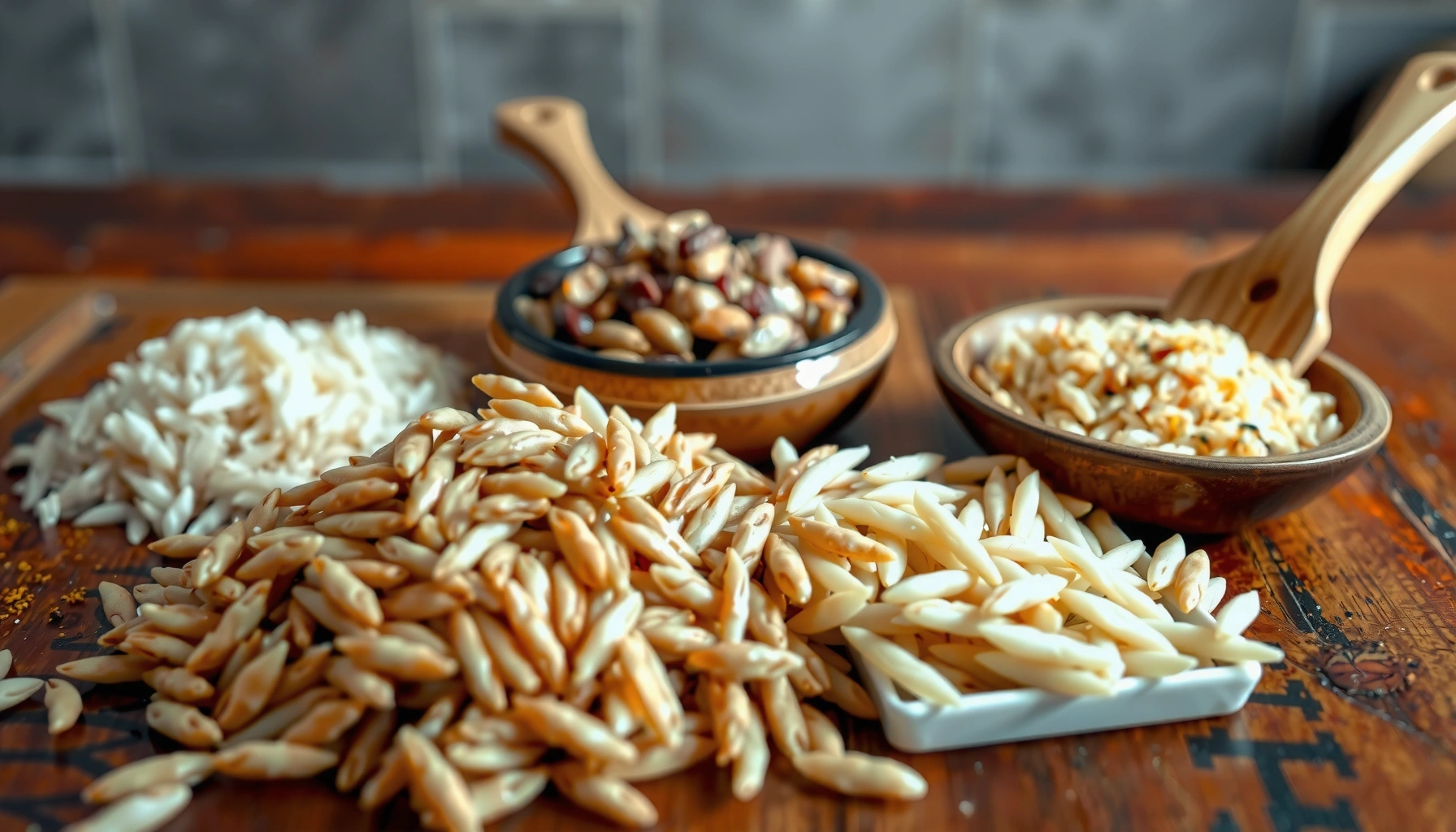

For individuals managing diabetes, the best rice choices are generally those with a lower glycemic index (GI) and higher fiber content, such as brown rice, wild rice, and certain types of basmati rice. These options help manage blood sugar levels more effectively than refined white rice, which tends to cause rapid spikes. This guide will help you understand why these varieties are beneficial and how to incorporate them into a healthy diet without compromising your health goals.




Understanding Glycemic Index (GI) and Diabetes
Effectively managing diabetes involves careful attention to dietary choices, particularly carbohydrates. The Glycemic Index (GI) is a fundamental tool in this process, offering insight into how different foods impact blood glucose levels.
What is the Glycemic Index (GI)?
The Glycemic Index (GI) is a ranking system that classifies carbohydrate-containing foods based on their immediate effect on blood glucose levels after consumption. Foods are ranked on a scale from 0 to 100, where glucose (or white bread) serves as a reference point with a GI of 100. A food’s GI value indicates how quickly and significantly it raises blood sugar. Generally, foods with a GI of 55 or less are considered low-GI, 56-69 are medium-GI, and 70 or higher are high-GI. This ranking helps individuals, especially those with diabetes, make informed choices to prevent sharp blood sugar fluctuations.
Low vs. High GI Impact
The impact of low versus high GI foods on blood sugar and insulin response is critical for diabetes management. When a person with diabetes consumes a high-GI food, the carbohydrates are rapidly digested and absorbed, leading to a quick and significant surge in blood glucose. This rapid spike requires a substantial release of insulin to bring blood sugar back to normal. For individuals with insulin resistance or impaired insulin production, this can lead to prolonged periods of hyperglycemia, which can be detrimental over time. Conversely, low-GI foods are digested and absorbed more slowly. This results in a gradual, more sustained rise in blood sugar, demanding a less intense insulin response. This steadier absorption helps maintain more stable blood glucose levels, reducing the risk of both immediate post-meal spikes and long-term complications associated with chronic hyperglycemia.
The Role of Fiber
Dietary fiber plays an indispensable role in modulating the GI impact of carbohydrate-rich foods, particularly rice. Fiber, which is largely indigestible, adds bulk to food and slows down the digestive process. When fiber is present in rice (as it is in whole-grain varieties), it forms a viscous gel in the digestive tract, which physically impedes the rapid breakdown of starches into glucose. This slowing of glucose absorption means that sugar enters the bloodstream at a more controlled pace, preventing sharp peaks. Both soluble and insoluble fibers contribute to this effect, with soluble fiber being particularly effective at moderating blood sugar responses. By extending the absorption time, fiber helps maintain stable blood glucose levels and reduces the overall glycemic load of a meal, making high-fiber rice choices superior for diabetes management.
The Best Rice Choices for Blood Sugar Control
When it comes to selecting rice for individuals managing diabetes, the focus shifts to varieties that offer a lower glycemic impact and a richer nutrient profile. These choices are integral to maintaining stable blood sugar levels.
Brown Rice
Brown rice is a cornerstone of a diabetes-friendly diet due to its unrefined nature. Unlike white rice, brown rice retains its bran and germ layers, which are packed with fiber, essential vitamins, and minerals. Specifically, its high fiber content significantly slows down the digestion of starch, leading to a much lower glycemic index (GI) compared to white rice. For example, brown rice typically has a GI of around 60-65, whereas white rice can range from 70-89. This slower absorption translates to a more gradual and sustained release of glucose into the bloodstream, preventing rapid blood sugar spikes. Furthermore, brown rice is a good source of magnesium, a mineral crucial for insulin sensitivity, and B vitamins, which support energy metabolism. Regular consumption of brown rice can also contribute to feelings of fullness, aiding in weight management – a key factor in diabetes control.
Wild Rice
Despite its name, wild rice is not actually rice but the seed of an aquatic grass native to North America. This highly nutritious “grain” stands out for its exceptional nutritional profile and very low glycemic index, making it an excellent choice for individuals with diabetes. Wild rice is notably rich in protein, often containing more than double the protein of brown rice, which further contributes to satiety and helps regulate blood sugar by slowing digestion. It’s also an abundant source of dietary fiber, promoting digestive health and blood glucose control. Beyond macronutrients, wild rice is packed with antioxidants, including phenolics and flavonoids, which combat oxidative stress – a common issue in diabetes. Its distinct chewy texture and nutty flavor make it a versatile addition to salads, soups, and pilafs, providing a healthful and flavorful alternative to traditional rice. Its GI typically falls in the low range (around 45-50), offering superior blood sugar management.
Aged Basmati and Parboiled Rice
Certain processing methods can significantly influence the glycemic impact of rice, even for varieties that might otherwise have a higher GI. Aged basmati rice is a prime example. The aging process, often for 12-18 months, alters the starch structure within the grain, specifically reducing its stickiness and increasing its amylose content. Amylose is a type of starch that is digested more slowly than amylopectin, resulting in a lower GI. Long-grain aged basmati rice typically has a GI in the range of 50-58, positioning it as a moderate-to-low GI option, a considerable improvement over standard white basmati.
Parboiled rice (also known as converted rice) undergoes a unique hydrothermal process where paddy rice is steeped, steamed, and dried before milling. This process pushes nutrients from the bran into the starchy endosperm and gelatinizes the starch. Upon cooling, some of this starch converts into resistant starch, which behaves more like fiber and is less digestible. The result is a firmer grain that absorbs less water during cooking and, crucially, has a significantly lower GI (typically around 40-50) compared to regular white rice. These specific processing methods make aged basmati and parboiled rice better choices for blood sugar management than their unaged or unprocessed counterparts.
Why Fiber and Essential Nutrients Matter
Beyond just blood sugar control, the nutritional composition of whole-grain rice varieties offers a multitude of health benefits that are particularly vital for individuals managing diabetes.
Fiber’s Dual Benefits
Dietary fiber provides indispensable benefits that extend beyond glucose regulation. Firstly, fiber is renowned for its ability to promote satiety, or the feeling of fullness. When consumed, fiber expands in the stomach and slows gastric emptying, leading to prolonged satisfaction after meals. This enhanced satiety is crucial for weight management, as it naturally reduces overall caloric intake and helps prevent overeating – a key strategy in diabetes control, as maintaining a healthy weight significantly improves insulin sensitivity. Secondly, fiber continues its beneficial action in the intestines by slowing down the absorption of glucose. This mechanism is critical for preventing sharp post-meal blood sugar spikes, allowing for a more gradual and controlled release of energy. Both soluble and insoluble fibers contribute to these effects, stabilizing blood sugar and supporting digestive health.
Key Vitamins and Minerals
Whole-grain rice varieties, such as brown rice and wild rice, are powerhouses of essential vitamins and minerals that are often stripped away during the refining process of white rice. They are particularly rich in magnesium, a mineral that plays a fundamental role in over 300 enzymatic reactions in the body, including glucose metabolism and insulin secretion. Adequate magnesium intake is associated with improved insulin sensitivity and a reduced risk of type 2 diabetes complications. Additionally, these grains provide a significant amount of B vitamins, including thiamine (B1), niacin (B3), and pyridoxine (B6), which are vital for converting food into energy and maintaining nerve function – an important consideration for preventing diabetic neuropathy. Other critical minerals like selenium, manganese, and zinc also contribute to antioxidant defense and overall metabolic health, bolstering the body’s ability to manage the demands of diabetes.
Antioxidant Properties
Chronic inflammation and oxidative stress are common underlying factors in the progression and complications of diabetes. Fortunately, less processed rice varieties, particularly brown and wild rice, possess significant antioxidant properties. The bran layer, which is removed in white rice, contains a rich array of phenolic compounds, flavonoids, and other phytonutrients that act as potent antioxidants. These compounds help neutralize harmful free radicals in the body, reducing cellular damage and inflammation. By mitigating oxidative stress, these antioxidants contribute to the protection of blood vessels, nerves, and organs from diabetes-related damage, thereby supporting overall long-term health and potentially reducing the risk of cardiovascular disease, a common comorbidity with diabetes. Incorporating antioxidant-rich whole grains into the diet is a proactive step towards comprehensive diabetes management.
Rice Varieties to Consume in Moderation
While some rice varieties are beneficial, others can pose challenges for blood sugar management and should be consumed sparingly by individuals with diabetes. Understanding these distinctions is key to making informed dietary choices.
White Rice (Jasmine, Arborio, Short-Grain)
White rice varieties, including popular types like Jasmine, Arborio, and most short-grain rice, are highly refined grains. During processing, the outer bran and germ layers are removed, leaving primarily the starchy endosperm. This refining process strips away most of the fiber, vitamins, and minerals that are beneficial for health and blood sugar control. Consequently, white rice has a very high glycemic index (GI), often ranging from 70 to 89. When consumed, the carbohydrates in white rice are rapidly broken down into glucose and absorbed into the bloodstream. This rapid conversion to sugar can lead to significant and immediate spikes in blood glucose levels, placing a heavy burden on the pancreas to produce insulin. For individuals with diabetes, regular consumption of such high-GI foods can make blood sugar management challenging and contribute to hyperglycemia over time.
Sticky Rice Varieties
Sticky rice, also known as glutinous rice, is characterized by its exceptionally high amylopectin content. Amylopectin is a highly branched starch molecule that is easily and rapidly digested by enzymes in the human body. This quick digestion means that sticky rice varieties typically have an even higher glycemic index than many other white rice types, often reaching into the high 90s or even 100. This rapid breakdown leads to an almost immediate and pronounced surge in blood glucose levels, making it particularly challenging for individuals managing diabetes. While culturally significant in many cuisines, the unique starch composition of sticky rice necessitates extreme caution. It is best consumed rarely and in very small portions, always paired with high-fiber foods and proteins to somewhat mitigate its glycemic impact.
Potential Blood Sugar Spikes
The primary concern with high-GI rice varieties is their potential to cause significant blood sugar spikes shortly after consumption. These spikes, also known as postprandial hyperglycemia, occur because the carbohydrates are quickly converted to glucose, flooding the bloodstream faster than the body (especially a diabetic body) can process it. For individuals with type 1 diabetes, this means a greater need for insulin to cover the carbohydrate load, increasing the risk of insulin dosing errors. For those with type 2 diabetes, frequent spikes can exacerbate insulin resistance and pancreatic fatigue, making blood sugar control more difficult over the long term. Consistent exposure to high blood sugar levels can also contribute to various diabetes complications, including damage to nerves, kidneys, and eyes. Therefore, understanding and actively avoiding or strictly limiting these rice types is a critical component of effective diabetes self-management.
Smart Portion Control and Cooking Methods for Rice
Even with diabetes-friendly rice choices, strategic portion control and specific cooking methods are crucial for optimizing blood sugar management. These practices can significantly influence the glycemic response of your meals.
Mindful Portion Sizes
Portion control is paramount for individuals with diabetes, regardless of the rice type chosen. Even low-GI rice can elevate blood sugar if consumed in excessive quantities because the total carbohydrate load still matters. A general guideline for cooked rice for individuals managing diabetes is typically around ½ to ⅔ cup per serving (approximately 15-20 grams of carbohydrates), but this can vary based on individual carbohydrate tolerance, activity level, and overall meal composition. It is essential to understand that these are general recommendations, and personalized guidance from a registered dietitian or certified diabetes educator is always best. Utilizing measuring cups, small bowls, or the “plate method” (where carbohydrates occupy no more than a quarter of the plate) can help ensure mindful consumption and prevent overeating, thereby stabilizing blood sugar levels.
Cooking Techniques for Lower GI
Surprisingly, certain cooking and preparation methods can subtly influence the glycemic index of rice. One technique involves cooking rice with more water than typically required, then draining off the excess water. This method can help remove some of the loose, rapidly digestible starch granules from the surface of the rice, potentially lowering its GI slightly.
Another highly effective method, based on scientific research, is the “cooling and reheating” technique. When rice is cooked and then thoroughly chilled in the refrigerator for at least 12-24 hours, some of its digestible starch undergoes a process called retrogradation, transforming into resistant starch. Resistant starch acts similarly to fiber, being less digestible and thus having a lower glycemic impact when consumed. Reheating the rice doesn’t reverse this change, allowing individuals to enjoy rice with a slightly reduced GI. While not a dramatic drop, this method offers a marginal advantage for blood sugar control.
Pairing for Balance
The glycemic impact of rice is not solely determined by the rice itself but also by what it’s eaten with. Pairing rice with other macronutrients, particularly lean proteins, healthy fats, and non-starchy vegetables, is a highly effective strategy for slowing glucose absorption and blunting blood sugar spikes. Proteins (e.g., grilled chicken, fish, tofu, legumes) and healthy fats (e.g., avocado, olive oil, nuts) slow down gastric emptying and digestion, meaning glucose enters the bloodstream more gradually. Non-starchy vegetables (e.g., broccoli, spinach, bell peppers, green beans) are rich in fiber and water content, adding bulk to the meal without significant carbohydrates, further enhancing satiety and slowing digestion. For instance, instead of a large plate of plain rice, opt for a smaller portion of brown rice alongside a generous serving of baked salmon and a vibrant side salad with olive oil dressing. This holistic approach to meal construction is crucial for maintaining stable blood sugar levels.
Integrating Rice into Your Diabetic Meal Plan
Successfully incorporating rice into a diabetic meal plan requires thoughtful consideration of nutrient balance, frequency, and personal physiological responses.
Balanced Meal Planning
Integrating diabetes-friendly rice into meals goes beyond simply choosing the right type; it involves creating a balanced plate. Rice should be viewed as a component of the meal, not the main event. Prioritize using whole-grain rice varieties like brown or wild rice as a base for nutrient-dense dishes. For example, consider a colorful rice bowl with a modest portion of brown rice topped with lean protein (such as grilled chicken or black beans), plenty of non-starchy vegetables (like roasted bell peppers, zucchini, and spinach), and a drizzle of healthy fat (like olive oil or a few slices of avocado). Mixing rice with ingredients like lentils or other legumes can further enhance the fiber and protein content, improving satiety and glucose control. The goal is to maximize nutrient density and minimize the glycemic load of the overall meal, ensuring a steady energy release rather than a rapid surge.
Frequency of Consumption
The frequency with which rice can be safely included in a diabetic diet is highly individualized, but general recommendations suggest moderation. For many, consuming diabetes-friendly rice varieties (brown, wild, aged basmati, parboiled) 2-3 times per week, in controlled portions, can fit well within a balanced meal plan. It’s crucial to consider the carbohydrate content of all meals throughout the day and week. If rice is consumed, other high-carb items in that meal or at other times should be adjusted to maintain target blood glucose levels. For those who enjoy rice more frequently, vigilant portion control and consistent pairing with high-fiber, high-protein foods become even more critical. The ultimate frequency depends on individual blood sugar responses and overall dietary goals.
Personal Blood Sugar Monitoring
The most effective strategy for integrating rice, or any carbohydrate, into a diabetic meal plan is through personalized blood sugar monitoring. Every individual with diabetes responds uniquely to different foods, portion sizes, and meal combinations. Therefore, regularly checking blood glucose levels before and typically 1-2 hours after consuming a rice-containing meal is invaluable. This practice provides direct, real-time feedback on how a specific type and portion of rice affects your body. Track your results to identify patterns and determine which rice varieties and portion sizes work best for maintaining your target blood sugar range. If you notice consistent spikes, adjust the rice type, portion size, cooking method, or accompanying foods. Consulting with a healthcare provider or a registered dietitian who can help interpret these readings and provide tailored recommendations is highly recommended, especially when making significant dietary changes. This empirical approach empowers individuals to take control of their diabetes management.
Choosing the right type of rice, alongside mindful portion control and smart cooking methods, can significantly impact blood sugar management for individuals with diabetes. Prioritizing whole-grain, high-fiber options like brown or wild rice, and understanding their glycemic impact, allows for informed dietary choices. Always consult with your healthcare provider or a registered dietitian to tailor these recommendations to your specific health needs and ensure a balanced and effective diabetes management plan.
Frequently Asked Questions
What is the best rice for people with diabetes to help manage blood sugar levels?
For individuals managing diabetes, the *best rice* choices are whole grain varieties like brown rice, wild rice, black rice, and red rice. These types are rich in fiber, which helps slow down glucose absorption, preventing rapid spikes in *blood sugar levels*. Opting for these whole grains over refined white rice provides sustained energy and better glycemic control, making them ideal for a diabetes-friendly diet.
Why is brown rice generally a better choice than white rice for individuals with diabetes?
Brown rice is superior to white rice for people with diabetes primarily due to its higher fiber content and lower glycemic index (GI). The outer bran layer, which is removed in white rice, contains essential nutrients and fiber that slow down the digestion of carbohydrates. This results in a more gradual rise in *blood glucose* compared to the quick spike often seen after consuming white rice, making brown rice a healthier option for *diabetes management*.
Beyond brown rice, which other rice varieties are considered low glycemic and safe for diabetics?
Besides brown rice, several other *rice varieties* are excellent for a low glycemic diet for diabetics. Wild rice, though botanically a grass, is very high in fiber and protein, offering a significantly lower GI. Black rice (often called forbidden rice) and red rice are also great choices, packed with antioxidants and fiber that contribute to better *blood sugar control*. Aged Basmati rice can also be a reasonable option due to its relatively lower GI compared to other white rices, but portion control remains crucial.
How can cooking methods affect the glycemic index of rice for someone with diabetes?
Cooking methods can significantly impact the *glycemic index* of rice for diabetics. Cooking rice, cooling it completely in the refrigerator for at least 12 hours, and then reheating it can increase its resistant starch content. Resistant starch acts like fiber, slowing down digestion and reducing the *blood sugar response*. Additionally, cooking rice with a source of healthy fat or protein, or pairing it with plenty of non-starchy vegetables, can further mitigate its glycemic impact.
What are some practical tips for incorporating rice into a diabetes-friendly diet, including portion control and healthy pairings?
To incorporate rice into a *diabetes-friendly diet* effectively, focus on portion control and strategic pairings. Limit your serving size of cooked whole grain rice to about 1/3 to 1/2 cup per meal to manage *carb intake*. Always pair your rice with a generous amount of lean protein (like chicken, fish, or beans) and plenty of non-starchy vegetables to increase fiber and slow down glucose absorption. Utilizing the resistant starch technique by cooling and reheating rice can also be a smart way to enjoy it while supporting better *blood sugar regulation*.
References
- https://diabetes.org/food-nutrition/eating-well/carbohydrate-counting
- Low-glycemic index diet: What’s behind the claims? – Mayo Clinic
- Healthy Living with Diabetes – NIDDK
- Rice • The Nutrition Source
- https://www.cdc.gov/diabetes/managing/eat-well/index.html
- Glycemic index
- https://www.bbc.com/future/article/20210202-the-truth-about-white-rice-and-your-health
- Diabetes diet: Create your healthy-eating plan – Mayo Clinic
- Whole Grains • The Nutrition Source