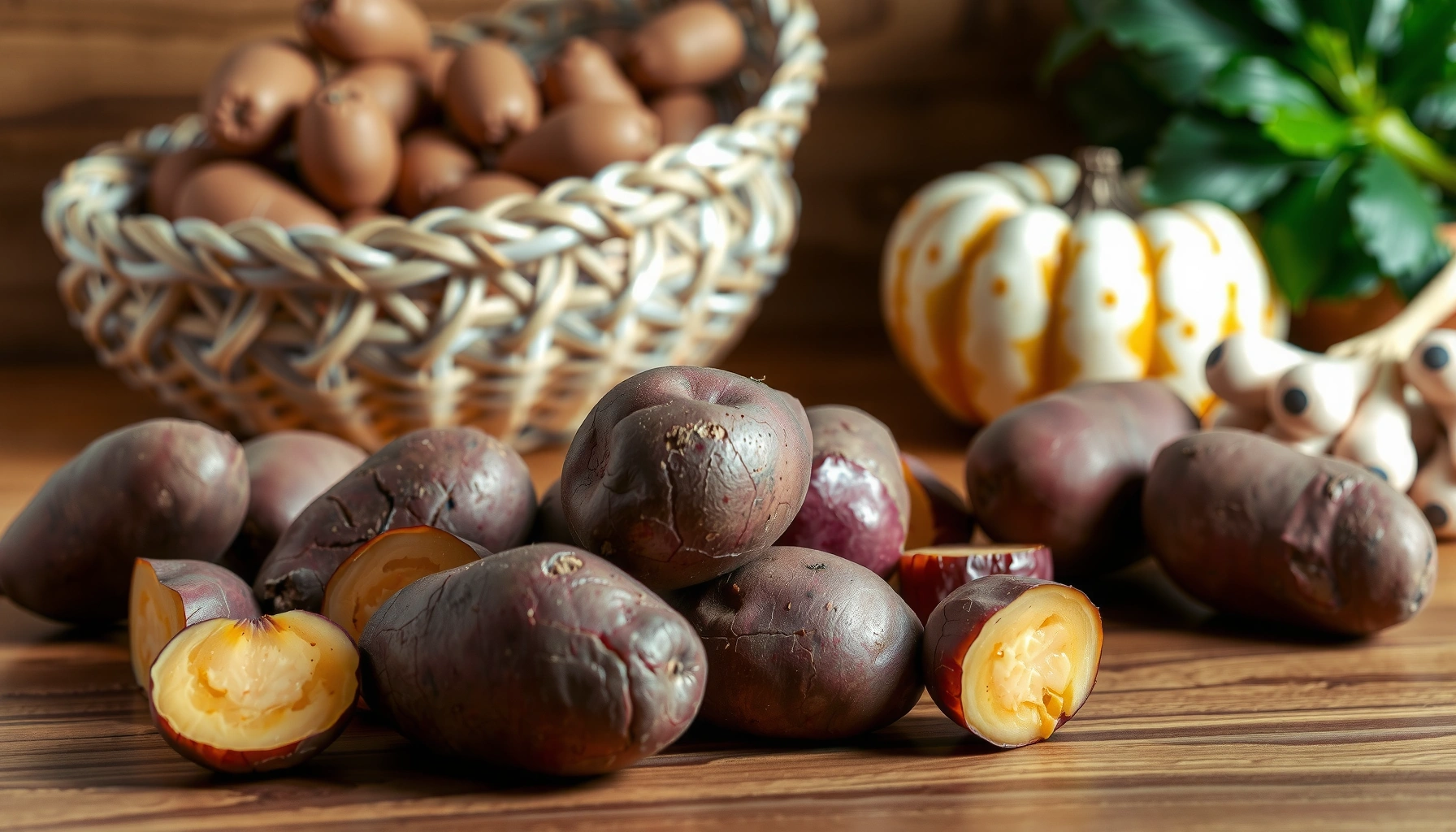

For individuals managing diabetes, sweet potatoes, new potatoes, and potatoes prepared with their skin on are generally the most favorable choices due to their typically lower glycemic index (GI) and higher fiber content. While there isn’t one single “best” potato that fits all, this guide will help you understand how different potato types and preparation methods can fit into a diabetic-friendly diet without significantly spiking blood sugar, empowering you to make informed culinary decisions.




Understanding Glycemic Index (GI) and Load (GL)
Effective blood sugar management hinges on understanding how foods impact glucose levels. The Glycemic Index (GI) and Glycemic Load (GL) are invaluable tools in this regard, offering a scientific framework for making carbohydrate choices, particularly concerning versatile staples like potatoes.
* GI Explained: The Glycemic Index is a ranking system that measures how quickly a carbohydrate-containing food raises blood glucose levels after consumption compared to a reference food (either pure glucose or white bread). Foods are ranked on a scale of 0 to 100, where higher numbers indicate a faster and higher rise in blood sugar. Foods with a GI of 55 or less are considered low-GI, 56-69 are medium-GI, and 70 or higher are high-GI. For diabetics, prioritizing lower GI foods is crucial as they lead to a slower, more gradual rise in blood glucose, which can help in better glycemic control and reduce the risk of insulin resistance over time. The structural integrity of starches within a food, its fiber content, and the presence of fat or protein all influence its GI.
* GL Explained: While GI tells us *how quickly* carbs convert to sugar, Glycemic Load (GL) provides a more comprehensive picture by considering *both* the speed of glucose release (GI) and the actual amount of carbohydrates in a typical serving. The formula for GL is (GI x grams of carbohydrate) / 100. For instance, a food might have a high GI, but if a typical serving contains very few carbohydrates, its GL might still be low. Conversely, a food with a moderate GI, if consumed in large quantities, could result in a high GL. Low GL is generally considered 10 or less, medium is 11-19, and high is 20 or more. GL offers a more realistic measure of a food’s impact on blood sugar, guiding portion control as well as food selection.
* Why It Matters for Potatoes: Potatoes are primarily carbohydrate-rich foods, and their GI and GL can vary dramatically based on the variety, how they are cooked, and whether they are consumed with or without their skin. For individuals managing diabetes, these distinctions are critically important. The type of starch in a potato (e.g., waxy vs. floury), the extent of starch gelatinization during cooking, and the presence of resistant starch (which acts like fiber) directly influence their glycemic response. Understanding these nuances allows for strategic inclusion of potatoes in a diabetic meal plan, minimizing unwanted blood sugar spikes and supporting long-term health.
The “Better” Potato Choices
Selecting the right type of potato is the first step towards incorporating this versatile vegetable into a diabetic-friendly diet. Certain varieties offer a more favorable glycemic profile and higher nutritional value.
* Sweet Potatoes: Often celebrated as a superior choice, sweet potatoes boast a nutritional profile that makes them particularly beneficial for diabetics. They are rich in fiber, which slows down the absorption of sugars into the bloodstream, contributing to a lower glycemic response compared to many white potato varieties. A medium sweet potato, especially when boiled or steamed with its skin on, typically has a GI in the low-to-moderate range (around 44-50 GI when boiled), making it a safer option. Beyond fiber, sweet potatoes are packed with vitamins, including a significant amount of Vitamin A (beta-carotene), Vitamin C, and manganese, as well as various antioxidants. Their unique starch composition, which includes slowly digestible starch, further aids in more stable blood sugar levels. When preparing, aim for simple methods like boiling, steaming, or light roasting to preserve their fiber and nutrient content without adding unnecessary fats or sugars.
* New Potatoes (Red or Yukon Gold): “New potatoes” refers to potatoes that are harvested while still young and small, before their starches have fully matured. Varieties like small red potatoes or Yukon Gold are excellent examples. These potatoes tend to have a denser, waxy texture and a lower starch content compared to their floury counterparts like russets. This structural difference results in a generally lower GI. When boiled or steamed with their skins intact, new potatoes can have a GI in the low-to-medium range (e.g., boiled red potatoes with skin can be around 60 GI). The skin itself is a valuable source of dietary fiber, vitamins, and minerals, further enhancing their health benefits by slowing glucose absorption. Their creamy texture makes them ideal for mashing (without excess butter or cream) or adding to salads and stews.
* Purple Potatoes and Fingerlings: These vibrant varieties are not just visually appealing; they also offer unique health advantages. Purple potatoes, for instance, are exceptionally rich in anthocyanins, powerful antioxidants responsible for their distinctive color. Research suggests that these compounds may help in blood sugar control and offer anti-inflammatory benefits. Both purple and fingerling potatoes often have a denser, waxy texture similar to new potatoes, which contributes to a potentially lower GI profile when compared to starchy white potatoes. Their compact size and firm texture make them excellent for simple preparations like roasting, steaming, or boiling, allowing their natural flavors and nutritional benefits to shine. Opt for preparations that involve minimal processing to preserve their integrity and maximize their health impact.
Potatoes to Approach with Caution
While some potato types and preparations are better choices, others can pose a significant challenge to blood sugar management due to their starch composition and common cooking methods. Understanding which potatoes to limit or avoid is just as crucial as knowing which ones to favor.
* Russet/Idaho Potatoes: Russet potatoes, often marketed as Idaho potatoes, are characterized by their high starch content and floury, mealy texture when cooked. This makes them ideal for baking and frying, but also problematic for diabetics. The high amylose starch content in russets is easily broken down by digestive enzymes, leading to a rapid conversion into glucose and a subsequent sharp spike in blood sugar. A large baked russet potato (especially without skin and toppings) can have a very high GI (e.g., 90-111 GI), comparable to or even higher than pure glucose. When prepared as French fries or mashed without their skins, their glycemic impact is even more pronounced due to increased surface area and fat absorption, making them a high-risk food for glycemic control.
* Processed Potato Products: Perhaps the most detrimental forms of potatoes for individuals with diabetes are highly processed potato products. This category includes French fries, instant mashed potatoes, potato chips, potato skins, and many frozen potato offerings (e.g., hash browns, tater tots). These products are typically subjected to extensive processing that often involves deep-frying, adding unhealthy trans and saturated fats, excessive sodium, and sometimes sugars. The processing significantly alters the potato’s starch structure, making it highly digestible and resulting in a very high GI. For instance, French fries, despite the fat content, can have a GI ranging from 75 to 95. Furthermore, their high calorie density, lack of fiber, and minimal nutritional value contribute to weight gain and poor metabolic health, compounding the challenges of diabetes management.
* Overcooked Potatoes: It’s not just the type of potato, but also the cooking duration and method that drastically alter its glycemic impact. Any potato, regardless of its initial GI, can have its GI increased significantly through overcooking. When potatoes are cooked for prolonged periods or at very high temperatures (e.g., boiling until very mushy, aggressive frying), the starch granules within them undergo a process called gelatinization. This process involves the absorption of water and swelling of starch granules, making them more accessible to digestive enzymes. The more gelatinized the starch, the faster it breaks down into glucose and the higher the GI. Overcooked potatoes thus lead to faster and higher blood sugar spikes compared to potatoes cooked just until tender. Achieving the right texture – firm but tender – is key to preserving a more favorable glycemic response.
Preparation Methods Matter Most
Beyond selecting the right potato type, the way you prepare potatoes profoundly influences their glycemic impact. Strategic cooking methods can help minimize blood sugar spikes and enhance the nutritional benefits of this versatile vegetable.
* Boiling or Steaming: These gentle cooking methods are generally the most favorable for individuals managing diabetes. When potatoes are boiled or steamed, their starch structure tends to remain more intact compared to methods like baking or frying. This helps prevent excessive starch gelatinization, a process where starch granules absorb water and swell, becoming more susceptible to rapid digestion. Boiling or steaming with the skin on also helps retain water-soluble vitamins and minerals that might otherwise leach out, and it encourages the formation of resistant starch, especially when subsequently cooled. Compared to baking (which can lead to a very high GI due to intense, dry heat breaking down starch) or frying (which adds unhealthy fats and increases calorie density), boiling or steaming helps maintain a lower glycemic response.
* Eating with Skin On: The potato skin is an often-discarded treasure trove of nutrients. It is exceptionally rich in dietary fiber, which is a crucial component for diabetics. Fiber slows down the rate at which carbohydrates are digested and absorbed, leading to a more gradual rise in blood glucose levels and preventing sharp spikes. Furthermore, potato skin contains a significant amount of vitamins (like Vitamin C and B vitamins), minerals (potassium, magnesium, iron), and potent antioxidants that support overall health. When cooking potatoes, thoroughly scrub them clean and keep the skin on, whether boiling, steaming, or roasting, to maximize their nutritional benefits and enhance their blood-sugar-stabilizing properties. This simple practice significantly transforms a potato into a more diabetic-friendly food.
* Cooling Cooked Potatoes: This is a remarkably effective, yet often overlooked, strategy for reducing the glycemic impact of potatoes. When potatoes are cooked and then allowed to cool completely (preferably in the refrigerator for several hours or overnight), a portion of their digestible starch undergoes a process called retrogradation. During retrogradation, the gelatinized starch molecules recrystallize into a more resistant form known as resistant starch. Resistant starch behaves much like dietary fiber; it passes through the small intestine largely undigested and ferments in the large intestine. This not only results in a lower caloric yield but, more importantly for diabetics, it significantly lowers the potato’s glycemic index. Eating cooled potatoes (e.g., in a potato salad) or reheating them gently after cooling can provide this benefit, as some of the resistant starch remains even after rewarming. This technique makes even traditionally higher-GI potatoes more manageable for blood sugar control.
Portion Control and Pairings
Even with the best choices and preparation methods, managing the quantity of potatoes consumed and how they are combined with other foods is paramount for effective blood sugar regulation.
* Mindful Serving Sizes: Regardless of whether you choose a “better” potato option, portion control remains a cornerstone of diabetic diet management. Even lower GI foods can elevate blood sugar if consumed in excessive quantities, simply due to the sheer amount of carbohydrates ingested. A general guideline for a typical serving of potatoes for someone with diabetes is approximately half a medium potato, or about 3-4 ounces (around 75-100 grams) cooked. This equates to roughly 15-20 grams of carbohydrates, which can usually be incorporated into a meal plan without causing significant spikes. It’s essential to measure or weigh your portions initially to train your eye, ensuring you don’t inadvertently overconsume. Remember that “mindful” consumption also means savoring your food and paying attention to hunger and fullness cues.
* Combine with Protein and Fiber: A highly effective strategy for blunting the glycemic response of carbohydrate-rich foods like potatoes is to pair them with lean protein and non-starchy vegetables rich in fiber. Protein and fiber slow down the digestion and absorption of carbohydrates, leading to a more gradual and sustained release of glucose into the bloodstream. For example, enjoying a modest serving of boiled sweet potato alongside grilled chicken breast or baked fish and a large green salad with a vinaigrette dressing will have a much lower glycemic impact than eating the potato alone. The protein helps increase satiety, while fiber from the vegetables further aids digestion and provides essential nutrients, helping to stabilize blood sugar levels and keep you feeling fuller for longer.
* Monitor Blood Glucose: Personalizing your diet is crucial in diabetes management, and the most reliable way to do this is through consistent blood glucose monitoring. After incorporating potatoes (of any type or preparation) into your diet, regularly checking your blood sugar levels before and approximately two hours after eating can provide invaluable insights. This allows you to understand your body’s unique response to different potato varieties, cooking methods, and portion sizes. Some individuals may tolerate certain potatoes better than others, or find that cooling potatoes makes a significant difference. Keeping a food and blood sugar log can help you identify patterns and fine-tune your dietary choices, empowering you to enjoy potatoes safely and confidently within your individual metabolic needs.
Beyond Potatoes: Other Starchy Vegetable Alternatives
For those seeking variety or lower-carb options, several other starchy vegetables can serve as excellent, diabetic-friendly alternatives to traditional potatoes, offering similar textures and versatility with a more favorable glycemic profile.
* Cauliflower: Cauliflower is an incredibly versatile and low-carbohydrate vegetable that has gained immense popularity as a potato substitute. With its mild flavor and ability to take on the characteristics of other ingredients, cauliflower can be mashed, riced, roasted, or even turned into “steaks” or “faux-tatoes.” Mashed cauliflower, prepared with a touch of milk, garlic, and herbs, provides a remarkably similar texture to mashed potatoes but with significantly fewer carbohydrates and a much lower glycemic index. Riced cauliflower can be incorporated into stir-fries, casseroles, or served as a low-carb base. Its high fiber content and rich array of vitamins and minerals make it an excellent choice for blood sugar management and overall nutritional intake.
* Rutabaga & Turnips: These often-overlooked root vegetables offer a sturdy texture and earthy flavor profile that makes them suitable stand-ins for potatoes in many dishes. Both rutabaga and turnips are lower in carbohydrates and calories compared to white potatoes and typically have a lower glycemic index. They can be boiled, steamed, roasted, or mashed, offering a similar mouthfeel to potatoes. Mashed rutabaga, perhaps blended with a bit of butter and seasoning, offers a hearty and satisfying side dish. Turnips can be cut into fries and baked, or cubed and added to stews and roasts. Beyond their glycemic benefits, they provide Vitamin C, fiber, and various phytonutrients, contributing to a well-rounded and diabetic-friendly diet.
* Squash Varieties: Many winter squash varieties, such as butternut squash and spaghetti squash, are nutrient-dense alternatives that can add color, flavor, and complex carbohydrates to your meals with a lower glycemic impact than many potato types. Butternut squash, with its sweet, nutty flavor and creamy texture when cooked, can be roasted, pureed into soups, or mashed. It’s rich in fiber, Vitamin A, and Vitamin C. Spaghetti squash, on the other hand, yields spaghetti-like strands when cooked, making it an excellent low-carb, low-GI substitute for pasta or as a base for hearty sauces and casseroles, replacing dishes that might traditionally use potatoes. These squash varieties offer versatility, vibrant nutrients, and a supportive role in blood sugar management.
Ultimately, incorporating potatoes into a diabetic diet isn’t about complete avoidance, but rather making informed, strategic choices. Prioritize lower GI options like sweet potatoes, new potatoes, or purple potatoes. Always opt for healthier preparation methods such as boiling or steaming with the skin on, and consider the benefits of cooling cooked potatoes to increase resistant starch. Crucially, practice vigilant portion control and pair potatoes with lean protein and non-starchy vegetables to further stabilize blood sugar. By understanding the glycemic impact and actively managing your intake and pairings, you can still enjoy this versatile vegetable responsibly as part of a balanced, diabetic-friendly eating plan. For personalized dietary advice tailored to your specific health needs and blood glucose targets, always consult with your healthcare provider or a registered dietitian.
Frequently Asked Questions
What is the best type of potato for diabetics to eat?
Sweet potatoes are generally considered the best option for diabetics due to their lower glycemic index (GI) compared to white potatoes, meaning they cause a slower rise in blood sugar. They are also rich in fiber, vitamins, and antioxidants, further supporting blood sugar management. While no potato should be eaten in excess, sweet potatoes offer a more nutrient-dense choice for those managing diabetes.
How can diabetics prepare potatoes to minimize their impact on blood sugar levels?
To minimize blood sugar spikes, diabetics should opt for baking, boiling, or steaming potatoes rather than frying them. Cooling cooked potatoes before eating can also increase their resistant starch content, which acts like fiber and has a lower GI. Additionally, pairing potatoes with lean protein and plenty of non-starchy vegetables can help slow glucose absorption and provide a more balanced meal.
Why do some potato types have a greater impact on blood sugar for diabetics than others?
The difference primarily lies in their glycemic index (GI) and carbohydrate structure. Potatoes with a higher GI, like russets, break down quickly into glucose, causing rapid blood sugar spikes. In contrast, varieties like sweet potatoes have a lower GI, due to a different starch composition and higher fiber, leading to a slower and more gradual rise in blood sugar levels.
What is a safe portion size for potatoes when managing diabetes?
For diabetics, a typical safe portion size for potatoes is generally about half a cup (75-80 grams) of cooked potato, which equates to roughly 15-20 grams of carbohydrates. However, individual carbohydrate tolerance varies, so it’s crucial to monitor blood sugar levels after eating and consult with a doctor or registered dietitian to determine the ideal portion for your specific dietary needs.
Are there any diabetics who should avoid potatoes entirely, or be extra cautious?
While most diabetics can enjoy potatoes in moderation with careful preparation and portion control, individuals with poorly controlled blood sugar or those on very strict carbohydrate-limited diets may need to be extra cautious. It’s not usually about complete avoidance but rather about understanding how potatoes impact *your* specific blood sugar levels. Always consult your healthcare provider or a registered dietitian to tailor your diet to your individual health needs.
References
- Low-glycemic index diet: What’s behind the claims? – Mayo Clinic
- Are Potatoes Healthy? • The Nutrition Source
- https://www.bbc.com/future/article/20210217-the-hidden-power-of-the-potato
- https://en.wikipedia.org/wiki/Glycemic_index_list
- https://www.diabetes.org/food-nutrition/vegetables/starchy-vegetables
- https://extension.sdstate.edu/diabetes-and-potatoes