There isn’t one universal “best” gummy for diabetics; instead, the optimal choices are those that are explicitly sugar-free, low in net carbohydrates, and formulated with diabetes-friendly sweeteners. The critical insight for anyone managing diabetes is to move beyond simple “sugar-free” claims and deeply scrutinize nutrition labels and ingredient lists. Making informed choices about gummies can allow individuals to enjoy a sweet treat or take essential supplements without compromising blood glucose control. This guide will equip you with the knowledge to navigate the market effectively, ensuring that any gummy you choose aligns with your dietary needs and supports your overall diabetes management strategy.


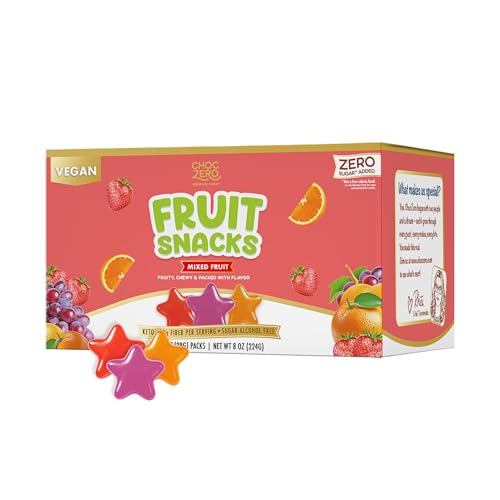

The Essentials: What Makes a Gummy Diabetic-Friendly?
Selecting gummies when managing diabetes requires a precise understanding of nutritional components that directly impact blood glucose. Focusing on specific criteria ensures that your choices support, rather than hinder, your health goals.
* Truly Sugar-Free: The term “sugar-free” is legally defined by the U.S. Food and Drug Administration (FDA) as containing less than 0.5 grams of total sugars per serving. This is a non-negotiable criterion for diabetic-friendly gummies. It is crucial to distinguish this from labels like “no sugar added,” which can be misleading. “No sugar added” simply means no *additional* sugars were introduced during processing, but the product can still contain significant amounts of naturally occurring sugars, such as those found in fruit juice concentrates (e.g., grape juice concentrate, apple juice concentrate) or dried fruits. These natural sugars will impact blood glucose levels similarly to refined sugars. Always verify the total sugar content on the nutrition label and confirm that it is indeed below the 0.5-gram threshold per serving.
* Low Net Carbohydrate Count: Net carbohydrates are the carbohydrates that your body actually digests and converts into glucose, thereby impacting your blood sugar. To calculate net carbs, you subtract the grams of fiber and certain sugar alcohols (like erythritol, allulose, and sometimes xylitol, depending on individual tolerance) from the total carbohydrates listed on the nutrition label. Fiber passes through the digestive system largely unabsorbed, and certain sugar alcohols are either not metabolized or are only partially metabolized, meaning they have a minimal or no impact on blood glucose. Prioritize gummies with a minimal net carb count, ideally under 5 grams per serving, to prevent unwanted spikes in blood glucose. Consistent monitoring of your blood sugar after consumption can help you determine your personal tolerance.
* Fiber Content: Gummies that incorporate dietary fiber offer an additional layer of benefit for individuals with diabetes. Fiber, especially soluble fiber, helps to slow down the absorption of glucose into the bloodstream, leading to a more gradual and controlled rise in blood sugar rather than a sharp peak. Beyond blood sugar regulation, fiber contributes to satiety, helping you feel fuller for longer and potentially reducing overall caloric intake. It also supports digestive health and can contribute to a healthier gut microbiome. Look for gummies that list ingredients like inulin, chicory root fiber, or soluble corn fiber, as these can positively contribute to your daily fiber intake without adding significant net carbs.
Decoding Ingredients: Sweeteners and Beyond
The type of sweetener used is perhaps the most critical ingredient to scrutinize in diabetic-friendly gummies. Not all sugar substitutes are created equal in their impact on blood glucose.
* Beneficial Sweeteners to Look For:
* Stevia: Derived from the *Stevia rebaudiana* plant, stevia is a natural, non-caloric sweetener that has virtually no impact on blood sugar levels. It is significantly sweeter than sugar, so only small amounts are needed.
* Monk Fruit: Another natural, non-caloric sweetener, monk fruit extract is derived from the monk fruit. Like stevia, it is very sweet and does not raise blood glucose.
* Erythritol: A sugar alcohol naturally found in some fruits, erythritol is unique among sugar alcohols because it is almost entirely absorbed in the small intestine and excreted unchanged in urine, meaning it has virtually no caloric value and does not impact blood sugar. It is generally well-tolerated digestively.
These sweeteners provide sweetness without the glycemic load, making them excellent choices for diabetic-friendly products.
* Sweeteners to Use in Moderation:
* Xylitol: A sugar alcohol often used in sugar-free candies and gum. While it has a lower glycemic index than sugar and fewer calories, it can still have a minor impact on blood sugar in larger quantities. It can also cause gastrointestinal distress (bloating, gas, diarrhea) in some individuals if consumed excessively.
* Maltitol: Another common sugar alcohol, maltitol has a glycemic index that is roughly half that of sugar. This means it *will* raise blood sugar, albeit less dramatically than table sugar. Products sweetened with maltitol often require careful portion control and blood sugar monitoring, as its impact can be significant for some individuals. It is also known for its potential to cause digestive upset.
When choosing gummies with these sweeteners, begin with a small serving and closely monitor your blood glucose response.
* Ingredients to Strictly Avoid: These ingredients are direct sources of simple sugars that will rapidly elevate blood glucose levels and should be strictly avoided by individuals managing diabetes.
* Sucrose: Common table sugar.
* High-Fructose Corn Syrup (HFCS): A highly processed sweetener linked to metabolic issues.
* Corn Syrup Solids: Another form of corn syrup.
* Dextrose: A simple sugar that is chemically identical to glucose.
* Maltodextrin: A polysaccharide derived from starch that can have a glycemic index even higher than table sugar, causing rapid blood glucose spikes. It is often used as a filler or thickener in “sugar-free” products.
Always read the ingredient list carefully, as these sugars can be hidden under various names.
More Than Just Candy: Other Gummy Options for Diabetics
Beyond purely recreational sweets, the sugar-free gummy format has expanded into health supplements, offering convenient and enjoyable ways to consume essential nutrients without added sugar.
* Multivitamin Gummies: The market now offers a wide array of sugar-free multivitamin gummies specifically formulated for adults. These provide essential vitamins and minerals, fulfilling daily nutritional gaps, often in a more palatable form than traditional pills. When selecting multivitamin gummies, apply the same rigorous label-reading criteria: ensure they are truly sugar-free, low in net carbs, and sweetened with beneficial alternatives like stevia or erythritol. This prevents inadvertent sugar intake while aiming for health benefits.
* Fiber and Supplement Gummies: A growing segment includes sugar-free gummies designed to deliver specific health benefits. Examples include:
* Fiber Gummies: These help boost daily fiber intake, supporting digestive health and blood sugar management. They typically use soluble fibers like inulin or chicory root fiber.
* Apple Cider Vinegar (ACV) Gummies: Offer the purported benefits of ACV (such as supporting digestion) in a more pleasant form, provided they are sugar-free.
* Omega-3 Gummies: Deliver essential fatty acids for heart and brain health, often using plant-based sources or purified fish oil, encapsulated in a sugar-free gummy base.
* Turmeric, Probiotic, or Melatonin Gummies: Many other supplements are now available in sugar-free gummy formats. Always verify the “sugar-free” claim and net carb count to ensure they fit your diabetic meal plan.
* Consider Gelatin or Pectin-Based: The gelling agent itself is not typically a direct concern for blood sugar. However, choosing gummies made with natural gelling agents like gelatin (a protein derived from animal collagen) or pectin (a soluble fiber derived from fruits) can align with a healthier overall dietary approach. Gelatin is protein-based and does not impact blood sugar, while pectin contributes fiber. Both are neutral in terms of glycemic response and are often preferred over synthetic gelling agents for their natural origins and textural qualities. For those following a vegan or vegetarian diet, pectin-based gummies are an excellent plant-derived option.
Mastering the Nutrition Label for Smart Choices
The nutrition label is your most powerful tool in making informed choices. Learning to interpret it accurately is essential for effective diabetes management.
* Calculating Net Carbs Accurately: This is a crucial skill. The formula for net carbs is: Total Carbohydrates – Fiber – Sugar Alcohols (that do not impact blood sugar). It’s important to know *which* sugar alcohols to subtract. Erythritol and allulose are typically fully subtractable because they are not metabolized for energy. However, sugar alcohols like maltitol, sorbitol, and xylitol are partially metabolized and can affect blood sugar, so they should generally be partially or not subtracted at all. For instance, if a gummy has 15g Total Carbs, 2g Fiber, and 10g Erythritol, the net carbs would be 15 – 2 – 10 = 3g. If the 10g was Maltitol, you might only subtract 50% of it, resulting in 15 – 2 – 5 = 8g net carbs, or not subtract it at all, depending on your individual response. Always use a glucometer to verify.
* Understanding Glycemic Impact of Sugar Alcohols: As noted, not all sugar alcohols are equal. Maltitol, in particular, has a glycemic index (GI) of around 35-52, which is still significant compared to sucrose’s GI of 65. This means a product heavily sweetened with maltitol, even if “sugar-free,” can still cause a noticeable rise in blood glucose. Xylitol has a lower GI of about 13, and erythritol is near zero. The only reliable way to understand *your* body’s specific reaction to a new product containing sugar alcohols is to test your blood sugar before and a couple of hours after consuming it. This personal data is invaluable for safe dietary choices.
* Importance of Serving Size: A common pitfall when consuming “diabetic-friendly” or “sugar-free” products is neglecting the serving size. Manufacturers often formulate products so that a small serving has a minimal impact. However, if you consume multiple servings, the carbohydrates, sugar alcohols, and calories can quickly add up, potentially leading to blood sugar spikes or exceeding your daily caloric goals. Always refer to the serving size listed on the nutrition facts panel and adhere to it strictly, especially when first trying a new gummy product. Doubling the serving size could double the net carbs, turning a safe snack into a problematic one.
Important Considerations and Potential Downsides
While sugar-free gummies offer a convenient alternative, it’s vital to be aware of potential drawbacks and individual variations.
* Digestive Side Effects of Sugar Alcohols: The most common complaint associated with excessive consumption of sugar alcohols, particularly maltitol, sorbitol, and xylitol, is gastrointestinal distress. Because these compounds are not fully absorbed in the small intestine, they can draw water into the colon and ferment, leading to bloating, gas, abdominal cramps, and diarrhea. Erythritol is generally better tolerated due to its unique absorption and excretion pathway. It is crucial to start with small quantities of any new gummy product and gradually increase if tolerated, monitoring for digestive discomfort. For many, moderation is key to avoiding these unpleasant side effects.
* Calories Still Count: A common misconception is that “sugar-free” automatically means “calorie-free.” This is not the case. While some sweeteners like stevia and monk fruit are non-caloric, sugar alcohols do contribute calories, albeit fewer than sugar. For example, sugar contains 4 calories per gram, while erythritol has 0.2 calories/gram, xylitol and sorbitol have 2.4-2.6 calories/gram, and maltitol has about 2.1 calories/gram. Other ingredients in gummies, such as fats, gelling agents, or other starches, also contribute calories. If weight management is part of your diabetes care plan, it’s essential to consider the total caloric content of even sugar-free gummies and factor them into your daily intake. They are not a free pass for unlimited consumption.
* Individual Blood Sugar Response Variation: Diabetes management is highly personalized. What works well for one individual may not be suitable for another. Factors such as medication, insulin sensitivity, activity levels, gut microbiome composition, and even the specific brand or combination of ingredients can influence how your body responds to a particular gummy. Therefore, relying solely on general guidelines is insufficient. It is crucial to monitor your blood glucose levels with a glucometer after consuming new gummy products. This “test and learn” approach provides invaluable personal data, allowing you to identify which products are truly safe and effective for *your* specific metabolic needs.
Finding the best gummies for diabetics isn’t about a single product, but rather equipping yourself with the knowledge to read labels, understand ingredients, and make mindful choices. Prioritize truly sugar-free, low-net-carb options with beneficial sweeteners like stevia, monk fruit, or erythritol, and be cautious with others like maltitol. Always consider your individual dietary needs, potential digestive sensitivities, and—most importantly—monitor your blood sugar response. Before making any significant changes to your diet, especially when introducing new foods or supplements, always consult with your healthcare provider or a registered dietitian to ensure it aligns with your comprehensive diabetes management plan and individual health goals.
Frequently Asked Questions
What key features should diabetics prioritize when choosing the best gummies?
Diabetics looking for the best gummies should prioritize options explicitly labeled “sugar-free” or “no added sugar,” with a primary focus on the total carbohydrate count and net carbs per serving. Look for gummies sweetened with natural, non-caloric alternatives like stevia or monk fruit, or sugar alcohols such as erythritol, which have a minimal impact on blood sugar. Additionally, check for added fiber or protein, which can help mitigate any potential blood sugar spikes.
How do “sugar-free” or “no added sugar” gummies impact blood sugar levels for someone with diabetes?
While “sugar-free” gummies avoid traditional sugars, they often contain sugar alcohols (like maltitol, xylitol, or erythritol) or other sweeteners that can still affect blood sugar, though generally less than regular sugar. It’s crucial to check the “total carbohydrates” and “sugar alcohol” content on the nutrition label, as certain sugar alcohols, especially maltitol, can still cause a noticeable rise in glucose levels. Always account for these carbohydrates in your daily meal plan and monitor your personal blood glucose response.
Which specific ingredients should diabetics look for and avoid when buying gummies?
Diabetics should actively look for gummies sweetened with erythritol, stevia, or monk fruit extract, as these have a negligible impact on blood sugar. Ingredients like chicory root fiber or inulin can also be beneficial for gut health and moderating glucose response. Conversely, strictly avoid gummies containing high-fructose corn syrup, glucose syrup, sucrose, or large amounts of maltitol, as these can significantly spike blood sugar levels and should not be considered suitable for diabetic consumption.
Can diabetics safely enjoy gummy vitamins or supplements, and what should they consider?
Yes, diabetics can safely enjoy gummy vitamins or supplements, but it requires careful scrutiny of the ingredient label. Many gummy vitamins are surprisingly high in added sugars, so it’s essential to select brands that offer sugar-free versions, typically sweetened with erythritol, stevia, or other low-glycemic sweeteners. Always check the carbohydrate and sugar content per serving to ensure it fits within your dietary management plan and consult with your healthcare provider or a registered dietitian.
What are some popular types or categories of diabetic-friendly gummies available on the market?
The market offers several categories of diabetic-friendly gummies, including “keto-friendly” or “low-carb” candies that often use erythritol or stevia as sweeteners. You’ll also find specific brands of sugar-free gummy bears or fruit snacks formulated without added sugars, catering to those managing their blood glucose. Furthermore, many vitamin and supplement companies now produce “sugar-free” gummy vitamins designed to be safer for diabetic individuals, emphasizing careful label reading across all these options.
References
- https://diabetes.org/healthy-living/recipes-nutrition/desserts-snacks-diabetes
- Healthy Living with Diabetes – NIDDK
- https://www.cdc.gov/diabetes/managing/eat-healthy.html
- Diabetes diet: Create your healthy-eating plan – Mayo Clinic
- https://www.hsph.harvard.edu/nutritionsource/disease-prevention/diabetes-prevention/diet-and-diabetes/
- Diet in diabetes
- https://medlineplus.gov/diabetesdietandexercise.html
- https://www.ucsfhealth.org/education/tips-for-healthy-eating-with-diabetes