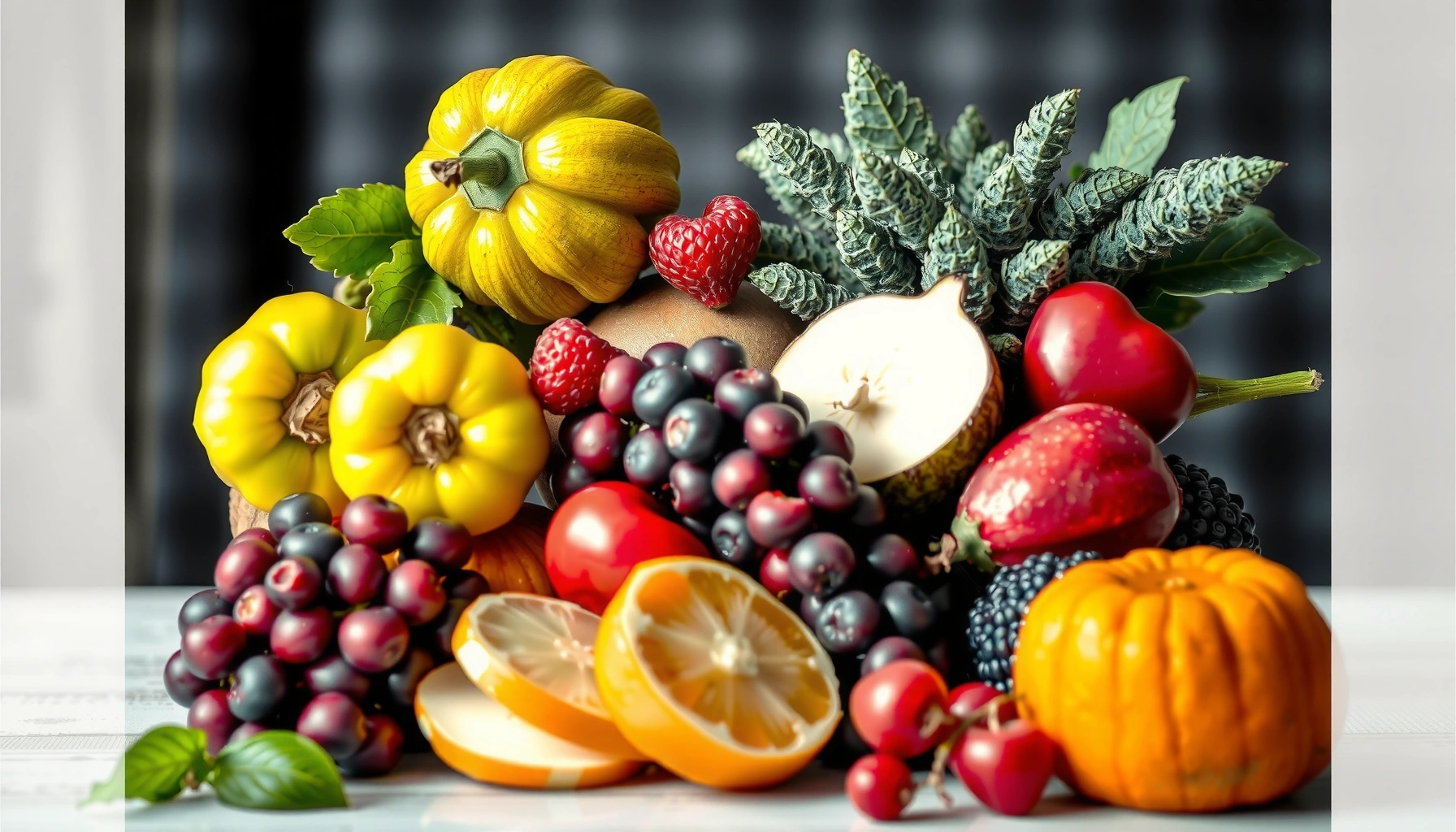

For individuals managing diabetes, prioritizing fruits and vegetables with a low glycemic index (GI) and high fiber content is key to maintaining stable blood sugar levels. Incorporating a variety of berries, leafy greens, and non-starchy vegetables can provide essential nutrients without causing significant spikes, making them excellent choices for daily consumption. These choices offer a robust nutritional profile while actively supporting metabolic health, making them cornerstones of a well-managed diabetic diet.




Understanding Glycemic Index and Fiber for Diabetics
The management of blood sugar levels is a cornerstone of diabetes care, and the Glycemic Index (GI) and fiber content of foods play pivotal roles. The Glycemic Index is a system that ranks carbohydrate-containing foods based on how quickly they raise blood glucose levels after consumption. Foods are typically classified as low (0-55), medium (56-69), or high (70-100) GI. For those with diabetes, consistently choosing low-GI options is paramount as it helps prevent the rapid, pronounced blood sugar spikes that can strain the body’s insulin response and contribute to long-term complications. This steady rise in glucose allows for better insulin utilization and more stable energy levels throughout the day.
Fiber, particularly soluble fiber, is an indispensable nutrient for blood sugar management. Soluble fiber dissolves in water to form a gel-like substance, which significantly slows down the digestion and absorption of carbohydrates. This extended absorption period leads to a more gradual release of glucose into the bloodstream, mitigating sharp post-meal blood sugar surges. Beyond its direct impact on glucose kinetics, fiber contributes to improved satiety, helping individuals feel fuller for longer and reducing the likelihood of overeating, which is beneficial for weight management—a critical aspect of diabetes control. Furthermore, fiber supports a healthy gut microbiome, which is increasingly recognized for its influence on metabolic health and overall well-being. Both soluble and insoluble fibers are crucial; while soluble fiber helps with glucose and cholesterol, insoluble fiber adds bulk to stool, promoting regularity and supporting overall digestive health. Integrating fiber-rich foods into every meal is a simple yet powerful strategy for enhanced metabolic control.
Smart Fruit Choices for Diabetics
Fruits, often unfairly categorized as “sugary,” are vital sources of vitamins, minerals, antioxidants, and—most importantly—fiber. The key for diabetics lies in making smart choices, focusing on fruits that are low in GI and rich in beneficial compounds.
* Berries (Strawberries, Blueberries, Raspberries): These vibrant fruits are nutritional powerhouses. Their low glycemic index means they have a minimal impact on blood sugar, while their high fiber content further aids in slowing glucose absorption. Berries are exceptionally rich in antioxidants, such as anthocyanins, which not only give them their deep colors but also possess potent anti-inflammatory properties. These antioxidants can help combat oxidative stress, a common issue in diabetes, and may improve insulin sensitivity. A single cup of raspberries, for instance, can provide approximately 8 grams of fiber. They are excellent additions to oatmeal, yogurt, or as a standalone snack.
* Apples and Pears: These quintessential fruits are best consumed with their skin intact, as the skin is where a significant portion of their dietary fiber, particularly pectin, resides. Pectin is a soluble fiber known for its ability to help regulate blood sugar and cholesterol levels. Apples and pears offer a good source of vitamins, including Vitamin C, and are generally low to medium GI, depending on ripeness and variety. Their natural sweetness and satisfying crunch make them ideal snacks. Portion control remains important; a medium apple or pear is a sensible serving.
* Citrus Fruits (Oranges, Grapefruits, Lemons): Bursting with Vitamin C, citrus fruits are fantastic for immune support and overall health. Oranges and grapefruits, when consumed whole, provide fiber that helps moderate their natural sugar content, keeping their GI relatively low. Lemons and limes, while not typically eaten whole, can add flavor to water and dishes without adding significant carbohydrates. It’s crucial to be mindful of portion sizes for oranges and grapefruits. Additionally, grapefruit can interact with certain medications, including some commonly prescribed for diabetes or cardiovascular conditions, so consulting with a healthcare provider about potential interactions is always recommended.
Top Vegetable Picks for Blood Sugar Management
Non-starchy vegetables are perhaps the most versatile and consistently beneficial food group for individuals managing diabetes. They are exceptionally low in calories and carbohydrates, yet are packed with an impressive array of nutrients.
* Leafy Greens (Spinach, Kale, Swiss Chard): These greens are nutritional superstars. Extremely low in calories and carbohydrates, they can be consumed in generous quantities without significantly impacting blood sugar levels. They are rich in essential vitamins such as Vitamin K (crucial for blood clotting and bone health), Vitamin A (for vision and immune function), and Vitamin C. Furthermore, leafy greens provide a wealth of minerals like potassium and magnesium, which support blood pressure regulation, and a diverse range of antioxidants like lutein and zeaxanthin, known for eye health. They are incredibly versatile, easily incorporated into salads, smoothies, stir-fries, soups, or even baked into healthy chips.
* Cruciferous Vegetables (Broccoli, Cauliflower, Brussels Sprouts): This family of vegetables is a powerhouse of nutrition for diabetics. They are rich in fiber, which aids digestion and blood sugar control, and replete with vitamins (C, K, and folate) and minerals. What truly sets cruciferous vegetables apart are their unique phytochemicals, such as sulforaphane and indoles. These compounds are extensively researched for their anti-inflammatory, antioxidant, and potential anti-cancer properties. They have minimal glycemic impact and contribute significantly to satiety, making them excellent choices for managing hunger and supporting a healthy weight. Roasting, steaming, or stir-frying these vegetables can bring out their rich flavors and textures.
* Bell Peppers, Cucumbers, Zucchini: These vibrant, hydrating vegetables are non-starchy champions. They offer excellent sources of vitamins, notably Vitamin C in bell peppers, and provide essential hydration due to their high water content. With very little effect on blood sugar, they can be enjoyed freely as snacks, in salads, or as main meal components. Cucumbers and zucchini are particularly mild in flavor, making them easy to integrate into a wide range of dishes, from sandwiches and wraps to grilled sides and vegetable noodles. Their versatility and low caloric density make them invaluable for anyone looking to increase vegetable intake without impacting glucose levels.
Fruits and Vegetables to Consume in Moderation
While nearly all whole fruits and vegetables offer health benefits, some varieties contain higher carbohydrate content or concentrated sugars, requiring careful portion control for individuals with diabetes.
* Starchy Vegetables (Potatoes, Corn, Peas): These vegetables are undeniably nutritious, offering vitamins, minerals, and fiber. However, they are significantly higher in carbohydrates compared to their non-starchy counterparts. For instance, a medium potato can contain around 30-40 grams of carbohydrates, which can lead to a more pronounced blood sugar rise if not managed correctly. Therefore, they should be consumed in smaller, controlled portions and ideally as part of a balanced meal containing protein and healthy fats, which can help slow glucose absorption. Opting for sweet potatoes, which often have a slightly lower GI than white potatoes, can be a beneficial substitution, but moderation is still key. Pairing them with lean protein and plenty of non-starchy vegetables helps balance the glycemic load of the meal.
* Tropical Fruits (Mango, Pineapple, Ripe Bananas): These fruits are often celebrated for their intense flavors and high vitamin content. However, they tend to be higher in natural sugars and often have a higher glycemic index than berries or apples. A large banana, for example, can contain over 30 grams of carbohydrates. While they are still healthier than processed snacks, their impact on blood sugar can be more significant. Enjoying these fruits sparingly, in very small portions, or pairing them with sources of protein (like a handful of nuts) or healthy fats (like avocado) can help to mitigate their glycemic impact. The fiber in these fruits, while present, may not be enough to fully buffer the sugar load in larger servings.
* Fruit Juices and Dried Fruits: These categories represent items that, despite originating from healthy whole fruits, have been processed in ways that make them problematic for blood sugar management. Fruit juices, even 100% natural ones, strip away most of the beneficial fiber, leaving behind a highly concentrated source of rapidly absorbable sugars. This lack of fiber means the sugars hit the bloodstream quickly, leading to sharp blood sugar spikes. Similarly, dried fruits, while retaining some fiber, have their water content removed, concentrating their natural sugars significantly. A small handful of raisins can contain as much sugar as several grapes, but it’s much easier to overconsume the dried version. Both fruit juices and dried fruits are best avoided or limited significantly, favoring whole, fresh fruits that retain all their natural fiber.
Practical Tips for Incorporating More Produce
Integrating more fruits and vegetables into your daily diet doesn’t have to be complicated. With a few strategic adjustments, you can easily boost your nutrient intake and support better blood sugar control.
* Integrate into Every Meal: Make it a habit to include produce in every eating occasion. Start your day by adding a handful of spinach to scrambled eggs, mixing berries into your oatmeal or Greek yogurt, or blending kale into a smoothie. For lunch and dinner, aim to fill half your plate with non-starchy vegetables. This could mean a large side salad, steamed broccoli with your protein, or a vibrant vegetable-rich stir-fry. Even simple additions like sliced tomatoes and lettuce on a sandwich can make a difference. The goal is to make fruits and vegetables the default rather than an afterthought.
* Snack Smart: Replace processed, high-carbohydrate snacks with healthy, low-GI produce options. Keep pre-cut carrot sticks, celery, or bell pepper strips readily available for quick grabs. Pair them with a healthy dip like hummus or a small amount of guacamole for added satiety. Apple slices with a tablespoon of natural nut butter (without added sugars) offer a balanced snack of fiber, healthy fats, and protein. A handful of fresh berries or a small orange can also satisfy a sweet craving without causing blood sugar surges. Strategic snacking can prevent excessive hunger at mealtimes, leading to better portion control.
* Vary Your Choices: “Eating the rainbow” is not just a catchy phrase; it’s a powerful nutritional strategy. Different colors in fruits and vegetables often indicate different phytochemicals, vitamins, and minerals. By consuming a wide variety of produce—from deep green spinach to bright red bell peppers, purple blueberries, and orange carrots—you ensure a broad spectrum of essential nutrients, maximizing the health benefits. Rotating your choices also keeps meals interesting and prevents dietary monotony, making it easier to stick to a healthy eating plan long-term. Explore seasonal produce to enjoy peak flavor and nutritional value.
Beyond Blood Sugar: Broader Health Benefits
While effective blood sugar management is a primary goal for individuals with diabetes, the benefits of a diet rich in fruits and vegetables extend far beyond glycemic control, contributing significantly to overall health and disease prevention.
* Rich in Vitamins, Minerals, and Antioxidants: Fruits and vegetables are nature’s multivitamin. They are abundant in essential micronutrients like Vitamin C (crucial for immune function and collagen synthesis), Vitamin A (vital for vision and skin health), potassium (important for nerve function and blood pressure), and magnesium (involved in over 300 enzymatic reactions, including blood glucose control). Beyond these, they are packed with a vast array of antioxidants—compounds that protect the body’s cells from damage caused by free radicals, which are implicated in the development of chronic diseases and the progression of diabetes complications. Regular intake supports robust immune function, cellular health, and may reduce the risk of various chronic diseases, including certain cancers and neurodegenerative conditions.
* Contributes to Heart Health: Cardiovascular disease is a significant concern for individuals with diabetes. A diet high in fruits and vegetables plays a protective role in heart health through several mechanisms. Their high fiber content helps lower “bad” LDL cholesterol levels, while their rich potassium content can help mitigate the effects of sodium, thereby contributing to lower blood pressure. The antioxidants and anti-inflammatory compounds found in produce also help reduce chronic inflammation and oxidative stress within blood vessels, improving endothelial function and reducing the risk of atherosclerosis (hardening of the arteries). By supporting healthy blood pressure, cholesterol levels, and reducing inflammation, these foods actively reduce the risk of heart attacks and strokes.
* Aids in Weight Management: Maintaining a healthy weight is paramount for diabetes management, as excess weight can exacerbate insulin resistance. Fruits and vegetables are generally low in calories and high in water and fiber, making them incredibly satiating. Their high fiber content promotes a feeling of fullness, which can significantly reduce overall calorie intake and prevent overeating. The bulk provided by fiber and water helps fill the stomach, leading to reduced hunger cues and sustained satiety, thereby assisting in achieving and maintaining a healthy weight. This aspect is crucial, as even modest weight loss can significantly improve insulin sensitivity and glycemic control.
Embracing a diet rich in low-GI, high-fiber fruits and non-starchy vegetables is a powerful strategy for individuals with diabetes to manage blood sugar, boost overall health, and reduce the risk of complications. Remember to focus on whole, unprocessed options, practice portion control, and consult with a healthcare professional or registered dietitian to tailor a personalized eating plan that fits your specific needs. This proactive approach will empower you to make informed dietary choices that lead to sustained well-being and a better quality of life.
Frequently Asked Questions
What are the best low-glycemic fruits for diabetics to help manage blood sugar?
For managing blood sugar, excellent low-glycemic fruit choices include berries (strawberries, blueberries, raspberries), citrus fruits (oranges, grapefruits), and apples. These options have a minimal impact on glucose levels due to their lower sugar content and high fiber, which slows carbohydrate absorption. Incorporating these fruits can satisfy sweet cravings while providing essential vitamins and antioxidants without causing sharp blood sugar spikes.
Which non-starchy vegetables are most beneficial for individuals with type 2 diabetes?
Non-starchy vegetables are highly beneficial for individuals with type 2 diabetes due to their low carbohydrate count and rich nutrient profile. Top choices include leafy greens like spinach and kale, cruciferous vegetables such as broccoli and cauliflower, and other options like bell peppers, zucchini, green beans, and asparagus. These vegetables are packed with fiber, vitamins, and minerals that support overall health and blood sugar stability without significantly raising glucose levels.
How do fruits and vegetables contribute to overall diabetes management and blood sugar control?
Fruits and vegetables contribute significantly to diabetes management primarily through their high fiber content. Fiber slows down the digestion and absorption of sugars, preventing rapid blood glucose spikes and promoting stable levels. Additionally, these foods are rich in vitamins, minerals, and antioxidants, which can improve insulin sensitivity, reduce inflammation, and support cardiovascular health—all crucial aspects of effective diabetes control.
Can diabetics safely eat starchy vegetables, and if so, which ones are recommended in moderation?
Yes, diabetics can safely include starchy vegetables in their diet, but portion control is essential due to their higher carbohydrate content compared to non-starchy varieties. Recommended starchy vegetables to consume in moderation include sweet potatoes, corn, and peas, which also provide valuable fiber and nutrients. It’s best to track their carbohydrate count and balance them with other low-carb foods in your meal plan to maintain stable blood sugar.
Why is fiber intake from fruits and vegetables particularly important for a diabetic diet?
Fiber intake from fruits and vegetables is crucial for a diabetic diet because it plays a vital role in blood glucose regulation. Soluble fiber helps lower cholesterol and slows the absorption of glucose, preventing post-meal blood sugar surges, while insoluble fiber adds bulk, aids digestion, and promotes a feeling of fullness. This combined action helps individuals with diabetes maintain more stable blood sugar levels, manage weight, and reduce the risk of related complications.
References
- https://diabetes.org/healthy-living/recipes-nutrition/eating-well/fruits
- https://diabetes.org/healthy-living/recipes-nutrition/eating-well/vegetables
- https://www.cdc.gov/diabetes/managing/eat-well/index.html
- Healthy Living with Diabetes – NIDDK
- https://www.hsph.harvard.edu/nutritionsource/healthy-eating-plate/type-2-diabetes-plate/
- Diabetes diet: Create your healthy-eating plan – Mayo Clinic
- Diet in diabetes