
For a diabetic dog, the best food choices are typically high-protein, low-carbohydrate, and moderate-fat diets, often prescription formulas specifically designed to help stabilize blood glucose levels. Finding the right food is crucial for managing their condition, minimizing blood sugar spikes, and improving overall quality of life. This guide will walk you through the essential factors in selecting the optimal diet for your diabetic canine companion.




Understanding Canine Diabetes and Dietary Needs
Canine diabetes mellitus, often mirroring Type II diabetes in humans, is a chronic condition where the body either doesn’t produce enough insulin or can’t effectively use the insulin it produces, leading to elevated blood glucose levels. For dogs, this condition is frequently managed through a combination of daily insulin injections and meticulously controlled dietary intake. The critical role of diet cannot be overstated; it serves as a foundational pillar of treatment, directly influencing how effectively insulin can manage blood sugar.
Food directly impacts blood sugar, making dietary control a cornerstone of treatment. Every component of a dog’s diet, particularly carbohydrates, is broken down into glucose, which is then absorbed into the bloodstream. A poorly regulated diet can lead to drastic and dangerous fluctuations in blood glucose, making insulin regulation challenging. High-glycemic foods, for instance, cause rapid surges in blood sugar, demanding a quick and potent insulin response, while low-glycemic foods provide a more gradual and sustained release of glucose.
The overarching goal of dietary management for a diabetic dog is to maintain stable blood glucose levels, diligently avoiding rapid spikes and dangerous drops. Chronic hyperglycemia (high blood sugar) can lead to severe complications such as cataracts, neuropathy, and kidney damage. Conversely, hypoglycemia (low blood sugar) can be life-threatening, causing weakness, disorientation, seizures, and even coma. A consistent, appropriate diet works in concert with insulin therapy to create a more predictable and healthy metabolic environment for the dog, significantly enhancing their long-term health and well-being.
Essential Macronutrients: Protein, Carbs, and Fats
Selecting the ideal diet for a diabetic dog requires a careful balance of macronutrients, each playing a distinct role in glucose metabolism and overall health.
* High Protein: Protein is paramount for a diabetic dog’s diet. It is crucial for maintaining lean muscle mass, which is vital for metabolism and overall strength, particularly in dogs prone to muscle wasting. Protein digests slowly, having a minimal and gradual impact on blood glucose levels compared to carbohydrates. Furthermore, protein promotes satiety, helping your dog feel full longer, which is beneficial for weight management—a critical factor given that obesity can exacerbate insulin resistance. When reviewing food labels, prioritize formulas where real meat, such as chicken, turkey, beef, or fish, is listed as the primary ingredient. Look for specific, identifiable protein sources like “chicken meal” or “deboned salmon,” rather than generic “meat by-products” or “animal digest,” which can indicate lower quality.
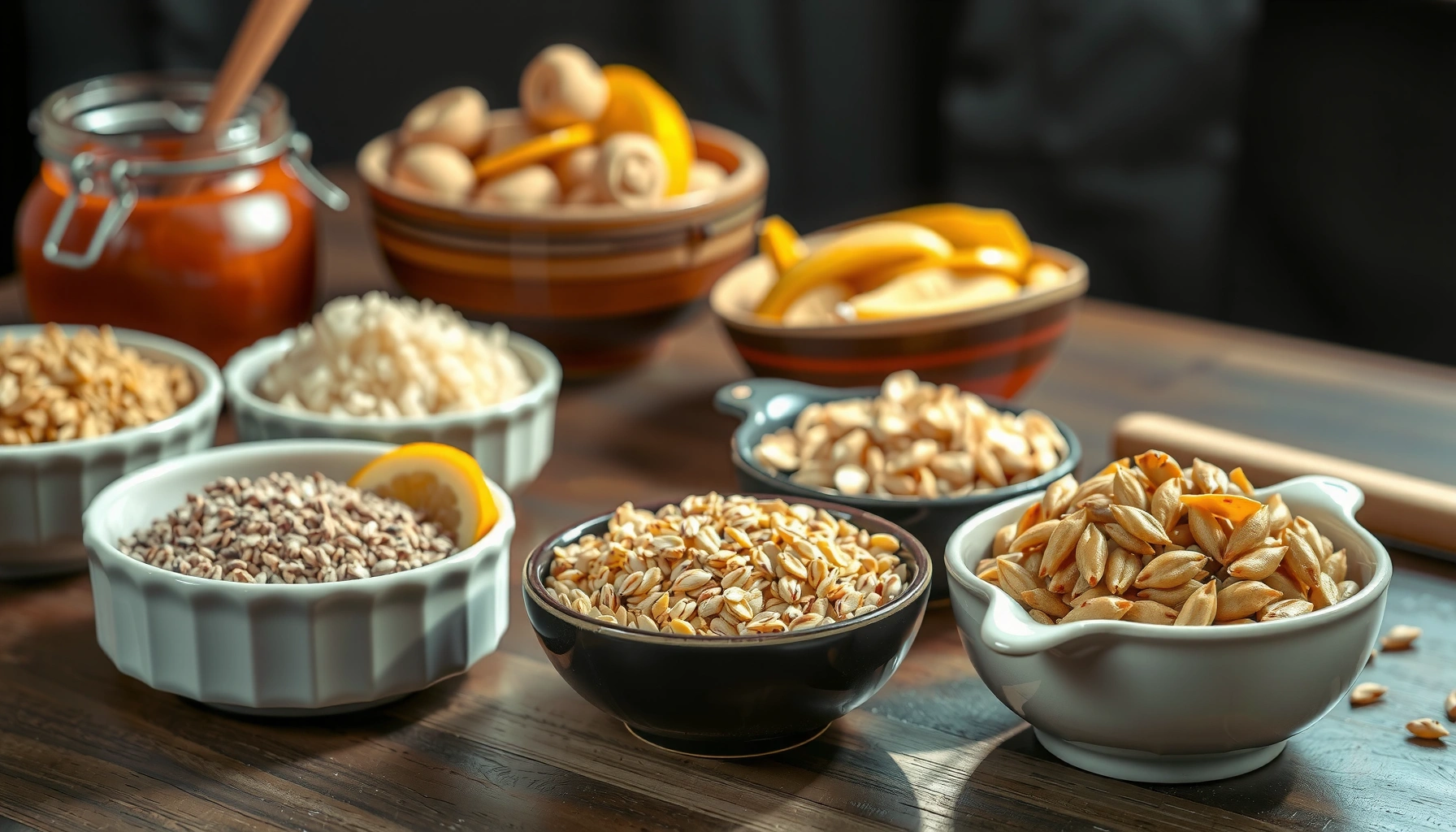
* Low Glycemic Carbohydrates: Carbohydrates are a significant source of glucose, making their quality and quantity crucial. For diabetic dogs, the focus shifts to low glycemic carbohydrates, which are complex and digest slowly, preventing sudden and sharp glucose spikes. Fiber-rich sources are particularly beneficial as fiber further slows down the absorption of glucose. Excellent examples include peas, lentils, chickpeas, and certain whole grains like barley or quinoa in moderate amounts. These contrast sharply with simple sugars (e.g., corn syrup, molasses) and high-starch grains (e.g., corn, white rice) that are rapidly converted to glucose, causing undesirable blood sugar surges.
* Moderate, Healthy Fats: While often vilified, fats are essential for a dog’s health, providing a concentrated source of energy, aiding in the absorption of fat-soluble vitamins (A, D, E, K), and supporting healthy skin and coat. For diabetic dogs, the key is moderation and quality. Healthy fats, such as omega-3 fatty acids from fish oil or flaxseed, can also offer anti-inflammatory benefits. However, excessive fat intake can contribute to weight gain, which worsens insulin resistance, and can also predispose dogs to pancreatitis, a painful and serious condition that complicates diabetes management. Therefore, a diet with a controlled, moderate amount of high-quality fats is recommended.
Ingredients to Prioritize and Avoid
Navigating pet food labels can be complex, but understanding which ingredients support glycemic control and which can undermine it is vital for diabetic dog owners.
* Prioritize:
* Whole Meats: Opt for foods listing specific whole meats like chicken, turkey, beef, or fish (e.g., salmon, trout) as the first ingredient. These provide high-quality, easily digestible protein.
* Fiber-Rich Vegetables: Non-starchy vegetables such as green beans, broccoli, spinach, kale, and pumpkin (plain, not pie filling) are excellent. They add essential vitamins, minerals, and dietary fiber, promoting satiety and aiding in slow glucose absorption without significantly impacting blood sugar levels.
* Slow-Digesting Complex Carbohydrates: If carbohydrates are included, look for sources like peas, lentils, chickpeas, or barley. These provide sustained energy release without rapid glucose spikes.
* Omega-3 Fatty Acids: Ingredients such as fish oil (salmon oil, cod liver oil), flaxseed, or chia seeds provide beneficial omega-3s, which can help reduce inflammation and support overall cellular health.
* Avoid:
* High Glycemic Carbohydrates: Steer clear of foods that list corn, wheat, white rice, or potatoes (unless specifically formulated as a low-GI starch in a veterinary diet) as primary ingredients or in large quantities. These are quickly broken down into glucose, causing undesirable blood sugar spikes.
* Excessive Simple Sugars: Always check for hidden sugars. Ingredients like corn syrup, molasses, fructose, sucrose, dextrose, and even fruit juice concentrates should be avoided. These are direct sources of glucose that can wreak havoc on blood sugar stability.
* Artificial Colors/Flavors/Preservatives: These additives offer no nutritional value and some dogs may be sensitive to them. It’s best to choose natural, minimally processed options.
* High Glycemic Index Ingredients: Any ingredient known to cause a rapid increase in blood glucose should be avoided. This requires diligent label reading and understanding ingredient impact.
Carefully check ingredient lists for hidden sugars or fillers that can negatively affect blood glucose. Manufacturers may use various names for sugars, so vigilance is key. Generic “animal fat” or “by-products” might also indicate lower quality, less predictable nutrient profiles. Always aim for transparency and quality in ingredient sourcing.
Commercial vs. Prescription Diabetic Dog Foods
When it comes to selecting food for a diabetic dog, owners typically face two main categories: prescription diets and high-quality commercial diets. The distinction is critical for optimal management.
* Prescription Diets: These foods are specifically formulated by veterinary nutritionists to address the unique metabolic needs of dogs with diabetes. They are developed with precise macronutrient ratios—typically high protein, controlled low glycemic carbohydrates, and moderate fat—and often incorporate specific types and levels of fiber designed to help stabilize blood glucose levels. Examples include Royal Canin Veterinary Diet Glycobalance, Hill’s Prescription Diet w/d, and Purina Pro Plan Veterinary Diets DM.
* Advantages: These diets undergo rigorous testing to ensure their glycemic response is predictable and beneficial. They often contain L-carnitine to support fat metabolism and maintain lean body mass, and their consistent nutrient profile simplifies insulin dosage adjustments. They are typically only available through a licensed veterinarian, ensuring that their use is part of a comprehensive, professionally supervised treatment plan.
* How They Work: Prescription diets control glucose absorption through careful selection of carbohydrate sources (often slowly digestible complex carbs), high fiber content (soluble fiber to slow digestion, insoluble fiber for satiety), and balanced protein to minimize blood sugar fluctuations.
* High-Quality Commercial Diets: Some non-prescription dog foods might appear to meet the general criteria of high protein, low carbohydrate, and moderate fat. However, using these diets for a diabetic dog requires extreme caution and extensive veterinary oversight.
* Challenges: The primary difficulty lies in the lack of specific glycemic testing data for most commercial foods. While a “guaranteed analysis” provides protein, fat, and fiber percentages, it rarely specifies the exact carbohydrate content or its glycemic index. Even within the same brand, ingredient sourcing and processing can vary, leading to inconsistencies in nutrient profiles that can impact blood sugar control.
* Considerations: If exploring a commercial option, look for brands with transparent ingredient lists, clear macronutrient breakdowns (often requiring calculation of net carbs), and a history of quality control. However, even the best commercial diets may not offer the precise and consistent glycemic control of a veterinary prescription diet.
Always consult your veterinarian before selecting any food, as they can recommend the best option for your dog’s specific needs. Your vet can assess your dog’s age, weight, activity level, insulin sensitivity, and any co-existing medical conditions (e.g., pancreatitis, kidney disease) to recommend the most appropriate diet. Attempting to manage diabetes with an inappropriate commercial diet can lead to unstable blood glucose levels, making diabetes control much more difficult and potentially endangering your dog’s health.
Feeding Schedule and Monitoring Blood Sugar
Effective diabetes management extends beyond just choosing the right food; it critically involves how and when that food is given, coupled with diligent monitoring.
* Consistent Schedule: Establishing and adhering to a consistent feeding schedule is paramount. Feeding your dog at the same time each day helps synchronize food intake with insulin injections, allowing for a more predictable and stable blood sugar response. Insulin dosages are often timed to coincide with food digestion, so erratic feeding times can lead to either periods of dangerously low blood sugar (hypoglycemia) if insulin is given without adequate food, or high blood sugar (hyperglycemia) if food is delayed or missed after insulin administration. Typically, veterinarians recommend feeding two or three meals a day, often immediately before or concurrent with insulin injections.
* Portion Control: Precise measurement of food is vital to prevent overfeeding and subsequent glucose fluctuations. Even small variations in food intake can significantly impact a diabetic dog’s blood sugar levels. It is highly recommended to use a digital kitchen scale to weigh dry kibble or wet food portions accurately, rather than relying on measuring cups, as the density of food can vary, leading to inaccurate volume measurements. All treats, chews, and human food scraps must be strictly controlled, vet-approved (e.g., small pieces of lean meat or plain green beans), and accounted for in the daily caloric and carbohydrate intake to maintain stable blood glucose.
* Regular Monitoring: Continuous monitoring of your dog’s health and blood sugar levels provides invaluable data for adjusting their diet and treatment plan. Beyond regular veterinary check-ups, owners should diligently track:
* Weight: Significant weight changes can affect insulin requirements.
* Appetite and Water Intake: Changes can signal blood sugar imbalances or other health issues. Increased thirst and urination can be signs of hyperglycemia.
* Energy Levels: Lethargy or unusual hyperactivity can indicate blood sugar fluctuations.
* Home Blood Glucose Monitoring: With veterinary guidance and training, owners can use a pet-specific glucometer to measure blood glucose levels at home. This provides real-time data on how food, insulin, and activity impact blood sugar, allowing for more informed decisions. Regular glucose curves (multiple readings over several hours) can reveal how your dog’s blood sugar responds throughout the day. Your veterinarian will also regularly check fructosamine levels, which provide an average blood glucose over the preceding 2-3 weeks, offering a broader picture of control.
Working with Your Veterinarian for a Customized Plan
Managing canine diabetes is a dynamic and lifelong process that demands close collaboration with your veterinary team. Your veterinarian is your most important resource in managing your dog’s diabetes, acting as your primary guide through this complex condition. They possess the medical expertise to diagnose, treat, and continuously monitor your dog’s specific needs, ensuring the best possible outcome.
They will help you choose the appropriate food, determine portion sizes, and create an insulin dosage schedule. This process is highly individualized. After an initial diagnosis, your vet will establish a baseline, then work with you to trial and adjust both the diet and insulin dosage based on your dog’s response, age, weight, activity level, and any co-existing health conditions (such as pancreatitis, kidney disease, or obesity). What works for one diabetic dog may not work for another, making personalized care essential. Your veterinarian can also advise on managing diabetes alongside other health concerns, selecting foods that won’t exacerbate additional conditions.
Regular check-ups and open communication are essential for adjusting the diet and treatment plan as your dog’s needs evolve. Diabetes management is not static; your dog’s insulin requirements and dietary needs can change over time due to aging, weight fluctuations, changes in activity, or the development of other medical issues. Routine veterinary visits allow for comprehensive assessments, bloodwork, and discussions about your observations and home monitoring results. Transparent and consistent communication with your vet about your dog’s appetite, water intake, energy levels, and any changes you notice is crucial for making timely and appropriate adjustments to their treatment plan. This proactive approach helps prevent complications and ensures your furry companion enjoys the highest possible quality of life.
Choosing the best dog food for a diabetic dog is a critical step in managing their condition and ensuring their well-being. Focus on diets that are high in protein, low in carbohydrates (especially simple sugars), and moderate in healthy fats, often in the form of a vet-recommended prescription diet. Always collaborate closely with your veterinarian to develop a personalized dietary plan, monitor your dog’s response, and make any necessary adjustments to help your furry friend live a healthy, happy life.
Frequently Asked Questions
What are the key dietary recommendations for managing diabetes in dogs?
The primary dietary recommendation for a diabetic dog involves a consistent, high-fiber, moderately fat, and complex carbohydrate diet. This approach helps stabilize blood glucose levels, promote a healthy weight, and minimize post-meal sugar spikes, which is crucial for effective diabetes management. It’s vital to feed meals on a strict schedule, typically coinciding with insulin injections, to maintain consistent blood sugar control.
Which specific ingredients and macronutrient ratios should I look for in dog food for a diabetic dog?
When choosing the best dog food for a diabetic dog, prioritize high-quality protein sources like lean meats, moderate levels of healthy fats, and complex carbohydrates derived from ingredients such as peas, lentils, or barley. A high fiber content (both soluble and insoluble) is essential, as it helps slow glucose absorption and can improve insulin sensitivity. Conversely, avoid foods high in simple sugars, refined grains, and excessive fat, which negatively impact blood sugar stability.
Why is a high-fiber, low-glycemic diet often recommended for diabetic dogs?
A high-fiber, low-glycemic diet is highly recommended for diabetic dogs because fiber slows the digestion and absorption of glucose, preventing rapid spikes in blood sugar after meals. Foods with a low glycemic index release glucose more slowly and steadily into the bloodstream, which is critical for maintaining stable blood glucose levels in insulin-dependent dogs. This dietary strategy aids in better glycemic control, can reduce insulin requirements, and helps manage weight, all vital for canine diabetes management.
How can diet help stabilize my diabetic dog’s blood sugar levels and improve their overall health?
A carefully chosen diet plays a critical role in stabilizing a diabetic dog’s blood sugar by providing a steady release of glucose into the bloodstream, rather than sudden surges. Consistent meals of appropriate dog food for diabetic dogs, rich in fiber and complex carbohydrates, work synergistically with insulin to regulate blood glucose. Furthermore, maintaining an ideal body weight through proper nutrition significantly improves insulin sensitivity and reduces the strain on the pancreas, ultimately enhancing their overall health and quality of life.
Are there any reputable commercial dog food options specifically formulated for diabetic dogs, or what should I look for when choosing one?
Yes, several reputable commercial dog food brands offer prescription diets specifically formulated for diabetic dogs, often labeled as “weight management” or “glucose management” foods. When selecting one, look for foods with high protein, high fiber, and controlled fat content, with complex carbohydrates as primary sources. Always consult your veterinarian, as they can recommend the best dog food for your diabetic dog based on their individual needs, health status, and any other concurrent conditions, ensuring optimal diabetes management.
References
- https://vetmed.illinois.edu/wp-content/uploads/2016/10/Nutrition-Management-for-Dogs-with-Diabetes-Mellitus.pdf
- Veterinary Partner – VIN
- https://www.akc.org/expert-advice/health/diabetic-dog-food-what-to-feed-your-diabetic-dog/
- https://www.ncbi.nlm.nih.gov/pmc/articles/PMC7216503/
- https://www.ncbi.nlm.nih.gov/pmc/articles/PMC6409419/
- https://www.acvim.org/animal-owners/animal-education/a-z-animal-disease-information/diabetes-mellitus-in-dogs
- https://vetmed.tufts.edu/wp-content/uploads/Nutrition-Recommendations-for-Dogs-with-Diabetes.pdf