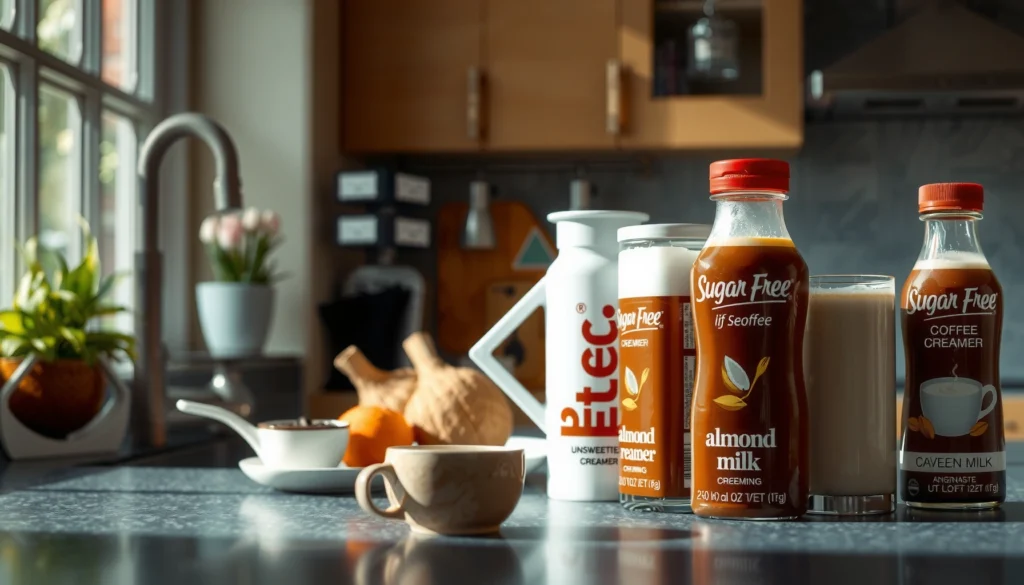

Navigating coffee creamer options as a diabetic often comes down to one core principle: choose sugar-free, low-carbohydrate options that won’t spike blood glucose. The “best” creamer is one that aligns with these criteria, with unsweetened plant-based milks like almond or coconut milk being top recommendations, alongside carefully selected commercial sugar-free creamers. This guide will help you understand what makes a creamer diabetic-friendly, empower you to make informed choices for your daily brew, and ensure your morning ritual supports your health goals without compromising on flavor. Understanding the nuances of nutrition labels and ingredient lists is paramount for managing blood sugar effectively while still enjoying your coffee.


Understanding Key Criteria for Diabetic-Friendly Creamers
For individuals managing diabetes, every food choice, including seemingly small additions like coffee creamer, can significantly impact blood glucose levels. Therefore, a strategic approach to selecting creamers is essential, focusing on specific nutritional criteria to maintain metabolic stability.
* Prioritize “Sugar-Free” Labels: This is perhaps the most critical criterion. Sugar, in any form, directly elevates blood glucose. Creamers explicitly labeled as “sugar-free” or “no added sugar” are designed to eliminate this primary culprit. However, vigilance is key, as some products might use alternative sweeteners that, while not glucose-spiking, may have other considerations. Always verify the total sugar content on the nutrition facts panel, aiming for 0 grams per serving. Even small amounts of added sugars, when consumed daily, can accumulate and negatively affect blood sugar control over time.
* Focus on Low Carb Count: Beyond just sugar, total carbohydrate content is vital. Many conventional creamers, even those not overtly sweet, can contain significant amounts of carbohydrates, often from thickeners or milk solids. Opt for options with minimal carbohydrates per serving, ideally 1-2 grams or less. This helps prevent unwanted glucose spikes and supports overall carbohydrate management throughout the day. Paying close attention to serving sizes is also crucial, as even a low-carb creamer can become problematic if consumed in excessive quantities.
* Scrutinize Ingredient Lists: The ingredient list provides a deeper look into what’s truly in your creamer. Be on the lookout for hidden sugars, which can masquerade under various names like corn syrup, high-fructose corn syrup, maltodextrin, dextrose, evaporated cane juice, or fruit juice concentrate. These are all forms of sugar that will impact blood glucose. Furthermore, avoid unhealthy fats such as hydrogenated or partially hydrogenated oils (trans fats), which are detrimental to cardiovascular health, a particular concern for diabetics. Instead, look for products with healthier fat sources like coconut oil or naturally occurring fats from plant-based milks.
Top Natural & Unsweetened Plant-Based Options
When seeking the healthiest and most consistently diabetic-friendly creamer options, natural, unsweetened plant-based milks are often the gold standard. They offer a clean profile, minimal processing, and effective blood sugar management.
* Unsweetened Almond Milk: This is a perennial favorite for its versatility, low-calorie, and remarkably low-carb profile. A standard 8-ounce (240ml) serving of unsweetened almond milk typically contains only 30-40 calories, 1 gram of carbohydrate, and 0 grams of sugar. It provides a subtle, nutty flavor and a smooth, creamy texture that complements coffee beautifully without affecting blood sugar levels. When selecting, always ensure the label explicitly states “unsweetened” and check the ingredient list for any added sugars or unnecessary thickeners. It’s also often fortified with calcium and vitamin D, offering additional nutritional benefits.
* Unsweetened Coconut Milk (Beverage or Light Can): For those desiring a richer, more luxurious texture and a hint of tropical sweetness, unsweetened coconut milk is an excellent choice. When referring to “beverage” coconut milk, it’s typically found in cartons alongside almond and soy milk and has a thinner consistency, similar to dairy milk, with minimal carbs. “Light can” coconut milk, often used in cooking, is thicker and creamier, offering a more decadent experience in coffee but still very low in carbohydrates when unsweetened. It provides healthy medium-chain triglycerides (MCTs), which can be beneficial for metabolism. Always opt for unsweetened varieties to avoid added sugars, and be mindful that the fat content can be higher than almond milk, contributing more calories, though the carbohydrates remain low.
* Unsweetened Soy Milk: A classic plant-based alternative, unsweetened soy milk offers a good source of protein and a creamy texture. It can be a good option for diabetics, but careful selection is paramount. While naturally low in sugar, the carbohydrate content can vary more significantly between brands compared to almond or coconut milk. A typical serving of unsweetened soy milk might contain around 3-4 grams of carbohydrates and 7-8 grams of protein. Always double-check the nutrition label to confirm it is indeed unsweetened and to assess its specific carb count to ensure it fits within your dietary plan. Its neutral flavor profile integrates well with various coffee roasts.
Navigating Commercial Sugar-Free Creamers
For many, the convenience and familiar taste profile of commercial creamers are appealing. Fortunately, several brands now offer sugar-free alternatives specifically designed to cater to dietary restrictions, including diabetes. However, careful scrutiny of these products is crucial.
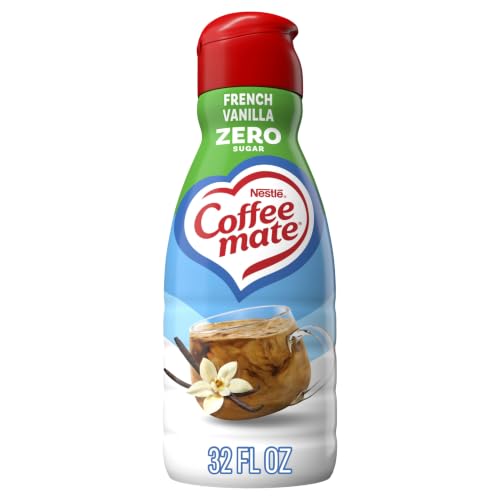
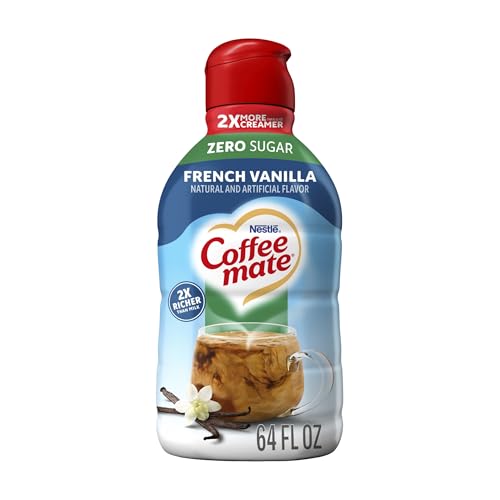
* Brands to Consider: Major creamer manufacturers have responded to the demand for healthier options. Brands like Coffee Mate Zero Sugar and Splenda Coffee Creamer are popular choices that provide the traditional creamer experience – often with a variety of flavors – but without added sugar. These products typically use artificial sweeteners (like sucralose, acesulfame potassium) or sugar alcohols (like erythritol) to achieve sweetness. While they can be a convenient option, understanding the implications of these sweeteners is important.
* Read Nutrition Labels Carefully: When choosing commercial sugar-free creamers, the nutrition label is your best friend. Beyond checking for 0 grams of sugar, pay attention to the carbohydrate count, particularly if sugar alcohols are present. While sugar alcohols generally have a lower impact on blood glucose than regular sugar, some can still contribute to the total carbohydrate count and may affect individuals differently. For instance, some sugar alcohols like maltitol can have a glycemic impact closer to sugar. Also, examine the fat content and type; some commercial creamers may still use less healthy fats or thickeners.
* Personal Tolerance: Artificial sweeteners and sugar alcohols are generally recognized as safe, but individual responses can vary. Some people may experience digestive upset (e.g., bloating, gas, diarrhea) from certain sugar alcohols or artificial sweeteners, especially in larger quantities. It’s advisable to introduce new sugar-free creamers gradually and monitor how your body reacts. If you notice any adverse effects, consider trying a different brand or switching to natural plant-based alternatives. Consulting with a healthcare professional or registered dietitian can also provide personalized guidance on artificial sweetener intake.
Healthy Sweeteners and Flavorings for Your Coffee
Enhancing your coffee’s flavor doesn’t have to mean compromising your blood sugar management. There are numerous diabetic-friendly ways to add sweetness and complexity to your brew.
* Diabetic-Friendly Sweeteners: To achieve sweetness without sugar, focus on natural, zero-calorie sugar substitutes that do not impact blood glucose. Stevia (derived from the stevia plant), monk fruit (from the monk fruit), and erythritol (a sugar alcohol that is almost entirely absorbed before reaching the large intestine, minimizing digestive issues for most) are excellent choices. These sweeteners are available in various forms (liquid drops, granulated packets) and can be added directly to your coffee. Experiment to find your preferred level of sweetness, as their intensity can vary. Avoid artificial sweeteners like aspartame or sucralose if you have sensitivities, though they are also generally considered safe for diabetics.
* Natural Flavor Enhancers: Beyond sweetness, natural flavor enhancers can elevate your coffee experience without adding calories or carbohydrates. A dash of cinnamon not only adds a warm, spicy note but may also offer some blood sugar benefits. Unsweetened cocoa powder can transform your coffee into a rich, sugar-free mocha. A few drops of pure vanilla extract (ensure it’s alcohol-based, not sugar-based syrup) or almond extract can impart a delightful aroma and taste. Other options include a pinch of nutmeg or cardamom. These ingredients allow for creativity and variety in your coffee without any glycemic impact.
* Avoid Sugary Syrups: While tempting, most flavored syrups are loaded with sugar or high-fructose corn syrup and are immediate red flags for diabetics. Even “sugar-free” syrups should be used sparingly and with caution. While they use artificial sweeteners, some brands may still contain ingredients like maltodextrin (a high-glycemic carb) or other questionable additives that might not be ideal for diabetics. Always read the ingredient list meticulously. For a safer flavored coffee, rely on the natural flavor enhancers mentioned above or create your own sugar-free syrups using stevia or monk fruit and natural extracts.
Ingredients Diabetics Should Avoid in Creamers
Being an informed consumer is crucial when managing diabetes. Knowing which ingredients to actively avoid in coffee creamers can save you from unexpected blood sugar spikes and other health complications.
* Added Sugars: This is the most significant category of ingredients to avoid. Sugar can appear under many aliases on an ingredient list. Be vigilant for:
* Sucrose: Common table sugar.
* Corn Syrup/High-Fructose Corn Syrup: Ubiquitous in many processed foods and a major source of added sugar.
* Maltodextrin: A polysaccharide often used as a thickener or filler. Despite its complex name, it has a high glycemic index, meaning it can spike blood sugar rapidly, sometimes even more so than table sugar.
* Dextrose: A simple sugar, chemically identical to glucose.
* Evaporated Cane Juice, Agave Nectar, Honey, Maple Syrup: While some may be perceived as “natural,” they are still forms of sugar that will raise blood glucose.
The general rule is: if an ingredient ends in “-ose” (glucose, fructose, lactose, maltose) or is a syrup, it’s likely a sugar.
* Hydrogenated or Partially Hydrogenated Oils: These ingredients are a major source of trans fats, which are artificially created unhealthy fats. Trans fats are known to increase “bad” LDL cholesterol, decrease “good” HDL cholesterol, and significantly increase the risk of heart disease, stroke, and type 2 diabetes. Given that diabetics are already at a higher risk for cardiovascular complications, avoiding trans fats is paramount. Always check the ingredient list for these oils and opt for creamers that use healthier fat sources or none at all.
* Excessive Artificial Sweeteners: While artificial sweeteners provide sweetness without calories or glycemic impact, some individuals prefer to limit their intake. This can be due to potential digestive sensitivities, a desire to avoid highly processed ingredients, or ongoing research debates about their long-term health effects (though regulatory bodies generally affirm their safety). If you experience issues like bloating or stomach upset, or simply prefer a more natural approach, reducing reliance on creamers heavily laden with artificial sweeteners and opting for natural options like stevia or monk fruit, or simply unsweetened plant milks, might be beneficial.
Choosing the best coffee creamer for diabetes involves a combination of careful label reading and prioritizing sugar-free, low-carb options. Unsweetened plant-based milks like almond, coconut, and soy are generally the safest and healthiest bets, offering minimal impact on blood sugar with added nutritional benefits. Commercial sugar-free creamers can also be enjoyed in moderation, provided you scrutinize their ingredient lists for hidden sugars, unhealthy fats, and artificial sweeteners that may cause individual sensitivities. By understanding what to look for and what to avoid, you can confidently select a creamer that supports your blood sugar management goals and allows you to savor your daily cup of coffee without worry. Always consult with your healthcare provider or a registered dietitian for personalized dietary advice to ensure your choices align with your overall health plan.
Frequently Asked Questions
What ingredients should diabetics primarily avoid in coffee creamers?
Diabetics should prioritize avoiding added sugars such as high-fructose corn syrup, sucrose, dextrose, and maltodextrin, as these can significantly spike blood glucose levels. Additionally, be wary of artificial trans fats (partially hydrogenated oils) and excessive saturated fats, which can negatively impact cardiovascular health, a common concern for individuals managing diabetes. Always scrutinize the nutrition label for these hidden ingredients when choosing a coffee creamer.
How can I choose a sugar-free coffee creamer that still tastes good for managing diabetes?
To find a great-tasting, diabetic-friendly creamer, look for options sweetened with natural, low-calorie alternatives like stevia, erythritol, or monk fruit, which provide sweetness without affecting blood sugar. Experiment with various brands and flavor profiles, as taste preferences are subjective, and many companies now offer delicious sugar-free creamers that closely mimic traditional indulgent options. Reading reviews from other diabetics can also help guide your choice toward satisfying flavors.
Why are certain sugar substitutes considered better than others in diabetic-friendly creamers?
Certain sugar substitutes, specifically erythritol, stevia, and monk fruit extract, are generally preferred because they have a minimal to no impact on blood glucose levels and are typically well-tolerated without causing digestive upset. In contrast, while artificial sweeteners like sucralose or aspartame are sugar-free, their long-term effects on gut health or individual metabolic responses can vary for some. Choosing natural, zero-calorie sweeteners is often considered a safer and healthier bet for effective diabetes management.
Which natural, unsweetened alternatives can diabetics use instead of store-bought coffee creamers?
For a natural and healthy addition to coffee, diabetics can consider a splash of unsweetened almond milk, cashew milk, or even a small amount of full-fat coconut milk, used in moderation for its healthy fats. Adding a dash of cinnamon, unsweetened cocoa powder, or a few drops of natural vanilla extract can also enhance flavor without introducing extra sugar or artificial ingredients. These options offer creaminess and taste while supporting stable blood sugar.
What are some specific brands of coffee creamer generally considered safe for diabetics?
Several brands offer excellent sugar-free or unsweetened options suitable for diabetics. Look for products like Califia Farms Unsweetened Almondmilk Creamer, So Delicious Dairy-Free Coconutmilk Creamer (Unsweetened), or specific “Zero Sugar” lines from brands like Coffee Mate or Splenda Naturals Creamer. It is crucial to always double-check the nutrition label and ingredient list, as formulations can vary even within the same brand, to ensure there are no hidden sugars or undesirable additives.
References
- Diabetes diet: Create your healthy-eating plan – Mayo Clinic
- https://www.diabetes.org/healthy-living/recipes-nutrition/sweeteners
- https://www.diabetes.org/food-and-fitness/what-to-eat/drinks-and-desserts
- https://health.clevelandclinic.org/what-you-should-drink-when-you-have-diabetes/
- https://www.health.harvard.edu/staying-healthy/coffee-and-your-health
- Sugar substitute
- Healthy Living with Diabetes – NIDDK




Pingback: Best Syrup for Diabetes: What to Choose and What to Avoid - Best For Diabetics
Pingback: Best Water Flavoring for Diabetics: Top Picks for Sugar-Free Taste - Best For Diabetics