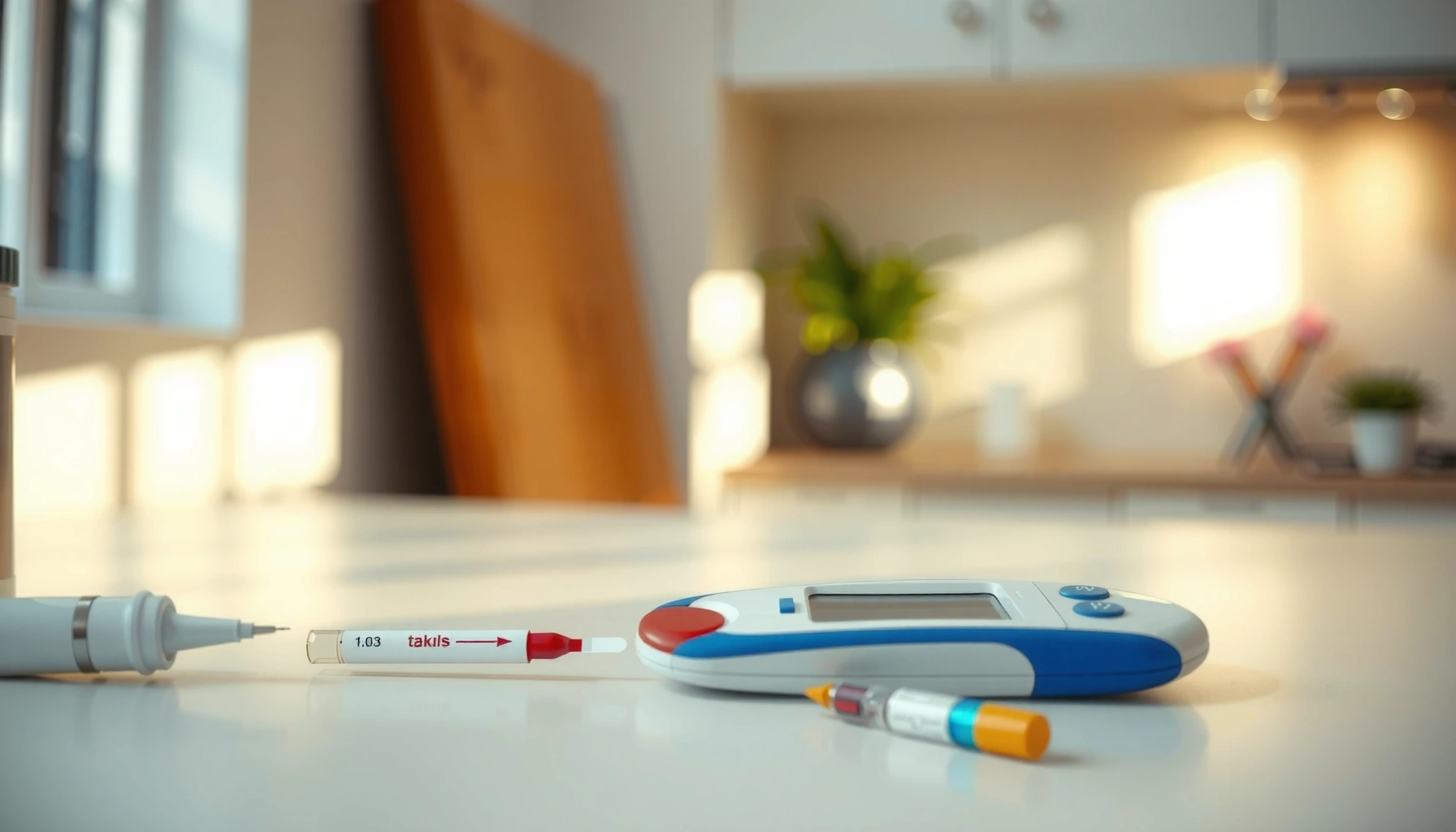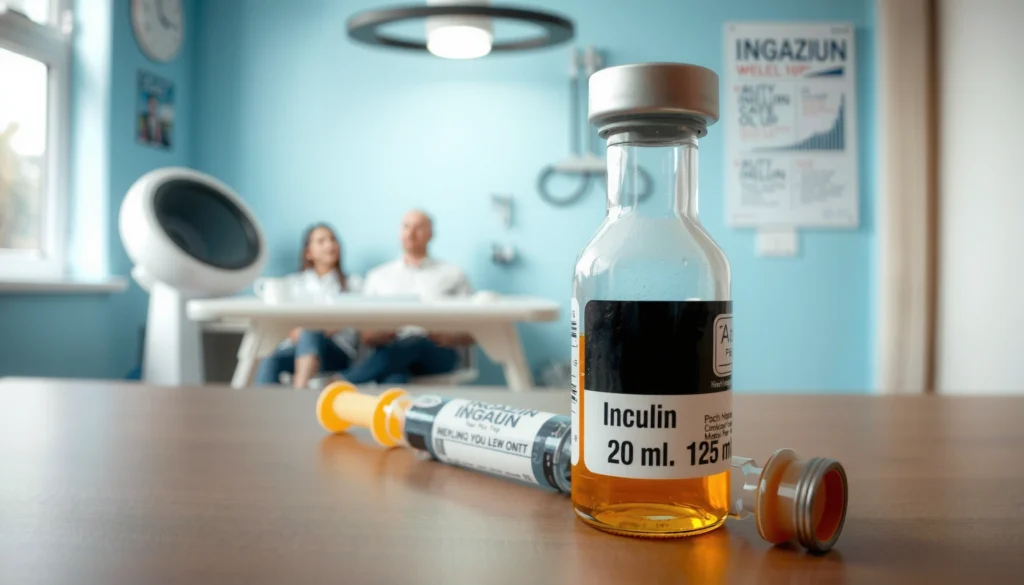

For individuals living with Type 1 Diabetes, the best medicine is unequivocally insulin. This essential hormone replaces what the pancreas can no longer produce, directly addressing the core physiological issue. However, effective management of Type 1 Diabetes extends beyond just insulin, encompassing a personalized regimen of insulin types, advanced delivery systems, adjunctive therapies, continuous monitoring, and crucial lifestyle adjustments. This article will explore the comprehensive medical approaches that collectively constitute the most effective care for Type 1 Diabetes.


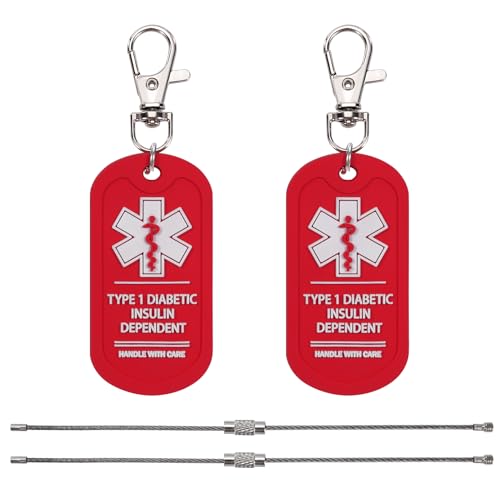

The Indispensable Role of Insulin Therapy
Insulin is the primary and life-sustaining medication for all individuals with Type 1 Diabetes, essential for survival. Without exogenous insulin, the body cannot effectively utilize glucose for energy, leading to dangerously high blood sugar levels and eventually life-threatening complications like diabetic ketoacidosis (DKA). For those with Type 1 Diabetes, the autoimmune destruction of pancreatic beta cells means their body produces little to no insulin, making daily insulin therapy non-negotiable from diagnosis onwards.
Different types of insulin (rapid-acting, short-acting, intermediate-acting, long-acting) are used to mimic the body’s natural insulin production throughout the day and night. Rapid-acting insulins (e.g., Novolog, Humalog, Fiasp) are taken before meals to cover carbohydrate intake, quickly lowering post-prandial glucose spikes. Short-acting insulins (e.g., Humulin R, Novolin R) have a slightly slower onset and longer duration. Intermediate-acting insulins (e.g., NPH) offer a longer but less precise coverage. Long-acting basal insulins (e.g., Lantus, Levemir, Tresiba) provide a steady, background supply of insulin for 12-42 hours, preventing glucose levels from rising between meals and overnight. A common approach involves a basal-bolus regimen, combining long-acting insulin for baseline needs with rapid-acting insulin for meals and correction doses.
The core objective of insulin therapy is to maintain blood glucose levels within a target range, thereby preventing both hyperglycemia and dangerous hypoglycemia. Consistent management aims to achieve an A1c target, often below 7%, as recommended by professional guidelines, to minimize the risk of long-term microvascular and macrovascular complications such as retinopathy, nephropathy, neuropathy, and cardiovascular disease. Simultaneously, vigilant dosing and monitoring are crucial to avoid hypoglycemia, which can cause immediate symptoms like confusion, weakness, and, in severe cases, seizures or loss of consciousness.
Modern Insulin Delivery Methods
Multiple daily injections (MDI) using syringes or insulin pens offer flexibility and precise dosing for individuals managing their diabetes. This traditional method involves injecting basal insulin once or twice daily and rapid-acting insulin before each meal or snack, as well as for correction doses. Insulin pens, pre-filled with insulin and equipped with fine needles, have become particularly popular due to their convenience, ease of use, and discrete nature, making them a practical choice for many active individuals who prioritize straightforward administration.
Insulin pumps provide continuous subcutaneous insulin infusion, allowing for highly accurate micro-dosing and programmable basal rates. These small, computerized devices deliver a continuous stream of rapid-acting insulin through a tiny catheter inserted under the skin, mimicking the pancreas’s natural function more closely. Users can program variable basal rates throughout the day and night to match their physiological needs, and deliver precise bolus doses for meals or corrections with the push of a button, often leading to improved glucose control and fewer severe hypoglycemic events compared to MDI for many individuals.
The choice of delivery method is highly individualized, determined by lifestyle, personal preferences, and clinical needs in consultation with a healthcare provider. Factors such as daily routines, comfort with technology, dexterity, insurance coverage, and overall treatment goals play a significant role in deciding between MDI and insulin pump therapy. For instance, individuals with very active lifestyles or unpredictable schedules might benefit from the precision and flexibility of a pump, while others might prefer the simplicity and lower initial learning curve associated with insulin pens. Regular discussions with the diabetes care team are essential to ensure the chosen method remains optimal over time.
Complementary Medications and Technologies
Adjunctive therapies, such as amylin analogs (e.g., Pramlintide), can be prescribed alongside insulin to improve post-meal glucose control and enhance satiety. Pramlintide is an injectable synthetic analog of amylin, a hormone co-secreted with insulin by the pancreas. It works by slowing gastric emptying, suppressing post-meal glucagon secretion, and promoting satiety, which can help reduce post-prandial glucose spikes and potentially decrease insulin requirements for meals. It is typically used in individuals who struggle with significant post-meal hyperglycemia despite optimized insulin therapy.
Continuous Glucose Monitors (CGMs) provide real-time glucose data and trend information, enabling proactive management decisions and significantly reducing the need for fingerstick checks. A CGM system involves a small sensor inserted under the skin that measures interstitial fluid glucose levels every few minutes, transmitting this data wirelessly to a receiver or smartphone. Users can see their current glucose level, the direction and rate of change (trend arrows), and receive alerts for highs, lows, or rapidly changing glucose levels. This wealth of data allows for more informed decision-making regarding insulin dosing, meal planning, and physical activity, leading to better “Time In Range” (TIR) and improved quality of life.
Automated Insulin Delivery (AID) systems, often referred to as hybrid closed-loop systems, integrate CGMs and insulin pumps for enhanced and often more stable glucose management. These sophisticated systems use algorithms to continuously adjust basal insulin delivery based on real-time CGM readings, aiming to keep glucose levels within a target range with minimal user input. While they still require the user to manually announce carbohydrate intake for meals, AID systems can significantly reduce the burden of diabetes management, minimize glucose fluctuations, and improve overall glycemic control, leading to fewer hypoglycemic and hyperglycemic episodes, especially overnight.
Strategic Blood Glucose Monitoring
Regular and accurate blood glucose monitoring, whether via traditional meters or CGMs, is critical for understanding individual glucose patterns and making informed treatment adjustments. For those using traditional blood glucose meters (BGMs), consistent fingerstick checks throughout the day (before and after meals, at bedtime, before exercise) provide snapshots of glucose levels, which are vital for calculating mealtime insulin doses and correcting high readings. CGMs, however, offer a continuous stream of data, painting a much more detailed picture of glucose trends and fluctuations throughout the day and night, including between meals and during sleep.
Data derived from monitoring helps individuals and their care teams tailor insulin dosages, identify trends, and assess the impact of food, exercise, and stress on glucose levels. By reviewing glucose logs or CGM reports, patterns can be identified—for example, consistently high morning sugars might indicate a need for basal insulin adjustment, while repeated post-meal spikes could suggest a need for more aggressive mealtime insulin or altered food choices. This empirical evidence is invaluable for fine-tuning the treatment plan, optimizing both safety and effectiveness.
Effective monitoring empowers individuals to actively participate and make day-to-day decisions in their personalized diabetes management plan. When individuals understand how their body responds to various inputs (food, insulin, activity, stress), they gain confidence and control. This active engagement fosters self-efficacy and enables proactive adjustments, such as taking a correction bolus for an unexpected high, adjusting insulin for impending exercise, or making informed food choices. This collaborative approach between the patient and their healthcare provider, supported by robust data, is fundamental to achieving optimal glycemic control and preventing complications.
Lifestyle as a Cornerstone of Management
A well-planned nutritional strategy, focusing on accurate carbohydrate counting and balanced meals, is essential for matching insulin doses to food intake effectively. Carbohydrate counting is a cornerstone for individuals with Type 1 Diabetes, as carbohydrates have the most significant and immediate impact on blood glucose levels. Learning to accurately estimate carbohydrate content in foods allows individuals to administer precise bolus insulin doses, preventing post-meal hyperglycemia. Beyond carb counting, a balanced diet rich in whole foods, lean proteins, and healthy fats, while minimizing processed foods and sugary drinks, supports overall health and cardiovascular well-being, both critical for long-term diabetes management.
Regular physical activity plays a vital role in glucose utilization and overall cardiovascular health, but requires careful coordination with insulin and food intake to prevent glucose fluctuations. Exercise increases insulin sensitivity, meaning the body uses insulin more efficiently, which can lead to lower blood glucose levels. However, strenuous or prolonged activity can also increase the risk of hypoglycemia during or hours after exercise. Therefore, individuals must learn to adjust insulin doses, increase carbohydrate intake, or both, based on the type, intensity, and duration of their physical activity, working closely with their healthcare team to develop a safe and effective exercise plan.
Stress management techniques, adequate sleep, and mental well-being are also important components, as they can significantly influence blood glucose levels and overall health. Psychological stress can trigger the release of hormones that raise blood glucose, making stress reduction techniques like mindfulness, meditation, or regular relaxation practices valuable. Similarly, sleep deprivation can impair insulin sensitivity and increase blood glucose levels, underscoring the importance of prioritizing good sleep hygiene. Addressing mental health challenges, such as diabetes distress, anxiety, or depression, through professional support is also crucial, as these can profoundly impact adherence to treatment regimens and overall well-being.
The Importance of Professional Guidance
A dedicated and collaborative healthcare team, typically including an endocrinologist, certified diabetes educator, and registered dietitian, is crucial for developing and continuously adjusting a personalized treatment plan. The endocrinologist provides expert medical oversight, diagnosing complications, prescribing medications, and guiding overall treatment strategy. A certified diabetes educator (CDE) offers practical, hands-on training in insulin administration, glucose monitoring, pump management, and problem-solving. A registered dietitian (RD) specializes in medical nutrition therapy, helping individuals develop sustainable eating plans, refine carbohydrate counting skills, and address specific dietary needs. This multidisciplinary approach ensures all facets of diabetes management are addressed comprehensively.
Regular check-ups, ongoing education, and access to the latest research ensure that the treatment strategy remains optimized for the individual’s changing needs and medical advancements. Type 1 Diabetes management is not static; it evolves with age, lifestyle changes, and the emergence of new technologies and therapeutic options. Routine appointments allow the care team to assess glycemic control, screen for complications, adjust insulin regimens, and provide updated education on topics like new insulin types, advanced pump features, or nutritional strategies. Staying informed about the latest research empowers both patients and providers to make evidence-based decisions.
Collaborative decision-making between the patient and their care team leads to the most effective, safest, and sustainable long-term management outcomes. Empowering individuals to be active participants in their care, understanding their preferences, lifestyle, and goals, fosters greater adherence and satisfaction. Open communication, mutual respect, and shared goal-setting create a partnership that maximizes the potential for successful diabetes management. This partnership approach ensures that the treatment plan is not only clinically sound but also practical and integrated into the individual’s daily life, leading to improved health outcomes and enhanced quality of life.
While insulin remains the undisputed foundational medicine for Type 1 Diabetes, its “best” application comes through a comprehensive, personalized strategy. This involves selecting appropriate insulin types and delivery methods, integrating advanced monitoring technologies, considering adjunctive therapies, and diligently incorporating lifestyle modifications. Successful management requires a collaborative approach with your healthcare team to continually adapt and refine your treatment plan, embracing new technologies and knowledge as they emerge. Always consult with your doctor or diabetes care team to determine the most effective and safe course of treatment for your unique needs.
Frequently Asked Questions
What is the primary medicine for Type 1 diabetes, and why is it essential for survival?
The primary and absolutely essential medicine for Type 1 diabetes is insulin. Individuals with Type 1 diabetes cannot produce insulin naturally because their immune system attacks and destroys the insulin-producing beta cells in the pancreas. Without insulin, the body cannot properly use glucose for energy, leading to dangerously high blood sugar levels and life-threatening complications like diabetic ketoacidosis (DKA). Therefore, daily insulin administration is crucial for survival and managing blood glucose effectively.
Are there any non-insulin medicines that can help manage Type 1 diabetes?
While insulin therapy is the cornerstone of Type 1 diabetes treatment, some non-insulin medicines can be used as adjuncts in specific situations. For example, pramlintide (Symlin) is an injectable amylin analog that can help improve post-meal blood sugar control and promote satiety. Additionally, SGLT2 inhibitors or GLP-1 receptor agonists are sometimes explored off-label or in trials to potentially aid glucose control and cardiovascular health, but they never replace the need for insulin for people with Type 1 diabetes. Always consult your endocrinologist to discuss if any adjunctive therapies are appropriate for your individual Type 1 diabetes management plan.
How do doctors determine the “best” type of insulin for a person with Type 1 diabetes?
The “best” type of insulin for an individual with Type 1 diabetes is highly personalized and determined by an endocrinologist based on various factors. These factors include the person’s lifestyle, dietary habits, physical activity level, blood glucose monitoring patterns, and overall health goals. Often, a combination of long-acting (basal) insulin to cover background needs and rapid-acting (bolus) insulin for meals and corrections is prescribed, delivered either via multiple daily injections or an insulin pump. The goal is to mimic the body’s natural insulin production as closely as possible, ensuring optimal blood sugar control and minimizing complications.
Why aren’t oral medications, commonly used for Type 2 diabetes, effective for Type 1 diabetes treatment?
Oral medications typically prescribed for Type 2 diabetes work by improving insulin sensitivity, stimulating the pancreas to produce more insulin, or reducing glucose absorption. However, Type 1 diabetes is fundamentally different; it’s an autoimmune condition where the body’s immune system completely destroys the insulin-producing beta cells in the pancreas, meaning there is no endogenous insulin production. Since oral medications rely on some level of existing insulin production or function, they are ineffective as standalone treatments for Type 1 diabetes, which requires exogenous insulin replacement.
What are the newest or emerging “medicines” and therapies being researched for Type 1 diabetes?
Exciting research is continuously advancing potential new “medicines” and therapies for Type 1 diabetes, moving beyond traditional insulin. Key areas include “smart” insulins that activate only when blood glucose is high, immunotherapy to prevent or reverse the autoimmune attack on beta cells, and encapsulated beta cell transplants that could potentially restore natural insulin production without immunosuppression. While these promising advancements are still largely in clinical trials, they offer hope for future treatments that could significantly improve management or even lead to a cure for Type 1 diabetes.
References
- https://en.wikipedia.org/wiki/Type_1_diabetes_treatment
- https://www.niddk.nih.gov/health-information/diabetes/overview/type-1-diabetes/treatment
- https://www.cdc.gov/diabetes/basics/type1.html
- Understanding Type 1 Diabetes | ADA
- https://www.jdrf.org/t1d-resources/t1d-information/type-1-diabetes/
- Type 1 diabetes – Symptoms and causes – Mayo Clinic