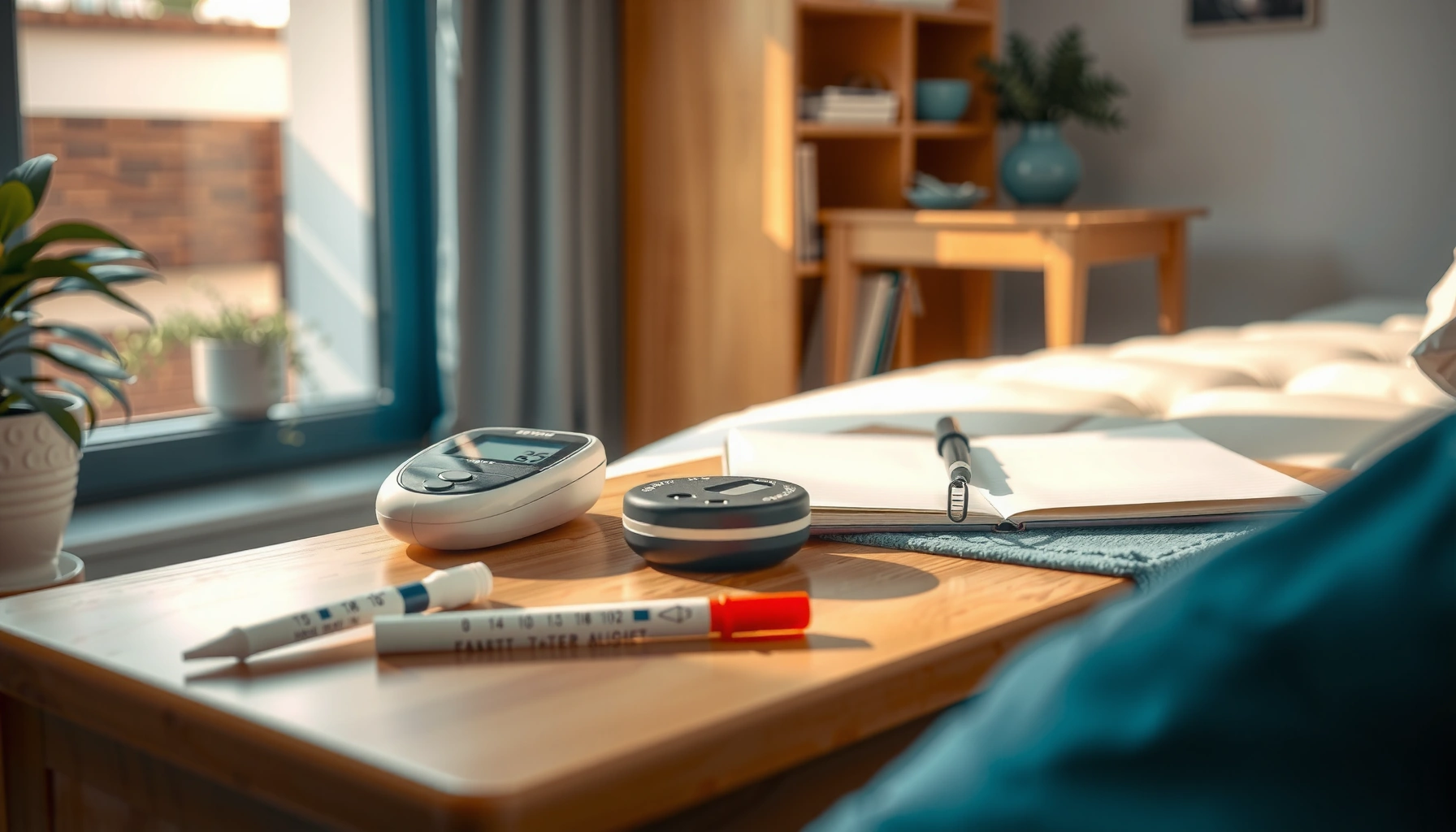

The best insulin pen for managing type 2 diabetes is one that perfectly aligns with your individual needs for ease of use, dosing accuracy, and seamless integration into your lifestyle. While there isn’t a single “best” pen for everyone, top contenders prioritize intuitive design, clear dosage indicators, and increasingly, smart features that enhance adherence and provide valuable data. This comprehensive guide will illuminate the key factors to consider and explore popular options, empowering you to have an informed discussion with your healthcare provider to find the ideal pen for your diabetes management journey.




Understanding Insulin Pens for Type 2 Diabetes
Insulin pens have revolutionized daily insulin therapy for millions, offering a significant upgrade in convenience and precision compared to traditional vials and syringes. Understanding their fundamental nature and benefits is crucial for anyone considering their use for type 2 diabetes management.
* What is an Insulin Pen?
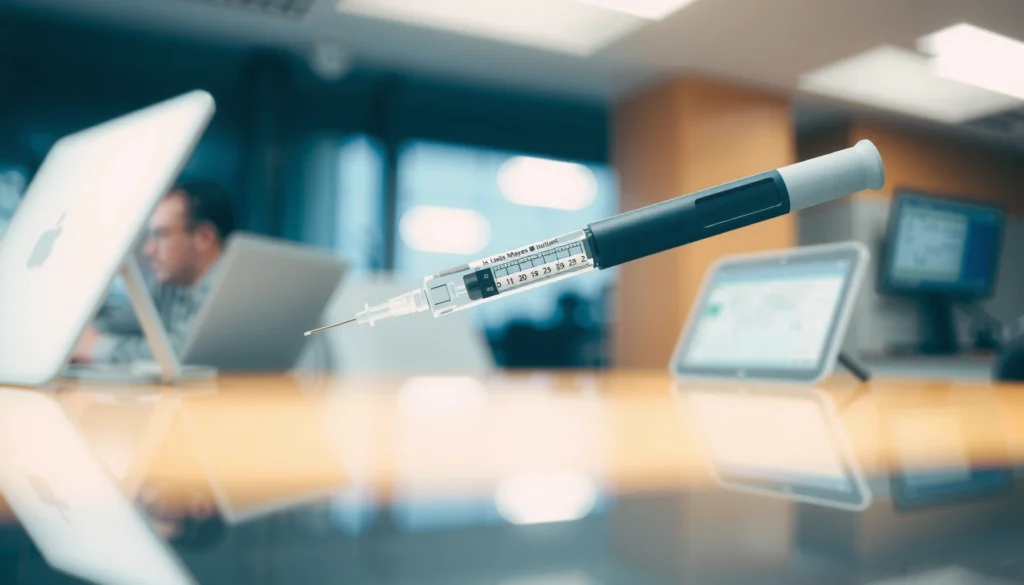
An insulin pen is a sophisticated medical device designed to deliver precise doses of insulin. It functions as a compact, self-contained system, either pre-filled with a specific type of insulin (disposable pens) or designed to hold replaceable insulin cartridges (reusable pens). Each pen features a dose selector dial, a button for injection, and a needle attachment point. They eliminate the need for drawing insulin from a vial with a separate syringe, streamlining the injection process considerably. This modern approach to insulin delivery provides a discreet and user-friendly experience, making daily injections less cumbersome and more consistent.
* Advantages for Type 2 Diabetes
For individuals managing type 2 diabetes, insulin pens offer a multitude of advantages that can significantly improve adherence and overall health outcomes. Their primary appeal lies in their ease of use, which simplifies daily injections, reducing the intimidation factor often associated with traditional syringes. Pens provide precise dosing capabilities, with clear markings and audible clicks that help prevent dosing errors, a critical aspect of blood glucose control. Their portability and discretion allow users to administer insulin quickly and privately, regardless of location, supporting a more flexible lifestyle. Furthermore, pens minimize the need for manual preparation, as there’s no mixing, drawing from vials, or managing separate syringes and needles, making the daily routine simpler and less prone to mistakes. This combination of factors often leads to improved adherence to prescribed regimens, better glycemic control, and a higher quality of life.
* Types of Pens
Insulin pens primarily come in two distinct categories, each offering different benefits depending on user preference and lifestyle:
* Disposable (Pre-filled) Pens: These pens come pre-loaded with a specific type of insulin and are designed for single-patient use until the insulin is depleted, after which the entire pen is discarded. Examples include Humalog KwikPen, Lantus Solostar, and NovoLog FlexPen. Their main advantage is sheer simplicity; there’s no need to load cartridges, making them highly convenient for travel or for those who prefer minimal steps. However, they may generate more waste over time.
* Reusable Pens (with Replaceable Cartridges): These pens are durable devices designed to be used repeatedly. When an insulin cartridge is empty, it is simply removed and replaced with a new one. Examples include NovoPen and HumaPen models. Reusable pens can be more environmentally friendly due to less plastic waste and potentially more cost-effective in the long run, as only the insulin cartridge needs to be purchased and replaced. They also offer the flexibility of trying different insulin types by switching cartridges, provided the pen is compatible.
Key Features to Consider When Choosing
Selecting the right insulin pen involves evaluating several critical features that directly impact usability, safety, and overall diabetes management. A careful assessment of these factors ensures the chosen device is a practical and effective tool for your daily routine.
* Ease of Use and Ergonomics
The comfort and simplicity of an insulin pen are paramount, especially for individuals who may have dexterity issues, visual impairments, or simply prefer a straightforward approach. Look for pens with a simple dialing mechanism that allows for easy dose selection with clear, tactile feedback (audible clicks). The dose window should be large, clear, and easy to read, ensuring accurate dose verification without strain. Ergonomics play a significant role; a pen with a comfortable grip is essential to prevent slippage and ensure steady injection, particularly for those with arthritis or neuropathy. Minimal steps for preparation and injection contribute to a smoother, less intimidating experience, fostering greater adherence to therapy.
* Dose Accuracy and Memory
Precise insulin delivery is non-negotiable for effective blood glucose management. Ensure the pen you consider is known for its reliable and accurate dose delivery, as even minor discrepancies can affect blood sugar levels. Beyond basic accuracy, the emergence of “smart” pens introduces advanced features like dose memory. These pens can track the time and amount of your last insulin dose, significantly reducing the risk of missed or double doses. Some even offer reminders if a dose is forgotten. This data can be invaluable for improving adherence, identifying patterns, and providing comprehensive information to your healthcare team for more personalized treatment adjustments.
* Needle Compatibility and Disposal
Understanding the pen’s needle requirements and proper disposal methods is crucial for safety and efficacy. Insulin pens use specialized pen needles that come in various lengths (e.g., 4mm, 5mm, 6mm, 8mm) and gauges (thinness). Most pens are compatible with standard pen needles from major manufacturers (e.g., BD, NovoFine). Considerations include the ease of attaching and detaching the needle—it should be straightforward and secure. Equally important is developing a routine for safe needle disposal immediately after use. Used needles should always be placed in a designated sharps container to prevent accidental needle sticks and reduce the risk of infection, following local regulations for disposal.
* Cost, Insurance, and Availability
Financial and logistical considerations are often significant factors in choosing an insulin pen. The cost can vary, not only for the pen device itself (especially for reusable or smart pens) but, more importantly, for the specific type of insulin it delivers. Researching your insurance coverage is essential; check your formulary to determine which insulin types and pen brands are covered and at what tier. Co-pays can differ significantly. Additionally, availability plays a role. Ensure that your chosen pen and the compatible insulin cartridges are readily available at your local pharmacies to avoid interruptions in therapy. Discussing these aspects with your healthcare provider and pharmacist can help identify the most economically viable and accessible options.
Popular Insulin Pen Options for Type 2 Diabetes
The market offers a wide array of insulin pens, each with unique attributes catering to different user preferences. Familiarizing yourself with some of the most widely used options can help narrow down your choices.
* Disposable Pens
Disposable pens are favored for their ultimate convenience and straightforward operation, making them a popular choice for many individuals with type 2 diabetes. These pre-filled devices eliminate the need for cartridge loading, ensuring a consistent insulin supply until the pen is empty and then discarded.
* Humalog KwikPen (Eli Lilly): Delivers rapid-acting insulin (insulin lispro). Known for its user-friendly design and clear dose window.
* Lantus Solostar (Sanofi): Pre-filled with long-acting insulin glargine. It’s a widely recognized pen for basal insulin, noted for its simple, no-fuss injection.
* NovoLog FlexPen / NovoLog FlexTouch (Novo Nordisk): Delivers rapid-acting insulin aspart. The FlexPen is a classic, while the FlexTouch offers zero push-button extension, making injections easier, especially for higher doses.
* Toujeo SoloStar (Sanofi): A concentrated long-acting insulin glargine pen. Similar to Lantus SoloStar but delivers a more concentrated form of insulin.
* Levemir FlexTouch (Novo Nordisk): Pre-filled with long-acting insulin detemir, offering the same push-button ease as other FlexTouch pens.
The simplicity of disposable pens is a major draw, especially for those new to insulin or who prefer a “grab-and-go” solution without the need to track cartridges.
* Reusable Pens with Cartridges
Reusable pens are durable devices designed for long-term use, with insulin supplied in replaceable cartridges. They can be a more sustainable and potentially cost-effective option over time.
* NovoPen (Novo Nordisk): A well-established line of reusable pens, including models like NovoPen 6 and NovoPen Echo Plus. These pens are known for their robust design and often incorporate dose memory features (e.g., NovoPen 6 tracks the last dose and time, and Echo Plus allows half-unit dosing for greater precision, especially for smaller doses or sensitive individuals). They are compatible with Novo Nordisk’s Penfill cartridges.
* HumaPen (Eli Lilly): Such as the HumaPen Memoir. These pens are designed for use with Lilly’s Humulin and Humalog cartridges. They are typically chosen for their reliability and compatibility with specific Lilly insulin products.
Reusable pens appeal to users seeking to reduce plastic waste and who prefer the tactile feel of a more permanent device. The availability of models with advanced features like dose memory also adds significant value for meticulous diabetes management.
* User Feedback and Reliability
When considering popular options, it’s wise to acknowledge the general user feedback and reputation for reliability. Highly-rated pens across both categories typically prioritize consistent performance, minimal user error, and durability. Established pharmaceutical companies rigorously test their devices to ensure safety and accuracy. While individual experiences may vary, a pen with a strong track record and positive user reviews often signifies a well-engineered product. Consulting your healthcare provider, who has experience with a broad range of patients and devices, can provide invaluable insights into the practical reliability and suitability of different pen options for your specific needs.
Exploring Smart Insulin Pens and Their Benefits
The integration of technology into diabetes management has led to the development of smart insulin pens, offering enhanced features that go beyond basic insulin delivery. These devices represent a significant leap forward in personalized diabetes care.
* What are Smart Pens?
Smart insulin pens are advanced delivery devices that connect wirelessly (typically via Bluetooth) to smartphone applications. Unlike traditional pens, they automatically record critical dosing information, including the date, time, and amount of each insulin injection. Many smart pens can also integrate this data with information from continuous glucose monitors (CGMs) or blood glucose meters (BGMs), providing a more holistic view of an individual’s glucose levels in relation to their insulin administration. Some models even feature dose calculators, temperature sensors, and reminders, transforming the pen from a simple injector into a data-gathering and management tool.
* Benefits for Management
The advent of smart insulin pens offers several compelling benefits that can significantly optimize type 2 diabetes management:
* Improved Adherence: Automated dose logging and reminders help reduce missed doses and prevent accidental double dosing, leading to more consistent insulin therapy.
* Identification of Patterns: By correlating insulin doses with glucose levels, food intake, and activity, smart pens help users and healthcare providers identify patterns of hyperglycemia or hypoglycemia, allowing for more informed adjustments to treatment plans.
* Better Data for Healthcare Providers: The comprehensive, objective data generated by smart pens provides a richer context than self-reported logs. This enables healthcare professionals to make more precise and personalized recommendations for insulin titration and lifestyle modifications.
* Enhanced Self-Management: Users gain a deeper understanding of how their insulin impacts their glucose levels, fostering greater engagement and empowerment in their own care.
* Integration with Digital Health Ecosystems: Many smart pen apps can share data with other diabetes management platforms or electronic health records, creating a more integrated and streamlined approach to care.
* Considerations for Adoption
While smart pens offer powerful advantages, their adoption requires careful consideration of several factors:
* Technological Comfort: Users should be comfortable with smartphone applications and data synchronization. A steep learning curve could negate the benefits.
* Smartphone Compatibility: Ensure the smart pen and its accompanying app are compatible with your specific smartphone operating system (iOS or Android) and model.
* Relevance to Personal Diabetes Management Goals: Assess whether the added features genuinely address your individual challenges and goals. If you already have excellent dose adherence and meticulous manual logging, the added technology might be less critical. However, for those struggling with memory, inconsistent dosing, or wanting deeper insights, a smart pen can be transformative.
* Cost and Insurance Coverage: Smart pens may have a higher upfront cost than traditional pens, and their coverage by insurance plans can vary. It’s important to investigate these financial aspects.
* Data Privacy: Understand how your health data is stored, shared, and protected by the device and app manufacturers.
Safe and Effective Use of Your Insulin Pen
Regardless of the type of insulin pen chosen, mastering its safe and effective use is critical for optimal diabetes management and preventing complications. Adhering to proper technique and storage guidelines ensures insulin efficacy and maximizes treatment benefits.
* Proper Injection Technique
Consistent and correct injection technique is paramount for effective insulin absorption and to minimize discomfort or complications. Key steps include:
1. Hand Hygiene: Always wash your hands thoroughly with soap and water before handling your pen.
2. Attach a New Needle: Use a new, sterile pen needle for each injection. Screw or click it onto the pen securely.
3. Prime the Pen (Air Shot): Before dialing your dose, turn the dose selector to 1 or 2 units and press the injection button. A drop of insulin should appear at the needle tip, confirming the needle is clear and the pen is ready. If no drop appears, repeat the priming step.
4. Select the Correct Dose: Dial the exact number of insulin units prescribed by your doctor.
5. Choose and Rotate Injection Site: Select an injection site (abdomen, thigh, upper arm, or buttocks). It is crucial to rotate sites within these areas to prevent lipohypertrophy (lumps under the skin that impair insulin absorption). Keep injections at least an inch apart.
6. Inject Correctly: Pinch a fold of skin (if advised by your doctor or educator for longer needles; often not necessary for shorter needles) and insert the needle straight into the skin (90-degree angle) or at a 45-degree angle, depending on needle length and body type. Press the injection button fully and hold it down, slowly counting to 10 before withdrawing the needle. This ensures the full dose is delivered.
7. Remove and Dispose: Carefully remove the needle from the skin, and immediately detach it from the pen. Place the used needle into an approved sharps container. Never recap a used needle.
* Storage and Handling
Proper storage is vital to maintain insulin potency and efficacy.
* Unopened Insulin: Insulin pens/cartridges that have not yet been opened should be stored in the refrigerator (36°F to 46°F or 2°C to 8°C). Do not freeze insulin, as this will destroy its effectiveness.
* In-Use Insulin: Once an insulin pen or cartridge is opened and in use, it can typically be stored at room temperature (below 86°F or 30°C) for a specific period, usually 28 to 56 days, depending on the insulin type and manufacturer. Always check the specific instructions provided with your insulin.
* Protection: Keep insulin away from direct sunlight, extreme heat (e.g., inside a hot car), and extreme cold. Do not use insulin if it appears cloudy, discolored, or has particles, unless it is a naturally cloudy formulation like NPH insulin. Always check the expiry date on the pen or cartridge before use.
* Troubleshooting Common Issues
While insulin pens are generally reliable, occasional issues can arise:
* Air Bubbles: Small air bubbles are normal and usually do not affect the dose. Priming the pen before each injection helps remove any larger air bubbles in the needle.
* Dose Delivery Concerns: If you suspect insulin isn’t being delivered (e.g., no insulin drop after priming, difficulty pushing the button), first check if the needle is blocked or bent, and replace it. Ensure you are holding the button down for the full count of 10. If issues persist, the pen itself might be faulty; consult your pharmacist or healthcare provider.
* Pain/Bruising at Injection Site: This can often be mitigated by rotating injection sites, allowing the skin to heal. Ensure the needle is inserted smoothly and not reused, as dull needles can cause more discomfort.
* General Maintenance: Keep your reusable pen clean by wiping the exterior with a damp cloth. Never immerse the pen in water. Store it with the cap on to protect the mechanism.
Choosing the best insulin pen for your type 2 diabetes management is a highly personal decision that significantly impacts your daily routine and overall health. By carefully considering factors such as ease of use, dose accuracy, the benefits of smart features, and the logistical aspects of cost and availability, you can make an informed choice. It is paramount to discuss these options thoroughly with your doctor or diabetes educator, who can provide personalized recommendations based on your unique health profile, lifestyle, and dexterity. Don’t hesitate to ask questions, experiment with different options under medical guidance, and continuously seek ways to optimize your treatment to make managing your diabetes as convenient, effective, and empowering as possible.
Frequently Asked Questions
What are the main types of insulin pens available for managing type 2 diabetes?
The primary types of insulin pens for type 2 diabetes are disposable (pre-filled) and reusable. Disposable insulin pens come pre-filled with a specific type and amount of insulin, offering convenience as they are discarded after the insulin is used up. Reusable pens, on the other hand, require you to insert an insulin cartridge and allow for multiple uses with cartridge replacement, often providing more ergonomic options and a wider range of features. Additionally, “smart” insulin pens are an emerging category, digitally tracking doses and providing reminders to enhance diabetes management.
How do I choose the best insulin pen for my specific needs with type 2 diabetes?
Choosing the best insulin pen for your type 2 diabetes involves considering several personal factors for effective insulin delivery. Prioritize ease of use, especially if you have dexterity issues or vision impairment, looking for large dose displays and easy-to-grip designs. Consider the specific type of insulin your doctor prescribes, as not all pens work with all insulin cartridges, and evaluate whether features like dose memory or fine-tuned dosage increments would benefit your daily diabetes management routine. Always discuss your options with your healthcare provider to ensure the chosen insulin pen aligns with your treatment plan and lifestyle.
Why are smart insulin pens becoming a popular choice for some individuals with type 2 diabetes?
Smart insulin pens are gaining popularity among people with type 2 diabetes due to their advanced features that significantly enhance diabetes management. These innovative insulin pens automatically track dose times and amounts, helping to reduce the risk of missed or double doses. Many smart pens also connect to smartphone apps, providing valuable data insights, dose reminders, and even helping identify trends, empowering individuals to make more informed decisions about their insulin delivery and overall health.
Which features should I prioritize when looking for an easy-to-use insulin pen for type 2 diabetes, especially if I have dexterity or vision challenges?
For individuals with dexterity or vision challenges, prioritizing specific features in an insulin pen for type 2 diabetes is crucial for safe and effective insulin delivery. Look for pens with large, clear dose displays and audible clicks for setting doses, which can significantly compensate for visual impairments. Ergonomic designs with easy-to-grip surfaces, minimal force required for injection, and simple injection mechanisms are vital for those with dexterity issues, ensuring comfortable and reliable administration of their insulin.
Are reusable insulin pens more cost-effective in the long run for type 2 diabetes management compared to disposable pens?
In many cases, reusable insulin pens can be more cost-effective for type 2 diabetes management over time. While the initial cost of a reusable pen device might be higher, the subsequent insulin cartridges are generally less expensive per dose compared to buying entire disposable pens. This economic benefit, coupled with their often more robust design and wider range of features, makes reusable insulin pens an attractive option for long-term diabetes treatment plans, though individual insurance coverage can also influence overall expenses.
References
- https://diabetes.org/tools-resources/insulin/devices-and-supplies
- https://www.niddk.nih.gov/health-information/diabetes/overview/insulin-medicines-treatments/insulin-delivery-devices
- https://www.mayoclinic.org/diseases-conditions/diabetes/in-depth/insulin-pens/art-20047321
- https://my.clevelandclinic.org/health/treatments/23308-insulin-pen
- Injector pen
- https://diabetes.org/tools-resources/insulin/newer-insulin-devices-and-technologies