
When it comes to the best cat food for your diabetic feline friend, the primary answer is clear: focus on a diet that is high in protein, very low in carbohydrates, and typically wet. This nutritional profile helps manage blood glucose levels, supports muscle maintenance, and aids in overall diabetic control. This guide will walk you through the essential factors to consider when selecting the optimal food to support your cat’s health and well-being.
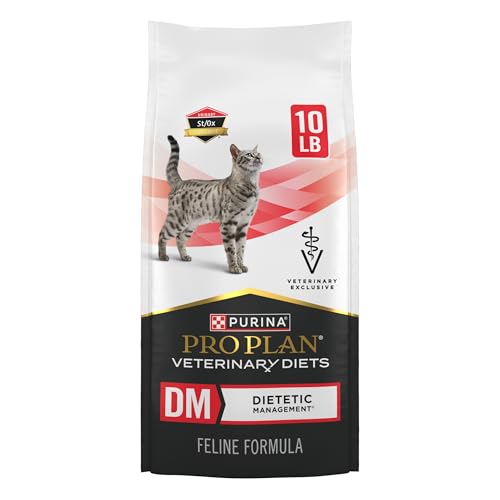



Understanding Your Diabetic Cat’s Dietary Needs
Diabetic cats, particularly those with Type 2 diabetes which is prevalent in felines, require careful and precise dietary management to stabilize blood sugar levels. Unlike humans, cats are obligate carnivores, meaning their digestive systems are optimally designed to process diets primarily composed of animal protein and fat, with very minimal carbohydrates. This fundamental physiological difference is crucial in understanding their specific dietary requirements when managing diabetes. A diet rich in carbohydrates can severely exacerbate the condition by causing rapid and significant spikes in blood glucose, straining an already compromised pancreas and often necessitating higher insulin dosages.
The overarching goal of a therapeutic diet for a diabetic cat is to minimize these glucose spikes and help the body utilize insulin more effectively. By reducing the carbohydrate load, we reduce the amount of glucose entering the bloodstream, thereby lessening the demand on the pancreas to produce insulin or reducing the amount of exogenous insulin required. This approach aims to create a more stable metabolic environment, which can mitigate the long-term complications associated with uncontrolled diabetes, such as neuropathy or kidney issues. In some cases, particularly with early diagnosis and strict dietary adherence, a very low-carbohydrate diet can even lead to diabetic remission, allowing some cats to discontinue insulin therapy entirely under veterinary supervision.
Therefore, a controlled diet is not merely supplementary but often a crucial component alongside insulin therapy. It forms the bedrock of managing the disease, working synergistically with medication to achieve optimal blood glucose regulation. Consistency in feeding times and food composition is paramount to ensure predictable insulin response and prevent dangerous fluctuations in blood sugar.
Key Nutritional Factors for Diabetic Cat Food
Selecting the right food involves a meticulous examination of its nutritional profile, focusing on three key macronutrient ratios that directly impact glucose metabolism.
High Protein Content
Cats are obligate carnivores, and their bodies are optimized to derive energy and essential amino acids from animal proteins. For a diabetic cat, a high protein content is absolutely essential. It supports muscle maintenance, preventing sarcopenia (muscle wasting) which can be a concern in chronically ill or older cats. Protein has a minimal impact on blood glucose levels compared to carbohydrates, making it an ideal energy source for diabetic felines. Furthermore, protein contributes significantly to satiety, helping diabetic cats feel fuller for longer and potentially aiding in weight management, which is often critical as obesity is a major risk factor for feline diabetes. Look for foods where protein constitutes at least 40-50% on a dry matter basis.
Very Low Carbohydrate Content
This is perhaps the single most critical factor for managing feline diabetes. Carbohydrates, whether simple sugars or complex starches (like those found in grains, potatoes, or peas), break down into glucose in the digestive tract. For a diabetic cat with impaired insulin production or sensitivity, this influx of glucose leads to undesirable blood sugar spikes. A diet very low in carbohydrates minimizes this glucose load, facilitating better blood glucose control and often reducing the need for insulin. Ideally, carbohydrate content should be less than 10% on a dry matter basis, with some veterinarians recommending even lower, closer to 5%. Achieving this usually means avoiding common kibble ingredients and focusing on meat-based diets.
Moderate Fat Content
Fat serves as a concentrated energy source and enhances the palatability of food, which is important for ensuring your cat consumes their prescribed diet. Essential fatty acids are also vital for overall health, including skin, coat, and cellular function. While fat has a minimal direct impact on blood glucose, it’s important to maintain a moderate level. Excessively high fat content, especially in combination with high calories, can contribute to weight gain or potentially exacerbate conditions like pancreatitis in sensitive cats. A balanced approach ensures adequate energy without contributing to obesity, which can complicate diabetes management. A range of 15-30% fat on a dry matter basis is often considered appropriate, but this can vary based on the individual cat’s needs and activity level.
Wet Food vs. Dry Food: Making the Right Choice
The choice between wet and dry food is a fundamental decision that profoundly impacts the efficacy of a diabetic cat’s dietary management.
Wet Food Benefits
Wet food is almost invariably the superior choice for diabetic cats due to several significant advantages. Firstly, it is generally much lower in carbohydrates compared to dry kibble. The processing required to create dry food necessitates higher starch content to bind the kibble, making it inherently problematic for diabetic felines. Wet foods, conversely, are typically formulated with a higher proportion of animal protein and fat, more closely mimicking a cat’s natural prey diet. Secondly, wet food boasts a significantly higher moisture content, often exceeding 70-80%. This is incredibly beneficial for hydration, which is vital for cats, especially those with diabetes who may be prone to increased thirst and urination. Adequate hydration supports kidney health and urinary tract health, common areas of concern for diabetic cats. The higher water content also contributes to satiety, helping cats feel fuller and potentially aiding in weight management.
Dry Food Challenges
Most conventional dry kibble presents substantial challenges for diabetic cats. As noted, the manufacturing process necessitates high levels of carbohydrates (e.g., grains like corn, wheat, rice, or starchy vegetables like potatoes and peas) to form the kibble structure. These ingredients translate directly into high sugar content upon digestion, leading to rapid and significant blood glucose spikes that are extremely difficult to manage with insulin. Beyond the carbohydrate issue, dry kibble’s low moisture content can lead to chronic dehydration, which can stress the kidneys and contribute to urinary tract issues over time. While some cats may prefer dry food due to texture or habit, these challenges often outweigh any perceived convenience for a diabetic feline.
Considerations
While wet food is almost always the preferred and recommended option, some specialized low-carbohydrate dry options do exist on the market. These often utilize alternative binders or very high protein content to achieve a lower carbohydrate profile. However, even these specialized dry foods should be used with extreme caution and only with explicit veterinary approval and guidance. They are generally considered a compromise for cats who absolutely refuse wet food, and their carbohydrate content must be rigorously checked (aiming for well under 10% on a dry matter basis). For cats accustomed to dry food, a slow and careful transition to wet food is highly recommended, often involving mixing small amounts of new wet food with old dry food over several weeks.
Ingredients to Prioritize and Avoid
Understanding ingredient lists is crucial for making informed decisions about your diabetic cat’s diet. It’s an exercise in scrutinizing labels to ensure the food aligns with the specific nutritional needs of a diabetic feline.
Look For
The cornerstone of any high-quality diabetic cat food is animal protein. Therefore, you should prioritize products that list named meat sources as the first few ingredients. Examples include “chicken,” “turkey,” “beef,” “salmon,” “duck,” or “venison.” These provide highly digestible, high-quality animal proteins that are essential for muscle maintenance and overall health without causing blood sugar fluctuations. Ingredients like chicken meal or turkey meal can also be good sources of concentrated protein, provided they are named and not generic “meat meal.” High-quality animal proteins are critical because they supply all the essential amino acids cats require, which are best derived from animal sources. Paté-style wet foods are often excellent choices, as they tend to be lower in carbohydrates and gravy thickeners.
Avoid
Equally important is knowing what ingredients to unequivocally avoid. Grains such as corn, wheat, rice, barley, and oats are high in carbohydrates and will contribute to undesirable blood glucose spikes. Similarly, common “grain-free” fillers like potatoes, sweet potatoes, peas, lentils, and tapioca are also rich in starch and, therefore, carbohydrates, making them equally unsuitable for diabetic cats. Any added sugars, corn syrup, molasses, or fruits should also be avoided, as these directly contribute to elevated blood sugar. Be wary of generic terms like “meat by-products” if the specific animal source isn’t named, as quality can vary. The goal is to minimize any ingredient that rapidly converts to glucose in the cat’s system.
Beneficial Additives
While the primary focus is on macronutrients, certain additives can provide additional health benefits. Omega-3 fatty acids, particularly EPA and DHA derived from fish oil, are known for their anti-inflammatory properties and can support overall health, including skin, coat, and potentially aiding in insulin sensitivity. Some foods might include small amounts of soluble fiber, such as psyllium husk, which can sometimes help regulate blood sugar absorption, though this should be carefully balanced as too much fiber can reduce nutrient absorption and isn’t always necessary in a low-carb diet. Always ensure the food is fortified with essential vitamins and minerals to provide complete and balanced nutrition, adhering to AAFCO (Association of American Feed Control Officials) standards for “all life stages” or “adult maintenance.”
Top Characteristics of Recommended Diabetic Cat Foods
Beyond the general ingredient list, specific characteristics on the food label and brand reputation provide crucial insights into suitability for diabetic cats.
Guaranteed Analysis
The “Guaranteed Analysis” on pet food labels provides crude percentages of protein, fat, fiber, and moisture. However, these are “as fed” values, meaning they include the water content. For accurate comparison across different food types (especially wet vs. dry), it’s essential to convert these to a “dry matter” basis. This allows for a true comparison of macronutrient density. Many online calculators can assist with this conversion, or you can contact the manufacturer directly for their dry matter analysis. For diabetic cats, aim for a food with protein constituting at least 40-50% dry matter (DM), fat in the range of 15-30% DM, and critically, carbohydrates at less than 10% DM, with ideally 5% DM or lower. If the carbohydrate percentage isn’t explicitly listed, it can be estimated by subtracting the protein, fat, fiber, and moisture (and ash if provided) from 100%.
Palatability
No matter how nutritionally perfect a food is on paper, it’s ineffective if your cat refuses to eat it. Palatability is a significant factor. Cats can be notoriously picky eaters, often developing preferences for specific textures, flavors, or even shapes. Some cats prefer paté-style wet food, while others might favor shredded or flaked varieties. If your cat is accustomed to a specific texture or flavor profile, try to find a diabetic-appropriate food that closely matches it. Warming wet food slightly can enhance its aroma and make it more appealing. For very finicky eaters, a slow transition over several weeks, gradually increasing the proportion of the new food, is essential. Ensuring your cat consistently eats their prescribed diet is paramount for managing blood glucose and preventing weight loss or nutrient deficiencies.
Brand Reputation
Choosing reputable brands is vital, particularly when dealing with a health condition as sensitive as diabetes. Look for companies known for their commitment to quality ingredients, rigorous quality control measures, and nutritional research. Brands that employ veterinary nutritionists on staff, conduct feeding trials, and are transparent about their ingredient sourcing and manufacturing processes often stand out. While avoiding specific brand endorsements, researching customer reviews, veterinarian recommendations, and the brand’s history can provide valuable insights into their reliability and the consistency of their product’s nutritional profile. A brand with a strong reputation for producing therapeutic diets or high-quality, meat-first formulas is generally a safer bet.
Monitoring, Transitioning, and Veterinary Guidance
Managing a diabetic cat’s diet is an ongoing process that requires careful observation, patience, and professional medical oversight.
Slow Transition
Introducing a new diet, especially for a diabetic cat, must be done gradually. A sudden change can lead to digestive upset, such as vomiting or diarrhea, and can also make a picky cat reject the new food entirely. A recommended approach is to transition over 7-10 days. Start by mixing 25% new food with 75% old food for a few days. If your cat tolerates this well, progress to 50/50 for another few days, then 75% new food with 25% old, until eventually, your cat is solely on the new diet. Monitor your cat closely during this period for any adverse reactions or reluctance to eat.
Regular Monitoring
Once your cat is on the new diet, continuous monitoring is essential. Observe your cat’s appetite, energy levels, water intake, and urination frequency. Any significant changes could indicate that the diet isn’t agreeing with them or that their diabetes management needs adjustment. If your veterinarian has recommended home blood glucose monitoring, this is an invaluable tool to assess your cat’s response to the new diet. Keep detailed records of food intake, insulin dosages (if applicable), and blood glucose readings to share with your vet. This data helps your veterinary team fine-tune the treatment plan. Regular weight checks are also important to ensure your cat is maintaining a healthy body condition.
Veterinary Consultation
Perhaps the most critical aspect of dietary management for a diabetic cat is working closely with your veterinarian. A change in diet, particularly to a low-carbohydrate one, can significantly impact blood glucose levels and, consequently, your cat’s insulin requirements. It is imperative that you never adjust your cat’s insulin dosage without explicit veterinary guidance. Your vet will likely want to conduct follow-up blood glucose curves and possibly other tests after a dietary change to assess its effectiveness and adjust insulin accordingly. They can also help you choose the best food tailored to your cat’s specific needs, considering any co-existing conditions, and provide expert advice on monitoring and troubleshooting. Regular check-ups and open communication with your veterinary team are non-negotiable for ensuring your diabetic cat thrives on their new dietary regimen.
Choosing the best food for your diabetic cat is a cornerstone of effective disease management, requiring careful attention to protein, carbohydrate, and moisture content. By prioritizing high-protein, low-carb wet foods and consulting regularly with your veterinarian, you can significantly impact your cat’s quality of life and glucose regulation. Always introduce new foods gradually and monitor your cat’s health closely to ensure they thrive on their new diet.
Frequently Asked Questions
What is the best type of food for a diabetic cat?
The best cat food for diabetic cats is typically a high-protein, low-carbohydrate diet, often formulated as wet food. This type of diet helps stabilize blood glucose levels by minimizing the sugar spikes caused by excessive carbohydrates. Many veterinarians recommend specific therapeutic diets designed for diabetic felines, as they are precisely balanced for this condition. Always consult your vet to determine the ideal food plan tailored to your cat’s specific needs and insulin regimen.
Why is a low-carbohydrate, high-protein diet crucial for managing feline diabetes?
A low-carbohydrate, high-protein diet is crucial because it mimics a cat’s natural carnivorous diet and minimizes glucose absorption, which directly impacts blood sugar levels. Carbohydrates quickly convert to sugar in the bloodstream, requiring more insulin to process. By reducing carbs and increasing protein, this diet helps stabilize glucose, potentially reducing the need for insulin and even promoting diabetic remission in some cases, thereby improving overall feline diabetes management.
Should I choose wet or dry food for my diabetic cat?
For diabetic cats, wet food is generally recommended over dry kibble due to its lower carbohydrate content and higher moisture. Dry foods often contain more carbohydrates as fillers and binders, which can negatively impact blood glucose regulation. The increased moisture in wet food also promotes hydration, which is beneficial for overall feline health. While some low-carb dry options exist, wet food typically offers superior control for managing feline diabetes effectively.
How can I effectively transition my diabetic cat to a new, diabetes-friendly food?
To effectively transition your diabetic cat to a new, diabetes-friendly food, introduce the new food gradually over 7-10 days, mixing increasing amounts with their old food. Abrupt changes can cause digestive upset and stress, which can impact blood sugar. Close blood glucose monitoring is essential during this period, as the new diet may alter insulin requirements. Always coordinate with your veterinarian to adjust insulin dosages as needed and ensure a smooth, safe transition for your diabetic feline.
What specific ingredients should I look for or avoid when selecting cat food for diabetes?
When selecting cat food for diabetes, look for meat, poultry, or fish as the first few ingredients, indicating a high protein content. Prioritize foods with minimal to no grains, starches, or sugary fillers like corn, wheat, soy, potatoes, peas, or fruit, as these are high in carbohydrates. Instead, opt for formulas that list healthy fats and fiber sources from vegetables in moderation. Always check the guaranteed analysis for low carbohydrate percentages, often below 10% on a dry matter basis.
References
- https://vetmed.tamu.edu/news/pet-talk/diabetic-cat-care/
- https://vetmed.illinois.edu/wp-content/uploads/2020/09/Feline-Diabetes-Handout-Small-Animal-Internal-Medicine-FINAL.pdf
- https://www.vet.upenn.edu/docs/default-source/vth-small-animal/diabetes-mellitus-in-cats.pdf?sfvrsn=2
- https://www.aaha.org/your-pet/pet-health-library/pbd/diabetes-mellitus-in-cats/
- https://www.vetmed.wsu.edu/outreach/Pet-Health-Topics/categories/diseases,-conditions,-and-treatments/diabetes-mellitus-in-cats
- Home | Cornell Chronicle
- https://www.acvismain.org/site/wp-content/uploads/2021/07/ACVIM-Consensus-Statement-on-Feline-Diabetes-Mellitus_Journal-of-Veterinary-Internal-Medicine.pdf
- https://www.vet.cornell.edu/departments-centers-and-institutes/cornell-feline-health-center/health-information/feline-health-topics/diabetes-mellitus