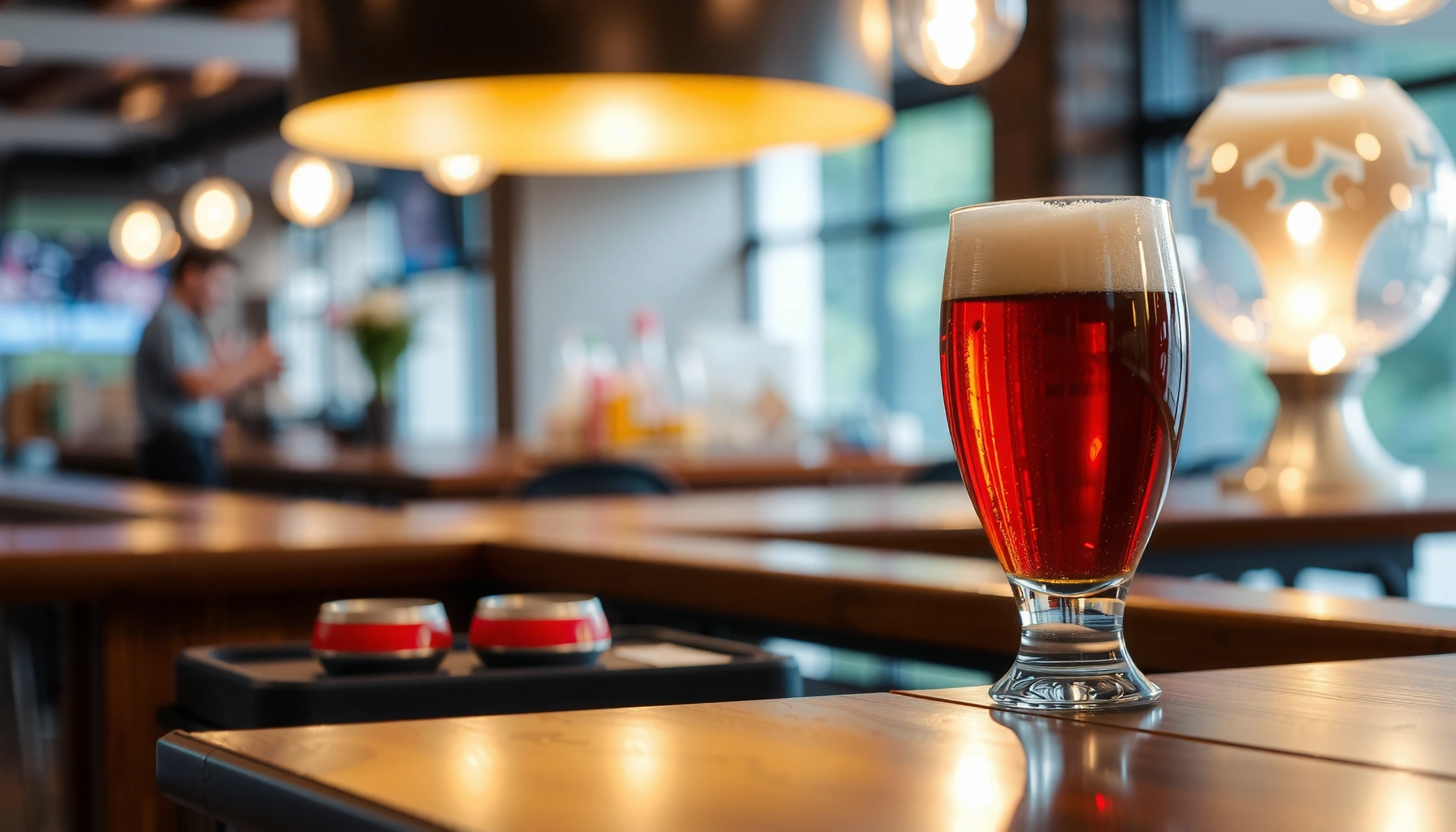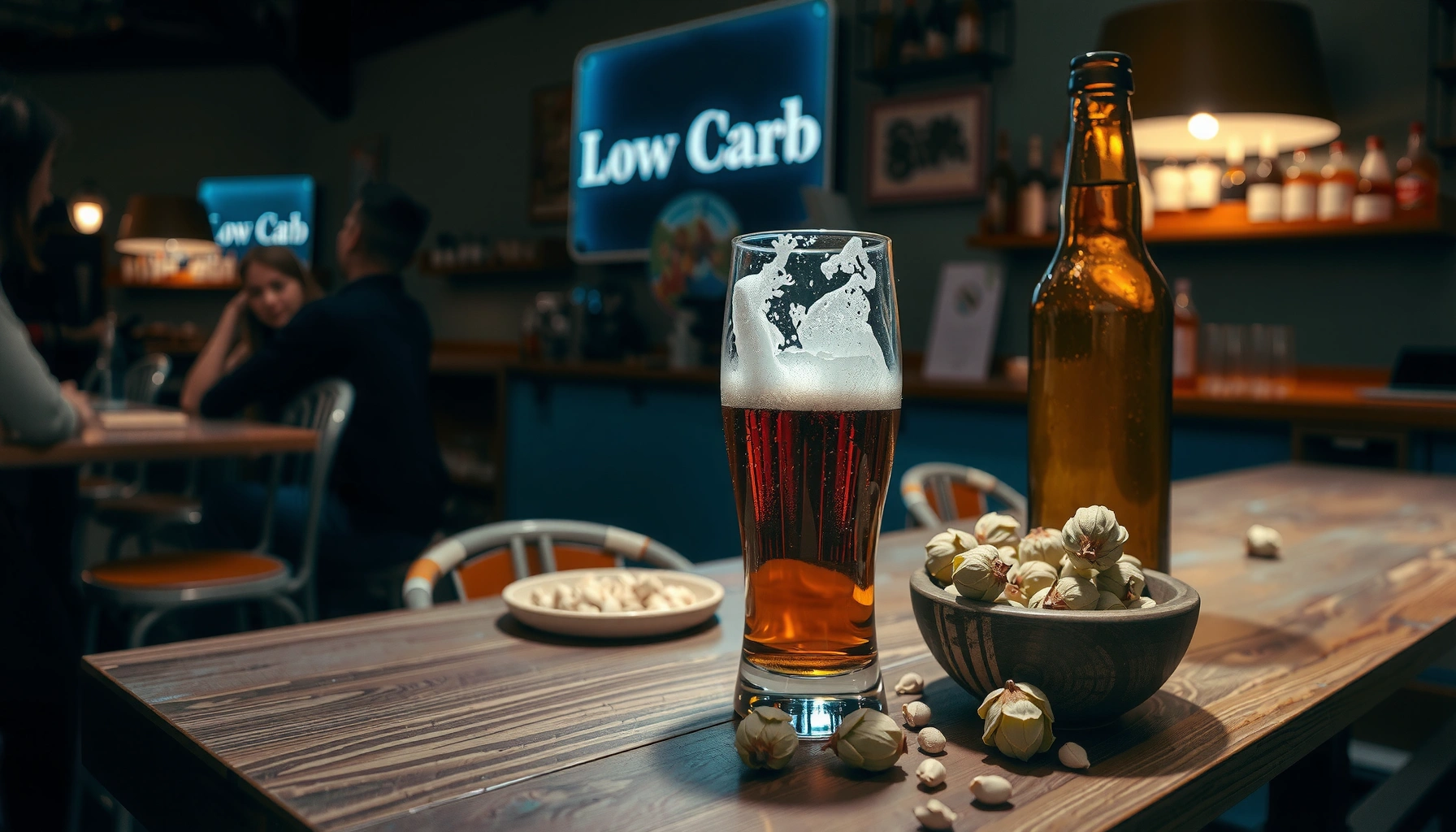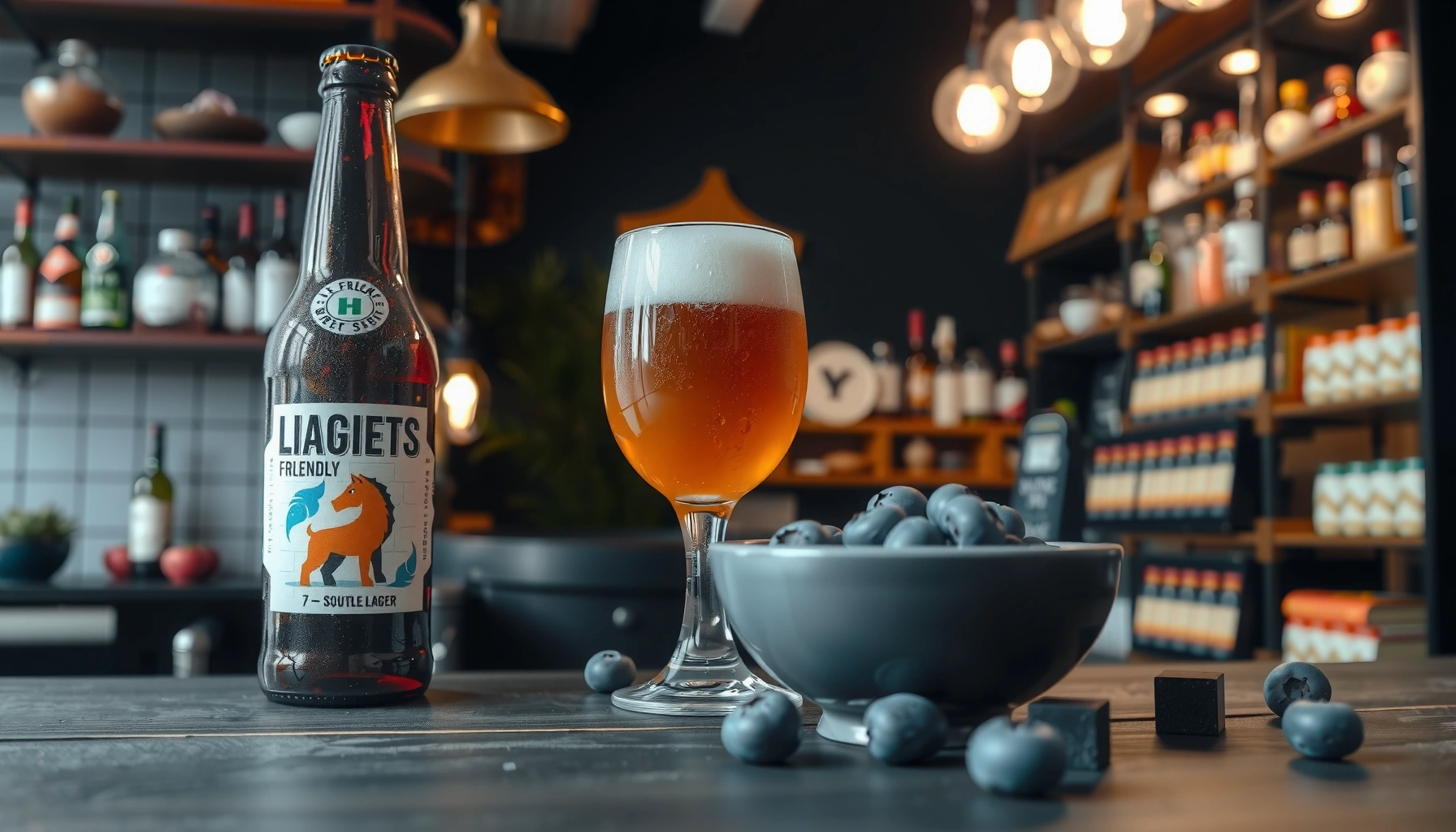

For individuals managing diabetes, choosing the right alcoholic beverages is crucial for blood sugar control. Generally, the best options include dry wines, light beers, and unflavored spirits mixed with sugar-free beverages, always consumed in strict moderation and preferably alongside food. Understanding which drinks have minimal impact on blood glucose levels can help you make informed choices while enjoying a social drink responsibly and safely.



General Guidelines for Diabetics and Alcohol Consumption
Navigating alcohol consumption with diabetes requires a strategic and informed approach. Beyond simply selecting the right drink, adhering to general guidelines is paramount to safeguarding blood sugar stability and overall health. These principles serve as a foundational framework for responsible drinking for anyone with diabetes.
* Monitor Blood Sugar Closely: Alcohol profoundly impacts the liver, the organ primarily responsible for releasing stored glucose into the bloodstream to maintain stable blood sugar levels. When alcohol is present, the liver prioritizes metabolizing the alcohol, which can inhibit its ability to produce glucose. This effect can lead to delayed hypoglycemia, sometimes occurring several hours after consumption, even overnight. Therefore, it is critically important to check blood sugar levels before drinking, frequently during consumption, and for up to 24 hours afterward. Understand your body’s unique response and be prepared to take corrective action, such as having a sugar-free snack or adjusting insulin, under the guidance of your healthcare provider.
* Prioritize Moderation: Moderation is not merely a suggestion but a strict necessity for individuals with diabetes. The American Diabetes Association (ADA) recommends limiting alcohol intake to no more than one standard drink per day for women and up to two standard drinks per day for men. A “standard drink” is defined as 5 ounces of wine, 12 ounces of beer, or 1.5 ounces of 80-proof distilled spirits. Consuming alcohol on an empty stomach can lead to a rapid absorption of alcohol, further increasing the risk of hypoglycemia. Always ensure you consume alcohol alongside a balanced meal that includes complex carbohydrates, protein, and healthy fats. This helps to slow alcohol absorption and provides a sustained energy source, mitigating sudden blood sugar drops.
* Avoid Sugary Mixers & Sweet Drinks: This guideline is perhaps one of the most straightforward yet frequently overlooked aspects of diabetic-friendly alcohol choices. Sugary mixers, such as regular sodas, fruit juices, tonic water (which contains significant sugar), and pre-made cocktail mixes, can cause rapid and severe spikes in blood glucose levels. Similarly, many popular cocktails are laden with added sugars, syrups, and liqueurs that provide empty calories and a high glycemic load. Always scrutinize ingredient lists, question bartenders about mixers, and proactively choose sugar-free or low-carbohydrate alternatives to protect your blood sugar from unnecessary fluctuations.
Best Choice: Dry Wines (Red & White)
Dry wines stand out as an excellent option for individuals with diabetes due to their favorable carbohydrate profile. The key distinction lies in their fermentation process, which results in minimal residual sugar.
* Low Carbohydrate Content: The characteristic “dryness” in wine refers to its lack of sweetness, indicating that most of the grape sugars have been converted into alcohol during fermentation. This process leaves very little residual sugar, often less than 1-2 grams per 5-ounce serving, and consequently, a low carbohydrate count. In contrast, sweeter wines, where fermentation is stopped early or sugar is added, can contain upwards of 10-20 grams of sugar per serving, making them unsuitable for diabetic consumption. This low carb profile means a significantly reduced impact on blood glucose levels compared to other alcoholic beverages.
* Recommended Varieties: When selecting dry wines, focus on specific varieties known for their minimal sugar content. For dry red wines, excellent choices include Pinot Noir, Cabernet Sauvignon, Merlot, and Syrah (or Shiraz). These typically offer robust flavors without the added sweetness. For dry white wines, opt for Sauvignon Blanc, Pinot Grigio, Chardonnay (especially unoaked versions), or Grüner Veltliner. These white varietals are crisp and refreshing, providing a delightful experience without compromising blood sugar management. Always inquire or check labels to confirm a wine’s “dry” status, as some regional styles can vary.
* Portion Control is Key: Even with low-carb dry wines, portion control remains paramount. A standard serving of wine is 5 ounces (approximately 150 ml). It is easy to overpour, especially with larger wine glasses, leading to unintended increases in alcohol and calorie intake. Exceeding recommended serving sizes can still contribute to caloric excess and potential adverse effects on blood sugar, despite the low carb count per ounce. Utilize measuring tools if necessary to ensure accurate portioning. Remember that while dry wines are low in sugar, they still contain alcohol, which contributes calories and requires careful metabolic processing by the liver.
Best Choice: Light Beers
For those who prefer beer, light beers offer a viable alternative to their full-bodied counterparts, thanks to their reduced carbohydrate and calorie content. However, vigilance is required in selection and consumption.
* Reduced Carbs and Calories: Light beers are specifically formulated during the brewing process to contain fewer carbohydrates and calories than regular beers. Brewers achieve this by using less malt, introducing enzymes to further break down complex carbohydrates into more fermentable sugars, or diluting the brew. This results in a product that typically has 3-7 grams of carbohydrates per 12-ounce serving, a significant reduction from the 10-20+ grams found in many regular beers. This lower carb count translates to a milder impact on blood glucose, making them a more diabetic-friendly option.
* Check Labels Carefully: The term “light beer” can encompass a wide range of nutritional profiles. It is crucial to read nutrition labels thoroughly, as carbohydrate and calorie counts can vary significantly between brands and even different formulations of “light” beer. Look for beers explicitly marketed as “low-carb” or those with detailed nutritional information specifying carbohydrate content per serving. Aim for options that clearly state carbohydrate counts under 5 grams per 12-ounce bottle or can to ensure you are making the best choice for blood sugar management. Do not assume all light beers are equal in their carb content.
* Moderate Intake: While light beers are a better choice than regular beers, they still contain carbohydrates and alcohol. Even a few “light” beers can accumulate enough carbohydrates to affect blood sugar levels, and the alcohol content can still pose risks for hypoglycemia. Stick strictly to the recommended limits of one to two standard drinks per day, as advised by health professionals. Always consume light beer with a meal or a substantial snack to slow the absorption of alcohol and carbohydrates, preventing rapid shifts in blood glucose. Hydration with water alongside your beer can also help mitigate potential side effects and prevent overconsumption.
Best Choice: Unflavored Spirits with Sugar-Free Mixers
Unflavored distilled spirits represent another excellent category for individuals with diabetes, primarily because of their unique carbohydrate-free nature.
* Zero Carbs in Pure Spirits: During the distillation process, all sugars and carbohydrates are stripped away, leaving behind pure alcohol and water. This means unflavored spirits such as vodka, gin, rum, whiskey, tequila, and brandy contain absolutely no carbohydrates. This inherent carb-free quality makes them an ideal base for diabetic-friendly drinks, as they do not directly contribute to blood glucose elevation on their own. It’s essential, however, to ensure the spirits are truly unflavored, as flavored varieties often contain added sugars, syrups, or artificial sweeteners that can negate this benefit.
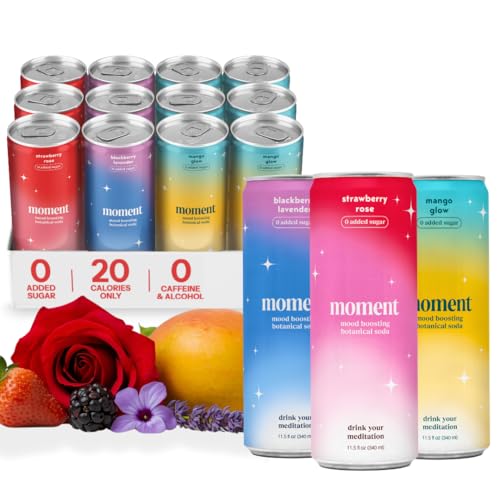
* Ideal Sugar-Free Mixers: The key to enjoying spirits responsibly with diabetes lies in the choice of mixer. To maintain the zero-carb advantage of pure spirits, combine them with calorie-free or sugar-free mixers. Excellent options include diet soda (ensure it’s truly “diet” or “zero sugar”), sparkling water, club soda, or a small splash of sugar-free tonic water. These mixers provide hydration and effervescence without introducing additional carbohydrates or sugars. For those who prefer a more robust flavor profile, sugar-free flavoring syrups can be used sparingly, but always check their nutritional information to confirm they are indeed sugar-free.
* Garnish with Citrus: To enhance the flavor and presentation of your sugar-free spirit concoction, opt for natural garnishes. A fresh slice or wedge of lemon, lime, or cucumber can add a bright, refreshing zest without contributing any significant sugar or carbohydrates. These natural additions offer a healthy alternative to fruit juices, which are typically high in natural sugars, or sugary cocktail garnishes. Beyond flavor, citrus garnishes provide a visually appealing touch, making your sugar-free drink feel just as sophisticated and enjoyable as any other.
Drinks to Strictly AVOID for Diabetics
Just as important as knowing what to drink is understanding what to avoid. Certain alcoholic beverages are inherently unsuitable for individuals with diabetes due to their high sugar and carbohydrate content, posing a significant risk to blood glucose control.
* Sugary Cocktails & Mixed Drinks: This category represents one of the biggest dangers for diabetics. Popular cocktails such as margaritas, daiquiris, piña coladas, cosmos, and even many “craft” cocktails are typically made with high-sugar fruit juices, syrupy mixers, liqueurs, and often pre-made sweetened bases. A single margarita, for example, can contain upwards of 30-50 grams of sugar and carbohydrates – equivalent to several servings of soda – leading to rapid and dangerous blood glucose spikes. These drinks are often served in large portions, further compounding the problem. Always inquire about ingredients or avoid these altogether to prevent severe glycemic responses.
* Sweet Wines & Dessert Wines: While dry wines are a good choice, sweet wines and dessert wines are categorically off-limits. Varieties like Moscato, port, sherry, Sauternes, Eiswein, and any wine explicitly labeled “dessert wine” are characterized by their high residual sugar content. This sweetness is either due to arresting fermentation before all sugars are converted to alcohol or by adding spirits to fortification, which concentrates sugars. These wines can contain an astonishing 15-30+ grams of sugar per 3-ounce serving, making them highly detrimental to blood sugar management and directly counteracting any efforts to control glucose levels.
* Regular Beers & Hard Ciders: Regular beers, especially heavier or craft varieties, generally contain a high amount of carbohydrates derived from malted grains. A standard 12-ounce serving can range from 10 to 20+ grams of carbohydrates, significantly more than light beers, and these carbs will rapidly convert to glucose in the bloodstream. Similarly, hard ciders, which are fermented from fruit (typically apples), are inherently high in natural sugars, with many brands adding even more sugar for sweetness. A single hard cider can easily contain 20-35 grams of sugar and carbohydrates per serving, making them comparable to sugary sodas in their glycemic impact. Both categories should be avoided to maintain optimal blood sugar control.
It’s clear that while alcohol consumption for diabetics requires careful consideration, certain choices can be made responsibly. Prioritizing dry wines, light beers, and unflavored spirits with sugar-free mixers, always in moderation and with food, are your safest bets. Remember, regular blood sugar monitoring and open communication with your healthcare provider are paramount to ensure that any alcohol consumption fits safely within your personalized diabetes management plan. Your doctor or a registered dietitian can provide tailored advice, helping you understand how alcohol might interact with your specific medications and overall health, empowering you to make informed decisions that support your long-term well-being.
Frequently Asked Questions
What are the best alcoholic drinks for diabetics to minimize blood sugar impact?
The best alcoholic drinks for diabetics are typically those low in carbohydrates and sugar, as these have the least impact on blood sugar levels. Opt for dry wines like sauvignon blanc or pinot noir, light beers, or spirits like vodka, gin, or whiskey mixed with sugar-free sodas, diet tonic, or water. Always consume alcohol in moderation and consider how your body reacts individually.
How does alcohol affect blood sugar levels for individuals with diabetes?
Alcohol can significantly impact blood sugar levels for individuals with diabetes in several ways. Initially, the liver, which usually produces glucose, prioritizes metabolizing alcohol, potentially leading to a drop in blood sugar and an increased risk of hypoglycemia, especially if consumed on an empty stomach or with certain medications. Conversely, sugary alcoholic beverages or those consumed with high-carb foods can cause blood sugar levels to rise later.
Which types of alcoholic beverages should diabetics strictly limit or avoid?
Diabetics should strictly limit or ideally avoid alcoholic beverages high in sugar and carbohydrates, as these can cause rapid and dangerous blood sugar spikes. This includes sweet wines (dessert wines, Moscato), liqueurs, regular beer (due to carb content), and many pre-made cocktails or mixed drinks made with sugary juices, syrups, or cream. Always check nutritional information or opt for simpler, low-sugar alternatives.
What practical tips should diabetics follow when consuming alcohol safely?
When consuming alcohol, diabetics should always prioritize safety by following several practical tips. Never drink on an empty stomach; ensure you eat a meal or snack to help prevent hypoglycemia. It’s crucial to monitor your blood sugar before, during, and after drinking, as alcohol’s effects can last for hours. Additionally, inform friends or family that you have diabetes and what to do in case of an emergency, and stay well-hydrated with water between alcoholic drinks.
Can diabetics drink wine or light beer, and what should they look for?
Yes, many diabetics can enjoy wine or light beer in moderation, making them popular choices among suitable alcoholic drinks. For wine, dry red and white varieties (like Pinot Noir, Cabernet Sauvignon, Sauvignon Blanc, Pinot Grigio) are generally preferred because they have very low residual sugar content. When choosing beer, opt for “light” or “ultra-light” options, as these significantly reduce carbohydrate and calorie counts compared to regular beers. Always review nutritional labels if available, prioritizing options with the lowest sugar and carb grams.
References
- Alcohol and Diabetes | ADA
- Thyroid peroxidase antibody test: What is it? – Mayo Clinic
- https://www.health.harvard.edu/diabetes/alcohol-and-diabetes-what-to-know
- https://www.nhs.uk/conditions/diabetes/drinking-alcohol-and-diabetes/
- https://health.clevelandclinic.org/alcohol-and-diabetes/
- https://en.wikipedia.org/wiki/Alcohol_and_diabetes_mellitus