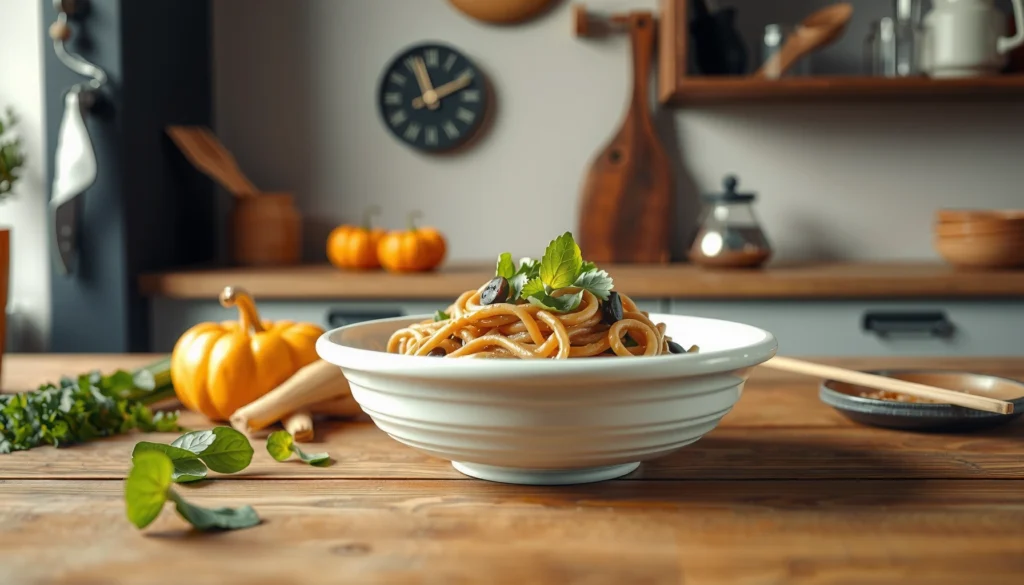

For individuals managing diabetes, enjoying noodles doesn’t mean sacrificing health. The best noodles for diabetics prioritize a lower glycemic index, higher fiber, and increased protein content, making options like whole-wheat, konjac (shirataki), and legume-based varieties (chickpea, edamame) excellent choices. Vegetable-based alternatives like zucchini or spaghetti squash noodles also offer delicious and blood-sugar-friendly ways to enjoy your favorite pasta dishes without the spike. This guide will help you navigate the world of noodles to make informed, delicious choices.



Understanding Noodles and Blood Sugar
Traditional noodles, particularly those made from refined white flour, are often high in easily digestible carbohydrates and significantly low in dietary fiber. This composition means that upon consumption, these carbohydrates are rapidly broken down into glucose, leading to a quick and often pronounced surge in blood sugar levels. For individuals with diabetes, who have impaired insulin production or sensitivity, managing these post-meal glucose spikes is crucial for long-term health and preventing complications.
The Glycemic Index (GI) and carbohydrate count are therefore crucial factors for diabetics when selecting noodle types. The Glycemic Index ranks foods based on their effect on blood glucose levels, with high-GI foods causing rapid spikes and low-GI foods leading to a more gradual and sustained rise. Refined white pasta typically has a high GI, whereas alternatives with more fiber and protein tend to have a lower GI. Understanding the net carbohydrate count (total carbohydrates minus fiber) is also essential, as it directly impacts the amount of glucose that will enter the bloodstream.
Prioritizing fiber and protein content is a cornerstone of blood sugar management. Fiber, especially soluble fiber, slows down the digestion and absorption of carbohydrates, thereby mitigating sharp increases in blood glucose. It also contributes to satiety, helping prevent overeating. Protein, similarly, has a minimal direct impact on blood sugar and helps to slow gastric emptying, further regulating glucose absorption. Meals rich in both fiber and protein tend to keep blood glucose levels more stable and promote a feeling of fullness, which is beneficial for weight management, a key aspect of diabetes care.
Top Noodle Choices for Diabetics
Selecting the right type of noodle can significantly impact blood sugar management. Here are the top recommendations that provide a healthier alternative to traditional refined pasta:
* Whole Wheat & Whole Grain Noodles: These noodles are a superior alternative to their white flour counterparts because they retain the entire grain kernel—the bran, germ, and endosperm. The bran and germ are rich in fiber, B vitamins, iron, magnesium, and other essential nutrients. This increased fiber content is paramount as it slows down the digestion and absorption of carbohydrates, leading to a more gradual rise in blood glucose levels compared to refined white pasta. When shopping, it is critical to look for labels that explicitly state “100% whole wheat” or “100% whole grain” as some products may contain a blend of whole and refined grains, reducing their health benefits. Cooking whole wheat pasta *al dente* (firm to the bite) can further lower its glycemic impact, as firmer pasta is digested more slowly than overcooked, softer pasta.
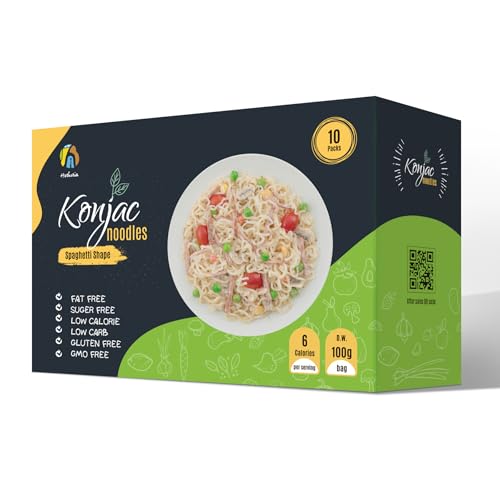
* Konjac (Shirataki) Noodles: Made primarily from glucomannan, a soluble dietary fiber derived from the root of the konjac plant, shirataki noodles are a revolutionary option for blood sugar control. They are remarkably low in calories and carbohydrates, often containing less than 1 gram of net carbs per serving, making them virtually impact-free on blood sugar levels. Glucomannan fiber absorbs a significant amount of water, creating a feeling of fullness and aiding in weight management. Their unique texture, often described as slightly rubbery or gelatinous, requires specific preparation: rinsing thoroughly to remove the slightly fishy odor from their packaging liquid, and then dry-frying them in a pan for a few minutes to improve their texture and allow them to better absorb sauces. While they don’t offer much in the way of protein or micronutrients, their carb-free nature makes them an invaluable tool for creating large, satisfying meals without blood sugar concerns.
* Legume-Based Noodles (Chickpea, Edamame, Lentil Pasta): These innovative pasta alternatives are crafted from flours made from various legumes, such as chickpeas, red lentils, green lentils, and edamame. They stand out as excellent sources of plant-based protein and dietary fiber, significantly surpassing traditional pasta in these vital nutrients. For instance, chickpea pasta can contain nearly double the protein and fiber of whole wheat pasta. This high protein and fiber content contributes to a much lower Glycemic Index (GI) than traditional pasta, as these nutrients slow down carbohydrate digestion and absorption. The increased protein also promotes extended satiety, helping to manage appetite and reduce subsequent snacking. Different legume pastas offer unique nutritional profiles; for example, edamame pasta is exceptionally high in protein. These noodles often have a slightly different taste and texture than wheat-based pasta, but they hold up well to cooking and absorb sauces effectively, making them a versatile and blood-sugar-friendly choice.
Vegetable-Based Noodle Alternatives
Beyond grain and legume-based options, natural vegetable alternatives offer delicious, nutrient-rich, and incredibly low-carb ways to enjoy noodle-like dishes.
* Zucchini Noodles (Zoodles): Zucchini is naturally very low in carbohydrates and calories, making it an ideal candidate for creating “zoodles.” With a spiralizer, zucchini can be quickly transformed into long, pasta-like strands. Zoodles are an excellent way to boost your vegetable intake while significantly reducing the carbohydrate load of your meal. They are rich in vitamins C and K, as well as potassium. Zoodles can be enjoyed raw in cold salads, lightly sautéed for a minute or two to soften slightly while retaining a slight crispness, or even added directly to hot sauces to warm through. Their mild flavor makes them highly versatile, pairing well with a wide range of sauces from pesto to marinara.
* Spaghetti Squash: This unique winter squash naturally yields spaghetti-like strands when cooked. After roasting or baking a whole spaghetti squash, you can easily scrape out the fibrous strands with a fork. Spaghetti squash is a naturally low-carb and nutrient-rich substitute for pasta, offering a good source of vitamins A and C, and dietary fiber. Its mild, slightly sweet flavor complements robust sauces beautifully, and it stands up well to baking, making it perfect for casseroles or as a base for hearty meat or vegetable ragouts. Preparing spaghetti squash requires more cooking time than zoodles, but the resulting texture and flavor are well worth the effort for a comforting and healthy meal.
* Other Veggie Noodles (Carrot, Cucumber, Beet): The versatility of spiralizers extends to many other vegetables, allowing for a colorful and nutritious array of noodle alternatives. Carrot noodles offer a slightly sweet flavor and a good dose of Vitamin A. Cucumber noodles are refreshing and crisp, perfect for cold salads or Asian-inspired dishes, providing hydration and essential nutrients. Beet noodles add a vibrant color and earthy flavor, along with antioxidants and nitrates beneficial for heart health. These vegetable noodles can be used to add variety, texture, and a significant nutrient boost to your meals, further expanding the options for managing blood sugar while enjoying diverse flavors and presentations.
What to Avoid and Mindful Consumption Tips
Making informed choices about noodle types is only one part of managing blood sugar effectively. Equally important are understanding what to avoid and practicing mindful consumption.
* Avoid Refined White Pasta & Instant Noodles: These categories represent the primary culprits for rapid blood sugar spikes. Refined white pasta is made from flour stripped of its bran and germ, removing most of the fiber, vitamins, and minerals. This leaves behind rapidly digestible carbohydrates that quickly convert to glucose in the bloodstream, leading to abrupt and significant increases in blood sugar levels. Instant noodles are even more problematic; beyond being made from refined flour, they are often deep-fried, loaded with unhealthy saturated fats, sodium, and artificial ingredients. Their low nutritional value combined with high GI and unhealthy fat content makes them detrimental for consistent blood sugar management and overall cardiovascular health. Opting for these choices frequently can severely undermine diabetes management efforts.
* Portion Control is Key: Even when choosing healthier noodle options like whole-wheat or legume-based varieties, portion control remains paramount. While these alternatives offer improved nutritional profiles with more fiber and protein, they still contain carbohydrates that contribute to your overall daily intake. It is crucial to be aware of serving sizes, which are often smaller than what people typically consume. Using measuring cups or a food scale, especially in the beginning, can help establish an accurate understanding of what a healthy portion looks like. Overconsumption, even of “healthy” carbs, can still lead to elevated blood sugar levels. Integrating noodles into a meal should always consider your personal carbohydrate budget determined by your healthcare provider or dietitian.
* Pair with Protein and Healthy Fats: The glycemic impact of a meal is not solely determined by the carbohydrate source but also by what it’s eaten with. Pairing noodles with lean protein and healthy fats is a highly effective strategy for further stabilizing blood sugar levels. Protein and fats slow down gastric emptying and carbohydrate digestion, resulting in a more gradual and sustained release of glucose into the bloodstream. Excellent sources of lean protein include grilled chicken breast, fish, tofu, tempeh, or legumes. Healthy fats can come from sources like avocado, olive oil, nuts, seeds, and fatty fish. For example, a whole-wheat pasta dish with grilled chicken, a generous serving of non-starchy vegetables, and a drizzle of olive oil will have a significantly lower and more stable blood glucose response than the pasta alone. This balanced approach not only supports blood sugar control but also enhances satiety and provides essential nutrients.
Crafting Balanced Noodle Dishes
Creating noodle dishes that are both delicious and diabetes-friendly involves thoughtful ingredient selection and preparation techniques. The goal is to maximize nutrition and flavor while minimizing the glycemic impact.
* Load Up on Non-Starchy Vegetables: This is perhaps one of the most impactful strategies for balancing any noodle dish. Non-starchy vegetables are exceptionally low in calories and carbohydrates but rich in fiber, vitamins, minerals, and antioxidants. Incorporating a generous amount of vegetables like broccoli florets, spinach, bell peppers (all colors), mushrooms, onions, garlic, green beans, or asparagus significantly increases the meal’s volume and nutrient density without adding substantial carbs. The fiber in these vegetables further slows down the absorption of carbohydrates from the noodles, contributing to better blood sugar control. They also add vibrant colors, diverse textures, and fresh flavors, making your meal more appealing and satisfying. Think of noodle dishes as a vehicle for vegetables, rather than the other way around.
* Choose Light, Flavorful Sauces: Many traditional pasta sauces, particularly creamy Alfredo or heavily processed tomato sauces with added sugars, can negate the benefits of choosing healthier noodles. Cream-based sauces are often high in saturated fats and calories, while many jarred tomato sauces contain surprisingly high amounts of added sugar. Instead, opt for lighter, more health-conscious options. Olive oil-based sauces, such as Aglio e Olio (garlic and olive oil), are simple, flavorful, and provide healthy monounsaturated fats. Tomato-based sauces are an excellent choice, but ensure they are made from fresh ingredients or choose brands with “no added sugar.” Pesto, when made with fresh basil, pine nuts, garlic, Parmesan cheese, and olive oil, can also be a healthy option, though portion control is advised due to its calorie density. Broth-based sauces with herbs and spices also offer a light, flavorful alternative. Consider making your own sauces from scratch to have complete control over ingredients, especially salt and sugar content.
* Explore Herbs and Spices: Herbs and spices are your best friends in the kitchen when aiming for flavor without adding extra carbohydrates, sugars, or unhealthy fats. They can transform a simple dish into a culinary delight. Garlic and onion form a foundational flavor base for many cuisines and offer potential health benefits. Fresh herbs like basil, oregano, parsley, thyme, and rosemary bring brightness and depth. For a kick, consider chili flakes or freshly ground black pepper. Spices such as turmeric, cumin, coriander, and ginger can introduce exotic flavors and have additional anti-inflammatory properties. Experimenting with different herb and spice combinations allows for endless variety, ensuring your diabetes-friendly noodle dishes are never bland and always exciting for your palate.
Ultimately, enjoying noodles with diabetes is about making informed choices and practicing moderation. By opting for whole-grain, legume-based, or vegetable alternatives and pairing them with balanced ingredients like lean proteins, healthy fats, and a plethora of non-starchy vegetables, you can savor your favorite noodle dishes without compromising your health goals. Remember that dietary management for diabetes is highly individualized. Always consult with your healthcare provider or a registered dietitian to tailor dietary advice to your specific needs and create a personalized eating plan that supports your overall well-being.
Frequently Asked Questions
What are the best noodle alternatives for diabetics to manage blood sugar effectively?
The best noodle alternatives for diabetics prioritize low carbohydrates, high fiber, and often high protein to help manage blood sugar levels. Excellent choices include shirataki noodles, made from konjac yam, which are virtually carb and calorie-free. Plant-based pastas made from legumes like chickpeas or lentils, and spiralized vegetables such as zucchini or spaghetti squash, also offer nutritious, low-glycemic options. Whole-wheat or whole-grain noodles, while higher in carbs, are better than refined white pasta due to their fiber content.
Why is choosing whole-grain or legume-based noodles important for blood sugar control in diabetics?
Choosing whole-grain or legume-based noodles is crucial for blood sugar control because they contain significantly more dietary fiber compared to refined white noodles. Fiber slows down the digestion and absorption of carbohydrates, leading to a more gradual rise in blood glucose levels and preventing sharp spikes. This sustained release of energy helps maintain stable blood sugar and can improve overall glycemic management for individuals with diabetes.
How can diabetics prepare noodles to minimize their impact on blood sugar levels?
Diabetics can minimize the blood sugar impact of noodles by focusing on preparation methods that increase fiber and protein, and control portions. Cook noodles al dente to reduce their glycemic index, and always pair them with plenty of non-starchy vegetables and a lean protein source like chicken, fish, or tofu. Utilizing healthy fats in cooking and carefully measuring serving sizes are also key strategies to enjoy noodles while maintaining stable glucose levels.
Are shirataki noodles truly a “diabetes-friendly” option, and what should I know about them?
Yes, shirataki noodles are generally considered a very diabetes-friendly option due to their extremely low carbohydrate and calorie content. Made primarily from glucomannan fiber, they have minimal impact on blood sugar and can aid in satiety. While they have a neutral taste, it’s important to rinse them thoroughly before cooking to remove their unique odor and then absorb flavors from sauces and other ingredients.
Which specific nutritional factors should diabetics look for on noodle packaging before purchasing?
When purchasing noodles, diabetics should primarily look for high fiber content (ideally 3g or more per serving) and a lower net carbohydrate count (total carbs minus fiber and sugar alcohols). Also, check for adequate protein, as this helps with satiety and blood sugar regulation. Minimizing added sugars and being mindful of the serving size listed on the nutrition label are critical for making informed, diabetes-friendly choices.
References
- https://www.diabetes.org/healthy-living/recipes-nutrition/eating-well/pasta-and-pizza
- Glycemic index for 60+ foods – Harvard Health
- https://www.medicalnewstoday.com/articles/best-pasta-for-diabetes
- Healthy Living with Diabetes – NIDDK
- Page Not Found | Utah State University
- Glycemic index
- https://www.webmd.com/diabetes/diabetic-diet-carbohydrates